REVIEW · TOKYO
Tsukiji Fish Market: Street Food & Culture Walking Tour
Book on GetYourGuide →Operated by Local Guide Stars · Bookable on GetYourGuide
Fish, wasabi, and Tokyo street heat.
This Tsukiji Fish Market walking tour focuses on the stuff you actually want to eat: street bites of fresh tuna and wagyu, plus a special wasabi setup your guide brings along. I also like how the whole experience is organized around flavors that make sense in Japanese cooking, not random sampling.
You start with the calm contrast of Tsukiji Hongwanji (Hongan-ji) Temple, then you move into the outer market where ingredients, vendors, and cooking traditions collide in a small-group pace. The visit stays grounded in real culinary culture—how foods are handled, preserved, and turned into everyday Japanese meals.
One thing to plan around: on Wednesdays, Sundays, and national holidays, about half of the shops in the outer market may be closed, so what you taste and where you stop can feel different that day.
In This Review
- Key Things You’ll Notice on This Tsukiji Tour
- Tsukiji Hongwanji Temple Sets the Tone Before You Eat
- The Two-Hour Format: Enough Food, Not Too Much Fuss
- Outer Market Street Food: Tuna, Wagyu, Eel, and More
- A quick drawback to know up front
- The Wasabi Bonus: Why That Extra Step Makes Sense
- Japanese Cooking Lessons You Can Use Later
- How Guides Like Kenny, Mao, Kawa, and George Improve the Value
- Day-of-Week Closures: What Happens When Half the Shops Are Closed
- Cash and Comfort Tips That Save Your Day
- Bring cash
- Wear walking shoes
- Expect heat and crowds
- Wheelchair Accessibility and Group Style
- Price and Value: Is $22 Worth It in Tokyo?
- Should You Book the Tsukiji Fish Market Street Food & Culture Tour?
- FAQ
- FAQ
- How long is the Tsukiji Fish Market Street Food & Culture walking tour?
- What does it cost?
- Where do we meet for the tour?
- Is the tour in English?
- What should I bring?
- Are shops open every day in the outer market?
- Is the experience wheelchair accessible?
- Can I cancel for a full refund?
Key Things You’ll Notice on This Tsukiji Tour
- Wasabi that actually changes the bite: you’ll get a special wasabi touch that lifts the flavors of what you sample
- A temple start with a food-nerd reason: Tsukiji Hongwanji Temple sets the cultural tone before the market chaos
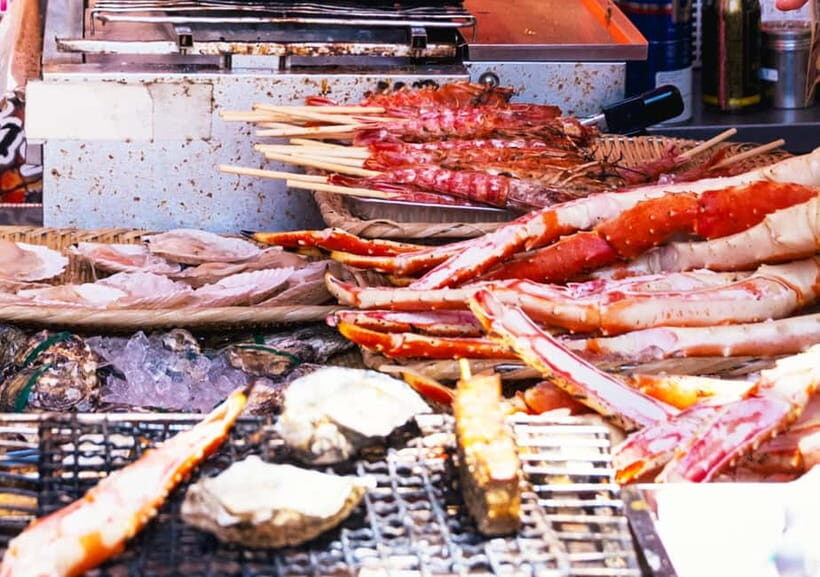
- Meat and seafood you can’t easily rank on your own: tuna, wagyu, and classic street options get explained as you eat
- Umami logic, not just hype: preservation techniques come up so flavors feel less mysterious
- Guides who keep lines and chaos under control: many guides help you reach the best vendors efficiently
- Holiday closures matter: expect fewer open stalls on specific days, and adjust your expectations
Tsukiji Hongwanji Temple Sets the Tone Before You Eat
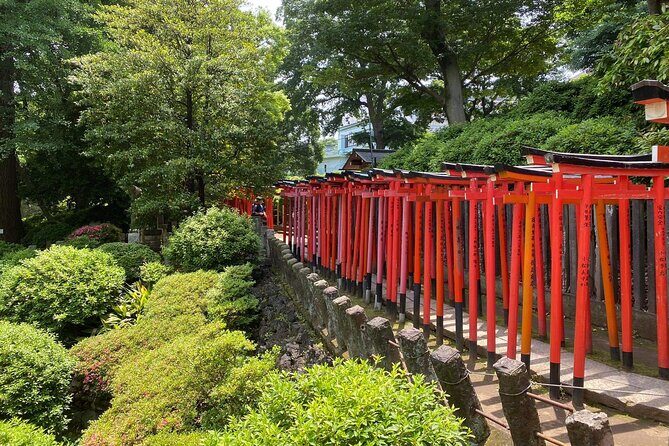
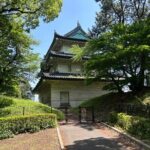
Most Tokyo food tours start in the busiest place possible. This one starts at Tsukiji Hongwanji (Hongan-ji) Temple, and that’s a smart move. The temple stop gives you a quick cultural foundation, including the idea of purification before entering, so the market doesn’t just feel like a food fair.
The architecture and quiet interior also function as a reset. After a short walk and a few minutes to look around, you’re ready for the sensory overload outside.
One practical note: your meeting point can vary by option, but it’s all in the same Tsukiji area. The coordinates provided are 35.66661467955698, 139.77199430835137, so it’s worth using that to orient yourself if signage is hard to spot.
You can also read our reviews of more walking tours in Tokyo

The Two-Hour Format: Enough Food, Not Too Much Fuss
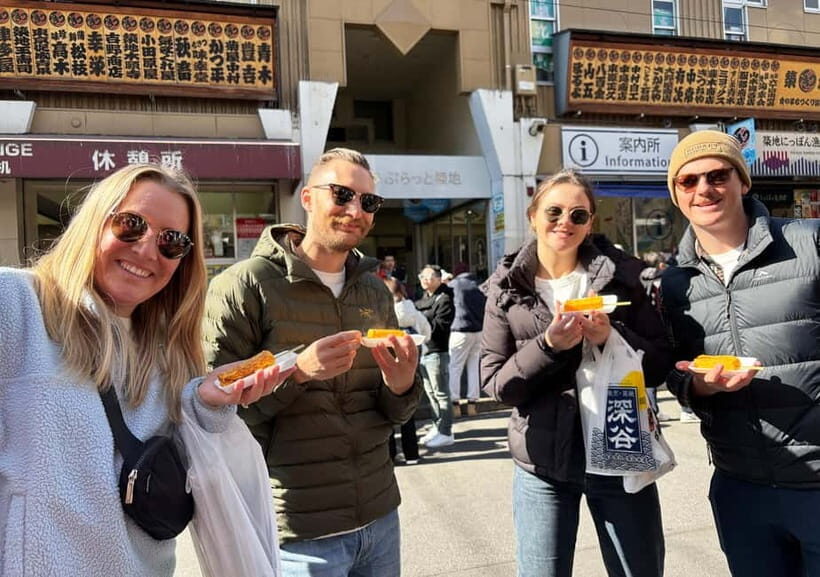
A 2-hour walking tour sounds short, until you realize the goal is focus. You’re not trying to see every stall. You’re trying to eat meaningful bites, understand what you’re tasting, and get a feel for how locals shop and order.
This format also helps with pacing. You’ll be moving through the outer market in a guided flow, then you’ll get time for tastings during the main market portion and a little extra guidance before the tour ends. For food lovers, it’s the sweet spot: long enough to sample real variety, short enough that you’re not exhausted before dessert.
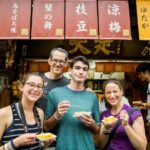
Small group also matters here. Many reviews point out how the experience feels intimate and easy to manage—less waiting, better attention, and more back-and-forth when you ask questions.
Outer Market Street Food: Tuna, Wagyu, Eel, and More
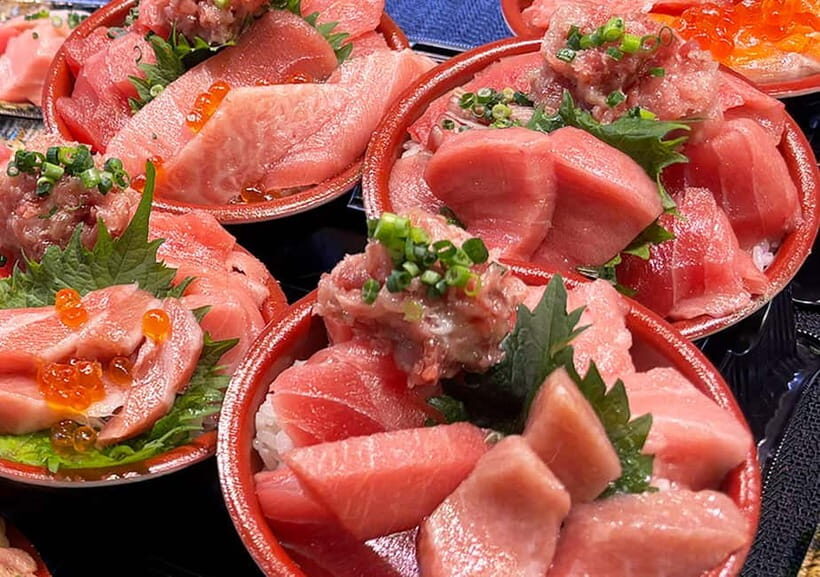
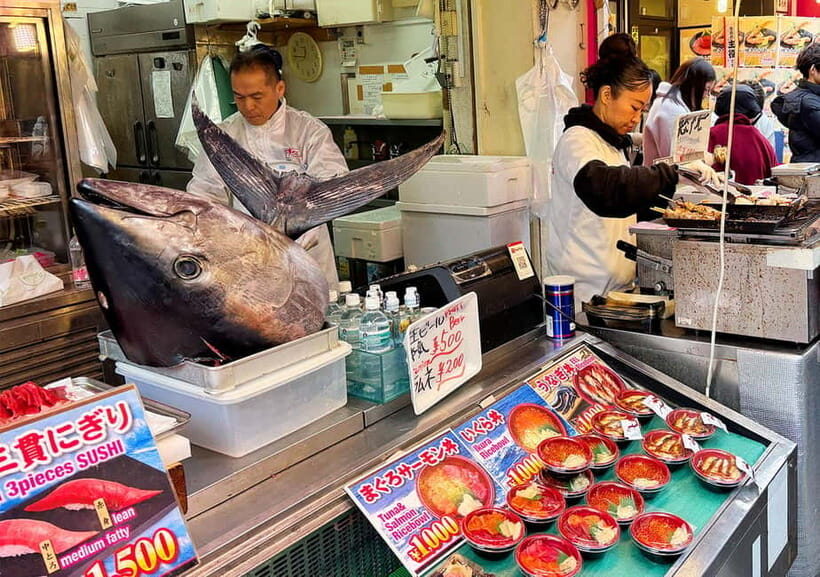
The outer market is where the tour earns its keep. Instead of sending you wandering with a loose list, your guide helps you hit the kinds of vendors that make Tsukiji famous in the first place.
Expect a mix of:
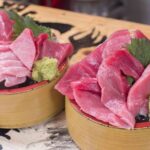
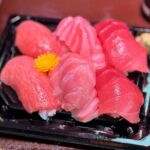
- Fresh seafood tastings, including tuna in common forms like sushi or related bites
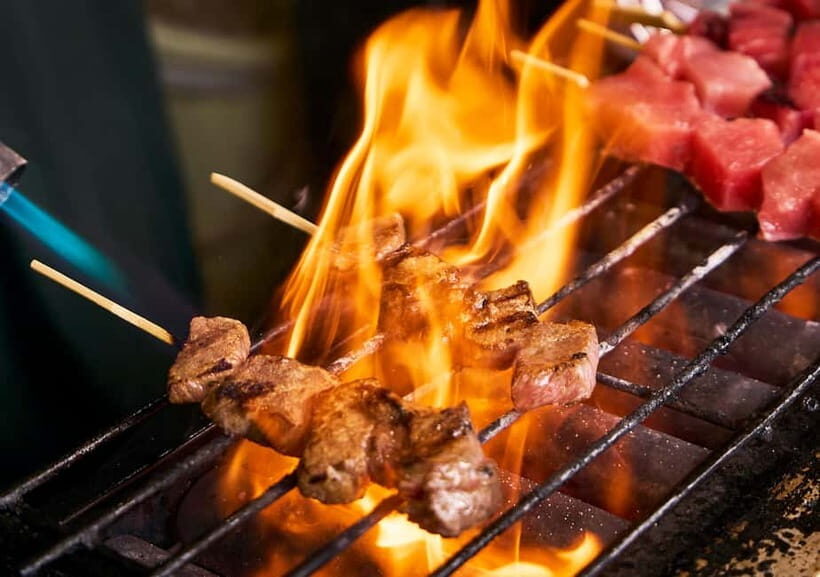
- Wagyu tastings (often as skewers or grilled preparations)
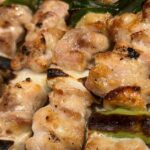
- Classic street foods that can include items like eel, grilled scallops, and hot skewers
- Other quick comfort foods you can grab and eat while walking
From the guide-led experience, one theme shows up again and again: you don’t just get food—you get context. Guides like Kawa, George, Mao, and Kenny are repeatedly described as steering people toward great choices and helping them feel confident ordering.
If you’re wondering whether you’ll leave full: yes. Multiple comments mention eating a lot during the 2 hours, ending up properly stuffed.
A quick drawback to know up front
Because this is street food, options depend on what’s open and available that day. On days with partial closures, you may not see every stall the tour normally would.
The Wasabi Bonus: Why That Extra Step Makes Sense
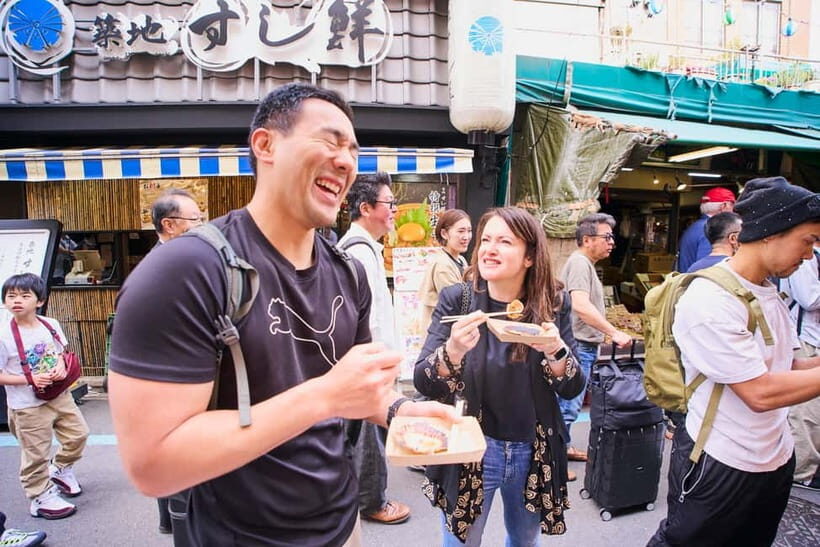
One of the most praised details is the special wasabi setup your guide provides. It’s not just a gimmick. Wasabi in Japan isn’t treated like generic green paste. The goal is freshness and a flavor that lands cleanly, then fades into the fish instead of covering it.
In practical terms, it changes how you eat:
- You taste more of the fish itself first
- Then the wasabi brightens and sharpens the bite
- You start noticing differences across tuna, wagyu, and other items you try
Even better, this kind of add-on makes the tour feel like more than a basic walk-and-sample. It’s a small step, but it supports the bigger theme of the day: Japanese flavors are built through careful handling and preparation, not luck.
You can also read our reviews of more food & drink experiences in Tokyo


Japanese Cooking Lessons You Can Use Later
This tour doesn’t just hand you food. It connects what you’re eating to how Japanese cooks think.
Two big ideas show up in the experience:
- Traditional preservation techniques that build deeper umami
- Ingredient knowledge that makes sauces, spices, and fish taste less random
You’ll hear explanations about why certain foods taste the way they do, and how preparation affects the final flavor. It’s the difference between eating something delicious and understanding why it’s delicious.
And since Tsukiji is known for culinary craftsmanship, you also get a sense for how artisans work. That’s helpful for your own Tokyo exploring later, because you’ll start recognizing cooking styles and ingredient categories as you walk around.
How Guides Like Kenny, Mao, Kawa, and George Improve the Value
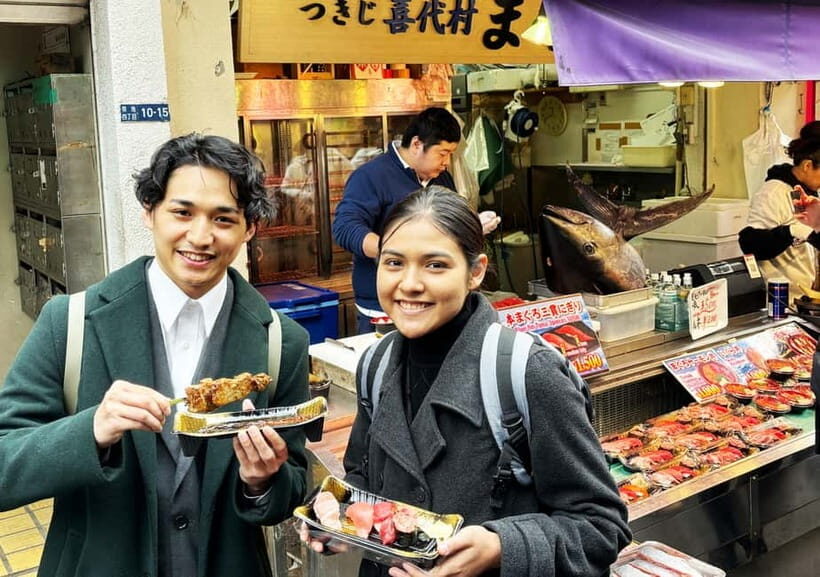
At $22 for a 2-hour experience, value is everything. You’re not paying for a fancy meal. You’re paying for two things that are hard to replicate on your own during a busy market visit: direction and cultural translation.
The guide does practical work:
- Choosing good stalls for quality and variety
- Helping you avoid wasting time in the wrong lines
- Explaining ingredients while you’re actually eating them
Many comments specifically credit guides such as Kenny, Mao, Kawa, and George with making the experience feel smooth and insider-like. Several also mention English clarity and a friendly approach that makes it easier to ask questions.
This is where the “street food tour” concept becomes useful. If you show up cold, you might eat well, but you’ll likely miss why something is worth your money. With a guide, your tastings feel intentional.
Day-of-Week Closures: What Happens When Half the Shops Are Closed
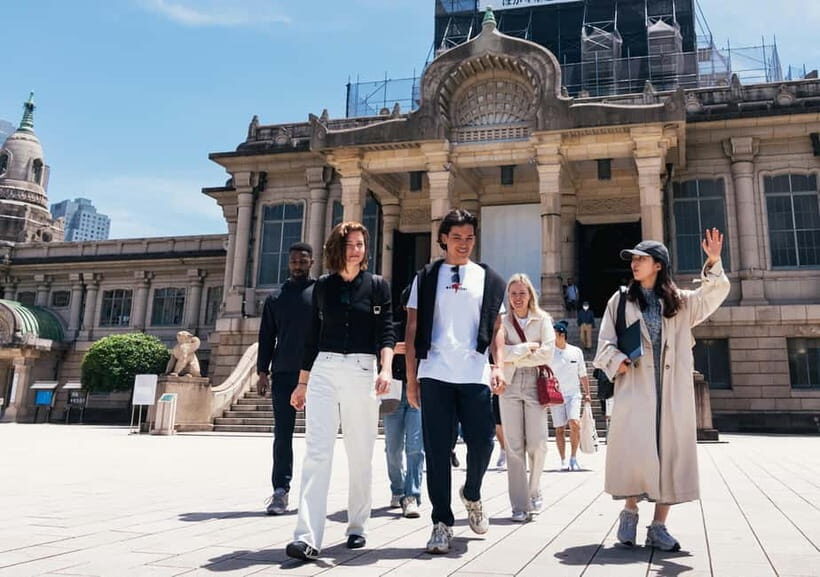
Tsukiji has rhythms. On Wednesdays, Sundays, and national holidays, about half of the outer market shops may be closed. The tour can still happen, but the mix of vendors and tastings can change.
So here’s the practical advice:
If your goal is maximum stall variety, try to book on a day when more shops are open. If your schedule only allows a closure day, don’t cancel automatically—just accept that your tasting lineup may be different.
Your guide can still lead you through what’s available. The best mindset is flexibility. You’ll still get the temple start, the guided market walk, and the cultural ingredient insights—you just won’t get the same full spread of stalls.
Cash and Comfort Tips That Save Your Day
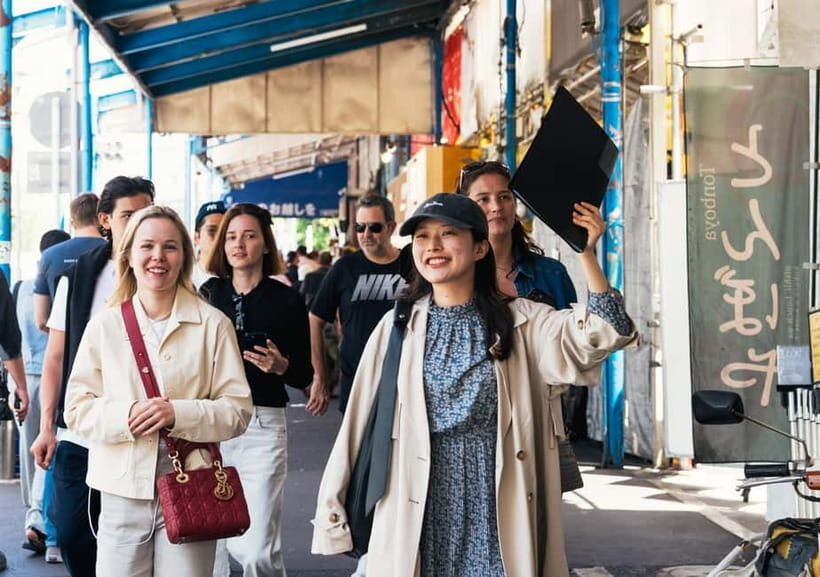
This tour is straightforward, but there are two small items you should prep.
Bring cash
Cash is listed as what you need. In a market environment, that’s not optional. Plan to carry small bills so you can handle tastings without delay.
Wear walking shoes
It’s a walking tour inside a market area. Even if you’re not going far, you’ll spend real time on your feet, moving between stalls and temple-to-market streets.
Expect heat and crowds
On some days, it can get hot, and you may appreciate that guides pay attention to things like shade. One common theme from comments is that guides actively help make the walk more comfortable.
Wheelchair Accessibility and Group Style
The experience is described as wheelchair accessible, and it’s offered as a small group. That’s important in Tsukiji, where you’ll often find uneven ground and tight spaces.
Since the meeting point can vary by option, use the provided coordinates to confirm you’re in the right spot at the right time. Then let your guide handle the route once you’re together.
Price and Value: Is $22 Worth It in Tokyo?
At $22 per person for a 2-hour guided experience, the value is best understood by what you’re buying:
- You’re buying selection help. Market food is easy to misread if you don’t know what to look for.
- You’re buying context. The umami and preservation explanations make the tastings feel meaningful, not random.
- You’re buying time savings. Several comments mention avoiding long lines and reaching good vendors efficiently.
Could you do Tsukiji on your own? Sure. But you’d have to figure out where to go, what to order, and how to judge quality quickly while everything is moving. For most people, the guide turns the market from overwhelming to manageable.
Where the math gets even better: guides add small extras like the fresh wasabi touch. Those little things are exactly what separate a guided tasting from eating wherever you happen to find an open sign.
Should You Book the Tsukiji Fish Market Street Food & Culture Tour?
I’d book this tour if you want:
- A short, focused Tsukiji visit with real food tastings
- A temple-and-market experience that connects culture to ingredients
- A guide who helps you eat confidently and efficiently
Skip it (or at least reconsider your timing) if:
- You’re only available on a day when outer market closures will likely reduce options (Wednesdays, Sundays, national holidays)
- You prefer a full DIY stroll with no structure at all
One smart way to decide: if you like the idea of learning what you’re tasting while you’re tasting it, this fits. If you just want a self-guided snack mission and don’t care about explanations, you may enjoy Tsukiji more on your own.
FAQ
FAQ
How long is the Tsukiji Fish Market Street Food & Culture walking tour?
The tour lasts 2 hours.
What does it cost?
It’s priced at $22 per person.
Where do we meet for the tour?
The meeting point may vary depending on the option booked. The provided coordinates for the area are 35.66661467955698, 139.77199430835137.
Is the tour in English?
Yes, it includes a live tour guide in English.
What should I bring?
Bring cash.
Are shops open every day in the outer market?
Not always. On Wednesdays, Sundays, and national holidays, about half of the shops in the Tsukiji Outer Market may be closed, so the experience can differ from usual.
Is the experience wheelchair accessible?
Yes, it is listed as wheelchair accessible.
Can I cancel for a full refund?
Yes. Free cancellation is available up to 24 hours in advance for a full refund.