REVIEW · KYOTO
10 Must-see Spots in Kyoto One Day Private Tour (up to 7 people)
Book on Viator →Operated by EE tour · Bookable on Viator
Kyoto can be overwhelming in one day—this tour makes it manageable. You get a private English guide who keeps the route moving and explains what you’re actually seeing at each stop, not just where to stand for photos. I like the way the day is built around high-impact sights like Fushimi Inari-taisha and the classic hill views from Kiyomizu-dera.
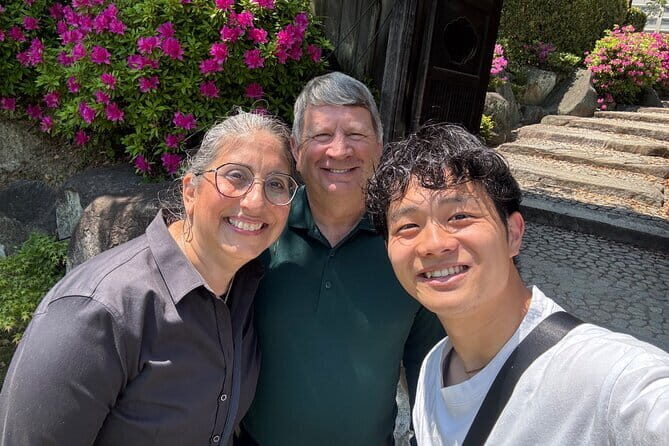
I also like the human touch: guides such as Tammy, Akemi, Kumi, Yoshi, and Hiromi are praised for pacing, patience, and making transport feel easy. One thing to plan for: this is a busy, fixed itinerary with extra costs for entrance fees, transit, and sometimes taxis, so you’ll want cash/IC card ready and shoes that can take a lot of walking.
In This Review
- Key highlights worth knowing before you go
- A 10-stop Kyoto day that trades stress for speed
- Morning start at Kitaoji Station: why the schedule matters
- Stop 1: Kinkaku-ji (Golden Pavilion) with context you won’t get alone
- Arashiyama Bamboo Grove: the classic Kyoto scene in 20 minutes
- Tenryu-ji Temple and its garden design: small time, big payoff
- Togetsu-kyo Bridge: the best view stop, kept short on purpose
- Arashiyama Kimono Forest: fun pop-art Kyoto for a fast stop
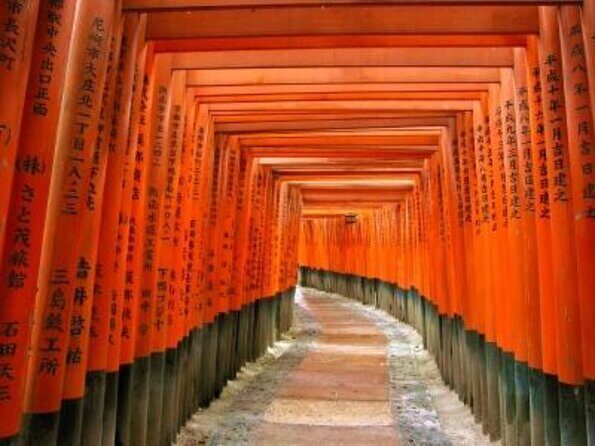
- Stop 6: Fushimi Inari-taisha and the torii-gate walk
- Stop 7: Kiyomizu-dera for the balcony views
- Sannenzaka and Ninenzaka: independent time on old-street lanes
- Yasakanoto: the five-story pagoda as a photo landmark
- Gion at the end: traditional alleys and geisha district atmosphere
- Price and logistics: the part you should budget for
- What I’d pack and plan for a smoother day
- Who this private Kyoto tour is best for
- Should you book this 10 must-see spots private tour?
- FAQ
- How long is the Kyoto private tour?
- Is the tour private, and how many people can join?
- What’s included in the price?
- Are temple or shrine entrance fees included?
- Is pickup service included?
- Where do I meet the guide, and where does the tour end?
- Do I need cash in Kyoto?
- What if it’s very hot or the weather is bad?
- What transportation costs should I expect?
- What is the cancellation window?
Key highlights worth knowing before you go
- 10 stops in about 8 hours: a full best-of Kyoto day without the guesswork
- Arashiyama highlights fast: bamboo grove + Tenryu-ji + Togetsu-kyo views
- Instagram-friendly, but quick: the Arashiyama Kimono Forest cylinders fit the schedule well
- Fushimi Inari at your pace: about an hour to work through the torii gates
- Old-street time: Sannenzaka and Ninenzaka give you shopping streets with atmosphere
- Gion finish: a focused end in the geisha district for traditional alley photos
A 10-stop Kyoto day that trades stress for speed
This one-day private Kyoto tour is built for travelers who don’t have time for multiple days of logistics. In roughly 8 hours, you’ll cover Kyoto’s biggest name sites in one line, with your guide handling navigation and timing so you’re not piecing together buses and train transfers all day.
Value is the big question with a tour like this, and it’s fair to look at the price as “time saved.” At $179.07 per person (for up to 7 people), you’re paying for a professional guide in English plus an efficient route that squeezes a lot into one day. You still pay extras on the ground—mainly temple admissions and transit—but the guide effort is what prevents your day from turning into a frantic scavenger hunt.
The “private” part matters more than you might think. Instead of getting dumped into the same crowded tour rhythm as everyone else, your group moves together and you get short, focused visits—enough time to enjoy, not enough time to get tired of waiting.
You can also read our reviews of more private tours in Kyoto


Morning start at Kitaoji Station: why the schedule matters
You start at 9:00 am at Kitaoji Station and your tour ends in Gion near 571 Gionmachi Minamigawa. That matters because Kyoto’s top sights are spread out, and an end in Gion is a smart way to stay near the evening atmosphere without having to backtrack.
Also note the tour is described as time-tight friendly. You won’t be able to swap stops, change the itinerary, or pick a new lunch spot midstream. If you like a plan that’s efficient and predictable, this works well.
One practical detail I’d take seriously: temples and taxis don’t always take cards. Have a Japanese yen buffer and/or an IC card so you’re not stuck when cash-only moments show up.
Stop 1: Kinkaku-ji (Golden Pavilion) with context you won’t get alone
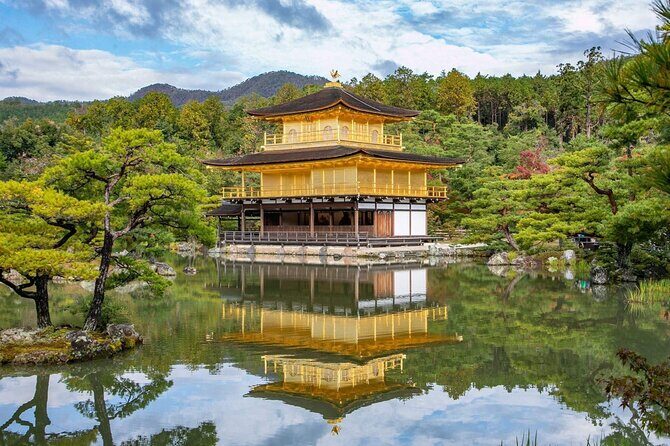
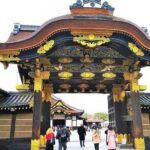
You’ll kick off at Kinkaku-ji, where the famous golden pavilion catches the light and pulls your attention immediately. The time here is about 40 minutes, long enough to take photos from a few angles and read the place without rushing.
What I like most about a guided start is that it gives you context fast. You’ll hear how Kinkaku-ji links to the political center of the shogun era, so the visuals connect to history instead of staying as just a pretty landmark. Entrance is not included in the base tour price, so plan on the additional temple-fee cost.
If you’re the type who likes to understand what you’re seeing, this is a strong early win. It’s also a good first stop because it sets the tone—gold, water, symmetry—before the day shifts into gardens and neighborhoods.
Arashiyama Bamboo Grove: the classic Kyoto scene in 20 minutes
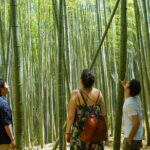
Next comes the Bamboo Forest Street, usually the Kyoto photo everyone recognizes. The visit is about 20 minutes, which is perfect for a quick walk-through and a few good shots without letting the crowds fully drain your energy.
The best tip here is mindset: don’t try to “complete” the grove as an endless hike. Treat it like a short visual reset—look up, notice light moving through the stalks, then move on before your time budget gets eaten.
This stop is free, which is great for pacing. You’ll also feel how the day’s route starts to shift from monumental monuments into nature and scenic viewpoints.
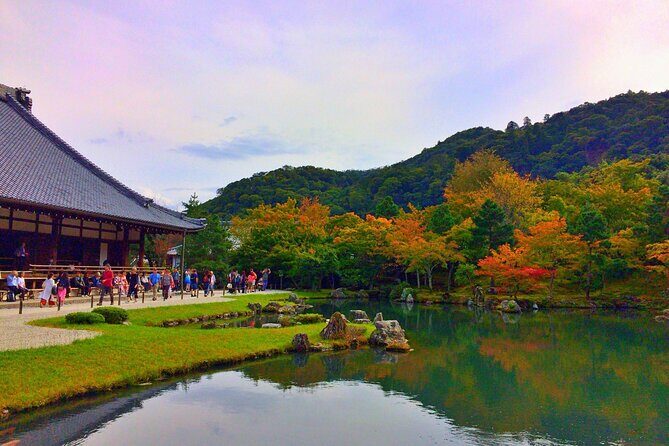
Tenryu-ji Temple and its garden design: small time, big payoff
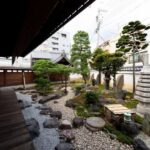
Your third major stop is Tenryu-ji Temple, with about 30 minutes on the ground. This is known for its traditional landscaped garden and a pond garden connected to one of Japan’s notable gardeners.
Even in half an hour, your guide can point you toward what to look for—how the garden is composed, what perspectives matter, and why the pond area draws attention. Entrance is not included, so again, you’re paying for access and then using your time efficiently inside.
This is one of the best value moments in the day because it gives you a “Kyoto feels like Kyoto” experience—quiet, planned, and aesthetic—without needing a full afternoon. If you’re worried you’ll spend too much time at photo spots and not enough time understanding Kyoto, Tenryu-ji helps balance that out.
A few more Kyoto tours and experiences worth a look


Togetsu-kyo Bridge: the best view stop, kept short on purpose
At Togetsu-kyo Bridge, you get around 10 minutes. It’s a representative Arashiyama scene, and the goal is straightforward: get your photo and take in the view before the route moves again.
This is also where I like the structure of the tour. It doesn’t pretend this is a long museum visit. It’s a quick viewpoint check—do it once properly, then keep going.
Everything here is free, so your money goes toward admissions at the stops that truly require tickets.
Arashiyama Kimono Forest: fun pop-art Kyoto for a fast stop
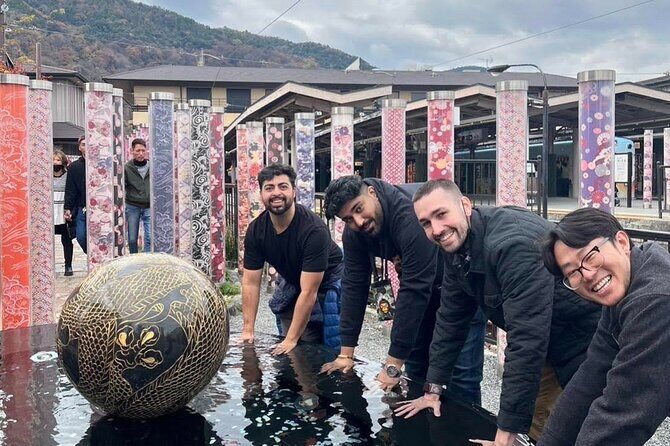
Then you’ll hit the Arashiyama Kimono Forest Kyoto, an art installation made of 600 cylinder pieces decorated with kimono designs. The visit is only 10 minutes, and that’s exactly right—this is a short “wow” moment that fits a tight schedule.
If you’re a photo person, this is one of the easiest wins. If you’re not, it still works because it’s not asking for long attention spans. The good news is it’s free, so it doesn’t add ticket stress.
The only consideration is expectations. Don’t treat it like a temple or shrine. It’s an art stop, made for visual impact.
Stop 6: Fushimi Inari-taisha and the torii-gate walk
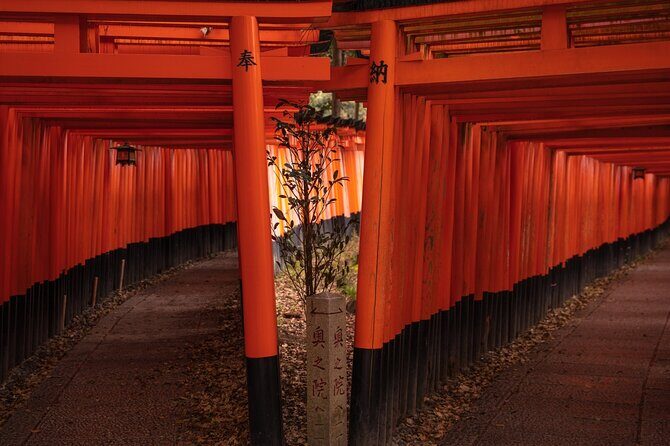
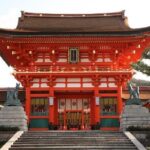
At Fushimi Inari-taisha, you’ll spend about 1 hour. This is one of Kyoto’s most famous attractions today, and you’ll pass through the iconic thousand torii gates—a walk that feels different depending on where you choose to go.
What I like here is the guide pacing. Fushimi Inari can be overwhelming if you don’t know how to move through it. With a guided plan and a full hour, you can slow down, take photos, and still keep momentum.
This stop is free, which is a big plus because it lets you focus your paid time on the paid temples. The torii walk is also where your route feels most like a “Kyoto postcard,” but with enough time to make it your own.
Stop 7: Kiyomizu-dera for the balcony views
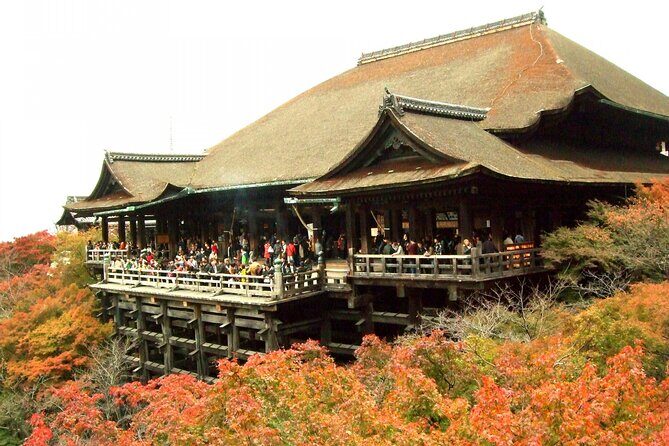
Your next major cultural hit is Kiyomizu-dera, with about 1 hour. This is a World Heritage site and it’s famous for its wide balcony, where the views can feel dramatic even on a busy day.
Entrance is not included, and you’ll also face the practical reality that this area can be crowded. This is exactly where the private format helps—your group isn’t fighting for space with a huge tour bus wave at every step.
Spend your first few minutes getting your bearings, then aim to visit the balcony area when your timing works. Photos are the obvious reason to come, but I’d also treat this as your “Kyoto history and beliefs” checkpoint. Your guide should connect the site to why it matters, not just what it looks like.
Sannenzaka and Ninenzaka: independent time on old-street lanes
After Kiyomizu-dera, you’ll get about 1 hour to explore Sannenzaka and Ninenzaka on your own. These lanes are lined with traditional wooden buildings and they’re packed with small shops.
This is one of the best parts of the itinerary because it gives you breathing room after structured stops. If you want souvenirs, snack breaks, or just a slow walk with fewer “time pressure” moments, this is your window.
The route here keeps the experience grounded and local—Kyoto isn’t only temples and gates. These lanes are part of daily-life atmosphere, even if they’re tourist-friendly.
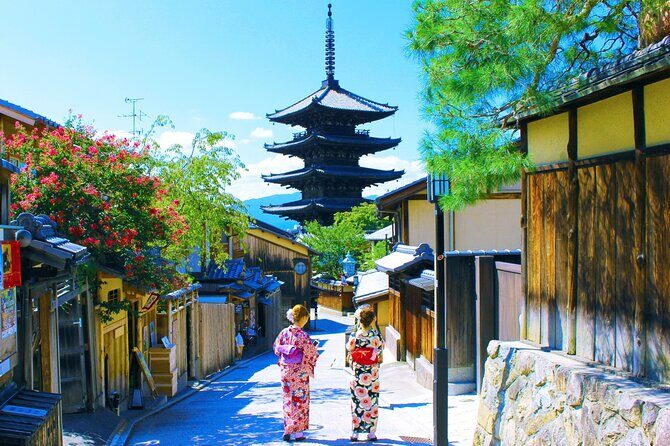
Yasakanoto: the five-story pagoda as a photo landmark
You’ll stop near Yasaka-no-to (the five-story pagoda) for about 5 minutes. The tour notes that it’s a landmark and that you mainly look at it from outside.
This is another example of the tour’s realistic pacing. They’re not trying to turn this into a long worship session. It’s a quick visual marker in the route, and it helps link one neighborhood feel to the next.
If you’re photographing, take a moment to frame it cleanly and then move on—your next stop will be where the evening energy shows up.
Gion at the end: traditional alleys and geisha district atmosphere
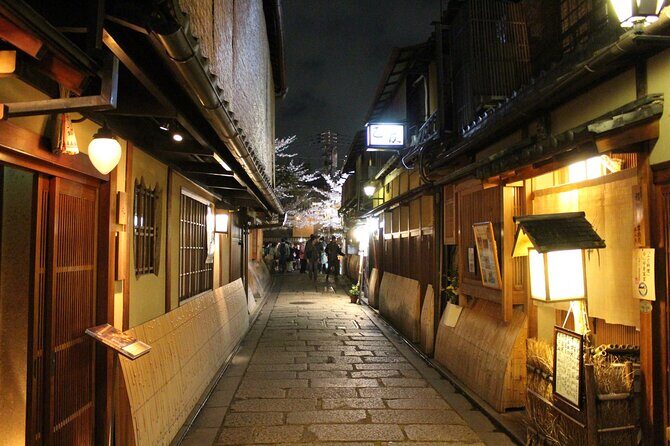
Your final stop is Gion, with about 20 minutes to walk through the traditional alley network. This is the geisha district, and you may see maiko or geiko depending on timing and conditions.
It’s important to keep expectations practical. You’re there for atmosphere and alley photos, not a guaranteed performance. The value is that you’re ending right where Kyoto’s evening vibe starts to feel real—so you can continue wandering after the tour ends.
Gion is free, and your guide’s last job is usually helpful: they’ll explain how to get to your next spot after you finish. Ending here saves your evening energy.
Price and logistics: the part you should budget for
The base rate is $179.07 per person, and that includes an English-speaking professional guide. Infants under 3 are free, and you can book for up to 7 people, which is where the private format can start to feel like decent value if you split the cost across a group.
But the “not included” list matters. You should plan for:
- Entrance fees: listed as ¥1,500 per person for temples
- Public transportation: listed as ¥1,000 per person
- Taxis: listed as ¥7,000–¥9,000 per cab for all rides, and if you’re 4+ people, you need two cabs (noted as ¥8,000 per booking)
Also keep in mind a common Kyoto friction point: many temples and taxis don’t accept credit cards. Bring yen or a usable IC card, even if you also carry a card.
Finally, remember that this is a tour designed to “do a lot in one day.” Some reviews mention heavy walking—around 20,000 steps—so the guide schedule makes sense, but your body needs to cooperate. Comfortable shoes aren’t optional here; they’re part of the plan.
What I’d pack and plan for a smoother day
Wear shoes you can walk in for hours. You’re bouncing between nature paths, shrine stairs, and old-street slopes.
Bring something for weather too. The tour explicitly says it works best with good weather, and they offer a change if conditions are rough. On very hot days, they recommend a Plan B course with fewer steps, shifting to Chishakuin Temple (described as an indoor temple) and Sanjusangendo Temple (famous for a forest of Buddhist statues).
If you like photos, pack accordingly: you’ll have multiple photo-friendly moments, including Fushimi Inari and Togetsu-kyo Bridge, plus alley shots in Gion. A compact rain layer or sun protection can save your mood.
Who this private Kyoto tour is best for
This tour is a smart fit if you:
- Have only one day in Kyoto and want a fast, organized hit list
- Prefer a private experience over crowded group tours
- Want an English guide to explain connections between sites and Japanese history
- Like photo landmarks but also want cultural context (Kinkaku-ji, Tenryu-ji, Kiyomizu-dera)
It’s also a good choice for families and mixed-age groups, because the stops are time-bounded and the guide helps keep movement simple.
If you’re the type who wants slow travel, long meals, and no rigid stop sequence, this may feel intense. The route is locked in, lunch changes aren’t part of the deal, and your day will be packed.
One extra note: it’s described as restricted to cruise ship guests who can reach Kyoto Station independently. If you’re coming from a cruise, plan your day so you can comfortably get yourself to where the tour expects you to be.
Should you book this 10 must-see spots private tour?
If your goal is maximum Kyoto in one day with minimal stress, I think this is an easy yes. You’re paying for direction, timing, and English explanations, and the route hits the big names plus a few visually fun stops like Kimono Forest.
I’d book it if you can handle the walking and you’re ready for the real-world add-ons: temple admissions, transit costs, and potential taxi rides, plus cash/IC readiness. If you’re on a strict budget or you hate fixed schedules, you may prefer a slower, self-guided plan with fewer stops.
If you do book, here’s my best practical advice: set your expectations as a “great highlights day,” not a deep-study day. Use Sannenzaka and Ninenzaka for personal time, treat Fushimi Inari and Kiyomizu-dera as your main emotional anchors, and end strong in Gion where the atmosphere carries you into the evening.
FAQ
How long is the Kyoto private tour?
It runs for about 8 hours (approx.).
Is the tour private, and how many people can join?
Yes, it’s private for your group only, with a maximum of up to 7 people.
What’s included in the price?
The tour includes an English-speaking professional guide. Infants under 3 years old are free of charge. A mobile ticket is also included.
Are temple or shrine entrance fees included?
No. Entrance fees are listed as ¥1,500 per person for temples (not included). Some stops in the itinerary are listed as free, but key temple visits are not included.
Is pickup service included?
No. Pick up service is not included.
Where do I meet the guide, and where does the tour end?
You start at Kitaoji Station at 9:00 am and end in the Gion area at 571 Gionmachi Minamigawa, Higashiyama Ward.
Do I need cash in Kyoto?
Yes, plan for it. The tour notes that many temples and taxis do not accept credit cards, so have Japanese yen ready. It also suggests using an IC card for convenience.
What if it’s very hot or the weather is bad?
The experience requires good weather. On very hot summer days, there’s a recommended Plan B course with fewer steps, including Chishakuin Temple and Sanjusangendo Temple.
What transportation costs should I expect?
Public transportation is listed as ¥1,000 per person (not included). Taxi costs are also listed, and if you have 4 or more people, you need two cabs.
What is the cancellation window?
You can cancel for a full refund if you cancel at least 24 hours before the experience start time.