REVIEW · NAGANO
Private Nagano 1-Day Tour:Snow Monkeys,Zenko-ji,Obuse,Sake,Onsen
Book on Viator →Operated by Japan Awaits · Bookable on Viator
Hot-spring monkeys, temple vibes, and onsen time. This private Nagano day tour strings together Jigokudani Snow Monkey Park and the famous Zenko-ji area, plus Obuse and a soak at Shibu Onsen—so you get a full taste of the region without playing transit roulette. I also like the private guide setup, because you’re not stuck in a one-size-fits-all schedule.
My other big win is the Obuse stop: you can turn it into a calm break with sake tasting and a short wander, then pair it with art at the Hokusai Museum. The only real catch is timing and cost reality—entrance fees and onsen fees aren’t included, and snow monkey bathing is never 100% guaranteed (especially outside peak winter).
In This Review
- Key points before you go
- A one-day sampler of Nagano: monkeys, temples, and hot spring time
- Price and what you actually get for $337.61 per person
- Getting there: Nagano Station start and pickup limits in Central Nagano
- Stop 1: Jigokudani Snow Monkey Park and the real meaning of wild monkeys
- What you might see (and why it’s not guaranteed)
- A guide’s help makes photos easier
- Stop 2: Zenko-ji Temple and why Nagano grew around it
- What I like about the way this tour uses Zenko-ji
- Obuse town: lunch break, sake tasting, and an easy pace
- A practical note on onsen vs sake
- Hokusai Museum: art time without turning the day into a lecture
- Shibu Onsen soak: the recovery chapter at the end of a full day
- The guide difference: pacing, photo timing, and calm logistics
- Pacing matters in Jigokudani
- Season reality check: when snow monkeys bathe and when they don’t
- Who should book this tour (and who might want something else)
- Small logistics that can make or break your day
- Should you book this private Nagano 1-day tour?
- FAQ
- What time does the tour start, and where do we meet?
- Is this a private tour?
- How long is the tour?
- What’s included in the price?
- What isn’t included?
- Do I need a passport?
- Can children join this tour?
- What if I travel in warmer months and the monkeys don’t bathe?
- Can I cancel or change the booking?
Key points before you go
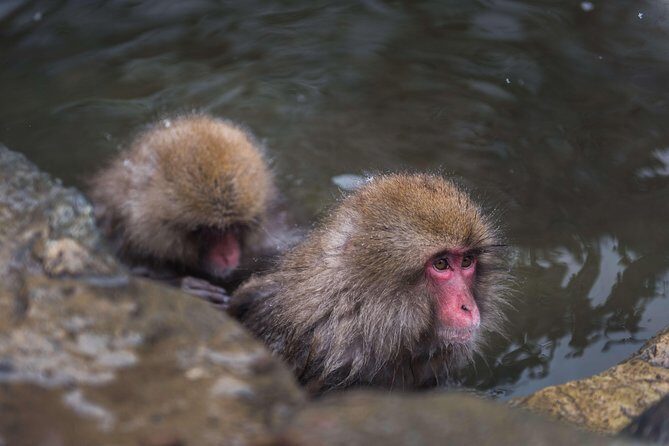
- Wild monkey viewing at Jigokudani with a natural hot-spring setting that can be icy in colder months
- A private guide who can adjust on the fly, including pacing for photos and walking comfort
- Zenko-ji + Obuse as a strong one-two punch of religious heritage and everyday small-town Japan
- Sake focus in Obuse (plus lunch is on you, so you can choose what fits)
- Shibu Onsen soak option to end the day with an easy reset
A one-day sampler of Nagano: monkeys, temples, and hot spring time
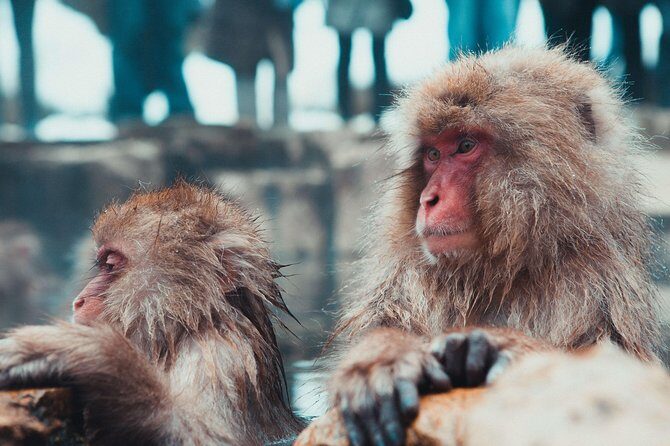
This is the kind of day trip that makes sense when you either (1) don’t have many days in Nagano, or (2) you just want the highlights without a half-day of planning. You’ll start at Nagano Station in the morning and spend roughly eight hours moving through the best-known sights: wild monkeys, a major temple, and classic Nagano stops in between.
The emotional payoff here is simple. Jigokudani gives you an animal experience that feels close to real life, not a staged show. Zenko-ji and Obuse, by contrast, slow you down and give you culture you can actually feel in your feet—quiet streets, temple atmosphere, and the local rhythm of a town built around crafts and food.
And yes, you also get the practical side: you’re not charting bus routes or timing trains while carrying camera gear. The guide handles the route logic, and you get to show up, walk, and enjoy.
You can also read our reviews of more food & drink experiences in Nagano
Price and what you actually get for $337.61 per person
At $337.61 per person, this isn’t a budget tour. But it’s also not “pay for air” pricing. You’re paying for a private guide, scheduled transport inside Nagano, and a full-day structure that would be annoying to replicate on your own with confidence.
Here’s where the value shows up for most people:
- You’re grouped only with your own party, so you can move at a sane pace.
- You get help making decisions in real time—where to spend extra minutes, when to take photos, and how to avoid stress at each stop.
- The tour is built around efficient sequencing: monkeys first, then Zenko-ji, then Obuse, then art, then onsen time.
What can make the price sting is what’s not included. Entrance tickets for Zenko-ji and Jigokudani are separate, and food/drinks are on you. The onsen fee at Shibu Onsen may also be extra. If you want to buy lots of snacks or do extra stops beyond the core plan, that will add up.
Still, if you care about not wasting half your day in logistics, this price can feel fair.
Getting there: Nagano Station start and pickup limits in Central Nagano
Your start time is 8:45 am, and the meeting point is Nagano Station Kurita. If you’re staying in central Nagano with a qualifying hotel, you can get pickup and drop-off, which makes the morning easier.
A few details matter:
- Pickup is only for selected hotels within Central Nagano.
- If you choose a private-vehicle option, the driver can pick you up from hotels within a 10 km radius of Nagano Station.
- There’s also a public-transport option, but it’s structured around visiting two attractions within Nagano City. With the private vehicle option, you can cover three attractions within Nagano City.
In plain terms: if you want maximum smoothness and less transit juggling, the private vehicle option tends to fit better.
One more timing note: the guide waits for you for up to 30 minutes after the start time before the tour is canceled. That’s not meant to punish you, just to keep the schedule functional for everyone else on the day.
Stop 1: Jigokudani Snow Monkey Park and the real meaning of wild monkeys
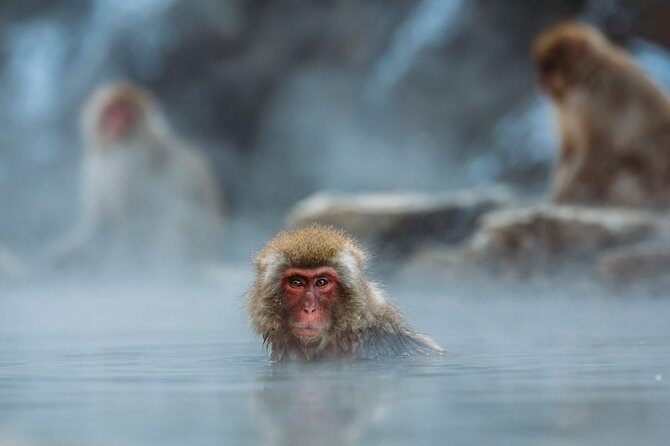
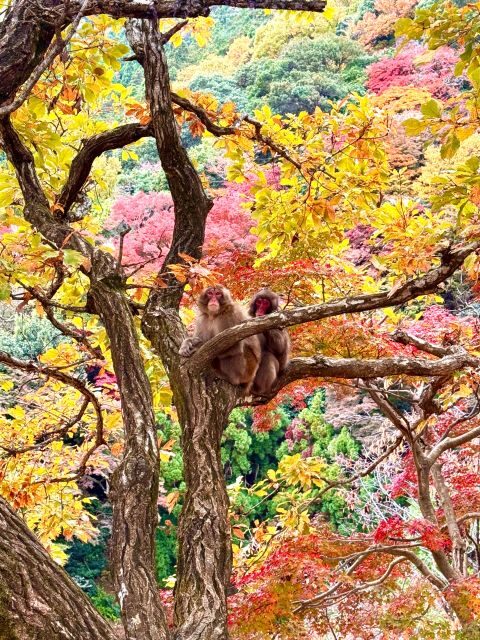
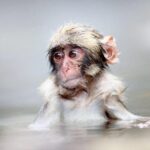
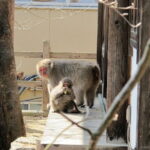
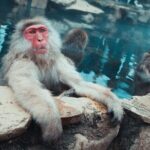
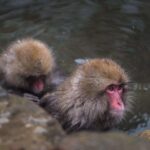
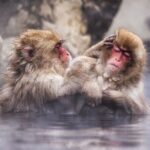
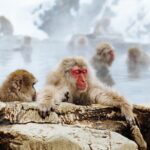
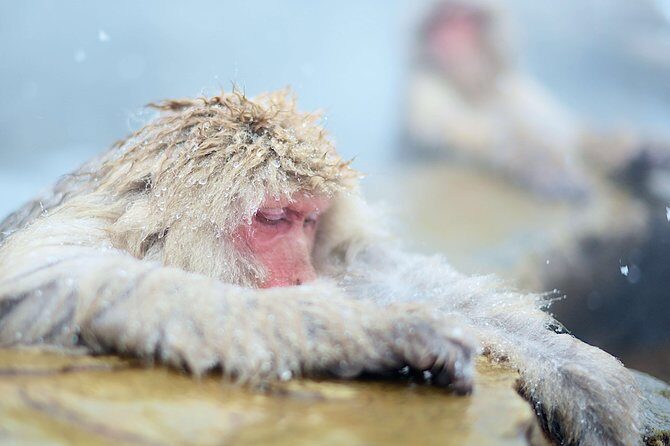
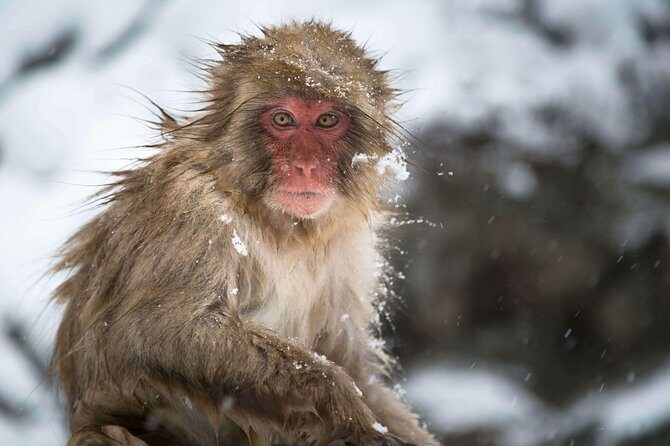
Jigokudani is the headliner for a reason. You’re visiting the park known for Japanese macaques bathing in a natural hot spring. The unique part isn’t just that monkeys exist there—it’s the setting, where the animals’ behavior becomes the show.
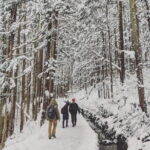
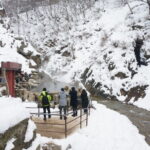
Expect a short session on the park grounds (about two hours), and plan for walking that can be slippery. One recurring practical point from the experience is winter caution: when some people visited in March, the hike could be icy, so traction and steady steps really matter.
What you might see (and why it’s not guaranteed)
This is a wildlife place. Even on the best day, it’s not a theme park with a guaranteed schedule.
The seasonal warning is important:
- In warmer seasons, snow starts to melt in March, and the monkeys may not bathe as often as in winter.
- You may still see monkeys swim, and when the sun is out they often move around more.
- On some days, monkeys just don’t feel like entering the bath, even though you’re doing everything right.
The good news: the park still offers plenty to watch. When the monkeys aren’t bathing, you may see grooming and other behavior as the staff feeds them.
You can also read our reviews of more private tours in Nagano
A guide’s help makes photos easier
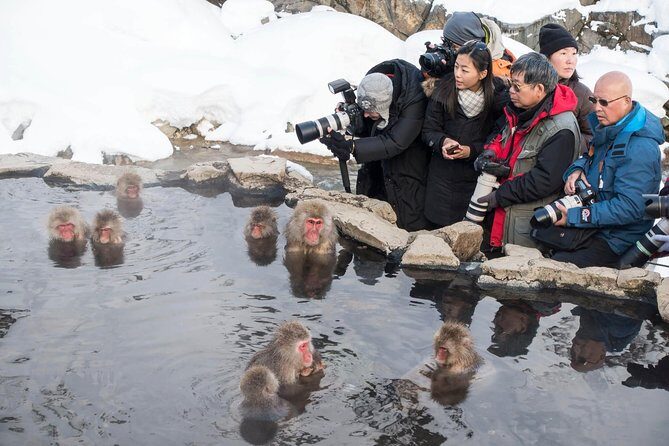
A lot of the best moments come from positioning and timing. Multiple guides in this program have been praised for making monkey viewing smoother—helping with photo timing and pacing so you can linger without falling behind.
So if your main dream is “close-up monkey bath photos,” bring patience. Also bring warm layers even if the day looks mild at Nagano Station.
Stop 2: Zenko-ji Temple and why Nagano grew around it
After Jigokudani, the tone changes. You move from animal hot-spring viewing into a major temple site.
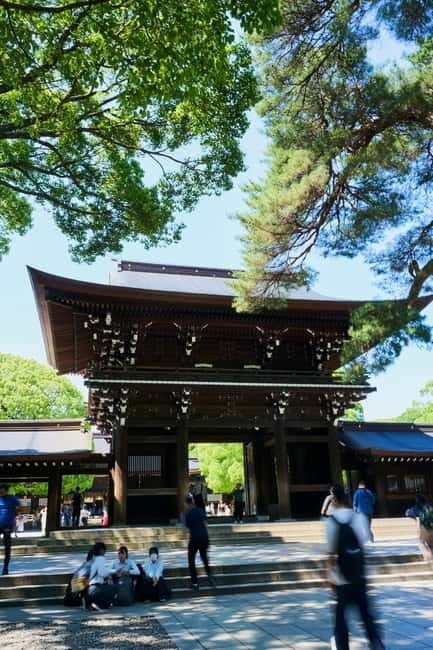
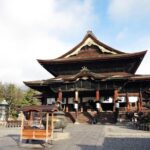
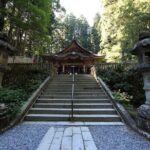
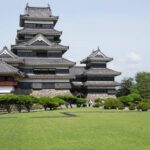
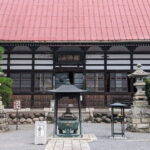
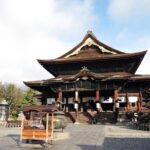
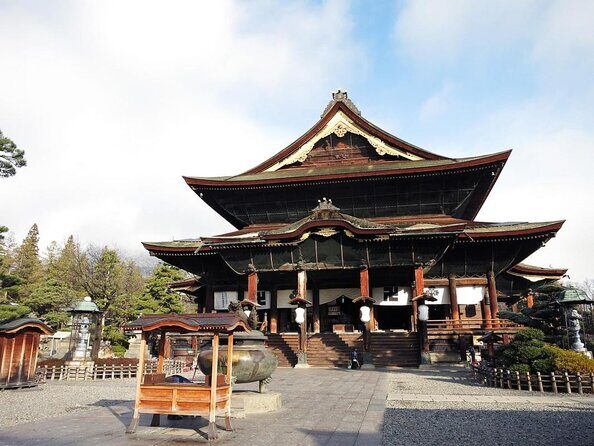
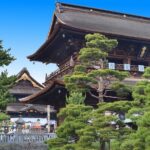
Zenko-ji is a Buddhist temple in Nagano, built in the 7th century. The modern city of Nagano began as a town built around this temple, which gives the visit extra meaning. You’re not just dropping into a pretty building—you’re stepping into the origin point of the city’s story.
Plan for about one hour here. Entrance fees are not included, so expect to pay separately.
What I like about the way this tour uses Zenko-ji
This day trip doesn’t rush you through Zenko-ji and then vanish. The route keeps the day balanced: you’ve already done the high-energy monkey stop, so Zenko-ji feels like a reset, not another sprint.
Also, a good guide can help you notice what matters on the grounds, instead of treating it like a checklist photo stop. Guides with names like Hori, Mutsumi, Emi, and Fumiko have been mentioned for explaining what each place means, and you’ll feel that difference when you’re standing there.
Obuse town: lunch break, sake tasting, and an easy pace
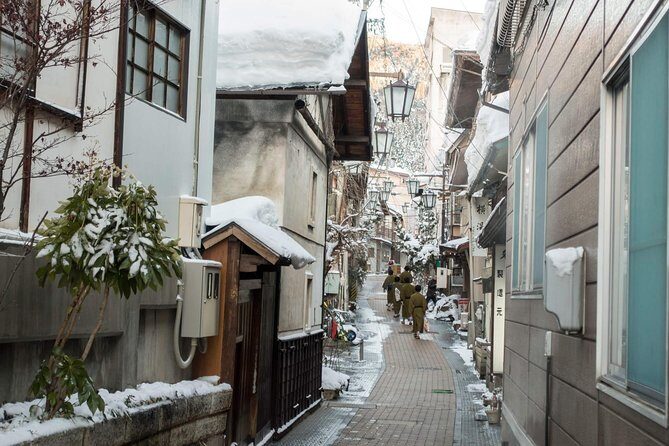
Next comes Obuse, a small historic town in Nagano. This is where the day becomes human-sized again. You get about two hours here, which is enough time to wander, shop a little, and fit in either hot spring time or a sake experience—depending on how you choose to spend the block.
Lunch is your expense, which is actually useful. You can pick something casual that matches what you like: noodle stops, local set meals, or whatever sounds best after a snowy-mountain morning.
Obuse is also a strong place to slow down for one simple reason: you don’t need to keep moving to justify the time. You can just walk, take in the quiet streets, and let the day breathe.
In several experiences, Obuse has been paired with sake tasting. Some guides have also been praised for making Obuse feel like a local experience instead of a forced stop.
A practical note on onsen vs sake
This tour plan mentions the option of enjoying onsen or a sake experience in Obuse, and it also includes a hot-spring soak at Shibu Onsen later in the day. You’ll want to think about what you want most:
- If you want the warm water feeling twice, choose onsen early and save Shibu Onsen for the finale.
- If you’d rather taste and learn, go for sake in Obuse and keep Shibu Onsen as the relaxation ending.
Either way, don’t overpack your schedule. You’re already walking at Jigokudani.
Hokusai Museum: art time without turning the day into a lecture
After Obuse, you’ll visit the Hokusai Museum (about one hour). Admission isn’t included, but the stop is described as a must-visit for fans of the artist Hokusai.
This is a smart pivot for a one-day itinerary. You finish your culture-and-town time with something visual that can be done at a comfortable indoor pace. If your morning was cold or wet, the museum can feel like a warm reset.
Even if you’re not an art expert, Hokusai is one of those artists that benefits from having a little context while you walk through.
Shibu Onsen soak: the recovery chapter at the end of a full day
The tour overview includes a chance to choose a soak at Shibu Onsen. That’s your payoff moment—warm water after walking, photos, and a few hours of sensory overload.
As with any onsen plan, the big practical point is cost clarity: the onsen fee isn’t included if applicable. So if you’re budgeting, set aside cash or make sure you’re able to pay onsite.
Also, plan for timing. A soak works best when you don’t feel rushed. This tour is built to get you there as part of a full route, not as an optional late detour you might miss.
And because it’s the end of the day, the atmosphere tends to feel extra good. You’ll likely leave with fewer sore legs and a calmer head.
The guide difference: pacing, photo timing, and calm logistics
One of the most consistently praised parts is the guide. People have been impressed by guides adjusting the day based on the group’s interests, helping with photo opportunities, and making the schedule feel like it belongs to your party, not a timetable that expects you to keep up.
Names that have come up include Hiro, Horiuchi, Hori, Mutsumi, Hitomi, Toru, WeiWei, Emi, and Ilhom. While you can’t choose in advance based on this information, it’s a good clue that the operators tend to match the tour style with guides who can think on their feet.
Pacing matters in Jigokudani
In wildlife parks, you need time to react to what the animals are doing. Some experiences highlight that guides helped groups stay longer on the best moments, then kept everyone moving smoothly to the next stop.
There’s also a safety angle. In at least one story, a guide helped manage an overly aggressive monkey moment during the viewing area. That’s not something you should fear, but it’s a reason private guiding can be reassuring.
Season reality check: when snow monkeys bathe and when they don’t
If you’re planning around your ideal monkey photos, build your expectations around the season.
The tour notes this clearly:
- Snow can melt by March, and the monkeys may bathe less frequently.
- There are definitely days in warmer weather when monkeys don’t enter the bath.
- When the sun is out and it’s warmer, monkeys can be more active and move around more.
- In winter, bathing behavior is more common, but wild behavior still varies.
Here’s the practical takeaway: even in seasons when bathing is less frequent, the park is still a worthwhile visit because it’s about watching the animals in their environment. Your best strategy is to dress for the hike and treat the bathing as a bonus, not a guarantee.
Who should book this tour (and who might want something else)
This tour fits best if you want:
- A first-time Nagano day that covers major sights with minimal planning
- A private guide for people who prefer a slower pace and clearer explanations
- An animal-focused morning plus culture later
It might feel less ideal if:
- You’re trying to travel ultra-budget and hate extra entrance-ticket add-ons
- You’re very strict about seeing snow monkeys bathe every time (because it’s wildlife)
- You don’t like walking on uneven or slippery terrain
On the flip side, the ability to adjust pacing is a big plus for families. Guides in this program have been praised for adapting to the needs of kids and different comfort levels, including helping with translations through tools when needed.
Small logistics that can make or break your day
A few practical reminders based on the tour details:
- Bring comfortable walking shoes. Jigokudani in colder conditions can be tough underfoot.
- Dress for all weather. The tour operates in all weather conditions, so plan layers.
- Have passport info ready. A current valid passport is required on the day of travel.
- Keep your start time in mind. The guide waits up to 30 minutes after 8:45 am.
- The tour expects moderate physical fitness.
Also, this is a private group tour, meaning only your group participates.
Should you book this private Nagano 1-day tour?
Yes, if you want one organized day that hits Nagano’s signature experiences without forcing you into route planning. The best reason to book is the pairing: wild monkeys + Zenko-ji + Obuse + onsen in the same day, with a guide who can adjust the flow so you don’t feel herded.
Hold off or switch plans if your goal is strictly budget travel or you’re only interested in one specific snow monkey behavior. Wildlife timing is real.
If you’re on a tight schedule, this is one of the cleanest ways to make Nagano feel like a place, not just a stopover.
FAQ
What time does the tour start, and where do we meet?
The tour starts at 8:45 am at Nagano Station Kurita. It ends back at the meeting point.
Is this a private tour?
Yes. This is a private tour/activity, and only your group participates.
How long is the tour?
It’s about 8 hours (approx.).
What’s included in the price?
Included are a private tour with an English-speaking (or other available language) guide, hotel pickup and drop-off for selected hotels within Central Nagano, and transportation within Nagano City.
What isn’t included?
Food and drinks aren’t included. Entrance fees to Zenko-ji Temple and Jigokudani Snow Monkey Park are also not included. Onsen fees at Shibu Onsen are not included if applicable.
Do I need a passport?
Yes. A current valid passport is required on the day of travel.
Can children join this tour?
Yes, guests of all ages can attend, but each person needs a booking. Children must be accompanied by an adult, and adult pricing applies to guests age 12 to 99. Child pricing applies to age 6 to 11, and young child pricing applies to age 1 to 5. In this private group tour, at least one person must be 18 years or older.
What if I travel in warmer months and the monkeys don’t bathe?
That can happen. The snow starts to melt in March, and monkeys may not bathe as often as in winter. You can still visit the Snow Monkey Park, but seeing bathing isn’t guaranteed.
Can I cancel or change the booking?
This experience is non-refundable and cannot be changed for any reason. If you cancel or ask for an amendment, the amount you paid will not be refunded.