REVIEW · TOKYO
Tokyo 2-Hour Genuine Samurai Experience: Kendo in Japan
Book on Viator →Operated by SAMURAI TRIP · Bookable on Viator
Suit up and try samurai sword training in Tokyo. I love how practical the drills are from the start, and I love that you get more than fighting moves—you learn etiquette and how to carry yourself in a real dojo. The only drawback is the workout side: the gear is warm and heavy, so you’ll want to be ready for active movement.
You’ll make your own way to a dojo in northern Tokyo (Arakawa City), meet the instructor, and get fitted with Kendo equipment. Expect a small group (up to 15), about 2 hours total, and coaching in easy English from your instructor, Keshi. Bottled water and a souvenir towel are included, but there’s no food, so eat before or plan a solid meal afterward.
In This Review
- Samurai Sword Practice in Real Dojo Form, Not a Demo
- Where the Class Starts: Northern Tokyo Logistics That Actually Matter
- What Happens in the 2 Hours: A Step-by-Step Flow You Can Follow
- 1) Gear Up: Bogu, Bamboo Sword, and the Reality Check
- 2) Learning the Basics with English Coaching
- 3) Etiquette and Samurai Culture, Put to Work
- 4) Controlled Drills and Feedback
- 5) Tournament-Style Combat Game
- Entering the Dojo World: Etiquette Lessons You’ll Actually Notice
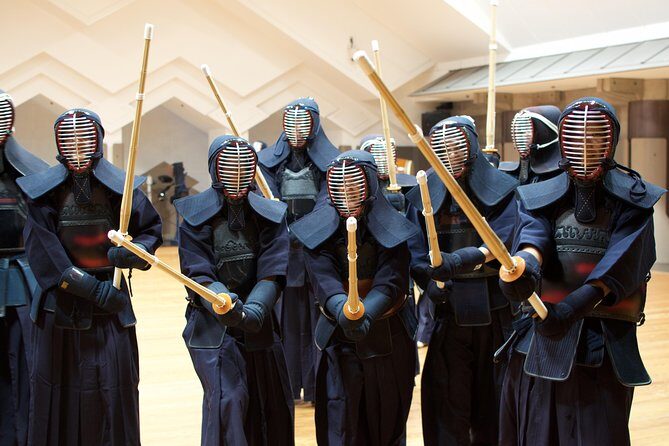
- Keikogi, Hakama, and Bogu: The Gear Experience
- The Instructor Factor: Why English Coaching Helps So Much
- Price and Value: Is $118.92 Worth Two Hours?
- Who Should Book This Tokyo Kendo Class
- Small Group Size: Why Up to 15 People Is a Big Deal
- Timing It Right: Build Your Day Around a Dojo Session
- Should You Book This Experience?
- FAQ
- What is the duration of the Tokyo Kendo experience?
- What’s included in the workshop?
- Do I need prior Kendo experience?
- What age is the minimum to join?
- Is pickup included?
- Can I cancel and get a full refund?
Samurai Sword Practice in Real Dojo Form, Not a Demo
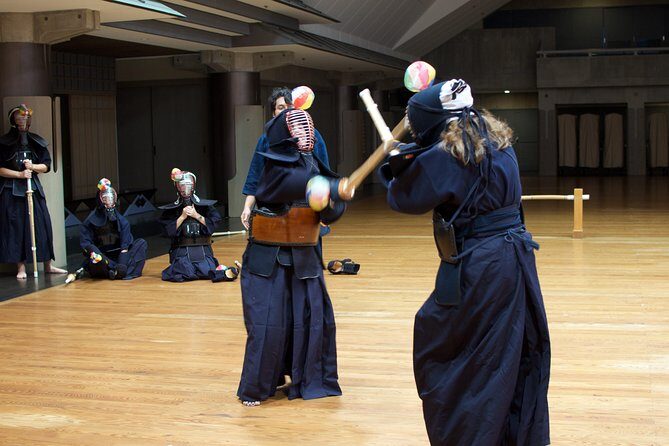
This is Kendo training with structure. You’re not just watching a performance or taking a few posed photos with a bamboo sword. You learn a set of fundamentals, you practice them with feedback, and then you test it in a tournament-style sparring game.
That balance is the reason this works as a travel activity. Kendo is tradition, but it’s also physical skill. In about 2 hours you get both sides: how the sport works and how the dojo environment runs.
I also like that the class welcomes beginners. You don’t need a martial arts background to get something out of it. You just need to listen, move, and take turns.
Where the Class Starts: Northern Tokyo Logistics That Actually Matter
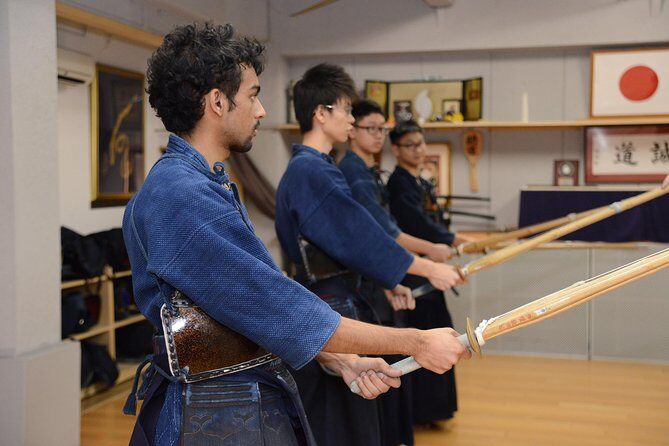
This workshop is based at a specific meeting point in northern Tokyo: 誠道館ビル4 Chome-7 Higashinippori, Arakawa City, Tokyo 116-0014. It’s near public transportation, so you’re not stuck hunting for a remote address.
The session shown starts at 10:00 am and runs about 2 hours. You can choose a morning or afternoon session, so match the time to your energy level that day.
One practical note: hotel pickup and drop-off aren’t included. Pickup is listed as offered, but unless your confirmation says otherwise, assume you’ll be responsible for getting yourself to the dojo area and back.
Also, the tour notes that transportation between activities isn’t included. If you’re stacking this with other plans around Tokyo, give yourself a little buffer time.
A few more Tokyo tours and experiences worth a look

What Happens in the 2 Hours: A Step-by-Step Flow You Can Follow
Even though the tour is short, it’s paced like real training. Here’s how the time typically unfolds, and why each step is worth your attention.
1) Gear Up: Bogu, Bamboo Sword, and the Reality Check
The session includes rental of Kendo armor and equipment. That means you won’t have to figure out sizing or hunt for a costume rental shop before you go.
Kendo armor is a big part of the experience. It’s made to take impact and help you learn striking targets safely. It’s also thick fabric that can feel warm once you start moving. I’d plan on sweating a bit.
If you have knee trouble, tell your instructor. The training can involve kneeling and stance work, and it’s better to ask for modifications than to push through pain.
2) Learning the Basics with English Coaching
The instructor guides you through practical Kendo moves, with English communication that’s described as easy to follow. This matters because Kendo is full of small details: posture, timing, distance, and the way you react after a strike.
You also get instructor demonstrations. That helps you connect what you’re doing with what you should be aiming for.
3) Etiquette and Samurai Culture, Put to Work
This isn’t just history trivia. You learn dojo manners and how to behave in a traditional martial arts setting—things like how you should treat the space, how you show readiness, and the overall tone of training.
That etiquette layer is why this feels more authentic than a standard tourist workshop. Kendo has a mental side. It’s not only about landing a hit; it’s about discipline, respect, and control.






4) Controlled Drills and Feedback
After the basic instruction, you’ll practice. Expect hands-on corrections: where your body should be, how your hands should move, and how to strike the correct target area cleanly.
One useful detail: the class is built so you learn by repetition and correction, not by random guessing. You keep trying until your form looks right.
5) Tournament-Style Combat Game
The final push is a tournament-style combat game. In plain terms: you put on what you learned and test it in a structured sparring format.
The fun part is also the truth part. Kendo can be surprisingly intense even in a short class. You’ll likely hear points called out and feel the push-and-pull of competition—without needing previous experience.
And yes, you might get bonked on the armor (that’s the point), so keep your expectations athletic and expect to laugh at the end.
Entering the Dojo World: Etiquette Lessons You’ll Actually Notice
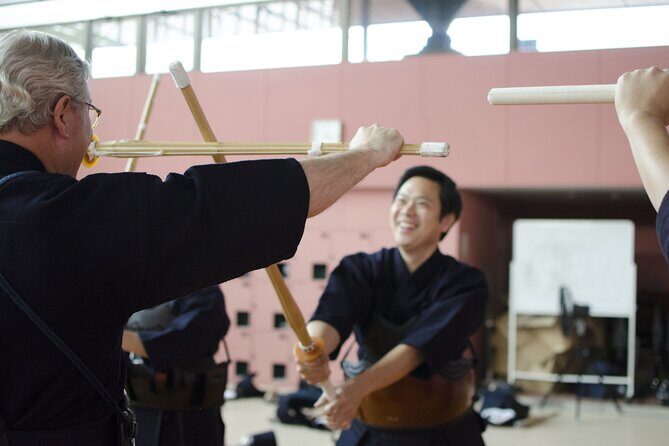
A lot of “samurai experiences” stop at the sword look. This one goes further with the culture of the dojo.
You’re taught in a way that makes the rules feel real:
- how to move with awareness while wearing protective gear
- how to follow the instructor’s calls and timing
- how to act like a guest in someone else’s training space
That changes your experience. You’re not simply learning technique; you’re practicing the mindset behind the sport.
I also appreciated that the class respects different starting points. You’ll see that in how the instructor coaches beginners while still keeping the training real.
Keikogi, Hakama, and Bogu: The Gear Experience
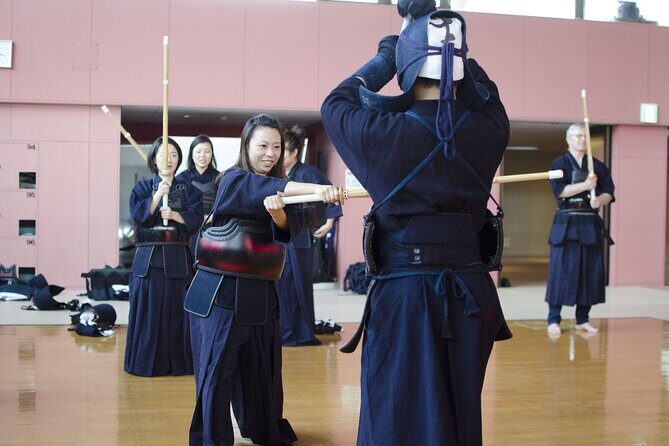
One of the most memorable parts is simply dressing correctly. The class includes instruction on putting on the keikogi (jacket-like top) and hakama (skirt-like trousers), then adding protective equipment (bogu armor).
This matters for two reasons:
1) You learn the basics of how Kendo training garments fit and move.
2) You feel the sport’s constraints, which makes the drills make more sense.
In reviews, people often point out how heavy the fabric can feel and how warm it gets during training. That’s normal. Drink water before you start, and take the provided water break seriously.
The Instructor Factor: Why English Coaching Helps So Much
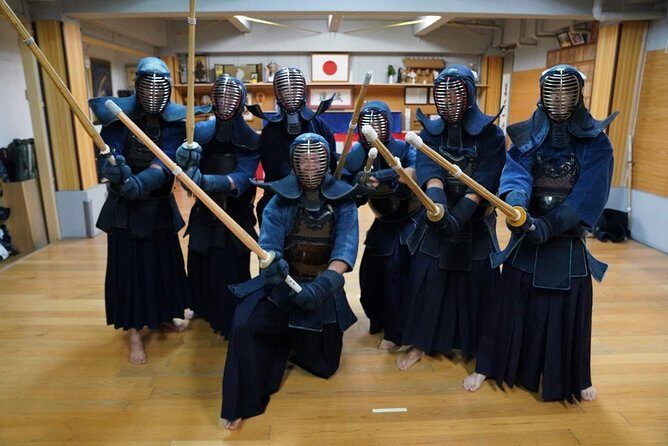
This class is built around an experienced Kendo instructor and one-on-one or small-group guidance. Keshi is specifically called out by name in the experience.
That matters because Kendo depends on correction. If you miss the posture cue, it’s hard to fix it on your own. When the instructor can explain what you need to change and demonstrate it, your progress happens fast.
It also makes the class less intimidating. Even if you’re shy, the coaching style described here sounds patient and encouraging—especially for kids and first-timers.
Price and Value: Is $118.92 Worth Two Hours?
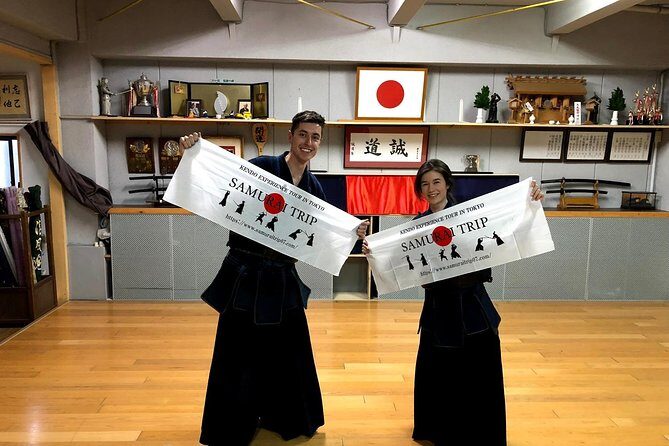
At $118.92 per person, this isn’t a cheap add-on. But it’s also not a photo-op. You’re paying for:
- instructor-led training
- rental of full Kendo armor and equipment
- a structured practice plan
- bottled water
- a souvenir towel
In a major city, two hours of active coaching plus equipment often costs more than people expect. Here, you get the key extras included rather than paying separate rental fees.
The biggest “cost” isn’t money. It’s energy. You should treat it as a workout session. If you’re not in a fitness mood that day, the class will still be fun, but it won’t feel as rewarding.
If you want an authentic, hands-on martial arts moment without needing to commit to a long course, this is strong value.
Who Should Book This Tokyo Kendo Class
This works best if you:
- want hands-on training rather than a passive show
- enjoy structured activities with clear guidance
- can handle short bursts of cardio and stance work
- are traveling with kids (minimum age is 9)
It’s also a good fit if you’re curious about Japanese sports culture and want something that feels grounded in real practice.
If you have serious mobility limits, tell the instructor ahead of time. The notes suggest strong physical fitness is expected, and kneeling can be part of the training.
Small Group Size: Why Up to 15 People Is a Big Deal
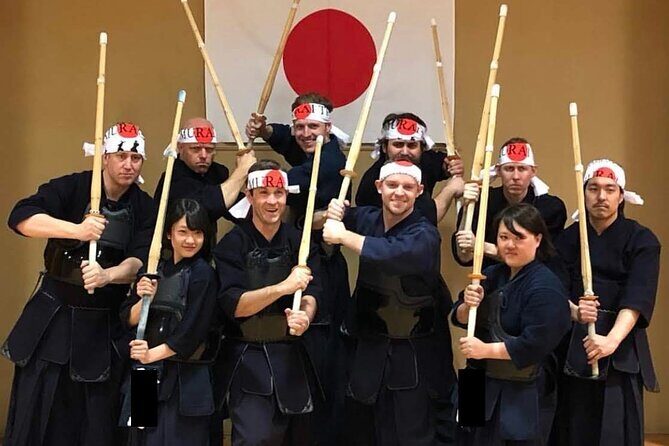
The tour caps at 15 travelers. That size matters for two reasons:
1) You get attention while you practice.
2) The class can move at a good pace without becoming chaotic.
In Kendo, delays throw off timing. A small group keeps the energy focused.
Timing It Right: Build Your Day Around a Dojo Session
Plan your day with two things in mind: warmth and water.
Wear athletic clothes you can move in. You’ll also want to consider how your body handles armor weight. It’s not long-term training, but you’ll feel it.
After class, you’ll likely be in a neighborhood where it’s easy to keep the day going on foot. One reviewer specifically mentions a short walk to shrines and food stalls, which is exactly how I’d use this: train hard, then wander and eat.
Should You Book This Experience?
Yes, if you want a real Kendo workout with traditional dojo etiquette and English guidance in a short time window. The combination of equipment included, structured coaching, and tournament-style play makes it more than a gimmick.
You should think twice if:
- you’re not comfortable with physical activity
- you have knee issues and don’t want kneeling-style movement
- you’re hoping for something mostly educational and low-impact
If you fit the first group, this is one of those Tokyo activities that sticks with you because you do it, not because you watch it.
FAQ
What is the duration of the Tokyo Kendo experience?
The session lasts about 2 hours.
What’s included in the workshop?
You get a professional instructor, rental of Kendo armor and equipment, bottled mineral water, and a Japanese hand towel.
Do I need prior Kendo experience?
No. All experience levels are welcome, and the instructor provides guidance in easy-to-understand English.
What age is the minimum to join?
The minimum age is 9 years.
Is pickup included?
Hotel pickup and drop-off aren’t included, but pickup is offered. Check your confirmation for what applies to your session.
Can I cancel and get a full refund?
Yes. You can cancel up to 24 hours in advance for a full refund. Less than 24 hours before start time is not refundable.