REVIEW · TOKYO
Ninja Samurai 2-hour hands-on lesson by Japanese master in Tokyo
Book on Viator →Operated by NINJA INTERNATIONAL Inc. · Bookable on Viator
Want to throw shuriken and draw a sword? In Tokyo’s Shiomi area, this small-group ninja and samurai lesson mixes hands-on weapon training with English instruction and a real dojo vibe. It’s fast-moving, practical, and built for you to do things, not just watch.
I especially like the max-6 class size, which keeps the lesson personal. I also love the mix of traditions you practice, from ninja meditation (Kuji-In) to shuriken and blow darts, then the samurai sword section.
One thing to consider: you’re training in a real multi-floor building, and one review mentioned stairs because an elevator wasn’t working. If stairs or higher-floor access are tough for you, plan ahead.
In This Review
- Key things to know before you go
- Inside Ninja Samurai Tokyo: what the 2 hours feels like
- Location in Shiomi: finding the dojo without stress
- Small group training: why max six matters
- Start in ninja gear: the do-once part that makes it real
- Kuji-In ninja meditation: the mindset portion people remember
- Ninja weapons workshop: shuriken and blow darts
- Samurai sword section: drawing and using a katana
- How instructors shape the experience (Hyoga, Onel, Asami, Buddy)
- What you’ll actually get for the money
- Who this lesson suits best
- My quick booking advice: timing and expectations
- Should you book Ninja Samurai Tokyo?
- FAQ
- How long is the Ninja Samurai lesson?
- What is the group size?
- Is the lesson taught in English?
- What do I learn during the session?
- What’s included in the price?
- What’s not included?
- Where do I meet for the activity?
- Is it near public transportation?
- Is there free cancellation?
- Does weather affect the activity?
Key things to know before you go
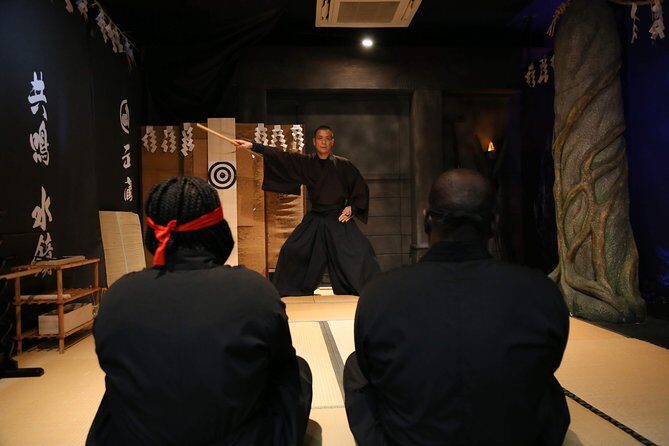
- Max 6 people means you get real instruction time, not a crowd lecture.
- Kuji-In ninja meditation is part of the lesson, not just weapon stunts.
- Shuriken and blow darts practice happens with targets, led by your English-speaking sensei.
- Ninja clothes rental helps you get into the training mood right away.
- Samurai sword draw and use includes learning how to draw and swing correctly.
- Dojo training style: expect movement, focus, and hands-on reps for most skill levels.
Inside Ninja Samurai Tokyo: what the 2 hours feels like
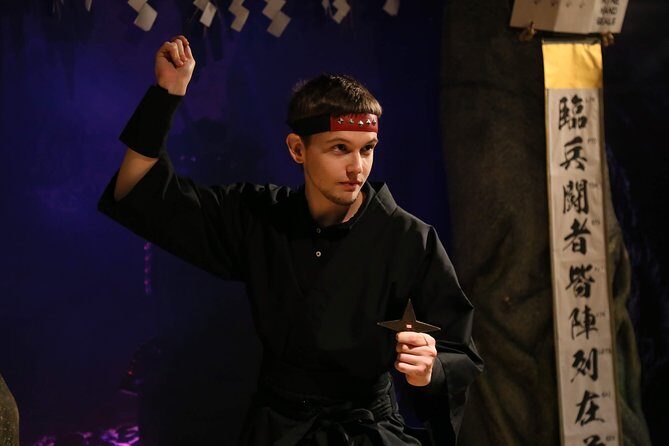
This is the kind of Tokyo experience you can’t get from a museum ticket. You walk in, you get geared up, and you train through a sequence of ninja and samurai skills in a real classroom/dojo setting. The whole point is learning the basics of old-school technique and spirit in a way you can actually try.
The class runs about two hours. It’s guided in English by a Japanese master sensei (you’ll see different instructor names mentioned across sessions, like Hyoga sensei, Onel, Asami, and Buddy). Even if you have never done anything like this before, the pacing is designed so you keep moving while the instructor corrects your form.
You’ll also notice a strong cultural framing. This isn’t just, here’s a sword, good luck. You’re given context about feudal-era life and what ninja and samurai practices were meant to build in the person training them.
A few more Tokyo tours and experiences worth a look



Location in Shiomi: finding the dojo without stress
The meeting point is Ninja Samurai Tokyo in Shiomi (Koto City), on East 4th floor (address listed as 2-chōme 39 Bayfrere Shiomi). It’s stated as near public transportation, and some people mention it’s a direct walk from the station once you know where to look.
Still, location can take a moment to confirm the first time. One review called out that it took time to discover but was worth it. My practical advice: save the exact pin in your map app, arrive a few minutes early, and don’t assume the entrance is obvious at street level.
Also, note the building access detail. One review mentioned walking up four flights of stairs and that the elevator was not working. The address indicates a higher floor, so if stairs are an issue for you, I’d treat that as the reality to plan around.
Small group training: why max six matters
Max six travelers changes the whole experience. Instead of standing around while someone teaches to a big group, you’re more likely to get personal corrections. That’s a big deal for two reasons.
First, weapon technique is all about small details—how you hold something, how you aim, how you control your swing. Second, your confidence builds faster when you’re not waiting your turn for long stretches.
If you’re traveling as a couple, you’ll likely feel like it’s your class. If you’re a family with kids, the small size also helps because the instructor can keep the session moving while still working with different comfort levels. Reviews also mention a wide age range, including kids and older adults, and that you don’t need to be an athlete—just ready to participate.
Start in ninja gear: the do-once part that makes it real
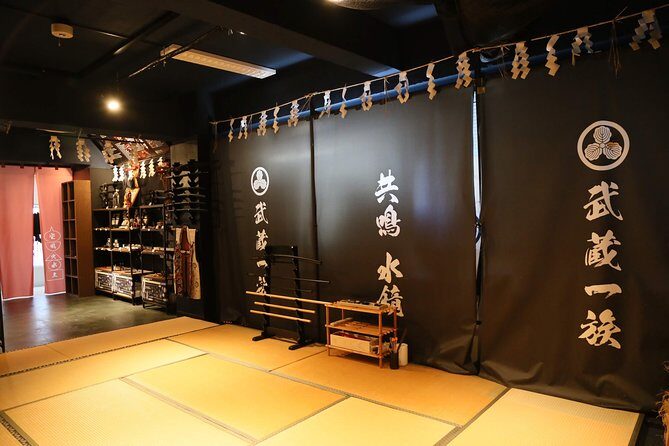
You’ll receive ninja clothes rental during training. Getting dressed before you start is more than fun cosplay; it helps you feel like you’re stepping into the training world the lesson is trying to recreate. Several reviews mention how much people enjoyed the dressing-up moment because it supports the mindset shift from spectator mode to practice mode.
When you’re wearing the outfit, you’re also more prepared for the practical parts of the class. Clothing like this can change how you move, so it’s best to show up ready to follow the instructor’s guidance rather than making last-minute adjustments.
Tip: bring any comfort basics you normally like for active classes—things like a hair tie if you have long hair. The tour data doesn’t mention extra gear, so keep it simple and practical.
Kuji-In ninja meditation: the mindset portion people remember
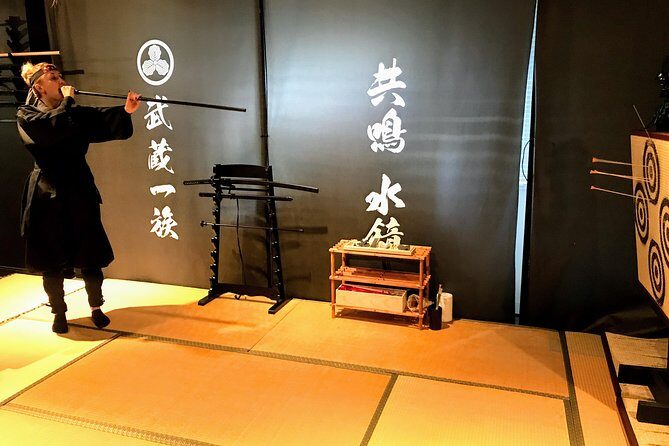
One of the standout elements is ninja meditation called Kuji-In. It’s included as a core segment, not a quick mention.
Even if you’re more interested in weapons, don’t skip the mental training. Kuji-In is about focus and control—skills that directly connect to what you do next. When your body is tense or scattered, throwing and sword work feel harder and riskier. When you learn how to steady yourself, you pick up techniques faster.
This is also where the lesson gets more interesting historically. The class frames these practices as part of a training spirit—something ninja and samurai traditions were meant to cultivate in the person, not just teach as movements.
A few more Tokyo tours and experiences worth a look




Ninja weapons workshop: shuriken and blow darts
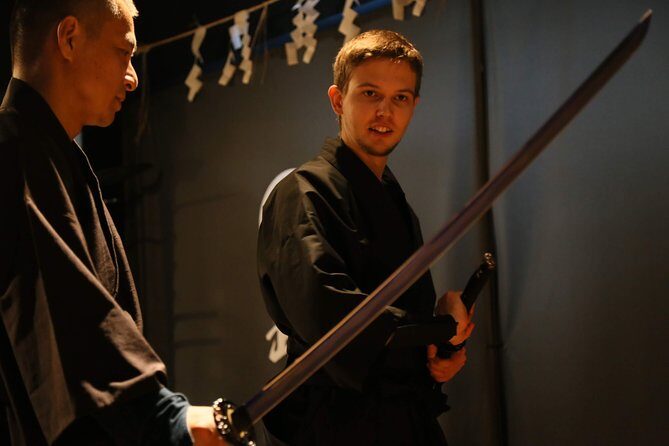
After the meditation segment, the lesson shifts into ninja tools and training. You can expect an introduction to ninja weapons and tools, and practice time for:
- Shuriken training (throwing ninja stars)
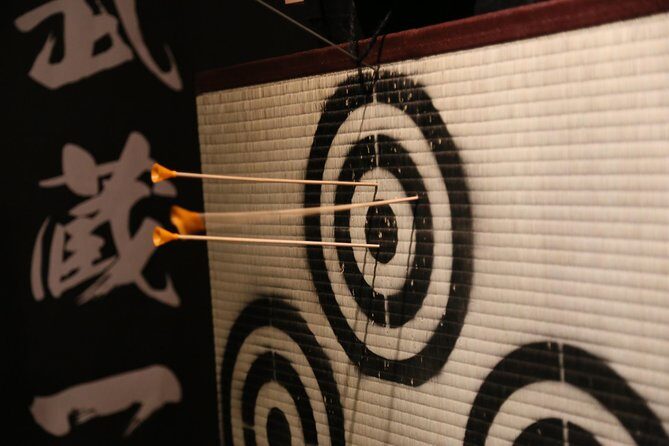
- Ninja blowgun / blow darts training (blow darts at targets)
You’ll also see references to a ninja trick house gimmick during the training. The general flow is demonstration first, then you try the technique with guidance.
A few practical notes that matter for your expectations:
- Throwing shuriken is not about speed or theatrics. It’s about control and aiming. In the class, you’ll throw at targets.
- Blow darts are similar: calm breath and consistency matter more than force.
- Wear the mindset from Kuji-In. If you’re rushed, your aim drops.
One review highlighted the satisfaction of using real metal shuriken rather than wooden practice versions. The lesson description doesn’t promise that level of detail, but it does confirm you’ll train with ninja weapons and tools. In any case, the instructor’s job is to help you practice safely and effectively.
Samurai sword section: drawing and using a katana
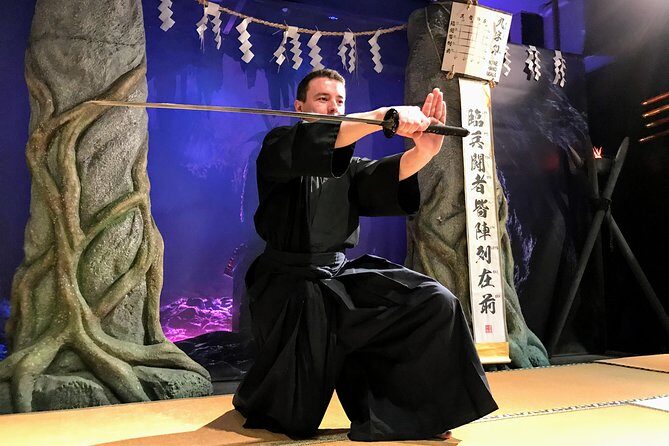
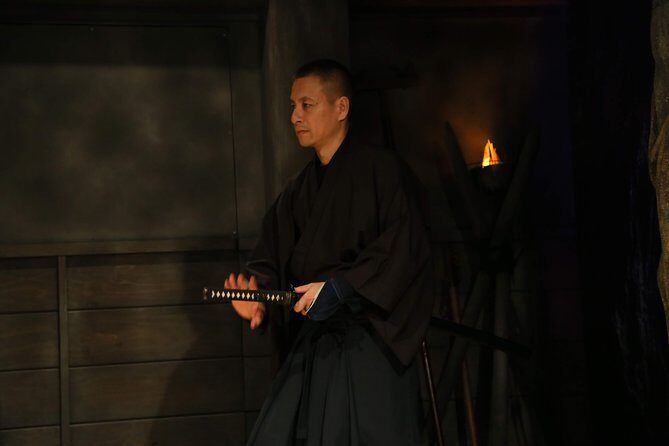
Then you transition to the samurai side—learning samurai techniques and spirits with a Japanese samurai sword (a katana). The lesson includes how to use the sword and how to draw it, plus practice so you can follow along with the instructor’s cues.
Sword training in a travel class sounds intimidating, but the format is hands-on and paced. Reviews mention learning how to swing a sword, and also noticing differences between ninja swords and samurai swords. That’s genuinely useful if you’ve only seen anime and movie versions.
What you’ll likely do here:
- Watch a demonstration of sword technique
- Learn the correct basic draw and movement
- Practice the movement with instructor feedback
- In some sessions, you’ll also watch and play the performance you learn
If you like performance, this part can be especially memorable because you’re not just throwing at stationary targets—you’re learning a sequence of actions.
How instructors shape the experience (Hyoga, Onel, Asami, Buddy)
The tour is taught in English by a sensei master who has trained in ninja arts. The instructor names that show up include Hyoga sensei, Onel, Asami, and Buddy.
Why you should care about names: teaching style changes how confident you feel. Multiple reviews praised instructors who combine technique with humor and patience. That matters because this class asks you to try things that feel awkward at first—especially weapon basics. A teacher who can explain clearly and keep the mood light makes it easier to relax, focus, and improve fast.
If English teaching is important to you, the tour data explicitly says the lesson is in English. Still, I recommend you speak up if you don’t understand a step. This is a max-6 group, so you’re not competing with a large crowd.
What you’ll actually get for the money
At $86.22 per person for about two hours, the value comes from three things you don’t get in most cultural experiences:
1) Hands-on time with multiple tools
You’re not only learning theory. You’ll practice ninja meditation plus weapons training (shuriken and blow darts), then samurai sword draw and use.
2) Small-group attention
Max six makes coaching realistic. You’re more likely to fix form issues quickly.
3) Included training essentials
Ninja clothes rental and the admission fee are included, plus instruction by a sensei in English.
What’s not included: bottled water and private transportation. I’d plan to bring a water bottle or grab water near the station. Also plan your own commute, since the tour data doesn’t include transportation.
If you’re deciding between a hands-on class and a more standard sightseeing stop, this one makes sense when you want the practical, active “I did it” souvenir.
Who this lesson suits best
This experience fits well if you want:
- A hands-on activity in Tokyo that doesn’t feel like a scripted tourist show
- Ninja and samurai content mixed together with practical practice
- A class format that works for mixed ages and skill levels
It’s also a good pick if you want something that’s shared—couples and families often enjoy the bonding factor because everyone takes part in the same sequence (meditation, throwing, sword draw).
What to watch for if you have limits:
- The class involves movement, and one review mentioned some running/jumping.
- Stairs may be involved due to a higher-floor location and at least one mentioned elevator issue.
- You’ll be practicing weapons—even if you’re not taking this to a competition level—so you need to follow instructor safety cues.
My quick booking advice: timing and expectations
Book this earlier in your Tokyo trip if you can. When you’ve got fresh energy, you’re more likely to enjoy the physical parts and remember the technique details. Also, it helps you fit other nearby attractions after your lesson, since the experience is about two hours.
Bring:
- Comfortable clothes you can move in
- Shoes appropriate for active training
- A small water plan (since bottled water isn’t included)
And arrive a bit early. Even people who found it easily said it’s a short walk from transit, but one person still struggled to locate it at first. A few extra minutes prevents stress.
One more note: the activity is listed as requiring good weather. That means you should watch forecasts and be ready for a reschedule if conditions are poor.
Should you book Ninja Samurai Tokyo?
Book it if you want to do real practice—Kuji-In meditation, shuriken and blow dart training, and samurai sword draw and use—in a small group with an English-speaking sensei. The class structure makes the time feel full, and the max-6 limit helps you leave with confidence that you learned something, not just took photos.
Skip it (or think twice) if you can’t handle stairs, or if you’re looking for a purely passive cultural experience. Also, if weapon training makes you uncomfortable, you may prefer a different kind of Tokyo workshop.
If you’re the type of traveler who likes hands-on history and doesn’t mind looking a little silly in ninja gear, this is a strong choice.
FAQ
How long is the Ninja Samurai lesson?
The class is about 2 hours.
What is the group size?
It’s a small group with a maximum of 6 travelers.
Is the lesson taught in English?
Yes. The Japanese sensei master teaches in English.
What do I learn during the session?
You can learn ninja meditation (Kuji-In), ninja weapons and tools, ninja sword demonstration and training, shuriken training, blowgun/blow dart training, and samurai techniques and spirits with a Japanese samurai sword, including how to draw and use it.
What’s included in the price?
The experience includes a Japanese sensei master who teaches in English, ninja clothes rental during training, and the admission fee.
What’s not included?
Bottled water and private transportation are not included.
Where do I meet for the activity?
The meeting point is Ninja Samurai Tokyo, 135-0052 Tokyo, Koto City, Shiomi, 2-chōme 39 Bayfrere Shiomi, EAST 4階.
Is it near public transportation?
Yes, it’s listed as near public transportation.
Is there free cancellation?
Free cancellation is available. You can cancel up to 24 hours in advance for a full refund, and you won’t be refunded if you cancel less than 24 hours before the start time.
Does weather affect the activity?
Yes, the experience requires good weather, and if it’s canceled due to poor weather you’ll be offered another date or a full refund.