REVIEW · OSAKA
5-Hour Osaka Bike Tour to the Neighborhood of Osaka Castle
Book on Viator →Operated by MagicalTrip Inc. · Bookable on Viator
Osaka Castle is easier to enjoy by bike. You get to cruise the park area, hit a shrine, and learn how daily life worked in earlier Osaka—without rushing. The tour also folds in food and a tea break, so it feels like a full day plan, not just sightseeing on wheels.
What I really like are the small-group size (max 6) and the practical pace that lets you cover ground without feeling hunted along. I also appreciate that the guide spends time on context, not just facts—so Osaka Castle’s setting makes more sense once you’ve been there with someone local.
One consideration: you’ll ride without a helmet included, and Osaka summers run hot and humid. If you’re sensitive to heat, bring water, a hat, and a little extra patience for stops and traffic zones.
In This Review
- Key Highlights You’ll Actually Feel During the Ride
- Osaka Castle Looks Better From a Bike (Than From Standing Still)
- Small-Group Riding: What Max 6 People Changes
- Stop 1: Osaka Tenmangu Shrine and the Local Way of Showing Respect
- Stop 2: Osaka Museum of Housing and Living for Edo-Period Osaka
- Osaka Castle Grounds: More Than Photos, Less Than Stress
- Tea Break and Lunch: How the Food Makes the Tour Feel Complete
- Does $87.55 Feel Fair for This 5-Hour Osaka Ride?
- Where You’ll Probably Enjoy This Most
- Should You Book This Osaka Bike Tour?
- FAQ
- How long is the Osaka bike tour?
- What’s included in the price?
- Is a helmet provided?
- Can I get a vegetarian meal?
- How big is the group?
- What if weather is bad?
Key Highlights You’ll Actually Feel During the Ride
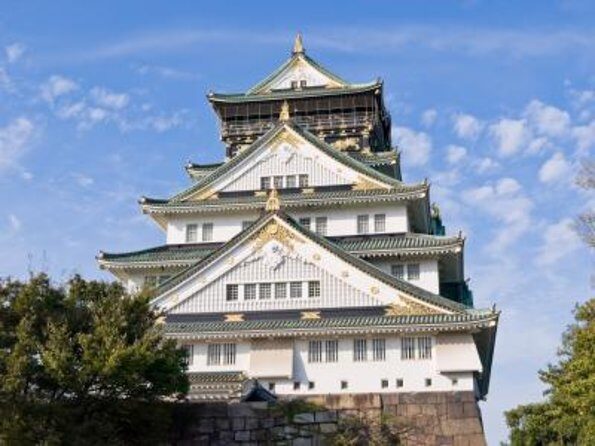
- Max 6 travelers keeps the ride calm and makes it easier to ask questions while you’re moving
- Osaka Castle Park by bike helps you see more than you could comfortably on foot
- Tenmangu Shrine + Edo-life museum adds variety beyond the castle photo stops
- Lunch set + green tea snack keeps energy steady for the second half of the tour
- Photos taken during the tour means you won’t have to play photographer the whole time
- Certified guide by MagicalTrip plus “learn as you go” stops that explain what you’re seeing
Osaka Castle Looks Better From a Bike (Than From Standing Still)
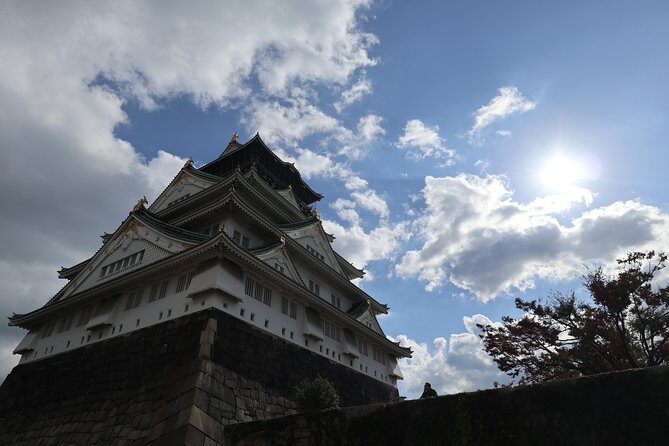
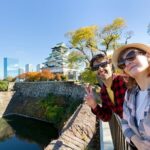
Osaka Castle is one of those places you can see from a distance and still feel like you need more context. This tour fixes that by putting you inside the urban park setting, where moats, shrines, and gardens shape what the castle feels like. Instead of just walking the perimeter, you’re moving through the area like a local would—quiet at times, busy at others, but always in motion.
The bike format also solves a common Osaka problem: distances feel short on a map, but in real life you’re zigzagging around pedestrian crowds and crossing roads more than you expect. With wheels, you connect the dots. You get the big attraction, yes, but you also get the lead-up pieces that make it land—like the shrine stop and the museum that explains older Osaka life.
And because you’re on a guided route, you’re less likely to treat it as a one-note landmark day. You can actually understand why the castle sits where it does and what parts of the grounds mattered historically.
You can also read our reviews of more cycling tours in Osaka
Small-Group Riding: What Max 6 People Changes
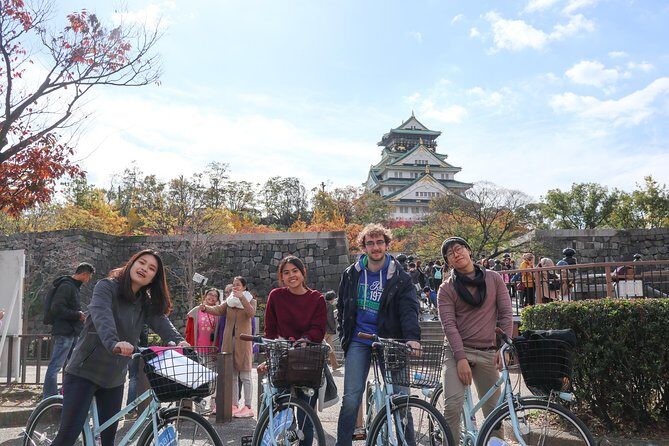
A maximum group size of 6 is a big deal. You still share the route, but you’re not stuck riding at the exact speed of the slowest person or waiting for the fastest person to zoom ahead. The vibe stays human. That matters when you’re stopping in short blocks—20 minutes here, 30 there—because you want everyone to regroup without delay.
In the feedback you’ll see names like Mike and Masumi tied to a well-paced experience. The same pattern shows up: guides are hands-on with timing and helpful when something feels confusing. You’ll also notice that group mix tends to be international (examples include Canada and Australia in feedback), which usually means the guide spends extra effort clarifying what you’re seeing.
Also, you should know what isn’t included: a helmet. If you’re used to riding with one at home, bring your own if you can. The bikes are provided via rental, but the tour won’t automatically hand you head protection.
Stop 1: Osaka Tenmangu Shrine and the Local Way of Showing Respect
Your day starts at Osaka Tenmangu Shrine, a Shinto shrine in Tenjinbashi. It’s the kind of stop that doesn’t take forever—about 20 minutes—but it changes your mindset for the rest of the tour. Before you’re surrounded by castle views, you’re reminded that Osaka isn’t only architecture and big monuments. It’s also everyday belief and local tradition.
The guide is there to explain how worship works at the shrine, and that’s a better use of time than just looking around and guessing. You don’t have to be a shrine expert to appreciate the point: you’re seeing how a community relates to sacred space.
This stop is also a good “warm-up” mentally. While the rest of the day is about cycling and landmarks, the shrine gives you a slower, more observant moment. If you’re photographing, this is also where you’ll get less frantic scenes than at the major castle-photo crush.
Stop 2: Osaka Museum of Housing and Living for Edo-Period Osaka
Next comes a museum stop built around daily life in earlier Osaka—specifically the Edo period. It’s short (about 30 minutes) but thoughtfully focused, with a chance to time-travel through old streets and lifestyles.
This stop matters because Osaka Castle can otherwise turn into a headline-only experience: here’s the tower, here’s the view, next. The museum helps you connect the castle era to real people—how they lived, how the city functioned, and why “Osaka” as a place has its own identity beyond being a tourist route.
Admission here is included, which is helpful for budgeting, and the guided explanation is what turns exhibits from stuff you walk past into something you understand. If you like history that feels practical—housing, streets, and routines—this is the part that usually makes the tour feel more than “just riding.”
Osaka Castle Grounds: More Than Photos, Less Than Stress
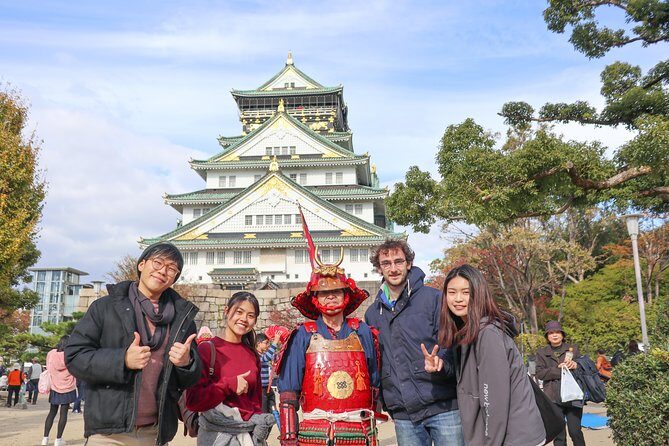
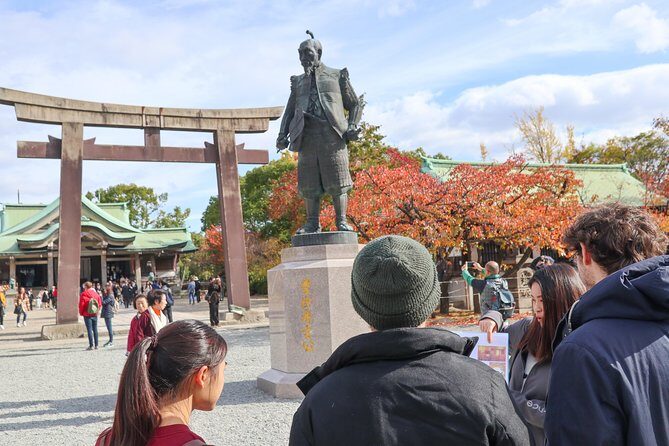
When you reach Osaka Castle, you’re there with cycling, so you can actually cover the park area efficiently. The tour gives you about an hour at the castle itself, and then another hour in Osaka Castle Park. That structure is smart: you can look, learn, and still have time to walk where it makes sense.
Osaka Castle’s origins trace back to the Ishiyama Honganji Temple in the Warring States period, which gives the castle a deeper timeline than most people realize. The guide’s job is to translate that into something you can keep in your head while you’re moving around.
The park portion is what often surprises first-timers. Even if you’ve seen castle images before, you might not expect how much of the experience is shaped by open urban space and surrounding features. Cycling through the grounds helps you notice layout—how moats and gardens frame the view, and where shrines and paths sit in relation to the main structure.
Also, weather matters more here than you might think. The ride runs outside, and you’ll be in the park while moving between stops. If it’s sweltering, plan on using the guide’s breaks and take hydration seriously.


Tea Break and Lunch: How the Food Makes the Tour Feel Complete
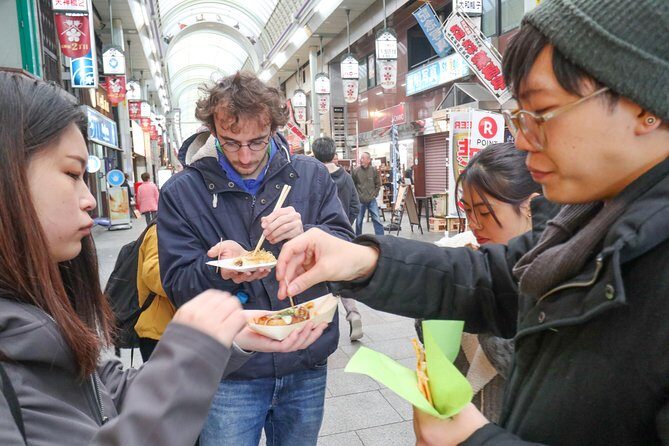
A lot of walking tours in Japan feed you, but not all of them keep you going after the meal. This one includes a lunch set plus green tea and a snack, and it’s timed to help you finish the later part of the day comfortably.
Vegetarian options are available, but there’s an important detail: even the vegetarian menu uses dashi fish broth. If you avoid fish for religious or health reasons, don’t assume “vegetarian” here means fish-free. The tour also notes that they can’t guarantee allergy-free meals, since the food is prepared in kitchens not owned by the tour operator. If allergies are your big concern, you’ll want to communicate clearly and be ready for possible substitutions not being available everywhere.
In terms of what you might eat, Osaka-style street food cravings come up in feedback—things like okonomiyaki and mochi show in comments. You’re not just eating; you’re eating with context, which is what makes it feel like local culture instead of a stop for hunger.
Practical tip: you’ll appreciate having water after lunch. Heat can sneak up on you, especially when you’re sitting, then riding again.
Does $87.55 Feel Fair for This 5-Hour Osaka Ride?
At $87.55 per person for about 5 hours, the value comes from what’s included and how it reduces friction for you.
Included perks:
- Bike rental fee
- Lunch set (with vegetarian option, but dashi detail applies)
- Green tea & snack
- Photos taken during the tour
- Certified guide by MagicalTrip
On a day with a major attraction like Osaka Castle, the expensive part is usually your time and transportation hassle. Here, the bike is handled, the route has structure, and the guide covers the “why” behind each stop. If you’d otherwise take multiple trains and walk the park, the price starts looking less like a splurge and more like a convenience fee—plus you get food and photos.
One more value point: this is max 6 travelers, so you’re paying for group size control. That typically means better pacing, less waiting, and more attention when you need it.
Where You’ll Probably Enjoy This Most

I think this tour fits best if you:
- want to see Osaka Castle and its park area without turning it into a long, exhausting hike
- like history when it’s tied to places you can stand in (shrine + museum + castle)
- enjoy guided food stops, not just random snack hunting
- prefer a group small enough to feel like you’re actually riding together
It might not be the best match if you:
- can’t ride a bicycle comfortably for extended periods (even with breaks)
- have strict dietary needs beyond what the tour states
- hate heat and don’t plan for it (the tour explicitly warns summer in Japan is hot and humid)
Also, note that the tour says most travelers can participate, which is a good sign for comfort level, but it’s still smart to be honest with yourself about biking confidence.
Should You Book This Osaka Bike Tour?
If your goal is a smart, local-feeling Osaka day that combines castle grounds, shrine culture, and Edo-period context, I’d book it. You’re not only checking off a landmark; you’re learning how Osaka layers its past onto daily space. The small-group size helps the experience feel personal, and the included lunch and tea keep you from running on empty while the ride continues.
My “book vs. skip” decision rule is simple:
- Book if you want efficiency with meaning and you’re okay riding in warm outdoor weather.
- Consider skipping if you have dietary restrictions beyond the tour’s note about dashi and allergy limitations, or if helmet-less riding makes you uncomfortable.
If you go, do yourself a favor: bring water, wear a hat, and arrive ready to ask questions when the guide stops.
FAQ
How long is the Osaka bike tour?
It’s about 5 hours total.
What’s included in the price?
The tour includes bike rental, a lunch set (vegetarian menu available but uses dashi fish broth), photos taken during the tour, a certified guide by MagicalTrip, and green tea with a snack.
Is a helmet provided?
No, a helmet is not included.
Can I get a vegetarian meal?
A vegetarian menu is available, but the tour notes that dashi fish broth is still used. The tour also can’t guarantee allergy-free meals.
How big is the group?
The tour has a maximum of 6 travelers.
What if weather is bad?
The tour requires good weather. If it’s canceled due to poor weather, you’ll be offered a different date or a full refund.
If you want, tell me your travel month and your comfort level with biking. I’ll help you decide if this is the right day plan for your pace in Osaka.