REVIEW · OSAKA
One-Day Osaka Bike Adventure: 5–6 Hours
Book on Viator →Operated by In Kansai Experiences · Bookable on Viator
Osaka by bike beats the usual checklist. In one half-day ride, you get big sights plus neighborhood flavor without spending the whole trip in transit. It’s built for people who want to cover ground and also hear the why behind it all.
What I like most is how the tour blends classic Osaka stops with stories that make them make sense. Places like Osaka Castle and Shitennoji are famous, but the guide’s background turns them into something you can actually picture and remember. And because the group is small—up to 8—it feels controlled even when you’re crossing busier streets.
One possible drawback: every stop is brief, so if you love lingering in temples, museums, or shopping areas, this may feel like a fast taste rather than a slow day.
In This Review
- Key points
- Why biking is the smartest way to see Osaka fast
- Getting started in Tenma at 9:30
- Nakanoshima Park: old-business Osaka with a river breeze
- The Mint Museum stop: history without the museum pressure
- Osaka Castle Park: the postcard moments and the one real climb
- Shitennoji Temple: serenity first, then the lessons
- Shinsekai and Tsutenkaku: blue-collar Osaka in full color
- Tower Knives Osaka: try the tools, not just watch
- Namba Yasaka Shrine: a quirky closing moment
- Pacing, bikes, and staying comfortable for 5–6 hours
- Price and value: what $106.12 buys you in Osaka
- Lunch strategy: how to make the meal fit the day
- Who should book this Osaka bike day (and who shouldn’t)
- Should you book this one-day Osaka bike adventure?
- FAQ
- How long is the Osaka bike tour?
- Where does the tour start and end?
- What’s included in the price?
- Is lunch included, and can I request vegetarian?
- How strenuous is the ride, and is it suitable for kids?
- What if the tour is canceled or the weather is bad?
Key points
- Small group size (max 8) helps you feel safe and stay together
- Bike + helmet + water included means fewer decisions at the start
- A history-minded guide (often named Matt, Mayco, Takuma, Akira, or Yuki) keeps each stop lively
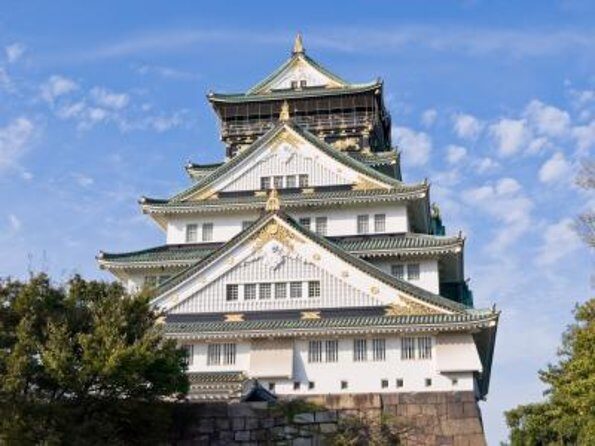
- Osaka’s big hits in one loop: Osaka Castle, Shitennoji, Shinsekai, plus more
- Lunch is part of the plan (vegetarian available if you ask ahead)
- You even try knife-making tools at Tower Knives Osaka
Why biking is the smartest way to see Osaka fast
Osaka is a city you can walk around, sure. But if you want the main highlights plus the lived-in streets, walking adds up fast. This bike route is designed to move, then stop when it’s worth stopping—so you’re not spending your day under overhead tracks or stuck in one crowded district.
The other big win is how you travel between neighborhoods. You feel the shift from river views to temple calm to Shinsekai street energy in a way you just don’t get by hopping on trains. The bike also gives you flexibility for short photo pauses and quick turns of perspective, especially around Osaka Castle Park and the Tsutenkaku area.
The guides help a lot here. Multiple guides come through with different styles, including American long-timers in Japan like Matt, who gets described as a historian with a theater background (and a sense of humor). That mix matters: you’re not just hearing dates. You’re getting context—why a place mattered, what locals pay attention to, and how Osaka’s identity formed.
You can also read our reviews of more cycling tours in Osaka
Getting started in Tenma at 9:30
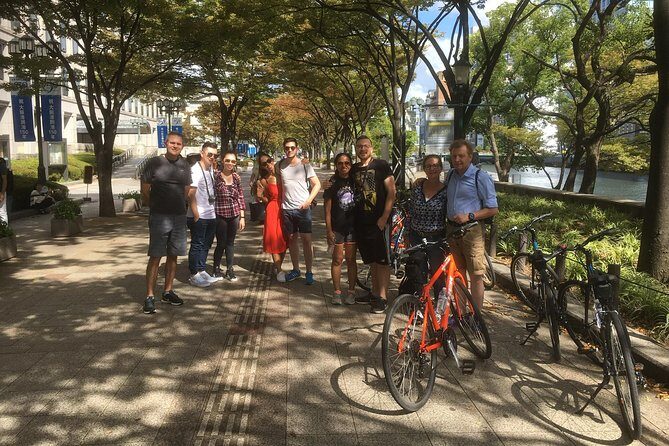
The tour meets at 1-chōme-10-7 Tenma, Kita Ward at 9:30 am. It also ends back at the meeting point, so you don’t have to plan a separate return.
This is a 5 to 6 hour experience with a moderate fitness level. In practice, that means you’re riding steadily, not sprinting, but you should be comfortable spending a chunk of time on a bike. You’ll also want to be ready for a day that’s paced more like a guided route than a casual ride with lots of wandering.
Good to know: the day runs in good weather, and it’s not recommended for kids 12 and under. If you’re under 140 cm, it also isn’t possible. If you’re an average adult with normal bike comfort, you’ll probably find it manageable—especially because the route is planned around calmer stretches and short stop-and-go segments.
Nakanoshima Park: old-business Osaka with a river breeze
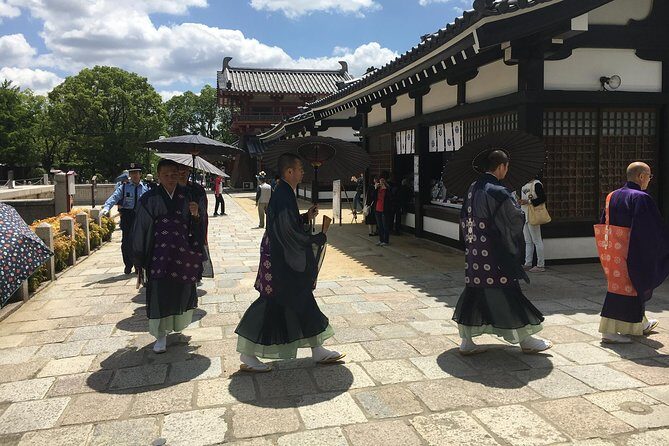
Your first stop is Nakanoshima Park, a landscaped area tied to Osaka’s older business district. You get a relaxed start—about 20 minutes—which is perfect for stretching your legs after the check-in and getting used to the bike.
What makes this stop work isn’t just the greenery. It’s the contrast: Osaka isn’t only neon and crowds. This is a more formal, historical side—old buildings, open space, and the river air that makes the ride feel lighter.
You also get the sense of rhythm that sets the rest of the day: the guide points out what to look for, you pedal a little, then you stop where the story is. It’s a smart way to stop the tour from feeling like one long line of photos.
The Mint Museum stop: history without the museum pressure
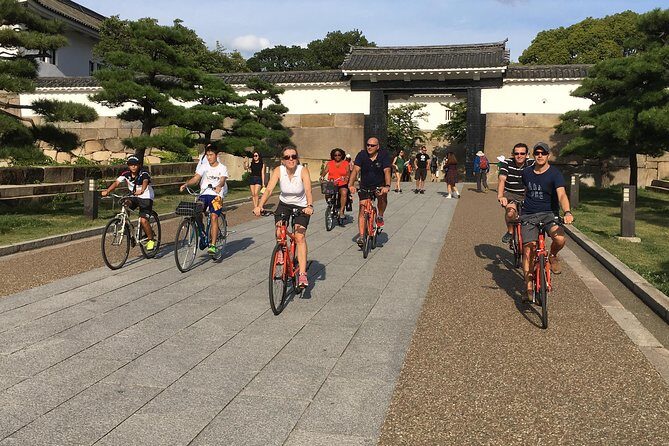
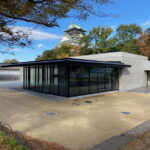
Next comes the Mint Museum area. You don’t actually spend time inside; instead, you stop in the grounds for about 10 minutes and learn about the site’s role in Japan’s modernization.
This is a good fit for this kind of bike tour. If you tried to squeeze museum time into a route with multiple stops, you’d lose the bigger goal: hitting Osaka’s main attractions in one day. Here, you get the highlights—enough to understand what you’re looking at from the outside—then you move on while your energy is still high.
If you’re the type who likes to read walls and linger in galleries, you might wish it included more time. But for most people, this quick stop keeps the tour balanced: learning is woven into travel time, not added on as a separate activity that hijacks your schedule.
Osaka Castle Park: the postcard moments and the one real climb
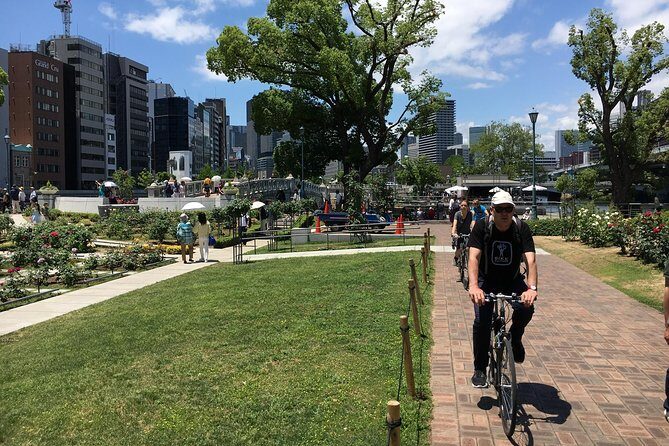
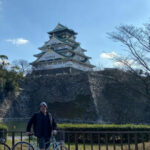
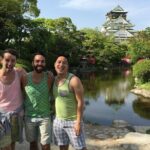
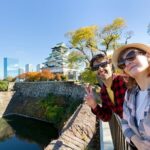
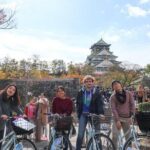
You’ll ride through the greenery of Osaka Castle Park and spend about 30 minutes there. This is the stop people tend to picture before the tour even starts, and it’s one of the most scenic sections of the route.
Expect more time for photos and a guided explanation of why Osaka Castle matters in Japan’s history and culture. You may also get the chance for a treat like ice cream—an unplanned moment that still feels very Osaka: simple pleasures, right in the middle of a major landmark.
The one thing to plan for physically is the terrain around the castle area. Some reviews note slight hills at this stop. It’s not described as a brutal climb, but it’s enough to be a reminder that this isn’t a totally flat cruise. If you can handle gentle ups and downs, you’ll be fine.


Shitennoji Temple: serenity first, then the lessons
From Castle Park you head to Shitennoji, Japan’s oldest Buddhist temple. The stop is about 15 minutes, so you’re not walking through every corridor of a huge complex—but you do get a meaningful moment of quiet.
This is where the guide-led format shines. Instead of you guessing what’s important on your own, you get an explanation of the temple’s place in Japan’s development. It helps you see the place as more than an iconic photo background.
A short warning: because the tour moves, you won’t have unlimited time to wander off and explore every nook. Treat it like a guided orientation and a chance to absorb the atmosphere, then take your own deeper dive later if Shitennoji becomes a must-see for you.
Shinsekai and Tsutenkaku: blue-collar Osaka in full color
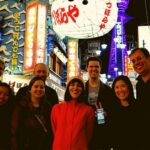
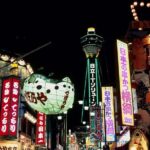
Shinsekai is one of the most memorable stops on the day. You’ll spend about 15 minutes here, including time for pictures under Tsutenkaku Tower and a look at the neighborhood’s colorful, everyday energy.
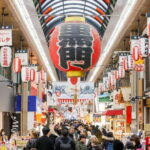
This is the part of Osaka that feels most local in the sense of street life. You’ll get glimpses of locals going about their day, plus you may have a chance at quick street food along the way (depending on timing and what’s available during your visit).
The practical upside of a bike tour here: you can move through streets quickly without getting stuck in a long detour. The guide helps you navigate, so you spend more of your time actually seeing the place and less of it zigzagging.
The downside is the same theme as the temple stop: 15 minutes passes quickly. Shinsekai is exactly the kind of district where you might want a second visit. Use this tour as your introduction, then plan a longer roam later if it grabs you.
Tower Knives Osaka: try the tools, not just watch
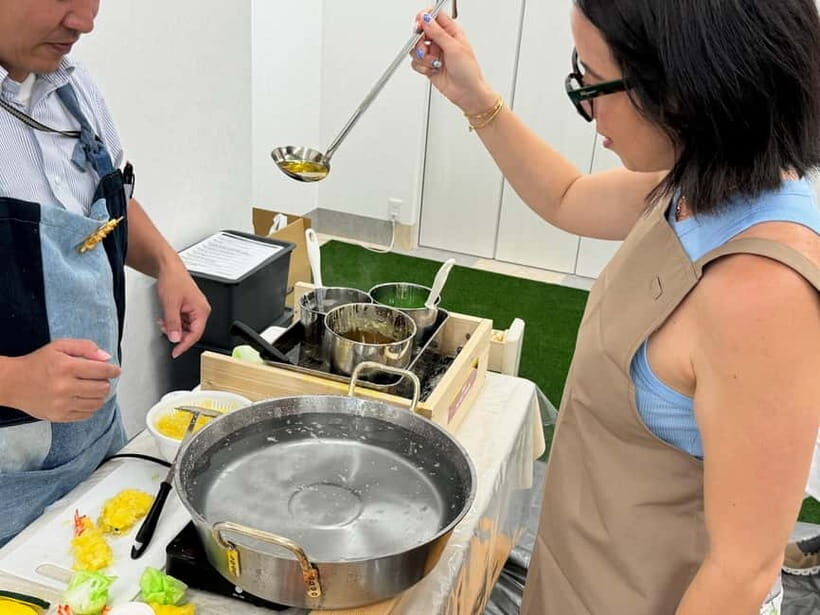
This is one of the most unique parts of the route: Tower Knives Osaka. You’ll spend about 15 minutes and get a personal introduction from a consultant at Japan’s famous knife exporting area. You learn about the history of knife making, then you get a chance to use the tools yourself.
For a bike tour, this is an unusual add-on—and that’s a good thing. It breaks the pattern of purely outdoor landmarks. Also, it gives you something practical you can bring home: a clearer understanding of why the region’s knife culture matters.
There’s a small catch: because this is an experience stop, timing matters. You’ll want to follow the guide’s lead and avoid lingering too long before your turn with the tools. If you’re respectful and ready when they cue you, this part can feel genuinely satisfying rather than rushed.
Namba Yasaka Shrine: a quirky closing moment
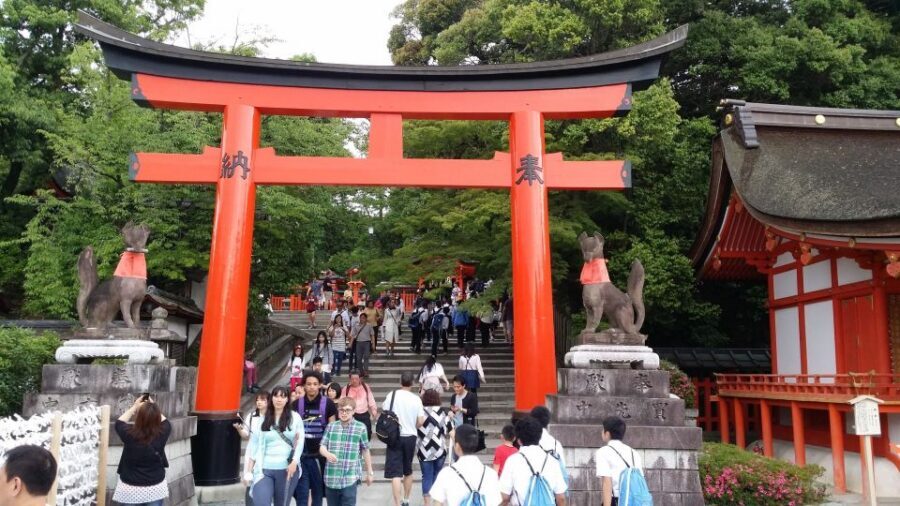
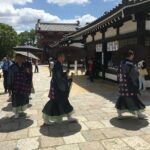
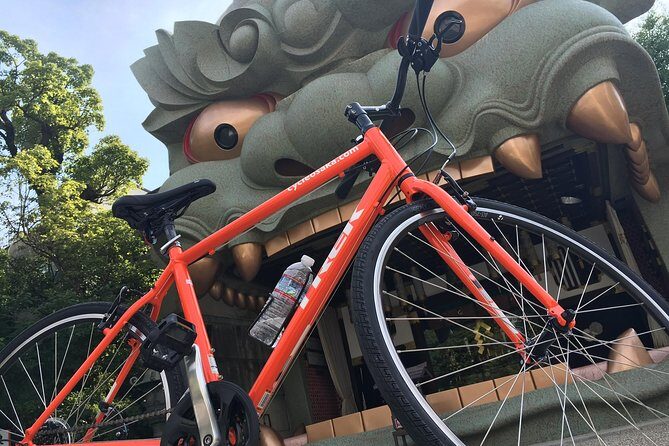
On the way back, you stop at Namba Yasaka Shrine for about 5 minutes. It’s brief, but it’s a fun capstone: quirky, photogenic, and easy to enjoy without feeling like it’s stealing time from the ride.
This is the kind of spot that makes Osaka feel playful—woodblock prayer messages and good-luck charms. You don’t need a long visit to appreciate the vibe, and the quick stop keeps the tour flowing so you still roll back on schedule.
Pacing, bikes, and staying comfortable for 5–6 hours
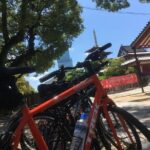
The overall ride is designed for a leisurely pace with regular, short breaks. You’re not grinding out miles non-stop. The bike itself is included, along with a helmet, and you also get bottled water.
The small group size—up to 8—shows up in how smoothly the day works. When you’re cycling in busy areas, it’s not just about bike lanes. It’s about spacing, turning together, and knowing when to stop. Multiple guide styles get highlighted, but the common thread is that the guide manages the group so you don’t feel lost or unsafe.
One more comfort factor: you’ll likely be cycling on routes where you can keep momentum and still enjoy the scenery. Some hills pop up (again, Castle area), but the tour is not positioned as extreme fitness training.
If you’re the sort of traveler who wants to stop every few minutes just to look at something random, you might wish for more frequent small pauses. That’s the trade-off for covering all the major stops in one day.
Price and value: what $106.12 buys you in Osaka
At $106.12 per person, this tour isn’t trying to be the cheapest way to see Osaka. But it also isn’t priced like a luxury car tour.
Here’s what you’re paying for:
- English-speaking guide for the whole route
- Bike and helmet included (so you don’t have to rent equipment separately)
- Bottled water during the ride
- Access to a route that hits major attractions in one loop
- Lunch is part of the day, with vegetarian options available if you tell them ahead of time
Lunch has one extra detail: the day frames it as your own expense, but the tour includes planning and guidance around where to go. So you get local-food value without needing to guess where to eat while you’re also trying to follow traffic and landmarks.
If your goal is an efficient first day overview—Osaka Castle, Shitennoji, Shinsekai, plus extra stops—this looks like good value. If your goal is deep time at one site, then you’d probably spend your money better on separate half-day visits where you can linger.
Lunch strategy: how to make the meal fit the day
Lunch is where this tour turns from sightseeing into something you can taste. The plan is to discuss options on the day, and vegetarian options are available if you request them.
What you should expect: you’ll be riding for hours, with a schedule that includes several short learning stops. That makes lunch timing important. Choose a meal that won’t slow you down afterward. If you have dietary needs, message it when booking so your lunch choice is actually workable rather than improvised at the last minute.
Also, because lunch is presented as part of the tour but listed as own expense, budget a little extra beyond the base price. The upside is that it’s guided toward local spots, not generic chain options.
Who should book this Osaka bike day (and who shouldn’t)
Book this if:
- You want a first-trip overview of Osaka’s big landmarks plus neighborhood texture
- You like guided history that’s practical, not just textbook facts
- You want to save energy by cycling between areas instead of doing constant transit and walking
Consider skipping or swapping if:
- You want long stays at temples, museums, or shopping streets
- You’re not comfortable riding a bike for 5–6 hours (even at a leisurely pace)
- You’re traveling with someone under 12 or under 140 cm, since it isn’t recommended/possible for that group
If you like your travel days active but not exhausting, this fits well. And if you enjoy meeting a guide who brings personality—jokes, cultural context, and a route that avoids making you feel like you’re just herding between monuments—you’ll likely enjoy the ride.
Should you book this one-day Osaka bike adventure?
Yes, if you want the best mix of major Osaka sights and local-feeling street districts in one organized loop. The combination of a small group, bikes and helmets included, strong guide storytelling (often led by names like Matt or Mayco), and the hands-on knife stop gives this tour more substance than a basic highlight ride.
I’d book it especially early in your trip. This kind of day helps you learn what Osaka feels like, then you can build the rest of your time around what you liked most—temples, Castle views, or street-life neighborhoods like Shinsekai.
If you’re someone who hates schedules and wants to wander freely, choose a more flexible plan instead. But for an efficient, fun first pass at Osaka, this one-day bike adventure is a solid bet.
FAQ
How long is the Osaka bike tour?
It runs for about 5 to 6 hours, starting at 9:30 am.
Where does the tour start and end?
It starts at 1-chōme-10-7 Tenma, Kita Ward, Osaka and ends back at the same meeting point.
What’s included in the price?
The tour includes an English-speaking guide, a bike and helmet, and bottled water. Lunch is part of the day, and vegetarian options are available if you advise at booking.
Is lunch included, and can I request vegetarian?
Lunch is planned into the day, with vegetarian options available if you request them ahead of time. The tour also notes lunch is an own expense, so plan on paying for your meal.
How strenuous is the ride, and is it suitable for kids?
The tour asks for moderate physical fitness. It’s not recommended for children aged 12 and under, and it’s not possible for riders under 140 cm.
What if the tour is canceled or the weather is bad?
It requires good weather. If it’s canceled due to poor weather, you’ll be offered a different date or a full refund. You can also cancel for a full refund up to 24 hours before the start time.