REVIEW · TOKYO
Tokyo: Sumo Morning Practice Viewing Tour
Book on GetYourGuide →Operated by Japan Wonder Travel · Bookable on GetYourGuide
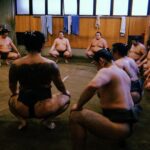
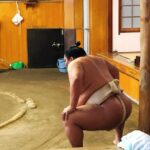
Sumo training before breakfast is special. You’ll step into a real sumo stable in Ryogoku and watch wrestlers train up close, in the place where they live and work. It’s not a show. It’s morning practice, with an English guide helping you understand what you’re seeing.
I love the up-close training. Sitting nearby, you feel how fast and forceful the rounds are, and the whole thing is quiet and disciplined in a way TV never shows. I also love the licensed guide and the explanations about sumo rules, traditions, and the tournament routine that shapes every drill.
One drawback to plan for: you have to stay until the end of the practice, usually around 09:00 to 10:00 AM, and leaving early means no re-entry. If you don’t do well sitting still for a solid stretch, this may test your patience.
In This Review
- Key things to know before you go
- Ryogoku is your real entry point to Tokyo sumo
- How the morning flow works, from meeting point to stable seating
- What you’ll actually see during sumo training
- Your guide turns the chaos into clear sumo meaning
- Photo rules and etiquette you must follow in the stable
- Price and value: is $81 worth it?
- Who this tour fits best (and who should skip it)
- Should you book this Tokyo sumo morning practice tour?
- FAQ
- How long is the Sumo Morning Practice Viewing Tour?
- Where does the tour take place in Tokyo?
- What time does the practice usually end?
- Can I leave the stable early?
- Are photos and video allowed?
- What should I wear?
- Is this tour suitable for children or mobility impairments?
Key things to know before you go
- Enter a working sumo stable in Tokyo’s Ryogoku area, not a staged performance
- Watch morning training up close for 60–90 minutes, depending on the day
- Learn the sport in plain English with a licensed guide (often with quiet note cards/help sheets)
- Follow strict etiquette: modest clothes, phone silent, no hats/sunglasses, no flash, no video
- Photos can happen with wrestlers on some days, but it depends on the schedule
- Where you sit matters for the best view and photos, so arrive ready and on time
Ryogoku is your real entry point to Tokyo sumo
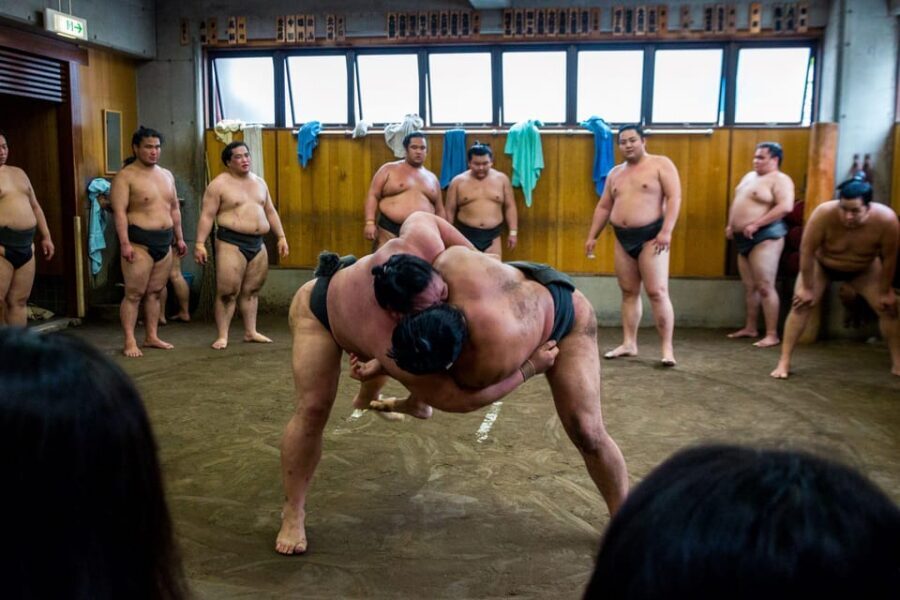
This tour centers on Ryogoku, the Tokyo neighborhood tied to sumo. Even before you reach the stable, you get that sense of place. Ryogoku is where people come for sumo culture—stadium area, sumo shops, and the kind of streets where you feel like you’re in the sport’s neighborhood, not just passing through.
That setting is a big part of the value. You’re not simply watching the end result of sumo. You’re seeing what happens every day to build the strength, timing, and technique that matter in the ring. And because you’re in Ryogoku, you can easily keep the theme going afterward. Once the tour ends, you can move on to sumo meal restaurants without a complicated change of plans.
Also, Ryogoku timing works well for travelers. A morning practice tour fits neatly into a full day of Tokyo sightseeing. And if you’re also going to a tournament during your trip, you’ll start noticing the sport in a totally different way. You’ll already know why certain drills matter.
A few more Tokyo tours and experiences worth a look
How the morning flow works, from meeting point to stable seating
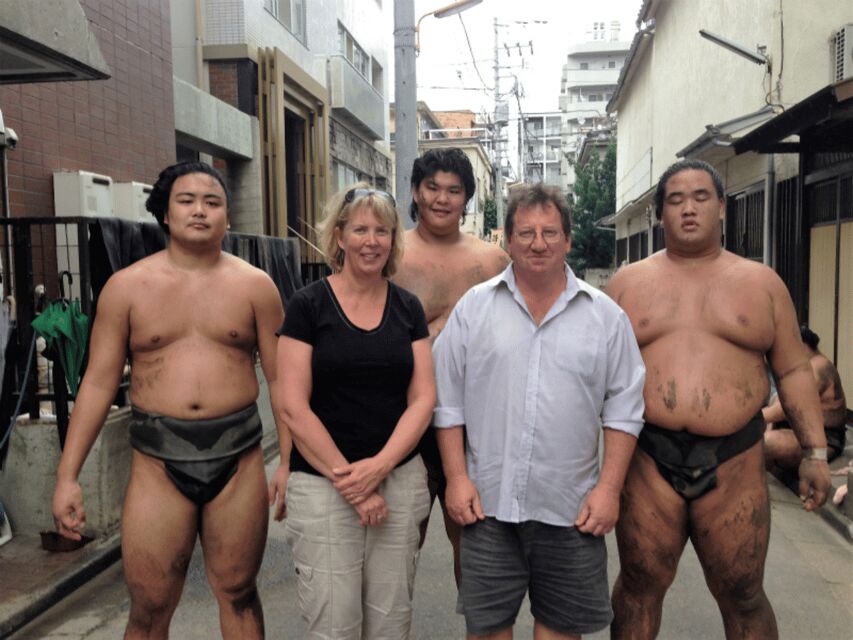
Your meeting point can vary, and after you meet, the group may take a train to the sumo stable. The walk/transfer portion is short—think about 15 minutes to get settled—then the tour focuses on what you came for: the practice.
Once you’re at the stable, the guide sets the tone fast. You’ll get instructions on where to sit and what rules you need to follow during the training. Then you settle in for the main event: watching sumo morning practice until the end of the session. The duration is typically 60–90 minutes during the practice window, and the total experience lands around 90 minutes to 2 hours.
Two rules are non-negotiable, and they affect your planning more than you might expect:
- You must stay until the end (around 09:00–10:00 AM).
- If you leave, there’s no re-entry.
So, if you have a tight commitment afterward, tell the operator ahead of time. In practice, you’re trading some scheduling flexibility for a rare access experience.
Seating is another small detail that can make a big difference. One common tip that comes up is to arrive early and be ready to follow the seating plan quickly. In at least some sessions, groups can be set up for a fairly sized group (around 30 is possible), and the view for photos can depend on where you end up.
What you’ll actually see during sumo training
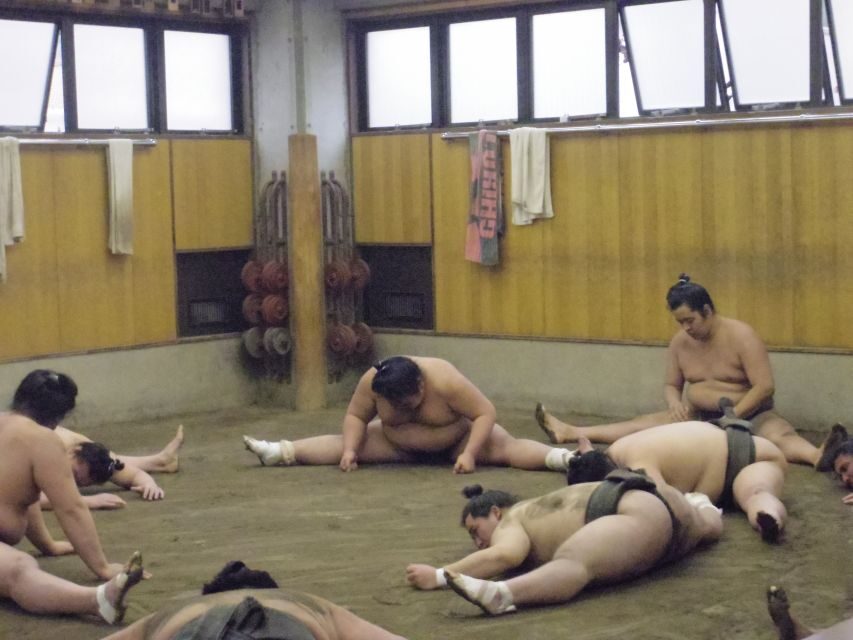
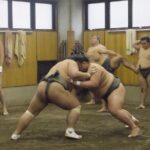
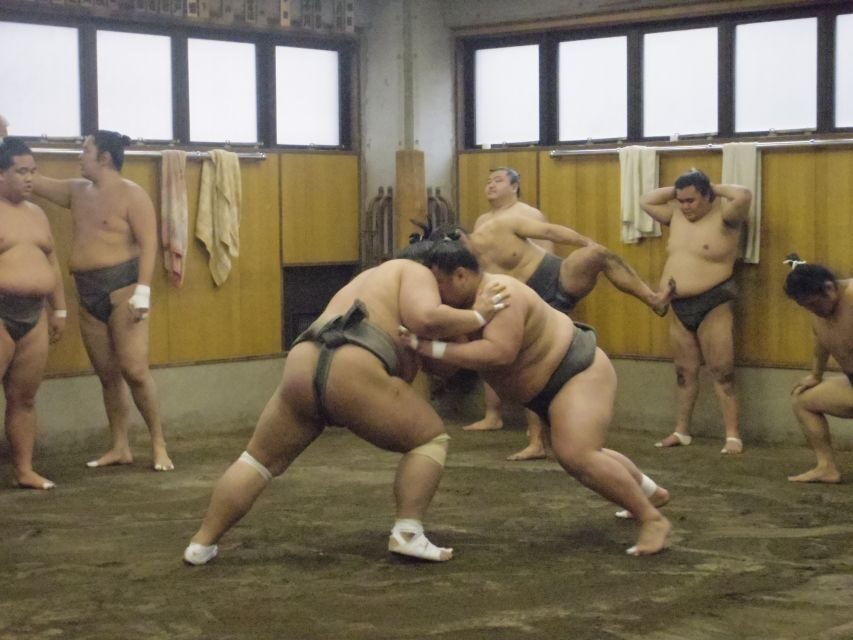
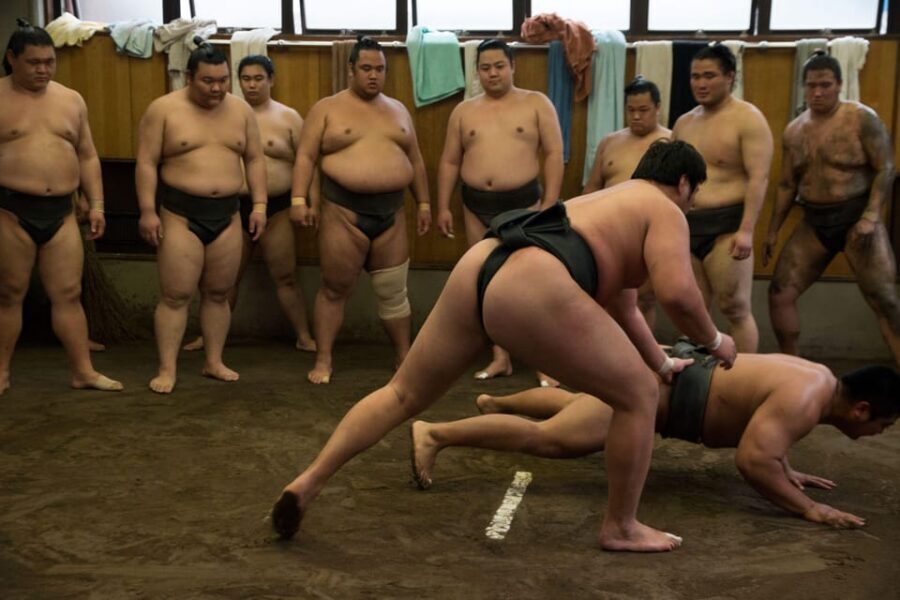
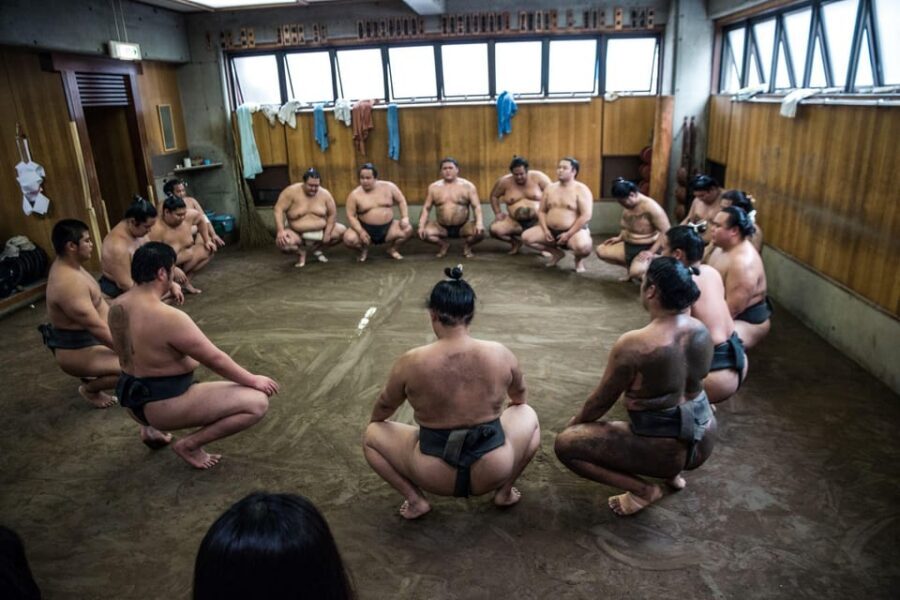
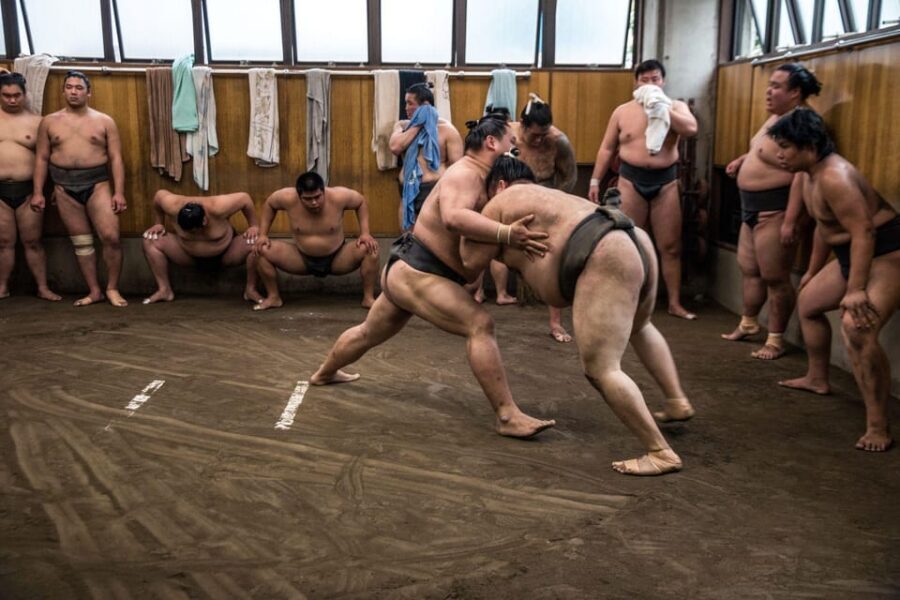
Sumo practice is training, not performance. You’ll watch wrestlers work on technique with a mix of drills and bouts that build toward tournament readiness.
Here’s the basic idea of sumo you’ll want in your head before the practice starts: wrestlers try to force their opponent out of the ring or make any part of the opponent’s body touch the ground. That goal shapes everything you see. You’ll notice footwork, balance, gripping, pushing, and sudden direction changes that happen in seconds.
The intensity is the thing that surprises most people. Training is happening almost every day in the morning, and these athletes are preparing for tournaments held six times a year. In the sessions you see, you’re watching young wrestlers chase rank while living together as a team. You’re not just observing athletic work. You’re seeing a whole lifestyle built around discipline.
Up close, sumo has a different sound than you expect. When the wrestlers collide and drive, it’s loud and physical—enough that it can feel intense even if you’ve watched matches on TV. And because you’re so close, you can spot the tiny adjustments that lead to a win or a slip.
Also, practices can feel different day to day. Some days, famous names may be on the floor; other days, you might catch a training moment that’s still just as telling. Either way, you’re getting the real rhythm of stable life: focused, repetitive practice with purpose.
Your guide turns the chaos into clear sumo meaning
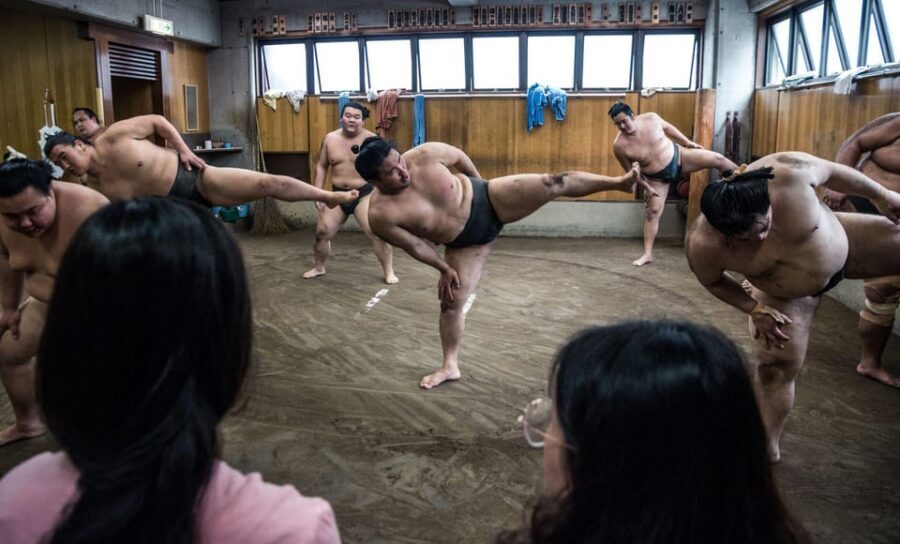
The guide is the difference between watching sumo as random action and understanding it as a craft.
The tour includes an English-speaking, licensed guide, and the guides tend to do a lot more than walk you from A to B. They explain what you’re seeing, why it matters, and how stable rules work. They also keep the group together and safe during the move to the stable.
If you’re wondering about the human side, you can look for names you may recognize from past sessions. Guides such as Oku San, Yuko, Yoko, Noriko, Kaz, Taku, Mako, Nobu, Miwako, Tad, and Daigo appear in documented experiences. That’s a helpful signal: the guides aren’t just reading scripted facts. They bring real personality and a strong connection to sumo culture.
During practice, you’ll often have to be quiet and still. Guides commonly support that with small tools like explanation cards or help sheets, and they may point out what matters in the moment. Even when you’re not allowed to record video, the guidance keeps you from feeling lost.
Some sessions also include chances to ask questions after training, and the stable staff can be welcoming. That’s part of why this tour is so popular: you don’t just observe. You get context that makes the whole sport click faster.
Photo rules and etiquette you must follow in the stable
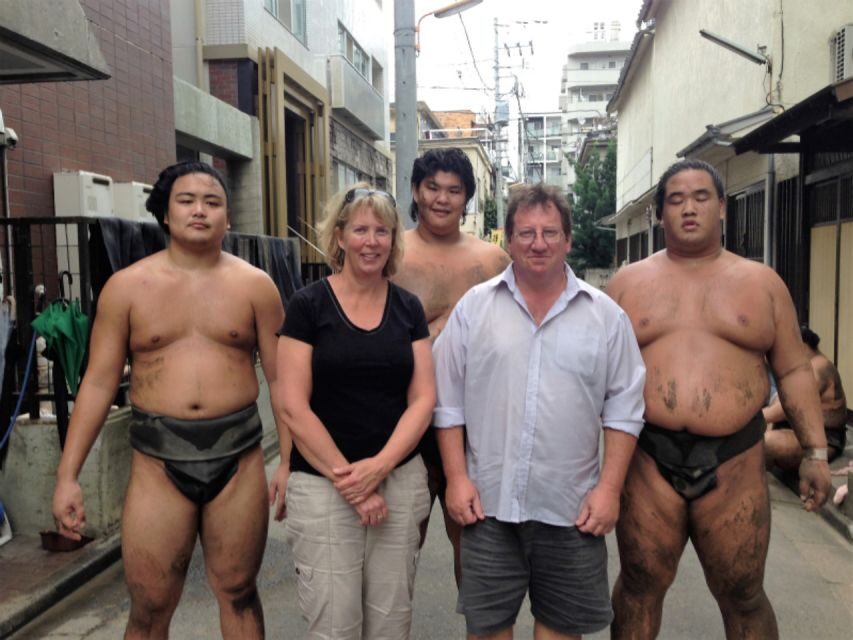
This is a working place, so the etiquette rules aren’t decoration. They protect the athletes’ focus and keep the stable functioning.
Before you go, pack a plan based on the restrictions you’ll follow inside:
- No hats
- No sunglasses
- No food or drinks
- No flash photography
- No video recording
- Phone must be on silent
- Don’t stand or move around during practice
- Wear modest clothing only
If that sounds strict, that’s because it is. And it’s also why the experience feels genuine. You’re not treating athletes like entertainment props. You’re behaving like a respectful visitor in someone’s workplace.
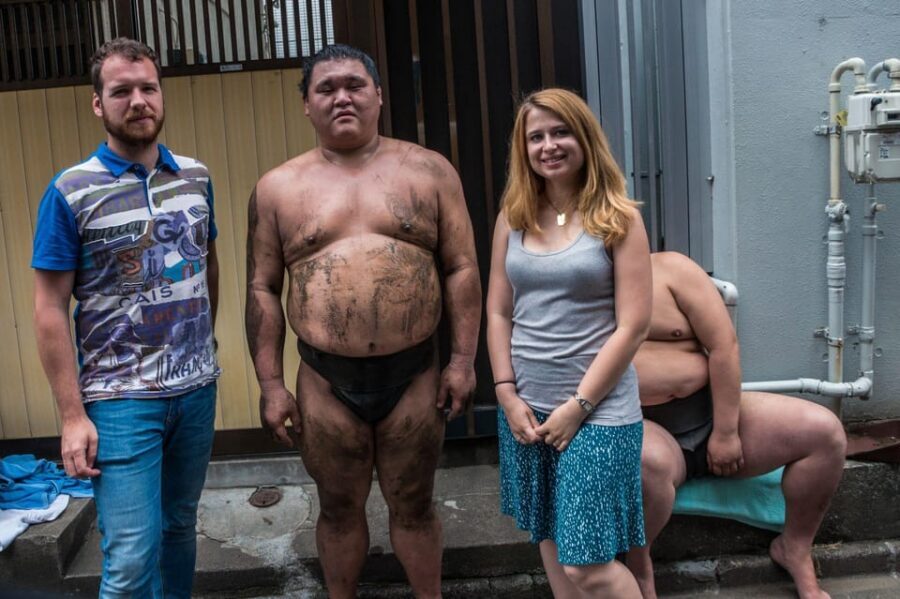
About photos: the tour can include photos with wrestlers, but it depends on the day. Don’t assume you’ll definitely get it. Still, be ready, because when it happens, it’s usually one of the memorable parts of the morning.
One more practical tip: silence is part of the experience. Even if you’re eager to talk about what you’re seeing, save it for after the practice. You’ll get more out of the guided explanations too.






Price and value: is $81 worth it?
At $81 per person for a 90-minute to 2-hour experience, this tour isn’t cheap. But it also isn’t a generic entry ticket.
You’re paying for three things at once:
- Access to a real sumo stable that isn’t generally open to the public.
- A licensed English guide who translates sumo culture and practice into something you can understand.
- A close-up, morning-only viewing window that you can’t recreate elsewhere in Tokyo.
That access matters because sumo stable openings can be limited. In many cases, stables have historically been open mainly for sponsors. So when you’re allowed in, you’re seeing training in the place where the sport actually happens.
It also helps that you get the sport’s context, not just the spectacle. Many people do this because they’re trying to understand sumo beyond the basics—especially if they can’t catch a tournament during their stay. With tournaments held six times a year, it’s not always easy to line up your travel dates with the right event.
The other value angle is practical. After training, you’re already in sumo territory, with easy options for food. And the morning format gives you a full day in Tokyo after a unique cultural activity.
Is it worth it for everyone? If you want constant action, lots of recording, and a party-like atmosphere, this probably won’t fit. But if you want real training, respectful access, and a guided understanding of traditions, the price starts to make sense.
Who this tour fits best (and who should skip it)
This is best for:
- Sumo fans, or people who want a real feel for sumo culture
- Travelers who don’t mind sitting on the floor and staying still
- People who appreciate rules and quiet during a workplace-like experience
- Anyone traveling in Ryogoku or planning to visit a tournament area later
It’s not a great fit for:
- Children under 11
- People with mobility impairments, since the stable practice setting is not suitable
One more personal-check question: how do you handle early mornings plus strict etiquette? If you can follow directions and stay through the full practice window, you’ll likely feel like this was a once-in-a-lifetime Tokyo morning.
Should you book this Tokyo sumo morning practice tour?
If your goal is authenticity, I think you should seriously consider booking. You’re getting access to a working sumo stable in Ryogoku, watching training up close, and learning what you’re seeing from an English guide. The rules are strict, but that’s exactly what keeps the experience respectful and real.
Skip it only if you’re likely to get restless sitting still, you can’t commit to staying until the end of the practice, or you need accommodations due to mobility constraints. If those are not issues, this is one of the strongest ways to experience Tokyo sumo beyond the arena.
FAQ
How long is the Sumo Morning Practice Viewing Tour?
The duration is typically 90 minutes to 2 hours, with the practice viewing lasting about 60–90 minutes depending on the day.
Where does the tour take place in Tokyo?
The stable is located in Ryogoku in Tokyo, one of the most famous areas connected with sumo.
What time does the practice usually end?
You need to stay until the end of the practice, which is usually around 09:00 to 10:00 AM.
Can I leave the stable early?
No. Once you leave the stable, there is no re-entry, so you must plan to stay through the full practice.
Are photos and video allowed?
You can have photos with wrestlers when available, but flash photography is not allowed and video recording is not allowed.
What should I wear?
Wear modest clothing only, and you should not bring hats or sunglasses.
Is this tour suitable for children or mobility impairments?
It is not suitable for children under 11 and is not suitable for people with mobility impairments.