REVIEW · TOKYO
Watch Sumo Morning Practice at Stable in Tokyo
Book on Viator →Operated by Beauty of Japan · Bookable on Viator
Morning sumo is silent, close, and brutally physical. This experience gets you into a real sumo stable for the morning grind, where the focus is on discipline and routine, not performance. I love the small-group feel that makes the action feel close and personal.
You’ll also finish with an included photo session with the wrestlers, which is a nice payoff for the early start. The main drawback is also simple: you’ll sit on the floor for a long stretch (often around 60 to 90 minutes), and comfort can be an issue if your knees or back are touchy.
In This Review
- Key Points You Should Know Before You Go
- Ryogoku Kokugikan Mornings: Why This Area Works for Sumo
- The Schedule Reality: 60 to 90 Minutes Means Plan Like a Pro
- Getting There Without Stress: Meeting Spot Plus Practical Japan Tactics
- Inside the Stable: What You’ll Actually Watch (Warmups to Sparring)
- The Floor Test: Sitting Comfort Is the Biggest Make-or-Break Factor
- Viewing Tips: How to Get a Better Line of Sight
- Photo Time at the End: Included, But Stay Flexible
- Price and Value: Is $95.77 a Fair Trade for Early Mornings?
- Guide and Explanation: Sometimes It’s Quiet, Sometimes You Get Context
- Who Should Book This (and Who Should Skip It)
- Should You Book This Sumo Morning Practice?
- FAQ
- How long is the sumo morning practice?
- Where does the experience take place?
- Do I need to get to the meeting point myself?
- Is food included?
- Are photos included?
- What are the age and seating requirements?
Key Points You Should Know Before You Go
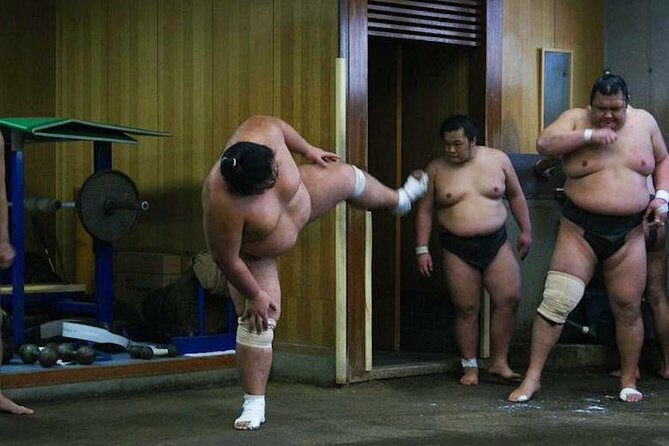
- Real morning practice, with real rules: expect silence and tight etiquette around the dohyo.
- Small group size (up to 10): you’re not swallowed by a crowd.
- Time varies by season and tournament schedules: duration can shrink in January, May, and September tournament season.
- Front-row viewing takes effort: arrive early if you want a better sightline.
- Photos are included at the end: stay through to the photo moment even if the practice runs long.
- Mobile ticket + confirmation timing: confirmation arrives within 48 hours, but stable timing can be confirmed closer to the date.
Ryogoku Kokugikan Mornings: Why This Area Works for Sumo
This practice visit is built around Tokyo’s sumo hub area, tied to the Ryogoku Kokugikan zone. That matters because you’re not hunting across the city for some vague meeting point and then hoping a stable is willing to let a crowd in.
The big draw here is that you’re watching a stable routine, the kind that happens every morning when the city is still waking up. Sumo looks simple on TV. In real life, it’s controlled, repetitive, and quietly intense until it isn’t.
A few more Tokyo tours and experiences worth a look
The Schedule Reality: 60 to 90 Minutes Means Plan Like a Pro
The published window runs in the early morning, and the practice length can change. Most days you’re looking at 60 to 90 minutes, but during sumo tournament season in Tokyo (around January, May, and September, roughly mid-month to late month), the practice can be only 30 to 40 minutes, even though the price stays the same.
This timing flexibility is not a gimmick. It’s how stable life works around tournaments held at other times. So if you’re visiting in a tournament-heavy period, set expectations for a shorter session and treat it like a fast, focused hit of technique rather than a long watch.
Also note: the exact ending time varies day to day. That’s why I recommend you don’t schedule anything critical right after your slot. If the practice runs long, your end-of-session photo moment could shift too, since the stable controls the flow.
Getting There Without Stress: Meeting Spot Plus Practical Japan Tactics
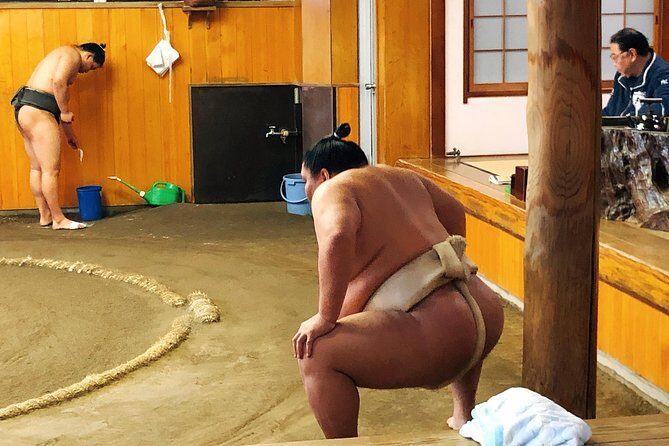
The plan is straightforward: you make your own way to the Tokyo meeting point, then you meet your group and head inside. The organizer also aims to prevent you from getting lost by using a prearranged meeting spot, which is a big quality-of-life win.
That said, this is one of those experiences where the last mile can still trip you up. One very practical tip: if you’re coming from Asakusa Station, some people find a taxi easier, especially because many taxi drivers may not read English well. If you use a taxi, it helps to have the venue address in Japanese ready on your phone.
If you’re walking, go early. Arrive with time to spare because once you’re inside, you’ll be committing to a lot of stillness.
Inside the Stable: What You’ll Actually Watch (Warmups to Sparring)
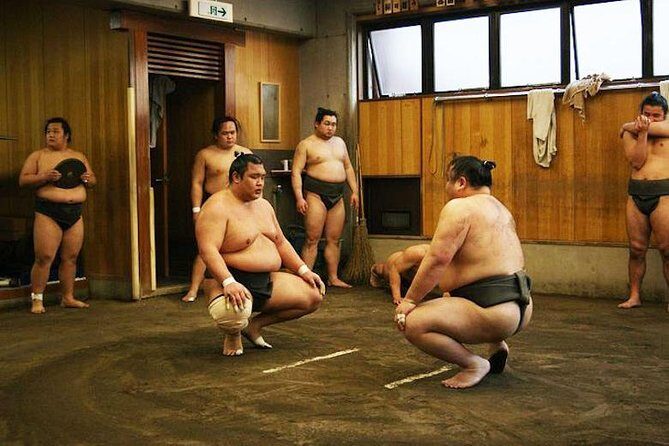
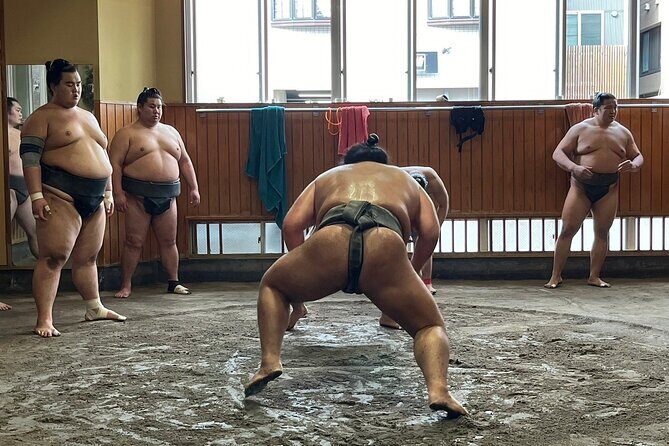
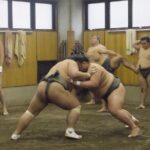
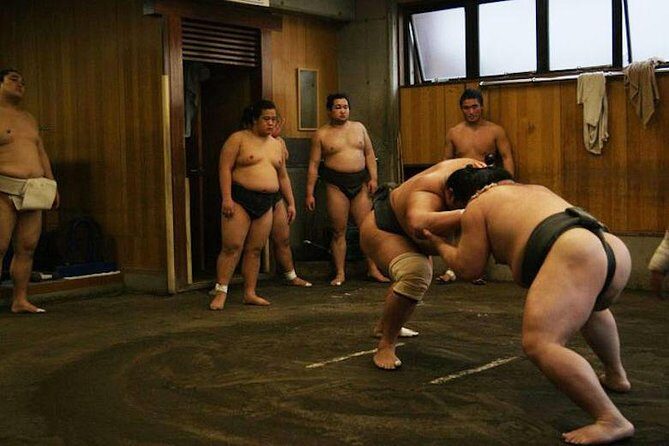
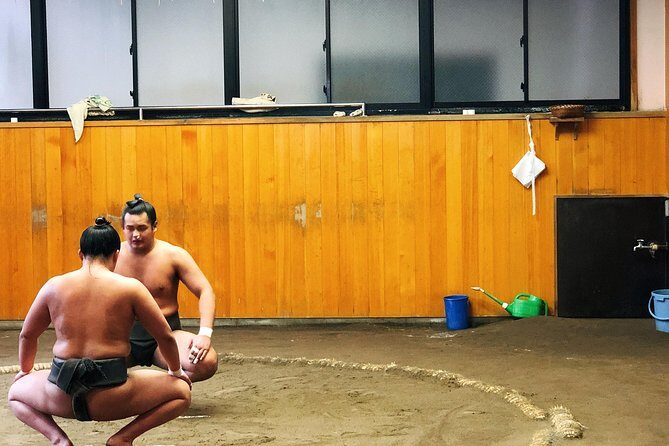
Once you’re seated on the floor, the practice follows a familiar rhythm. You’ll see wrestlers stretch and warm up, and you’ll watch how they work together inside the dohyo ring. It’s not about loud entertainment. It’s about technique, routine, and building control.
You’ll also see the serious part of sumo take shape. The session typically includes a slow build toward more contact work, with periods that look like they’re repeating training basics. But that repetition is the point, and after a while you start noticing the tiny adjustments that make the difference during sparring.
Etiquette is part of the show. You should assume total silence is the safest bet. Avoid eating during the session, keep your voice low, and don’t use camera flashes or intrusive sound. Phones should be in silent mode. The stable is a workplace, and you’re watching it from extremely close range.
The Floor Test: Sitting Comfort Is the Biggest Make-or-Break Factor
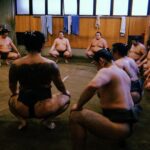
This experience requires long periods of sitting on the floor. Reviews and the tour details both line up on this: you should be ready for a floor-based session where you might need to tuck your legs or sit cross-legged for extended stretches.
There are chairs, but don’t assume you’ll get one automatically. Some chairs may be limited, and comfort can still vary depending on where you sit in relation to others. One common issue is discomfort on the seating surface, especially if you’re sensitive to hard floors.
My practical advice:
- Bring a plan for comfort in advance. If you have knee or back problems, consider requesting a chair or stool ahead of time.
- Arrive with your body already warmed up from walking. Then settle in early so you’re not trying to reposition repeatedly.
If you hate long floor seating, this is the one thing that can turn a fascinating ritual into a patience test.






Viewing Tips: How to Get a Better Line of Sight
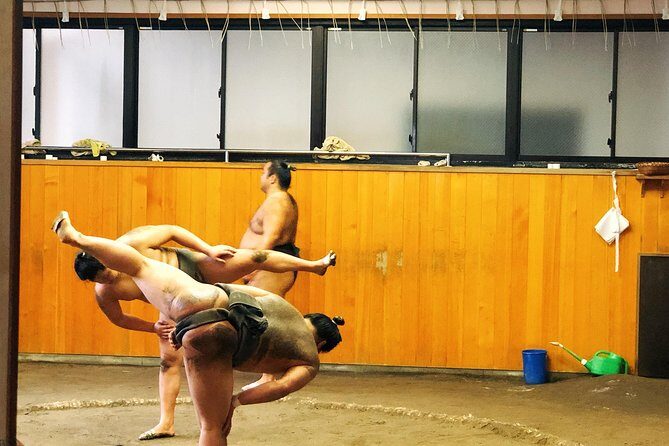
Because you’re sitting close, your view is about placement. Some people love the intimacy of being near the action. Others run into a simple problem: if someone sits directly in front of you, your view can be blocked for a big chunk of the practice.
This is why arriving early matters. If you want a front-row or closer line of sight, get there before the room fills. Once everyone sits, it’s not like stadium seating where you can shift easily.
One more thing: if your group size fills the space tightly, sightlines can vary. So even if the stable is small, you still want to think about where you will sit relative to the coach and any higher-position seating.
Photo Time at the End: Included, But Stay Flexible
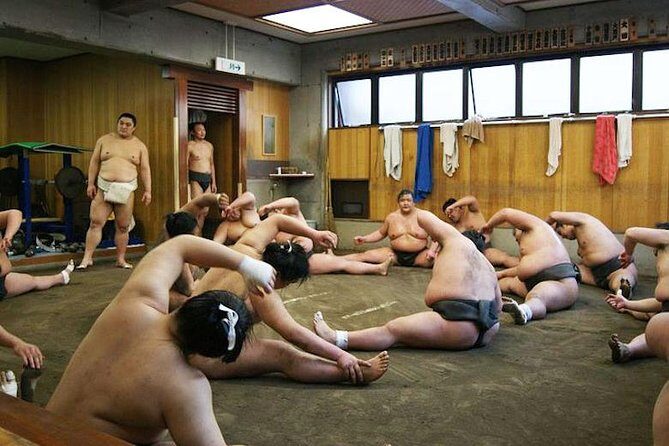
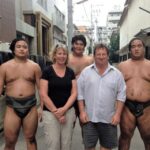
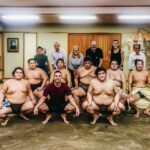
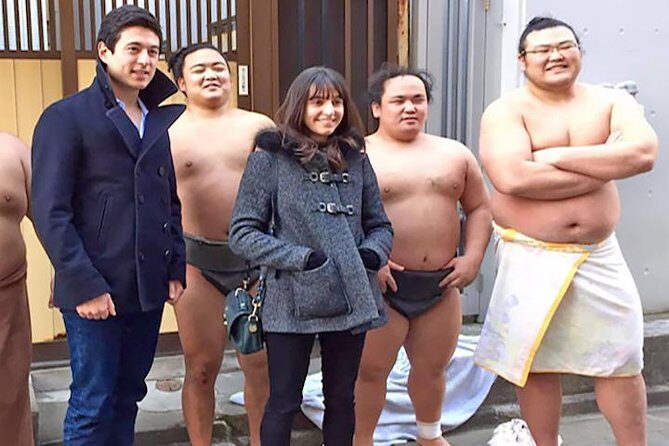
The experience includes photos with the wrestlers at the end. That’s a highlight because it creates a clear finish line: you’re not just watching technique, you also get a personal memory from the encounter.
But timing can be unpredictable. If the practice runs long, you might worry about whether photo time happens on schedule. The good news is that it’s included, and the operator is aware that schedule drift can affect the photo moment. Still, the practical takeaway is to stay through the end rather than treating the slot like a strict 8:00 to 9:30 event.
When it comes to photos, be ready to move fast and follow the instructions given at that moment. This is not the time to troubleshoot your camera settings.
Price and Value: Is $95.77 a Fair Trade for Early Mornings?
At $95.77 per person, this isn’t the cheapest thing you can do in Tokyo. But it’s also not just a ticket. You’re paying for access to a real stable morning practice, in a controlled setting, with an included entry fee and a photo session.
The value is strongest if you truly enjoy process over spectacle. Sumo practice can look repetitive at first glance. Then it clicks: you start seeing the structure behind the power, the way warmups and training flow into heavier sparring.
The main value question comes down to your comfort tolerance and your timing. If your visit overlaps tournament season, the practice can shrink to 30 to 40 minutes while the price remains the same. In that case, you’re still getting authentic access, but you’ll want to mentally prepare for a shorter watch.
Guide and Explanation: Sometimes It’s Quiet, Sometimes You Get Context
The experience is designed around a small group and a guide. Still, the amount of explanation you get can vary. Some people end up with very little spoken context and mostly experience the practice as observation-only.
Other times, you may get a more conversational intro about sumo history or what you’re seeing. For example, one reviewer mentioned a guide named Ricko and support from Hiroko through True Japan Tours, with a discussion on sumo history. That kind of context can turn what looks like a repetitive routine into a more meaningful watch.
My advice: if you care about understanding the rules and hierarchy, do a little reading before you go. Even a short primer on how sumo ranks and relationships work can make the silence feel less mysterious.
Who Should Book This (and Who Should Skip It)
This is a great fit if you:
- Want an authentic morning ritual, not a tourist show
- Enjoy watching real training and want close access
- Can handle quiet rules and floor seating
- Like cultural experiences that reward patience
It’s a weaker fit if you:
- Can’t sit on the floor comfortably for an extended time
- Expect guided commentary throughout the session
- Want a very long, standing-friendly viewing format
Also, there’s a minimum age of 13 years, and the session is not positioned as a kid-friendly romp. It’s more like a training window into a serious workplace.
Should You Book This Sumo Morning Practice?
Book it if you’re the type who likes the real deal: small group, strict etiquette, and watching sumo practice from extremely close range. If you prepare for floor seating and arrive early for sightlines, you’ll likely feel you got your money’s worth.
Skip or choose another option if your priority is comfort or you need constant explanation. The practice itself is genuine, but the format is still basic: silence, sitting, watching, then photos.
If you want my simplest decision rule: if you can handle 60 to 90 minutes on the floor, this is one of the more memorable sumo experiences in Tokyo that’s still about training.
FAQ
How long is the sumo morning practice?
Most sessions run between 60 and 90 minutes. During Tokyo tournament season (around mid-month to late month in January, May, and September), practice can be shorter, around 30 to 40 minutes.
Where does the experience take place?
The visit is tied to the Ryogoku Kokugikan area in Tokyo. You meet at an assigned Tokyo meeting point, then you head into the stable for the practice.
Do I need to get to the meeting point myself?
Yes. You make your own way to the Tokyo meeting point and meet your guide and small group there.
Is food included?
No. The experience does not include any food or beverages.
Are photos included?
Yes. Photos with the sumo wrestlers are included at the end of the practice.
What are the age and seating requirements?
The minimum age is 13 years. The activity requires sitting for long periods on the floor.