REVIEW · OSAKA
Osaka: Matcha Making Experience with Japanese Sweets
Book on GetYourGuide →Operated by Sushi Making Japan | Cooking Class in Japan · Bookable on GetYourGuide
Making matcha feels oddly calming.
This Osaka experience turns a simple drink into a hands-on cultural lesson, with an interactive, lighthearted quiz on matcha history and a proper whisking setup led by English-speaking staff. I especially love the small-group feel and the way you get to drink what you make, not just watch. One watch-out: it’s only 1 hour, so you’ll leave with skill and clarity, but not a full-length tea-ceremony deep dive.
I also like that it’s staged in central Osaka—near Dotonbori and Shinsaibashi—so it fits cleanly between food stops. The session ends with Japanese sweets alongside your matcha, which makes the tasting part feel natural rather than rushed. The main drawback to consider is logistics: there’s no hotel pickup, and the meeting spot is inside a building on the third floor, so you’ll want to find it before class time.
In This Review
- Key things I’d highlight before you go
- Matcha Making Osaka: a one-hour class that actually teaches
- Where the class happens near Dotonbori and Shinsaibashi
- What you do during the 1-hour matcha making experience
- 1) Start with matcha history, in a quiz-style format
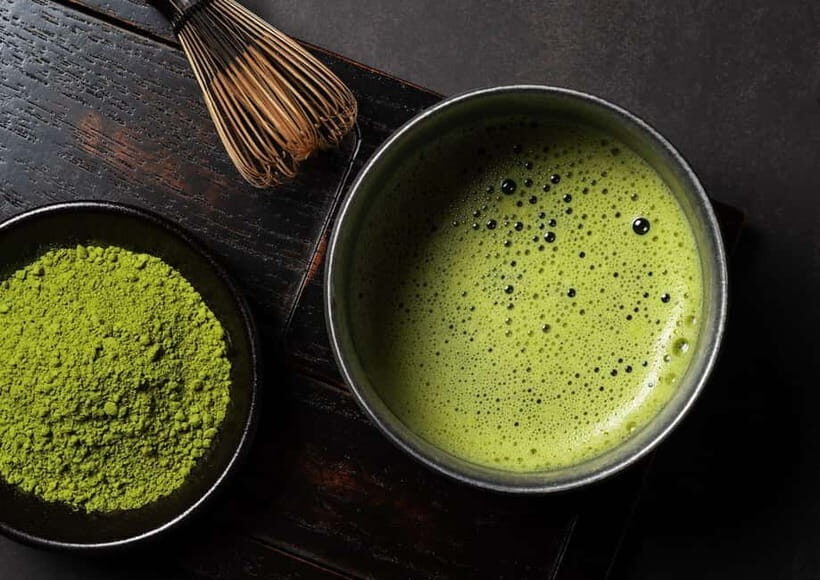
- 2) Whisk your matcha with traditional tools
- 3) Drink your matcha, then eat Japanese sweets
- How the price stacks up for Osaka: $22 for skill, ingredients, and guidance
- Who this class is best for (and who might prefer something else)
- Small group size: why max 6 changes the whole vibe
- English instruction that stays practical (not awkward)
- Timing and how to fit it into your Osaka day
- What to ask your instructor while you’re there
- Bringing matcha home: what you’ll realistically take with you
- Should you book Matcha Making Osaka?
- FAQ
- FAQ
- What is the duration of the Matcha Making Osaka experience?
- How much does it cost per person?
- Is this activity in English?
- Do I need any prior experience to join?
- What is included in the price?
- Is hotel pickup or drop-off included?
- Where is the meeting point?
- How many people are in a group?
- Is there free cancellation?
- Can I reserve and pay later?
Key things I’d highlight before you go
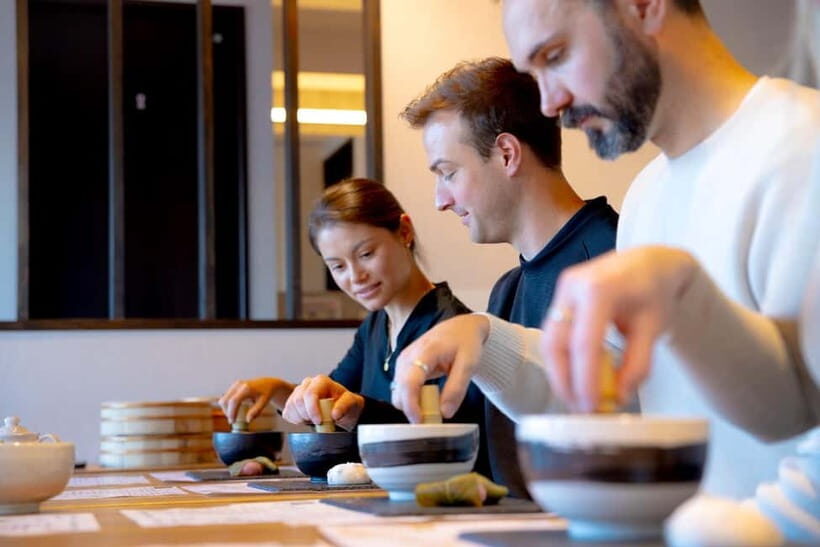
- Interactive matcha history quiz that keeps it fun and easy to follow
- Hands-on whisking with traditional tools, coached like a tea master
- Taste plus sweets at the end, with local staff guiding you through
- Central location near Shinsaibashi, easy to pair with street food walks
- Small group size (max 6) for better attention and questions
- English-speaking instructors including names like Serin Sensei, Fujiko, and Shota
Matcha Making Osaka: a one-hour class that actually teaches
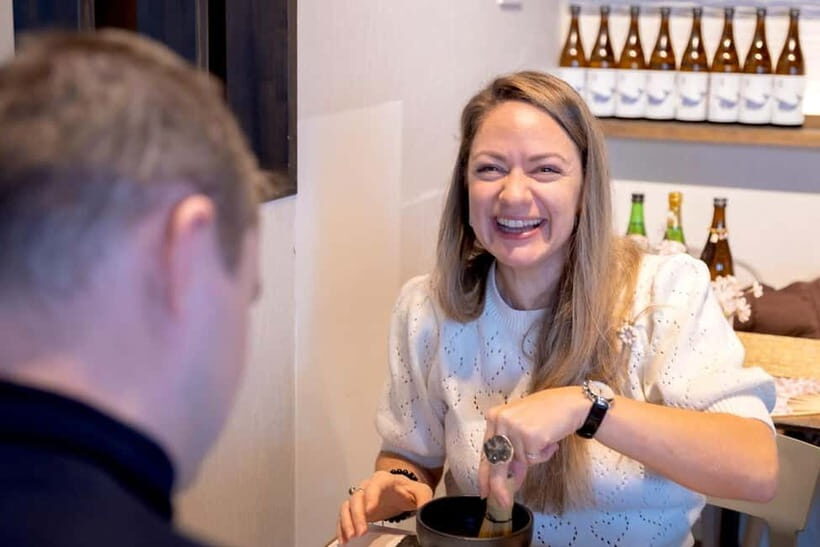
Osaka is a food city, loud and fast. So when you find something that slows you down for an hour and gives you a real skill, that’s the good stuff. This matcha making experience focuses on three things: understanding matcha, learning how to whisk it correctly, and tasting it with Japanese sweets.
The class runs for 1 hour and is designed for both solo visitors and groups. No experience is required, and the staff teach in English, which matters because matcha has a few technical points—powder quality, water temperature, and the whisking motion—that you want explained, not guessed.
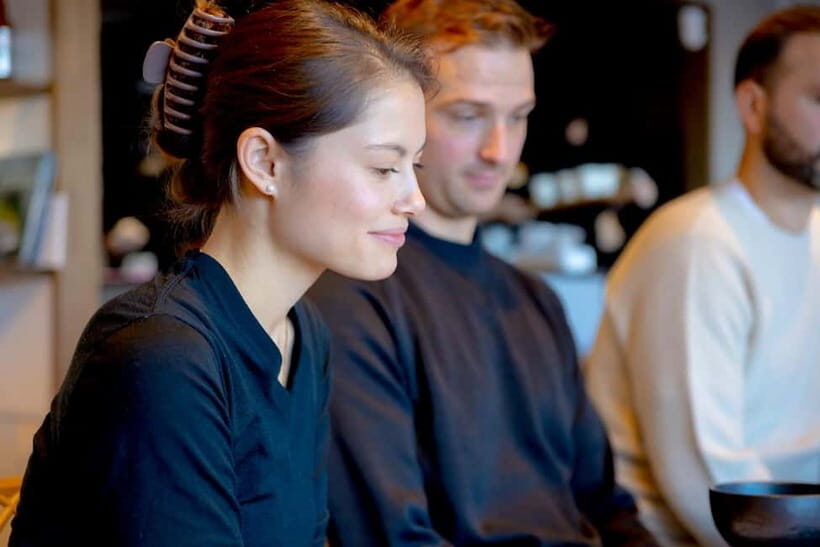
I also like the teaching tone described across sessions: fun, interactive, and patient. People often mention instructors like Serin Sensei and Reika, Fujiko, Takara, Shota, and Yui. That’s a strong hint that you’re not just getting instructions—you’re getting a guide who enjoys teaching.
A few more Osaka tours and experiences worth a look
Where the class happens near Dotonbori and Shinsaibashi
The meeting point is on the 3rd floor, Galleria Acca Building, about a 5-minute walk from Shinsaibashi Station. If you’re walking in from the busy lanes around Dotonbori, it helps to plan for a quick “find the building” moment.
Coordinates are 34.6723159, 135.5024459 if you’re using a map app. And one practical tip from the vibe of feedback: the location can feel a bit tricky at first, so don’t wait until the last minute to arrive.
Why this matters: being central means you can do this early afternoon break, or squeeze it in between shopping and street food. You’ll spend less time commuting and more time actually learning.
What you do during the 1-hour matcha making experience
The experience is straightforward. That’s the point. In a single hour, you get a mini lesson plus hands-on practice plus tasting.
1) Start with matcha history, in a quiz-style format
You begin with matcha history through an interactive and lighthearted quiz. This isn’t a lecture. The quiz format makes the basics stick fast—where matcha fits in Japanese tea culture, why whisked tea is different from steeped tea, and what to pay attention to when you later taste.
I like this structure because it gives you a mental checklist. After the quiz, when you see the whisk, the bowl, and the powder, it actually means something instead of being a prop.
2) Whisk your matcha with traditional tools
Next comes the hands-on part. You whisk your own matcha using traditional tools like a tea master would. In plain terms, this is where most people get the real payoff: learning the correct motion so the drink turns smooth rather than chalky.
A repeated theme in feedback is how instructors help you get that smooth result. People mention getting guidance step-by-step and being shown how to whisk so it comes together.
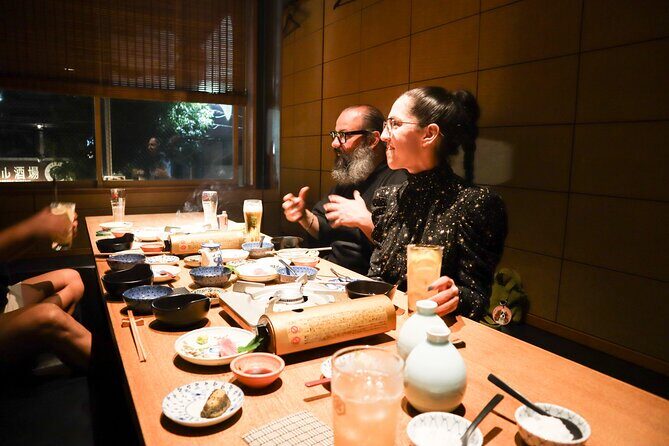
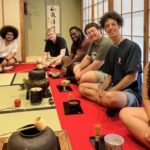
Also, the class setup feels thoughtful. One person noted the table design so you don’t have to kneel on the floor, while still keeping a traditional feel. That’s useful if you’re expecting the formality of tea culture but want comfort for your body.



3) Drink your matcha, then eat Japanese sweets
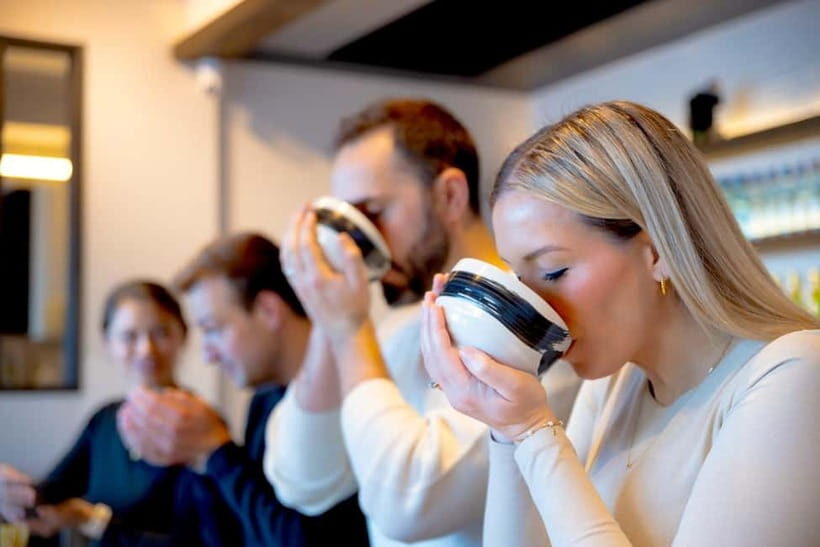
Finally, you drink what you made, with Japanese sweets served alongside. This pairing is important. Matcha can taste grassy and earthy; sweets balance it, and you learn what kind of flavors work together.
The tasting portion is also where the staff interaction shines. English-speaking instructors help you understand what you’re tasting and how matcha should feel in the cup.
If you’re the type who likes to bring a souvenir that isn’t a t-shirt, you might enjoy seeing what tools you used. One review mentioned buying a chawan bowl, which is the kind of take-home item that can make practicing at home feel more authentic.
How the price stacks up for Osaka: $22 for skill, ingredients, and guidance
The listed price is $22 per person for a 1-hour class. That includes the cooking class, ingredients, and the instructor. Hotel pickup and drop-off are not included.
For Osaka, this is a pretty fair value because you’re paying for three things that are hard to DIY:
1) instruction (especially the whisking technique),
2) ingredients and tools (so you’re not hunting down matcha equipment),
3) a structured tasting so you know what “good” should taste like.
Where you might feel the cost a bit is if you only want a quick snack or you’re not interested in matcha beyond trying it once. But if you want to learn how to make matcha—not just order it—this is one of those “cheap for what you get” situations.
Who this class is best for (and who might prefer something else)
This Osaka matcha making experience is a strong match for:
- Food lovers who want something cultural that still feels fun
- Beginners who want a guided first attempt at whisking matcha
- People who want to escape the heat or crowds for an hour
- Solo travelers who appreciate small groups and conversation
- Families looking for a calm, structured activity (one session included an 9-month baby)
It may be less ideal if you’re expecting a long, formal tea ceremony with multiple courses and extended ritual. Here, the focus is on a practical skill and tasting experience within a short time window.
Small group size: why max 6 changes the whole vibe
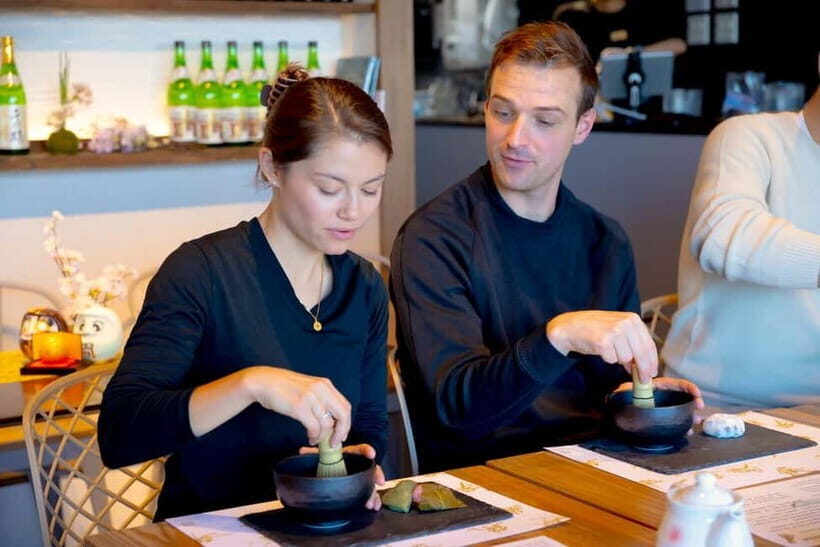
The class is limited to 6 participants. That’s not just a number; it affects everything. You get more chances to ask questions, get help with whisking, and get guidance if your matcha doesn’t look right at first.
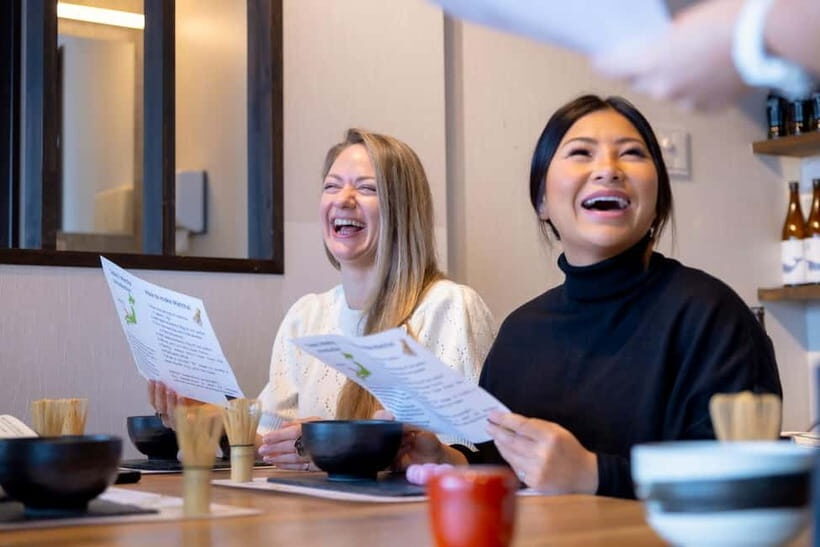
Many people also highlight the personal, friendly feel. They describe instructors as energetic, funny, and easy to talk to. When the group stays small, those personality traits matter more because you’re not shouting over a crowd.
English instruction that stays practical (not awkward)
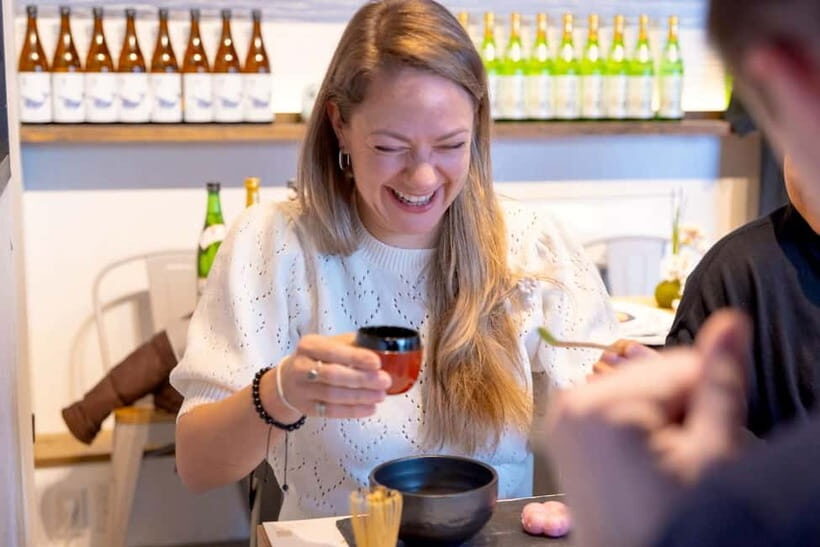
The staff are English-speaking, and the teaching style comes across as interactive. People specifically note good English and an ability to answer questions.
That’s key because matcha questions are usually practical:
- How do I whisk so it’s smooth?
- What should I notice when I drink it?
- What makes this matcha taste different?
If you’ve ever worried that Japanese food classes will be hard to follow, this one is built for clarity from the start.
Timing and how to fit it into your Osaka day
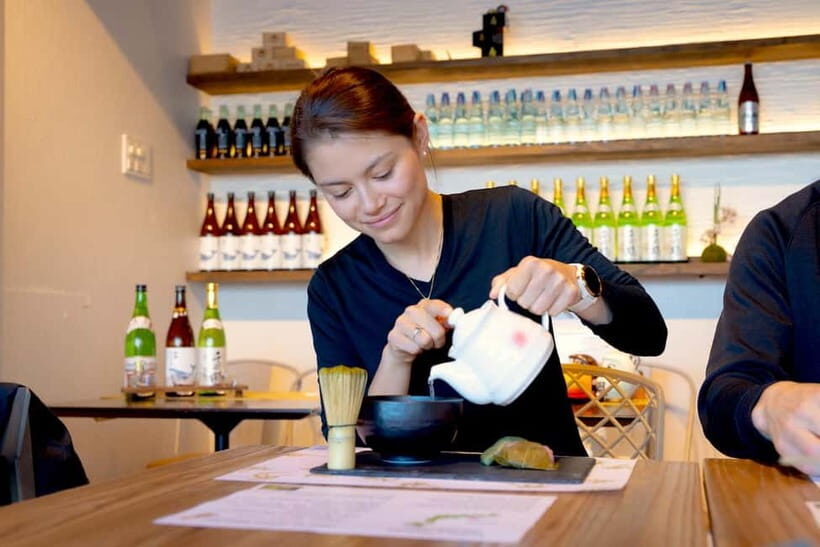
You’ll want to treat this like a scheduled pause in your day. It lasts 1 hour, and it’s centered near Shinsaibashi. That makes it easy to plan around:
- morning shopping and coffee,
- a midday break from walking,
- or an evening culture stop before you head back out for dinner.
Because there’s no hotel pickup, you’ll need to arrive on foot or by transit and be ready to go upstairs to the meeting room.
Tip: arrive a few minutes early. The meeting point is inside a building, and once you find it, the rest is easy.
What to ask your instructor while you’re there
You’ll likely have time to talk, and questions can make the experience feel more personal. Here are smart ones that don’t require you to know Japanese tea jargon:
- What whisking motion should I practice at home?
- How can I tell if my matcha is mixed smoothly enough?
- What sweetness should I pair with matcha, and why?
- Are there tools (like a chawan) you recommend if I want to practice?
Instructors such as Fujiko, Shota, Yui, and Takara are mentioned often, and the teaching tone is described as patient and interactive—so ask.
Bringing matcha home: what you’ll realistically take with you
This is not a “collect a souvenir and forget it” activity. It’s the opposite. You leave with:
- a basic understanding of matcha and why it’s made the way it is,
- hands-on familiarity with whisking,
- and tasting experience that helps you judge quality and flavor balance.
If you want to keep the momentum, you might even buy tools like a chawan if available. One review specifically mentioned that kind of purchase, which suggests the class environment supports take-home practice.
Should you book Matcha Making Osaka?
Yes—if you want an Osaka activity that’s short, guided, hands-on, and directly tied to taste. The combination of English-speaking instruction, small group size, and the fact that you whisk and drink your own matcha makes it a strong beginner-friendly choice.
Book it especially if:
- you’re in the Shinsaibashi and Dotonbori area and want a calmer hour,
- you want to learn a technique you can repeat,
- you like Japanese sweets and want to understand how they pair with tea.
Skip it if:
- you’re only looking for a quick snack with no interest in technique,
- you prefer long-form ceremonies or museum-style deep lectures.
FAQ
FAQ
What is the duration of the Matcha Making Osaka experience?
The class lasts 1 hour.
How much does it cost per person?
The price is $22 per person.
Is this activity in English?
Yes. The instructor and experience are listed as English.
Do I need any prior experience to join?
No experience is needed. The staff guide participants in English.
What is included in the price?
The included items are the cooking class, ingredients, and the instructor.
Is hotel pickup or drop-off included?
No. Hotel pickup and drop-off are not included.
Where is the meeting point?
The meeting point is 3rd floor, Galleria Acca Building, about 5 minutes walk from Shinsaibashi Station.
How many people are in a group?
It’s a small group limited to 6 participants.
Is there free cancellation?
Yes, free cancellation is offered up to 24 hours in advance for a full refund.
Can I reserve and pay later?
Yes. The activity offers a reserve now and pay later option.