REVIEW · OSAKA
OSAKA NIGHT FUSION Japanese Taiko Kabuki Samurai Dance Show
Book on GetYourGuide →Operated by 株式会社TryHard Japan · Bookable on GetYourGuide
Taiko meets kabuki at full volume. Osaka Night Fusion mixes traditional stage arts with high-energy dance music, and it actively pulls you into the action with audience participation. It’s the kind of Osaka night out that feels like culture class, gym class, and a party all at once.
I especially like the show’s variety—taiko drums, shamisen, shakuhachi, and kabuki-style storytelling all happening in one program. I also love the interactive moments, where performers bring the crowd in instead of just watching from the dark.
One thing to keep in mind: the show may include content not suitable for all audiences, including explicit lyrics. If you’re bringing kids, you’ll want to think carefully about that warning and plan for a more adult tone.
In This Review
- Quick Hits: Osaka Night Fusion at a Glance
- Osaka Night Fusion at Tempo Harbor: What You’re Really Signing Up For
- Ticket Value: Is $40 a Fair Price?
- Finding Tempo Harbor Theater (4F): The Part That’s Easiest to Screw Up
- Before the Show Starts: Arrive Early and Get Ready to Join In
- Inside the Show: Taiko, Kabuki, Samurai, and Dance Music in One Program
- Audience Participation: How It Works and How to Stay Confident
- The Instruments You’ll Actually Hear: Shamisen and Shakuhachi Moments
- Language and the Adult-Content Note: Plan Smart
- Seats, Photos, and the End-of-Show Beat
- Who This Show Is Best For (and Who Might Prefer Something Else)
- Should You Book Osaka Night Fusion?
- FAQ
- Where is the meeting point for Osaka Night Fusion?
- How early should I arrive?
- Is entry allowed after the show begins?
- What does the ticket include?
- How long is the performance?
- What languages will I hear during the show?
- Is there audience participation?
- Is the show suitable for all ages?
- Where does the activity end?
Quick Hits: Osaka Night Fusion at a Glance
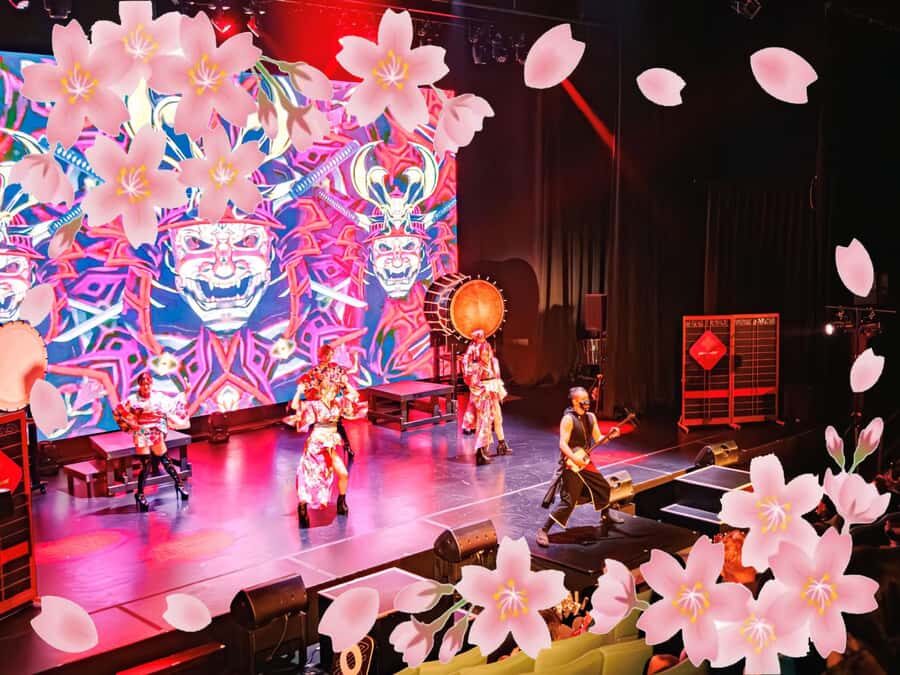
- Interactive audience participation led by the performers, including moments tied to big taiko energy
- Traditional instruments meet modern dance music, with taiko, shamisen, and shakuhachi on the same stage
- Kabuki and samurai elements appear with a creative, tourist-friendly adaptation for the format
- Refined costuming and stage performance—kabuki-like flair plus ninja/samurai vibes
- Photo moment after the show with the ensemble (a fun souvenir to end the night)
Osaka Night Fusion at Tempo Harbor: What You’re Really Signing Up For
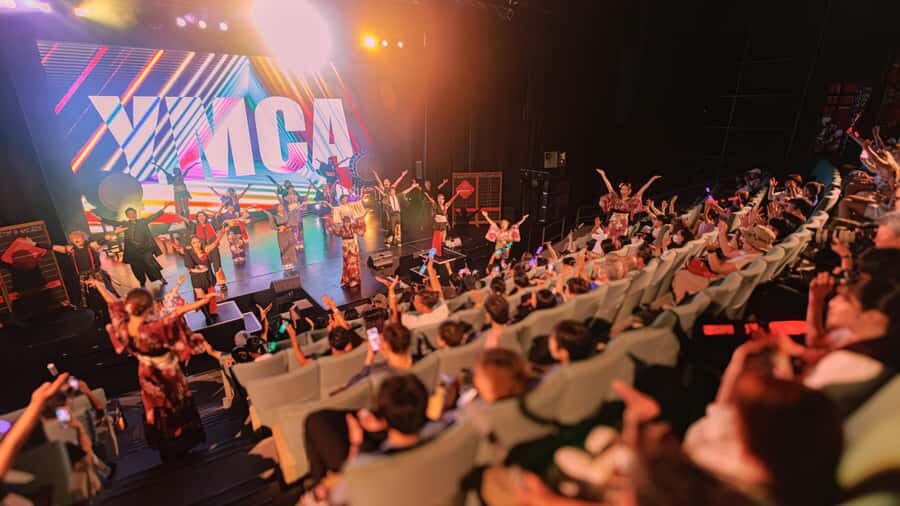
Osaka Night Fusion is a Japanese dance show built around a simple idea: don’t just watch tradition—get hit with it. The program brings together taiko drums, kabuki-style theatrical movement, and samurai/ninja-inspired elements, then drives everything with dance-music energy. It turns culture into something you feel in your body, not just something you watch quietly.
The show also has a strong “stage conversation” vibe. Performers don’t leave you behind in your seat. There are times when they guide you to participate, and the energy keeps rising instead of staying polite and distant.
You’ll want to treat this as an evening event, not a museum-style performance. Expect movement, sound, and audience involvement from start to finish.
You can also read our reviews of more evening experiences in Osaka


Ticket Value: Is $40 a Fair Price?
At $40 per person, Osaka Night Fusion sits in the “serious night out” category—but the value is real. You’re paying for a full theatrical production, not a short demo. The show is about 50 minutes in length, and it packs a lot into that time: multiple art styles, big sound moments, and interactive segments.
Where the value really shows is the mix. You get traditional Japanese instruments and performance styles (taiko, shamisen, shakuhachi, kabuki) plus modern dance-music pacing. That means it works even if you’re new to Japanese performing arts. You’re not being asked to know the background first—you’re being given the experience upfront, with performers leading the rhythm and timing.
If you’re looking for a low-commitment way to get a high-energy taste of Japanese stage arts in one night, this is one of the better-priced options in Osaka that still feels like a true production.
Finding Tempo Harbor Theater (4F): The Part That’s Easiest to Screw Up
Meeting place is Tempo Harbor Theater on the 4th floor of the Osaka Cultural Center area. You can reach the venue by taking the escalator inside Osaka Cultural Center.
This is worth noting because the show is strict about timing. You’ll want to show up early enough to get settled, find your seat, and mentally switch gears. Once the show begins, entry isn’t allowed due to production reasons. That means arriving “almost on time” can cost you the whole experience.
Practical move: when you get inside, don’t linger. Get to the 4th floor, check where the theater entrance is, and take a minute to look for signage. If you’re going to participate, being comfortable in your seat matters.
Before the Show Starts: Arrive Early and Get Ready to Join In
The instruction is clear: arrive at least 5 minutes before start time. If you can do more than that, do it. You’ll likely want a few minutes to settle without rushing.
Also, keep in mind the show is in Japanese and English. That means you can follow along even if your Japanese is limited, especially during the interactive portions where performers talk to the room.
Because the program includes audience participation, I’d plan to stay alert. Don’t think of it like a passive theater night. You’ll enjoy it more if you’re ready to react when the performers pull you into the moment.
Inside the Show: Taiko, Kabuki, Samurai, and Dance Music in One Program
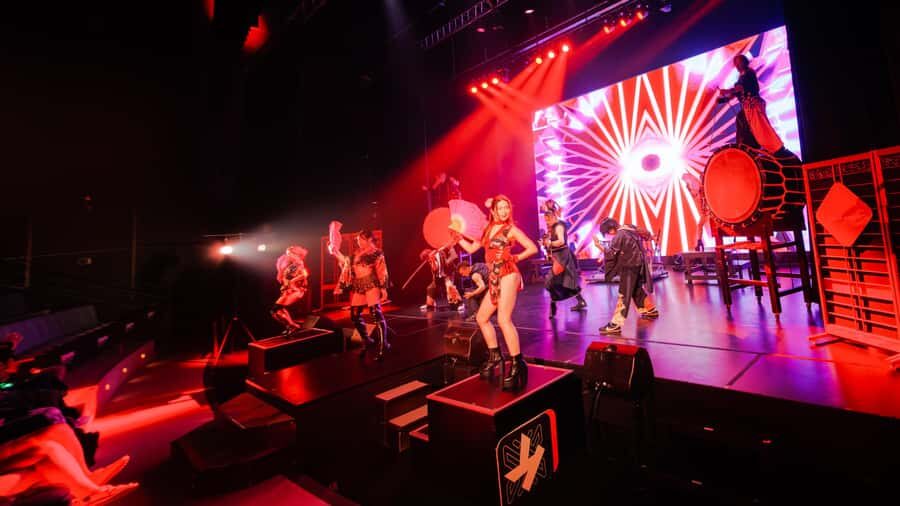
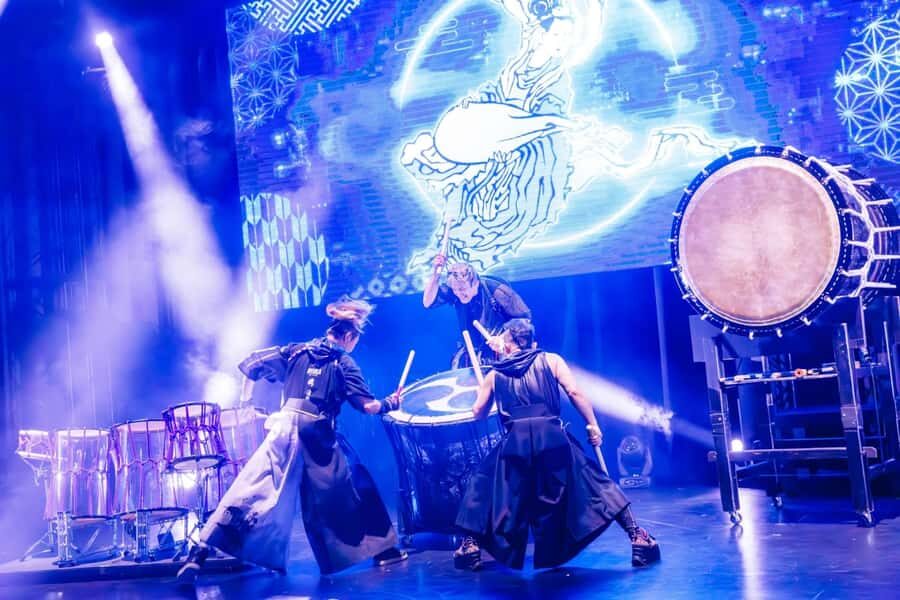
Osaka Night Fusion is structured around variety and momentum. The stage work moves between refined Japanese performance styles and modern high-energy dance-music beats. You’ll see taiko drumming moments that feel like “main event” punctuation, plus other instrument moments that keep the rhythm changing.
Here’s what you can expect from the performance blend:
- Taiko drums provide big-impact sound and that thrilling sense of volume and timing
- Shamisen and shakuhachi add recognizable Japanese tones and texture
- Kabuki elements bring theatrical body language and costume drama
- Samurai and ninja-inspired elements show up as stylized action and character flair
- Dance music energy keeps the pacing fast and modern, so it doesn’t feel like a slow traditional lecture
What makes this format work is that each style has a job. Taiko grabs your attention. The string and flute instruments add Japanese atmosphere. Kabuki-like movement and samurai/ninja flavor give you storytelling. Then the dance-music drive ties it together so you don’t drift.
Even if you don’t catch every detail, the timing and energy carry you through.
A few more Osaka tours and experiences worth a look




Audience Participation: How It Works and How to Stay Confident
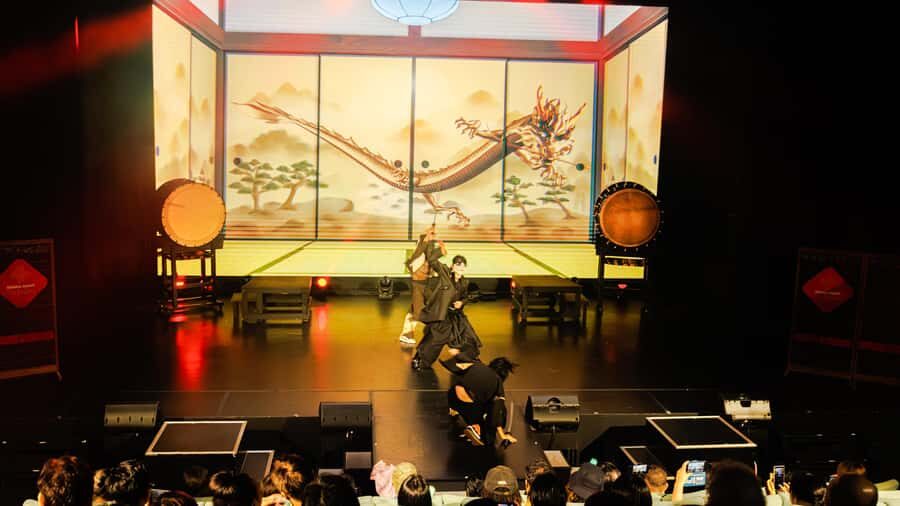
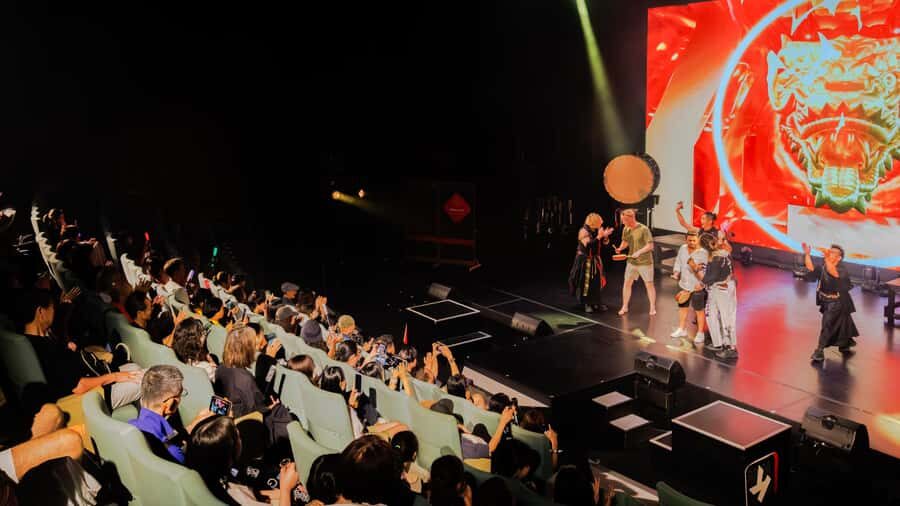
Audience participation is one of the biggest reasons this show scores so highly. The performers lead the interactive segments, and the crowd isn’t just asked to clap on cue. You may be guided into moments where you can join in directly—one key example is around the taiko energy, where audience members can be brought into the action (including hitting a big taiko drum).
A helpful way to think about it: they’re not putting you on trial. The show is built for tourists and first-timers. Staff and performers guide the flow so you can take part without needing insider knowledge.
Still, there’s a practical consideration. If you’re seated farther back, you might not catch every participation moment. Front-row seats are more likely to put you close to the interactive parts. If you can choose seats, I’d aim for the front row so you don’t miss the best chances to join.
If you’re a solo traveler and worried about being singled out, you might be relieved by this: the show is designed to keep the crowd engaged broadly, not to embarrass one person. The vibe stays playful.
The Instruments You’ll Actually Hear: Shamisen and Shakuhachi Moments
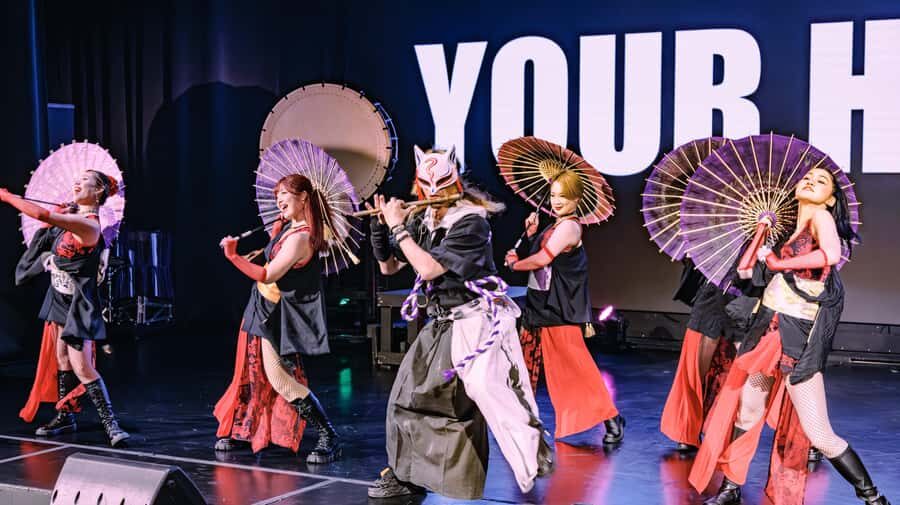
A lot of “fusion” acts can feel like noise on top of culture. Here, the traditional instruments aren’t just decoration. You’ll hear a mix that includes:
- Taiko for pulse and power
- Shamisen for string clarity and dramatic tone
- Shakuhachi for breathy, haunting color that cuts through the percussion
- Plus theatrical movement connected to kabuki and samurai/ninja themes
This is valuable because it gives you more than one flavor of Japanese sound. Even if you’re only casually interested, those distinct instrument voices help you separate what you’re seeing from what you’re hearing. It makes the whole show easier to follow.
And because the show also includes modern dance-music energy, those traditional sounds can feel fresh instead of distant. You might find yourself focusing on timing and texture rather than trying to translate everything.
Language and the Adult-Content Note: Plan Smart
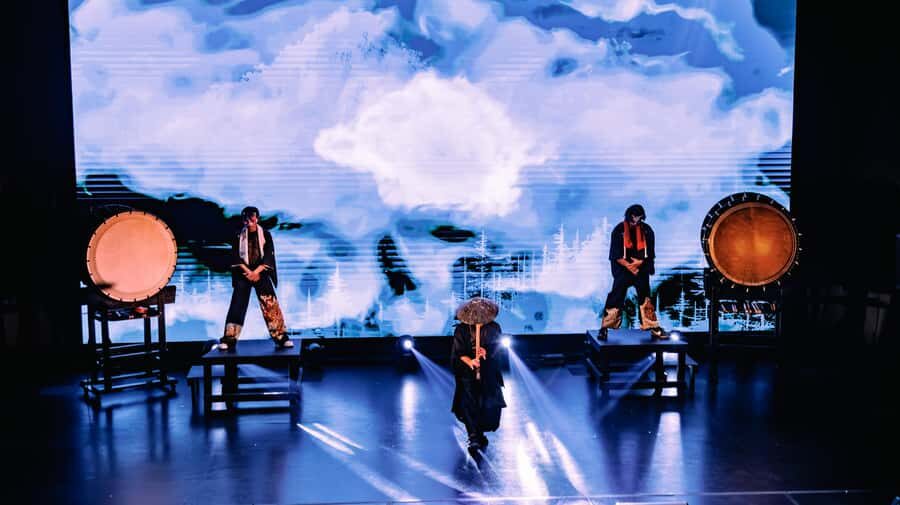
The show uses Japanese and English, which helps during any announcements and guidance for audience participation. That means you can stay involved even if your Japanese is basic.
But there’s a caution you should treat seriously. The show may contain content that isn’t suitable for all audiences, including explicit lyrics. Some descriptions also suggest it leans more adult than kids-friendly in terms of language tone.
So here’s my practical advice:
- If you’re traveling with kids, ask yourself whether they’re comfortable with mature content.
- If you’re sensitive to strong language or lyrics, be prepared for that possibility.
- If you’re going as an adult (or with teens who can handle adult-oriented performance), you’ll likely enjoy the show’s full-throttle attitude.
This isn’t a knock on quality. It’s a fit question. The show clearly aims for fun and energy, and it may not adjust down for younger ears.
Seats, Photos, and the End-of-Show Beat
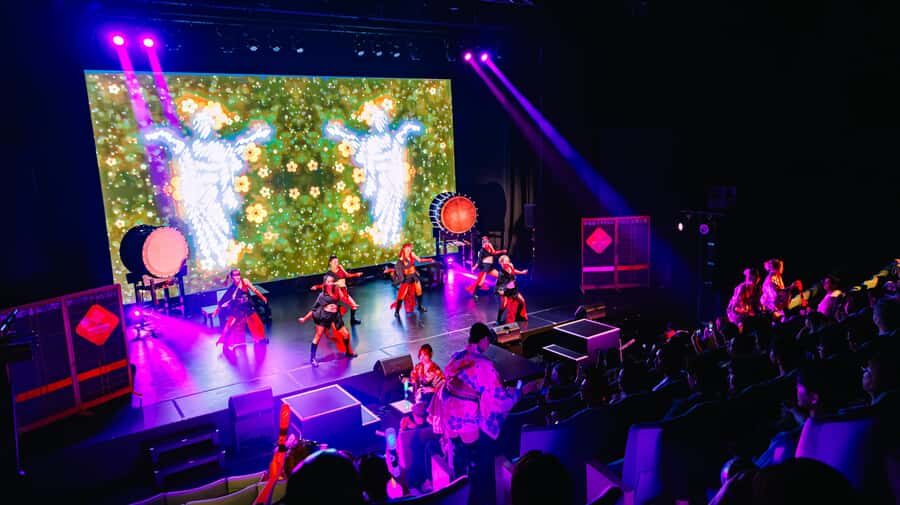
By the end, the show doesn’t just fade out. You’ll get a wrap-up moment with photo opportunities with the performers. That’s a nice souvenir angle because it turns the show into a memory you can share immediately—no waiting, no guesswork.
Seat-wise, I’d lean toward closer seating if you want to participate more. A front-row position increases your odds of being pulled into interactive segments. Even so, the staff try to include the audience as much as possible, so don’t assume “far away” means “no fun.” It just means you might participate differently.
Also, keep expectations realistic: this is a lively performance with movement and sound. Wear comfortable shoes and expect a lot of action on stage.
Who This Show Is Best For (and Who Might Prefer Something Else)
Osaka Night Fusion is ideal for you if you want:
- A high-energy Osaka night with real stagecraft
- A first-time introduction to Japanese performance elements like taiko and kabuki
- An entertaining show where you’re not stuck in passive mode
- A fun option if your group has mixed interests (music lovers, dance fans, and culture seekers)
It might be less ideal if:
- You’re looking for a quiet, formal theater experience with minimal participation
- You need a show that is clearly kids-first (the content warning and potential adult language matters)
If you want one night that feels like Osaka—loud, proud, playful, and a little chaotic—in the best way, this is a strong pick.
Should You Book Osaka Night Fusion?
Book it if you want a 50-minute show that blends taiko, kabuki, shamisen, and shakuhachi with dance music, then gives you a chance to join in. At $40, it’s good value for a production that keeps momentum high and ends with photo opportunities.
I’d skip or reconsider only if you’re bringing younger kids who may not handle mature lyrics/language, or if you really dislike audience participation formats. Otherwise, this is exactly the kind of Osaka experience that turns “I’m in Japan” into a story you’ll replay later.
FAQ
Where is the meeting point for Osaka Night Fusion?
The meeting place is on the 4th floor of Tempo Harbor Theater. You can reach it by taking the escalator inside Osaka Cultural Center.
How early should I arrive?
Please arrive at least 5 minutes before the show starts.
Is entry allowed after the show begins?
No. Once the show begins, you will not be allowed entry due to production reasons.
What does the ticket include?
The included item is the admission ticket.
How long is the performance?
The show is described as about 50 minutes.
What languages will I hear during the show?
The show is in Japanese and English.
Is there audience participation?
Yes. There are interactive segments where performers lead audience participation at certain points during the show.
Is the show suitable for all ages?
The show may contain content not suitable for all audiences, including explicit lyrics. It may be better for older kids and adults rather than young children.
Where does the activity end?
It ends back at the meeting point.