REVIEW · OSAKA
5-Hour Osaka Highlights Bike Tour with Lunch
Book on GetYourGuide →Operated by MagicalTrip · Bookable on GetYourGuide
Osaka feels different from the saddle. This 5-hour bike loop skips the heaviest crowd zones and strings together Osaka Castle Park with Osaka Tenmangu Shrine, an Edo-life museum, and a no-stress ride fueled by lunch and matcha.
I love how much ground you cover without feeling rushed, especially with a small-group setup that makes it easy to ask questions as you go. I also like the food plan: Kagurazaka treats and lunch in an old Japanese house, then a calm finish with matcha and a snack.
One consideration: you’re given the bike, but helmet and Osaka Castle entry aren’t included, so you’ll want to ride carefully and plan on outside views and photos rather than ticketed inside areas.
In This Review
- Key highlights worth marking on your map
- Meeting at FamilyMart Tenmabashi: bikes ready, directions handled
- Osaka Tenmangu Shrine stop: history you can actually walk through
- Osaka Museum of Housing and Living: see Edo Osaka without guessing
- Kagurazaka food tasting and lunch in an old Japanese house
- Cycling into Osaka Castle Park: breezy views without the long walk
- Matcha and snack finale: a calm landing after pedaling
- Pace, group size, and who this tour really fits
- Price and value: what $85 buys you in time saved
- Should you book this Osaka bike highlights tour?
- FAQ
- Where is the meeting point?
- Is the bike included?
- Do I need to bring a helmet?
- Is lunch included?
- Is Osaka Castle entry included?
- What’s included with the food stop?
- What are the vegetarian meal rules?
- How big is the group?
- What happens if it rains?
- What if I have luggage?
Key highlights worth marking on your map
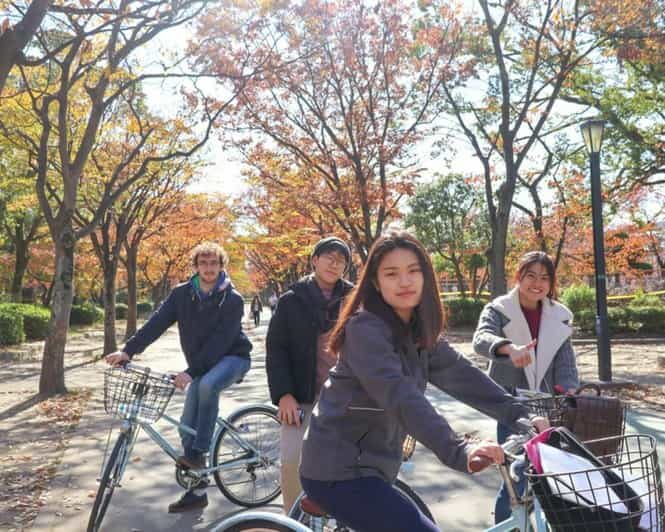
- Small group of up to 6 means you stay together and the pace feels human.
- Bike pickup at FamilyMart Tenmabashi (Exit 2) keeps the start simple and fast.
- Osaka Tenmangu Shrine + a nearby shopping street gives you both tradition and everyday street life.
- Osaka Museum of Housing and Living shows how people lived in the Edo era, not just dates and names.
- Kagurazaka food tasting with an old-house lunch adds real Osaka flavor to the ride.
- Osaka Castle Park cycling trades long walks for breeze and easy photo stops.
Meeting at FamilyMart Tenmabashi: bikes ready, directions handled
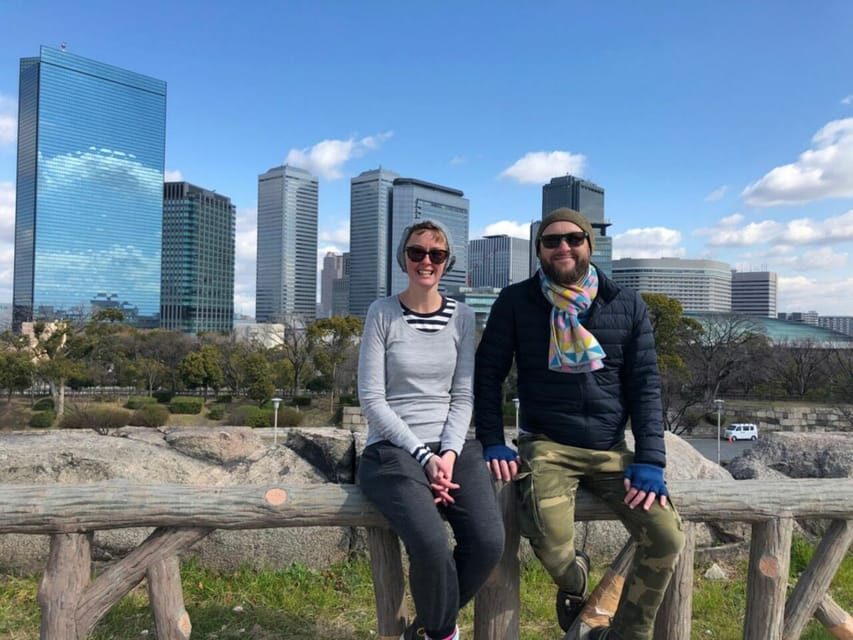
The tour begins right by Tenmabashi Station at a FamilyMart near Exit No. 2. That matters more than it sounds. A lot of Osaka sightseeing turns into “find the meeting point first, then start your day,” but here you start by grabbing your bike and rolling.
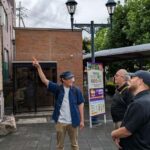
Once you meet your English-speaking guide, you rent a cross bike from the store and get pointed toward cycling roads. From there, the route is guided, with stops built in for photos and explanations, so you’re not constantly checking your phone or wondering which turns are safe.
A couple practical notes to keep you comfortable:
- No helmet is provided. If you prefer one, bring your own.
- Big luggage won’t work. There’s a coin locker by the station (when open), listed at 500 yen, but since it’s coin-operated, treat it as “best effort,” not a guarantee.
If you’re a first-time rider or not super confident in traffic, this is still a good bet. In the past, guides like Ayaka and Megumi have been praised for adjusting pacing and making people feel at ease while cycling with the group.
You can also read our reviews of more cycling tours in Osaka
Osaka Tenmangu Shrine stop: history you can actually walk through
After you start rolling, you head to Osaka Tenmangu Shrine for about 30 minutes, with time for guided sightseeing. This is a strong early stop because it gives you context for Osaka’s identity before you start zooming across parks and rivers.
What I like about a shrine visit on a bike tour is that it’s not just a quick photo. Your guide points out what to notice and connects the place to Osaka’s past and present. The vibe is also calmer than the main tourist circuits, so you get a reset before the day’s bigger sights.
The tour also includes time around a nearby shopping street feel, which helps the day make sense. You’re not only seeing old architecture; you’re seeing how local life sits next to it.
Tip if you’re thinking about timing: arrive ready to slow down. Shrines are one of those places where taking your time makes the difference between a snapshot and a real understanding of what you’re seeing.
Osaka Museum of Housing and Living: see Edo Osaka without guessing
Next comes the Osaka Museum of Housing and Living for about 40 minutes. This stop is one of the biggest “value per minute” parts of the whole tour because it answers a question your brain will ask all day: What did this city feel like before the modern streets?
You’ll learn about the past and present of Japan and specifically how people in the Edo era lived—plus what the city looked like. Instead of just hearing that Osaka was different long ago, you get the visual and spatial idea of everyday life: where people lived, how space worked, and why the city’s layout makes sense even now.
Why this works on a bike tour: by the time you leave the museum, you’ve already got a mental backdrop. Then when you ride through newer streets and green spaces, your “this is Osaka” map gets sharper.
From the past experiences shared, this is also a stop where guides often answer follow-up questions. People have commented on guides like Yoto, Yusuke, and John for explaining not only the facts but how ordinary life might have differed.
Kagurazaka food tasting and lunch in an old Japanese house
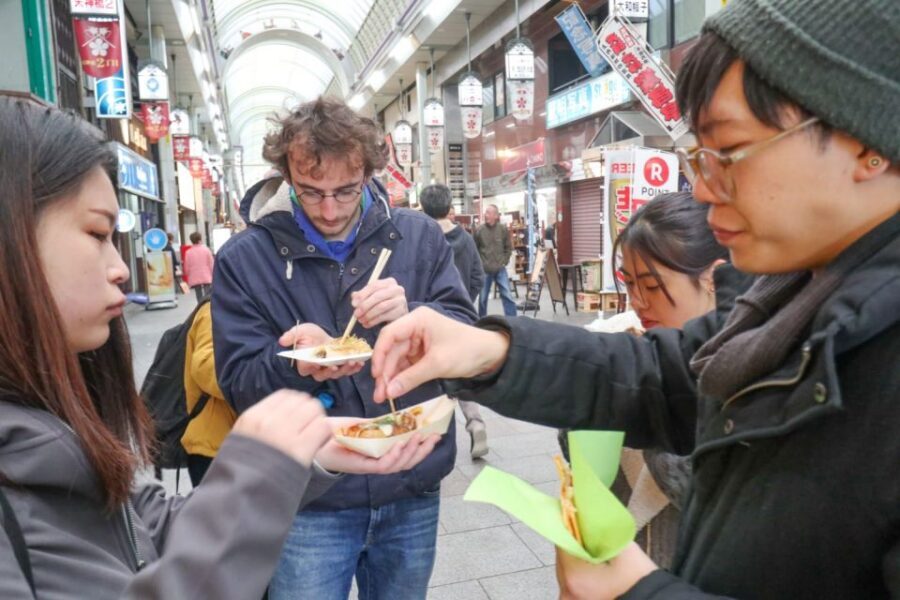
Then the tour shifts gears into food, around 1 hour total for food tasting and lunch. The highlights specifically point you toward Kagurazaka treats such as chimaki (steamed sticky rice wrapped in leaves), steamed buns, or modern sweets. Lunch is served in an old Japanese house, which adds a nice contrast to the day’s cycling.
This is one of the best parts for value. You’re not just getting a meal you could find on your own. You’re getting a planned introduction to what Osaka tastes like, in a setting that feels more “local experience” than “sit down, eat, leave.”
Dietary note you should take seriously: the vegetarian menu includes dashi, which is fish broth. The tour data says there’s no vegan or gluten-free option. If you avoid fish or gluten, you’ll need to plan accordingly before booking.
Also, the matcha later is included, so treat lunch as part of the full flavor arc. The goal here is variety, not a single heavy meal that burns your legs for the rest of the day.
Cycling into Osaka Castle Park: breezy views without the long walk
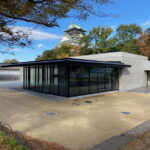
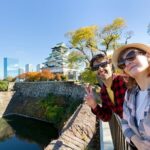
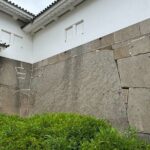
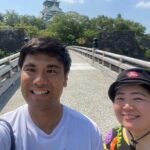
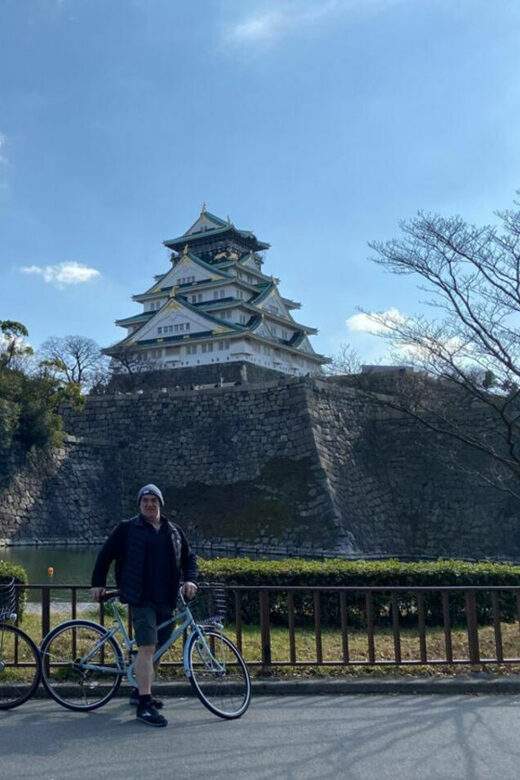
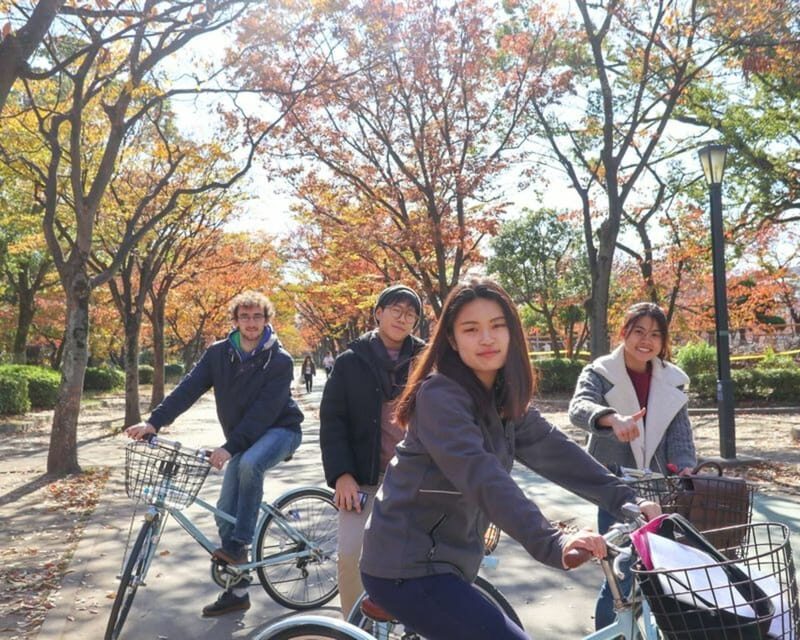
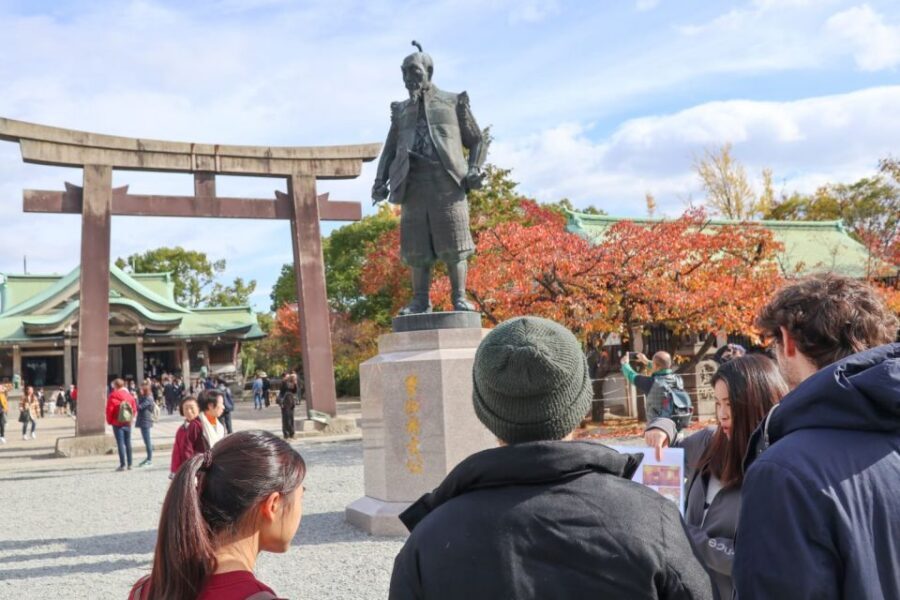
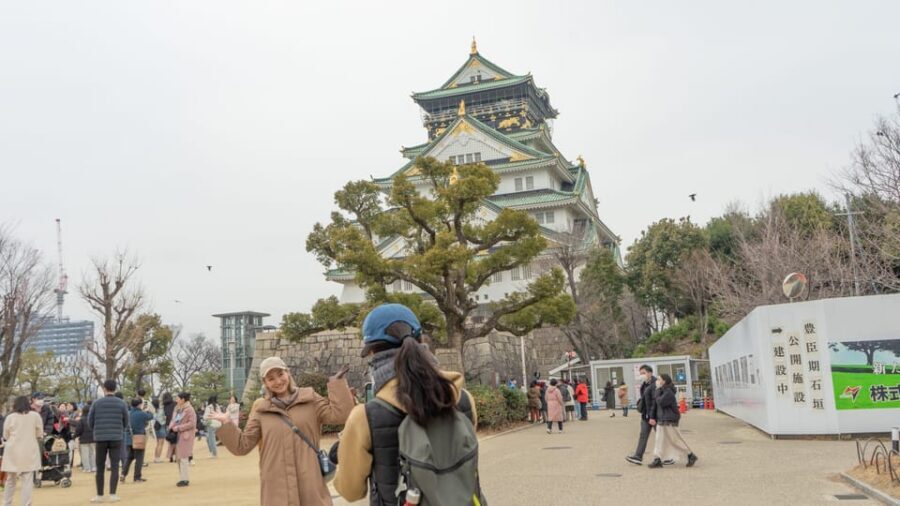
Now for the big outdoor payoff: heading toward Osaka Castle and cycling around the premises and surrounding area. The ride segment is about 40 minutes, including time for photos and sightseeing, and you’re explicitly cycling around the castle grounds rather than trekking on foot all day.
Osaka Castle sits inside Osaka Castle Park, listed at roughly 105 hectares. That’s huge. The bike is what makes this feel enjoyable instead of exhausting. You can move between viewpoints faster and still take breaks for pictures without feeling like your legs are paying a full-day walking tax.
You’ll also feel the breeze as you cycle near the castle area. In warm weather, that’s not just pleasant—it’s practical. It helps you cool down so you can enjoy the photos and stroll time instead of rushing through because you’re overheating.
One more important reality check: entry to Osaka Castle isn’t included. Based on the tour framing, you should expect exterior viewing and photo stops, not ticketed interior grounds. That’s fine for many people, especially if you’re pairing the castle with the shrine, museum, and food stops, but it should shape your expectations.
A few more Osaka tours and experiences worth a look
Matcha and snack finale: a calm landing after pedaling
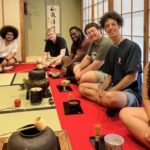
After the cycling and castle area time, the tour finishes with a small cafe where you can try matcha green tea along with snacks. Matcha isn’t treated like a random add-on. It’s the cooling-off moment after you’ve spent the day moving: sit, sip, and let your feet recover.
This ending also makes the day feel complete. You get history in the shrine and museum, local food in Kagurazaka, outdoor scenery around the castle park, and then a Japanese tea stop that ties it all together.
If you’re the type who likes a guided rhythm, this is a good one. Instead of ending with “good luck finding your next spot,” the guide closes the loop with a place to rest and reflect.
Pace, group size, and who this tour really fits
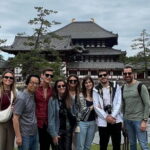
This is a small group bike tour, limited to 6 participants. That small size is a big deal on a city bike route. It makes it easier for the guide to keep eyes on everyone, answer questions, and adjust the pace when someone needs a breather.
It’s also run with an English live guide. Past participants have praised guides for clear English and for checking in personally with each person—especially helpful if you’re not an experienced cyclist. One review noted confidence-building coaching when riding in streets and parks, which is exactly what you want if you’re nervous.
Riding comfort matters here. The tour is built around cycling segments between sights, so if you struggle with balance or you truly hate riding, you might find the day stressful. On the other hand, people have reported feeling comfortable even with beginner-level riding, thanks to guides who keep the pace practical and safety-focused.
Age-wise, anyone over 15 can join. And since the itinerary order can shift due to weather and traffic, you should be flexible and go with the flow once you’re on the ground.
Weather rule to plan around: the tour is canceled if rain probability is 40% or more. That means you’ll likely avoid the worst conditions, but it also means you shouldn’t treat the trip like an “always happens” certainty.
Price and value: what $85 buys you in time saved
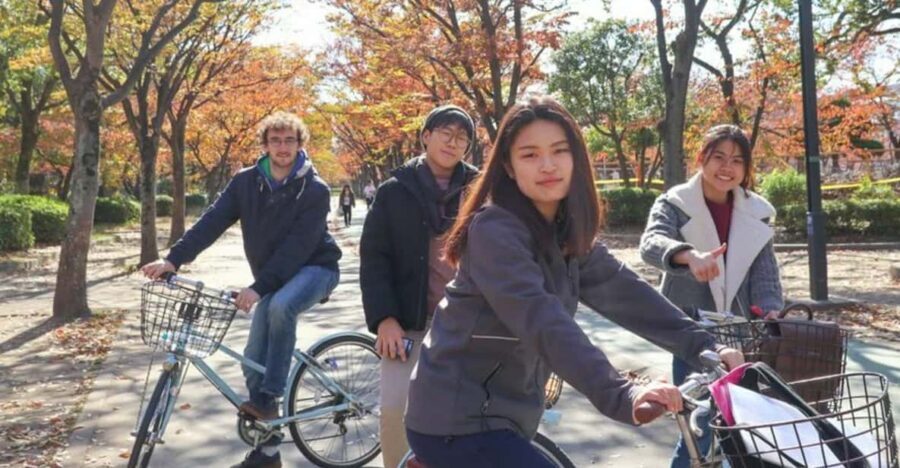
At $85 per person for a 5-hour experience, the pricing can look like “just a bike tour” at first glance. But the real value is in what’s included and what it prevents you from doing on your own.
Included:
- Bike
- Local guide
- Lunch (vegetarian menu available, but includes dashi)
- Matcha green tea
- Snack
- Photos taken during the tour
Not included:
- Helmet
- Additional food
- Entry to Osaka Castle
When you add it up, you’re paying for a guided circuit that packs multiple kinds of Osaka into one morning or afternoon block: shrine culture, Edo-era living context, Kagurazaka food, castle park cycling, and a matcha finish. Also, the guide takes care of transitions between stops, which is where independent travel often costs time and energy.
If you only have a limited window in Osaka—especially if you want more than one “major sight” plus food—you’ll likely feel this was money well spent. If you already know exactly what you want, already love cycling, and plan to eat at every meal on your own, the value is less automatic. But for most people, the time + structure + included meal make it a solid deal.
Should you book this Osaka bike highlights tour?
Book it if:
- You want a first-timer-friendly overview that still includes meaningful stops like a shrine and an Edo-era living museum.
- You like the idea of Osaka Castle Park views without spending half a day walking.
- You want lunch and matcha handled for you in a guided way, including Kagurazaka treats like chimaki or steamed buns.
- You prefer a small group where the guide can manage pacing and keep you together.
Think twice if:
- You need a vegan or gluten-free meal. The vegetarian option includes fish broth (dashi), and the data says there’s no vegan or gluten-free option.
- You strongly prefer not to ride a bicycle through city streets and park paths.
- You’re specifically hoping for Osaka Castle interior tickets. Castle entry isn’t included.
If you match the first list, this tour is a fun, efficient way to see Osaka like a local on a bike: you get motion, context, and food in one compact five hours.
FAQ
Where is the meeting point?
Meet your guide in front of the FamilyMart at Tenmabashi Station (Osaka Metro, Tanimachi line). The meeting point is about a 2-minute walk from Exit No. 2.
Is the bike included?
Yes. The tour includes the bike, and you rent it at the FamilyMart meeting point.
Do I need to bring a helmet?
A helmet is not included. The tour data lists helmet as not provided.
Is lunch included?
Yes. Lunch is included, and a vegetarian menu is available.
Is Osaka Castle entry included?
No. Entry to Osaka Castle is not included, though you do cycle around the premises and take photos.
What’s included with the food stop?
Lunch is included, plus Kagurazaka treats as part of the food tasting portion, and the tour also includes matcha green tea and a snack.
What are the vegetarian meal rules?
The vegetarian meal includes dashi (fish broth). There is no vegan or gluten-free option.
How big is the group?
It’s a small group limited to 6 participants.
What happens if it rains?
The tour is canceled if there is a 40% or more rain probability. Also, the time and order of the itinerary may change due to weather and traffic.
What if I have luggage?
You can’t join with big luggage. There is a coin-operated locker by the station (500 yen) if they are open, but there’s no guarantee.