REVIEW · OSAKA
Osaka/Kyoto: Amanohashidate & Miyama Tour with Boat & Lunch
Book on GetYourGuide →Operated by VIP Japan Tour · Bookable on GetYourGuide
A sandbar view is only half the story. This Amanohashidate day trip pairs a calm boat cruise (yes, with seagulls) with a trip into the thatched-roof calm of Kayabuki no Sato in Miyama. I also like that you’re not just riding past stops—you get real time at each place. The one drawback: it’s a long day, and a few viewpoints can feel scheduled rather than slow.
You can start from either the Kyoto or Osaka-side meet-up (Kyoto VIPラウンジ or VIPヴィラなんば), then settle in on an air-conditioned bus with a live English/Chinese guide. Expect about 9–10 hours total, mixing temples, rides, and small-town walking.
If you want the classic Amanohashidate views without renting a car, this is a smart way to do it. Just go in with the mindset that it’s a guided sampler—amazing, but not “wander all day” relaxed.
In This Review
- Key Things That Make This Tour Work So Well
- Amanohashidate Isn’t Just a Photo Stop
- Chion-ji Temple and the Rotating Kaisen-kyo Moment
- The Boat Cruise: Seagulls, Short Ride, Big View Payoff
- Kasamatsu Park Cable Car and the Flying Dragon View
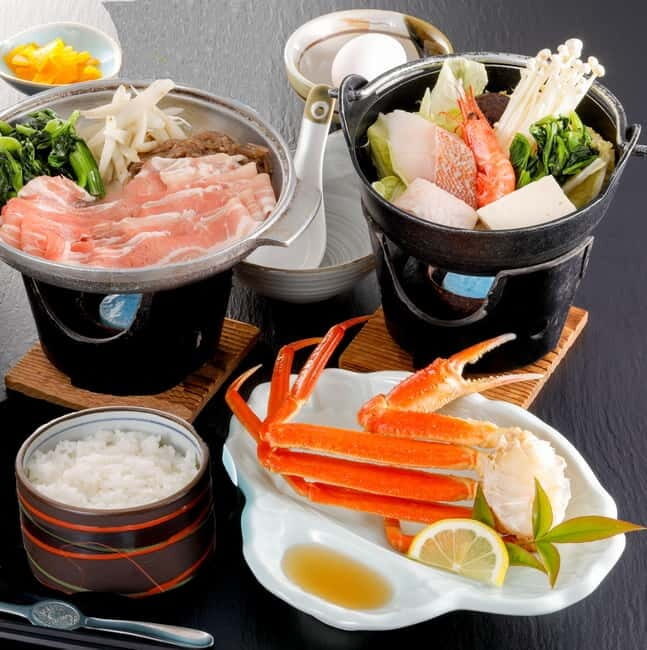
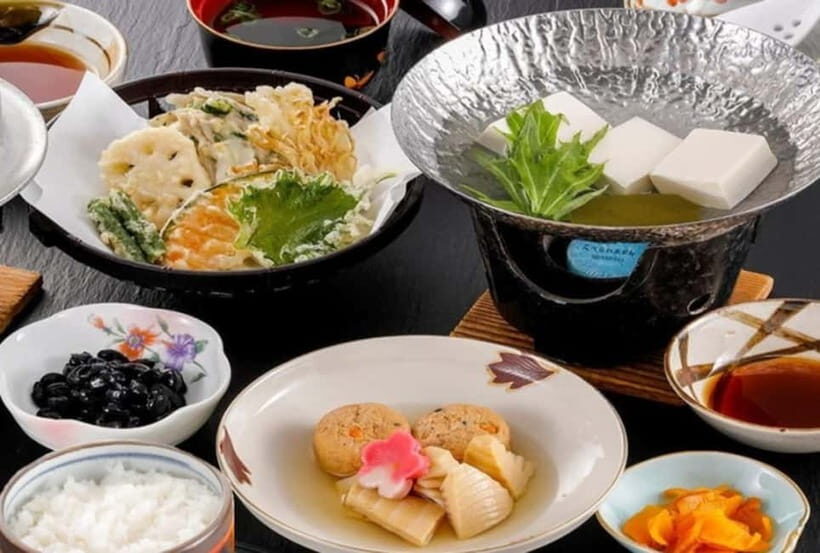
- Lunch in Amanohashidate: Crab, Seafood, and Hot Pot Comfort
- Miyama Kayabuki-no-Sato: Walking Into a Different Time
- The Bus Ride Reality: Long Day, But the Guide Makes It Humane
- Price and Value: Why This Costs $71 (and What You’re Really Buying)
- Who Should Book This (and Who Might Not Love It)
- Should You Book This Tour?
- FAQ
- How long is the Osaka/Kyoto Amanohashidate and Miyama tour?
- Where can I start the tour?
- What places does the tour include?
- What does the lunch include?
- Are tickets for the boat and cable car included?
- What languages are offered by the guide?
- Is cancellation allowed, and how far in advance?
- Do I need to bring anything for the seagull-feeding cruise?
Key Things That Make This Tour Work So Well
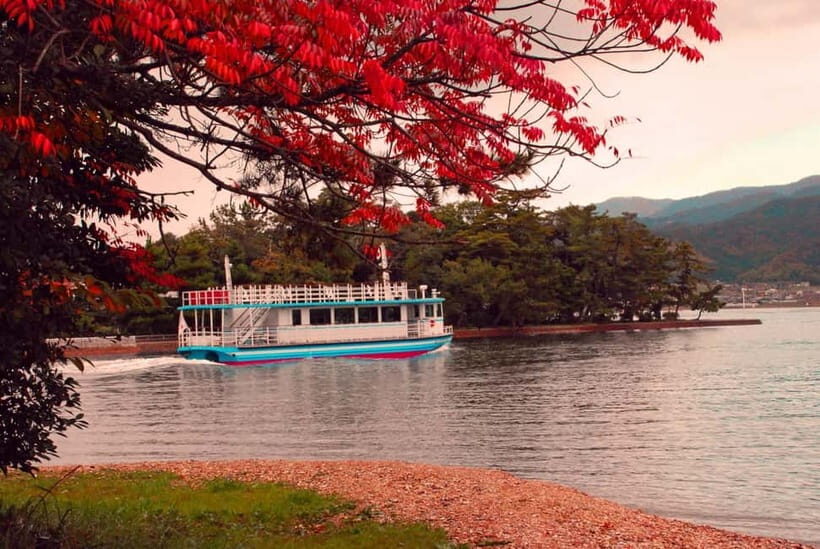
- Amanohashidate by boat, not just by viewpoint: a short cruise that brings the sandbar to life up close.
- The Flying Dragon View angle: the mountaintop “view through your legs” makes the scenery feel unreal.
- Chion-ji and the rotating Kaisen-kyo bridge: a temple stop with a Japan-only trick for boats passing.
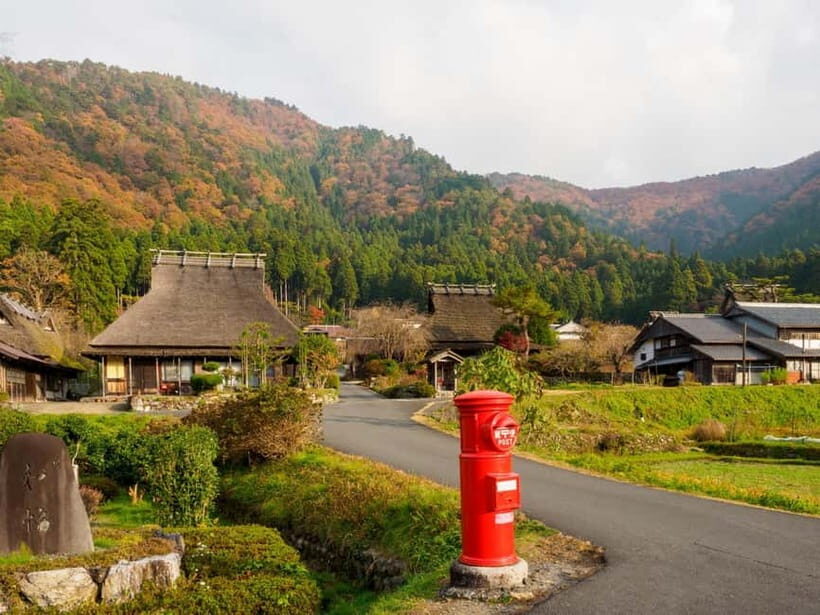
- Thatched-roof village energy at Kayabuki no Sato: over 50 houses, and people still live there.
- A filling Amanohashidate set lunch: crab, fresh seafood, and hot pot with vegetables.
- English/Chinese guide support all day: history plus practical tips, so you don’t feel lost between rides.
Amanohashidate Isn’t Just a Photo Stop
Amanohashidate is one of Japan’s Three Scenic Views for a reason. The iconic feature is a 3.6-kilometer sandbar lined with around 8,000 pine trees, looking like a bridge stretched across the bay. You’ll see why people come back in different seasons, too—cherry blossoms in spring, fiery color in autumn.
What I like most is that the tour doesn’t treat Amanohashidate as a single snap-and-go moment. You start with Chion-ji near the southern entrance, then move on to the waterfront area where the sandbar feels tangible. The pacing gives you both the “from below” experience and the “from above” feeling later in the day.
One smart detail: you’ll get a boat ride that keeps the view moving. A still viewpoint is nice, but gliding along the bay makes the pine-lined span and coastal shapes feel much more real. And since you’re not driving yourself, you can focus on the views instead of timing trains, ferries, and cable cars.
You can also read our reviews of more boat tours in Osaka


Chion-ji Temple and the Rotating Kaisen-kyo Moment
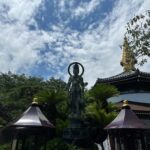
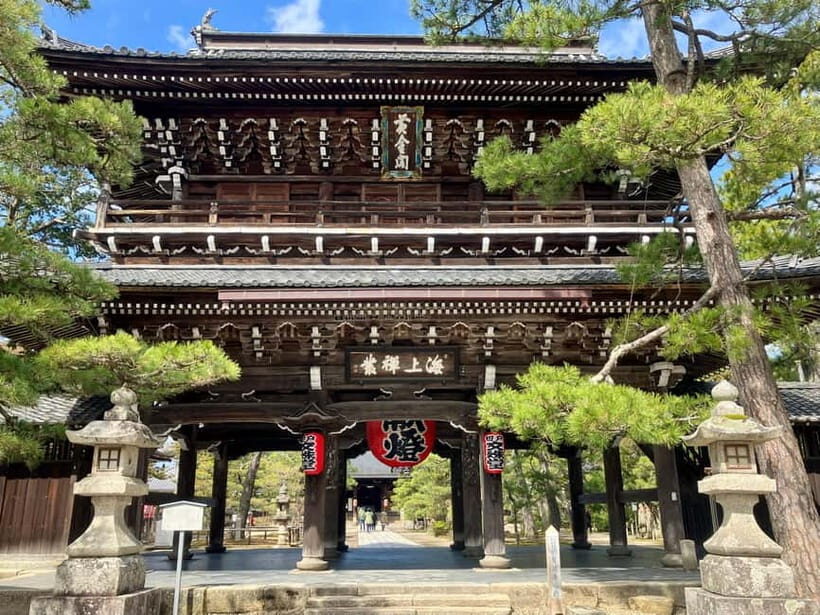
Before you chase the water and the mountain views, the tour starts with Chion-ji Temple in Miyazu City. This is a historic Buddhist temple dedicated to Monju Bosatsu (Manjushri), the bodhisattva of wisdom. It’s tied to the idea that wisdom matters for learning and exams—so you’ll often see students praying for academic success.
Inside the peaceful grounds, you’ll spot the main gate, the main hall, and a multi-storied pagoda. It’s the kind of stop that slows your pace down a notch right before the bus-and-ride portion of the day starts.
Then there’s the reason this temple area feels so uniquely Japanese: in front stands Kaisen-kyo, the famous rotating bridge. It turns 90 degrees to let boats pass, which makes you notice how the area is designed to work with the bay. If you’re the type who likes small engineering details mixed into sightseeing, this is an easy win.
The temple stop is short (about 30 minutes), so don’t plan on a long sit-down. Go for a quick walk, look around, and take your photos before you’re herded toward the waterfront.
The Boat Cruise: Seagulls, Short Ride, Big View Payoff
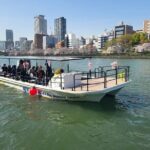
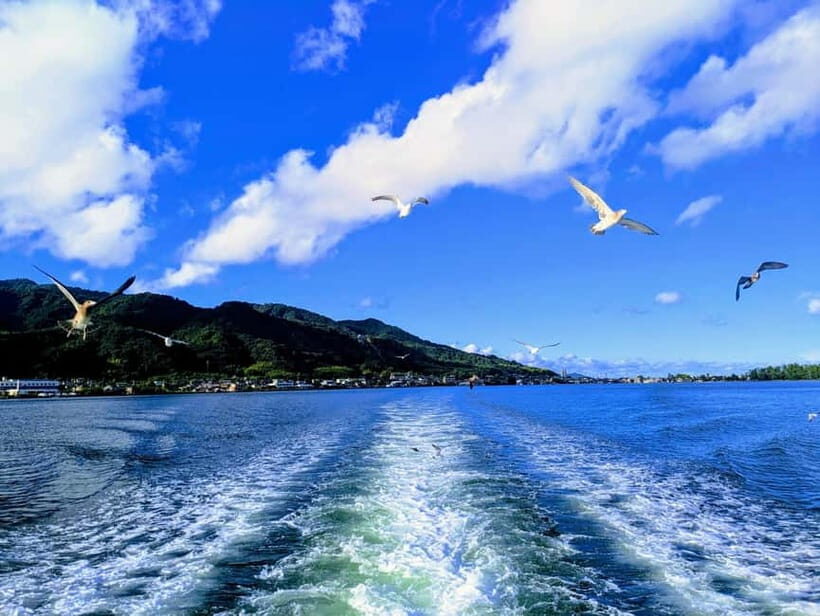
The waterfront part of the day centers on an easy ferry-terminal flow and then a sightseeing cruise along the Amanohashidate bay. The timing is brief—roughly 12 minutes for the boat portion—so this isn’t a slow day-long harbor sail. But in a schedule-packed tour, it’s a well-chosen highlight.
The best part: feeding the seagulls while you cruise. It’s not fancy, and it’s not a museum lesson. It’s hands-on, slightly chaotic in a good way, and it gives you a fun moment when everyone is focused on the same thing (instead of wandering off to buy snacks).
I’d also treat the cruise as your “set your expectations” moment. If the sandbar looks impressive from shore, it looks different from water—long, layered, and framed by pines. Even with a short ride, you get that sense that Amanohashidate is a whole system: coastline, sandbar, trees, and sky.
Practical tip: bring a layer if it’s breezy. Sea air can cool you fast, especially when you’re stopped on a boat and not moving much besides the cruise.
Kasamatsu Park Cable Car and the Flying Dragon View
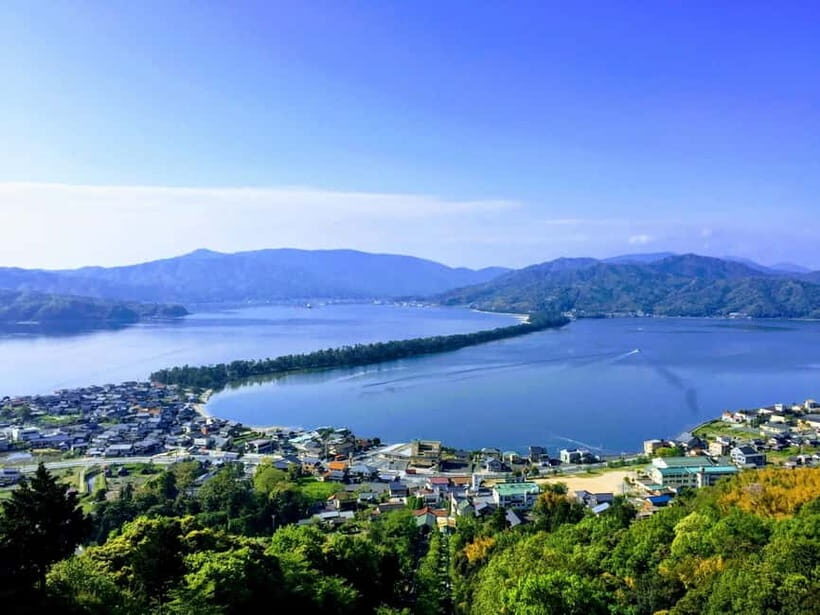
After the cruise, you’ll head to Fuchu Station for boarding the cable car or chair lift. This part matters because it changes the entire perspective. From up top, Amanohashidate stops looking like a shoreline feature and starts looking like a sky-spanning shape.
Once you reach the mountaintop area at Kasamatsu Park, you get about 50 minutes for a break, photos, and some walking. The star is the famous mountaintop viewpoint sometimes described as the “view through your legs.” When you look down from the platform, the sandbar appears like a dragon soaring into the sky—often called the Flying Dragon View.
Two things to know before you go up:
1) It’s a viewpoint designed for dramatic angles, so if you’re nervous about heights, take your time moving toward the edge.
2) You’ll want a clear view if possible. If clouds roll in, the lift still delivers, but the magic is softer.
This is also where the tour feels most “Japan iconic.” The cable car experience is quick, efficient, and scenic, and it’s the part many people remember even when they forget everything else from the bus ride.
Lunch in Amanohashidate: Crab, Seafood, and Hot Pot Comfort
Lunch is served at a local restaurant near Amanohashidate, and it’s part of why the tour feels like more than sightseeing. You’ll have about 45 minutes, which is enough time to eat without turning it into a rushed food sprint.
The set meal is described as a traditional Amanohashidate style menu with local seafood and mountain produce. Expect dishes like crab, fresh seafood, and a hot pot with vegetables. In plain terms: it’s warm, filling, and designed for an appetite after a boat ride plus a cable car.
A couple of real-world notes from what people report: the lunch tends to be more than “just a small meal.” One person even said they couldn’t finish it. So if you’re tempted to snack a lot on the bus, go easy beforehand.
If you have strong dietary needs, the tour data doesn’t mention special meal types. Still, some guides in past groups have been accommodating when asked—so it’s worth mentioning needs to your guide during the day if you have to.
A few more Osaka tours and experiences worth a look
Miyama Kayabuki-no-Sato: Walking Into a Different Time
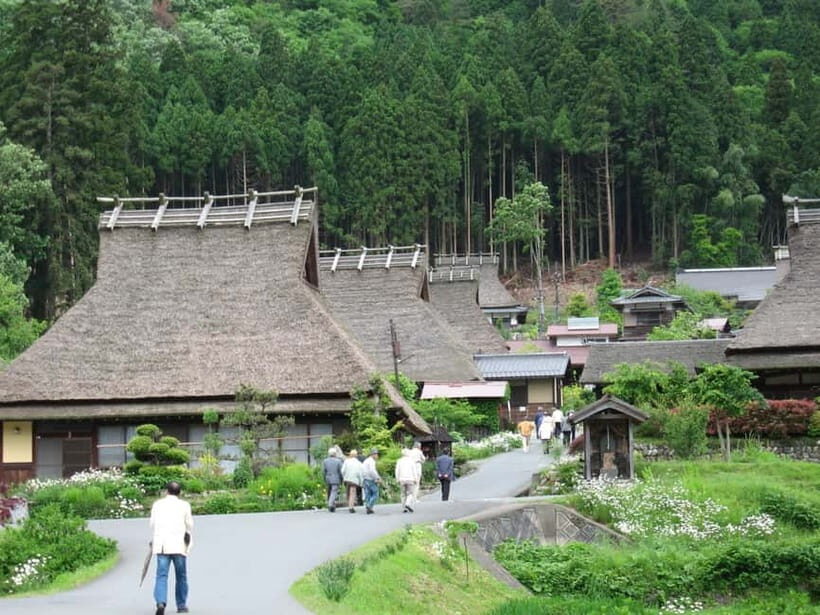
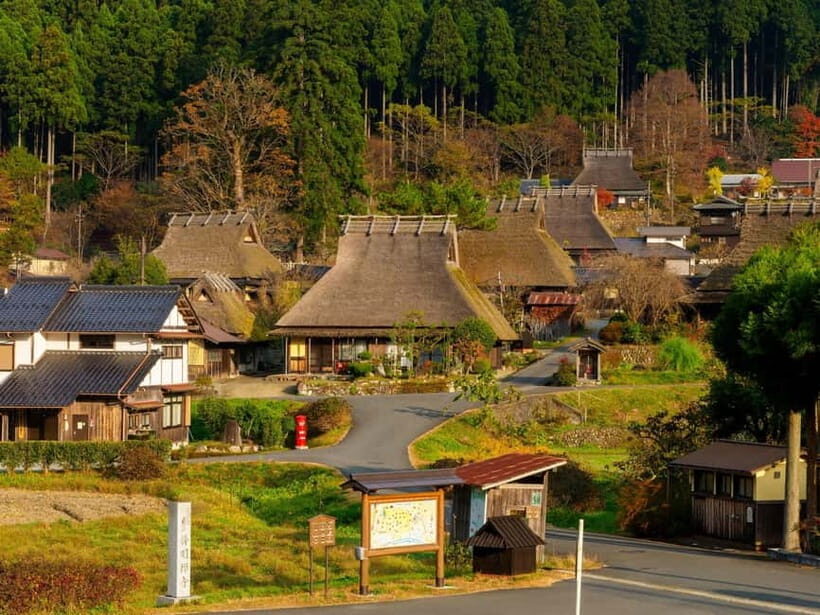
After lunch, you head to Miyama (Kayabuki no Sato), a traditional village area with over 50 thatched-roof houses. What makes this stop more than just cute architecture is that people still live here, so it feels grounded in everyday life rather than a theme park.
You’ll get about 50 minutes here, including photo stops, a bus tour segment, and time for a self-guided stroll. That combination matters. The village is best when you can pause, look at rooflines, notice the spacing of houses, and see how the lane layout shapes the scenery.
This is also the portion of the day that feels like a mental reset. After temples and bay views, Kayabuki no Sato shifts you into quiet countryside rhythm: slower visuals, smaller scale, and a sense that Japan’s rural life still has a pulse.
One caution: the day is busy. If you’re the type who wants to linger in village streets, understand that your time is limited here too. It’s enough for a good walk and a few photos, but it won’t replace a full afternoon spent wandering.
The Bus Ride Reality: Long Day, But the Guide Makes It Humane
This tour is built around road travel. You’ll spend a lot of time on an air-conditioned coach passing through the countryside between Osaka/Kyoto and the northern sights.
That can be a plus. The bus ride gives you that in-between Japan feeling—less city noise, more open terrain. Several people also said the drive portion felt smooth and that the guide kept the day entertaining with explanations and humor.
Here’s what’s worth knowing from the patterns in guides’ performances: some guides are especially strong at combining facts with practical tips, and you may hear recommendations for extra bites like snacks or coffee stops. Names that have shown up with past groups include Harry, Nick, Eric, Mike, Liu, and Tracy—and the common thread is that they try to keep you engaged even while you’re seated for long stretches.
Now for the drawback side: a few people felt the time at each stop was tight and wished for more wandering. Another mentioned early confusion when boarding the correct bus. So do yourself a favor:
- arrive at the meet-up early enough to get oriented
- listen closely to the guide’s instructions when you change vehicles or ride points
- don’t plan on “extra long” photo sessions everywhere
If you go in knowing it’s a guided, timed route, the day feels efficient instead of stressful.
Price and Value: Why This Costs $71 (and What You’re Really Buying)
At $71 per person, this isn’t a cheap “grab and go” option. You are paying for transportation, plus included admissions and rides.
Here’s what’s bundled into the experience:
- Lunch
- Boat ticket for the Amanohashidate cruise
- Cable car/ chair lift ticket up to the mountain viewpoint
- a live guide (English/Chinese)
- an air-conditioned bus
For many people, the value comes down to convenience. Getting Amanohashidate and Miyama in one day without a car is hard work. This tour does the connecting for you: temple to ferry area, cable lift to park viewpoint, then over to the thatched village.
The other value is time quality. You’re not just paying for transport—you’re paying for someone to frame what you’re looking at. Temple meaning, the rotating bridge idea, why the viewpoint has that dramatic “through your legs” setup, and why Kayabuki no Sato is preserved all make the scenery click into place.
If you’re the kind of traveler who loves DIY routes and doesn’t mind figuring things out, you could theoretically do parts on your own. But if you want your day to flow with minimal stress, this price starts to make sense fast.
Who Should Book This (and Who Might Not Love It)
This tour is a great fit if you:
- want the Amanohashidate experience but don’t want to coordinate transport
- like a mix of views + one cultural stop (temple) + one rural village walk
- enjoy guided context and don’t mind set time limits
It may be less ideal if you:
- hate long days. Even with breaks, this is still a 9–10 hour schedule.
- want lots of unstructured wandering. Some stops can feel short if you’re slow to leave viewpoints.
- prefer total flexibility. This route runs on a plan, so you can’t casually skip ahead.
If you’re traveling with kids, the seagulls on the boat are usually a big hit. And if you’re an older traveler or someone who doesn’t want to manage multiple transit transfers, the bus format is a relief.
Should You Book This Tour?
I’d book it if you want a satisfying one-day arc: temple calm, Amanohashidate bay magic from the water, a mountain viewpoint that changes how the sandbar looks, then a real-life thatched village at Kayabuki no Sato with a proper lunch. For the money, you’re getting rides you’d otherwise have to piece together, plus a guide who helps you understand what you’re seeing.
I wouldn’t book it if your dream day is slow, flexible, and unhurried. This is more “well-paced highlights” than “stay where you love it for hours.”
FAQ
How long is the Osaka/Kyoto Amanohashidate and Miyama tour?
The tour lasts about 9 to 10 hours.
Where can I start the tour?
You can start from either Kyoto VIPラウンジ or VIPヴィラなんば. Drop-off is also at those locations.
What places does the tour include?
It includes Chion-ji Temple, the Amanohashidate sightseeing boat cruise, a cable car or chair lift to the Kasamatsu Park area, lunch, and Miyama Kayabuki-no-Sato.
What does the lunch include?
Lunch is an Amanohashidate set meal featuring local seafood and mountain produce, including items such as crab, fresh seafood, and a hot pot with vegetables.
Are tickets for the boat and cable car included?
Yes. Boat and cable car/chair lift tickets are included.
What languages are offered by the guide?
The tour has a live guide in English and Chinese.
Is cancellation allowed, and how far in advance?
Free cancellation is available up to 24 hours in advance for a full refund.
Do I need to bring anything for the seagull-feeding cruise?
The tour info doesn’t list a specific item, but it helps to be ready for close-up feeding during the boat cruise and to wear weather-appropriate clothing for being near the water.
If you tell me whether you’re starting from Osaka or Kyoto (and roughly what month), I can help you pick the best mental strategy for photos and timing.