REVIEW · TOKYO
The Old Quarter of Tokyo – Yanaka Walking Tour
Book on Viator →Operated by Localized Walking & Food Tours · Bookable on Viator
Old Tokyo hides in quiet alleys. A 3-hour Yanaka Walking Tour in Tokyo’s Old Quarter takes you on foot through temples, shrines, and residential streets, with stops tied to real local customs and stories. I like the small-group feel (max 10) and the way the route gives you practical context, not just sightseeing. The main drawback is that a couple of stops have extra costs or optional purchases, and you’ll be walking for the whole half-day.
This tour also makes Tokyo feel less overwhelming. You meet at Nippori Station and end in Yanaka Ginza, so the walk naturally transitions from calm neighborhoods to an easy place to snack and browse. Guides such as Polina, Aya, Junko, Mei, Rei, Kiyo, and Mami have been praised for clear English and for answering questions in a way that makes Japanese religion and daily life easier to grasp.
One more thing to plan for: the weather matters. The walk is outdoors and can be humid (even when the neighborhood itself feels peaceful), so comfortable shoes and sun protection are a must.
In This Review
- Key highlights you’ll notice fast
- Yanaka: Tokyo’s older soul without the cosplay crowds
- Getting there at Nippori, then ending at Yanaka Ginza
- Tennoji Temple and the Yanaka Buddha (created in 1690)
- Yanaka Cemetery: learning customs you won’t figure out on your own
- Ueno-Sakuragi Atari: a break in renovated older wooden houses
- The 100-year-old cyder tree symbol in Yanaka
- Enju-ji Temple: the god of strong legs and foot wishes
- Nezu Shrine: red torii gates, photos, and shrine etiquette
- Hebimichi backstreet walking: see daily life up close
- Yanaka Ginza shopping street: the fun ending (and the extra costs)
- Small-group guides make the difference
- Price and value: where the $40 goes
- What to wear and how to pace yourself
- Who this Yanaka tour suits best
- Should you book the Old Quarter of Tokyo – Yanaka Walking Tour?
- FAQ
- How long is the Yanaka Walking Tour?
- How much does the tour cost?
- How big is the group?
- Where do I meet the guide?
- Where does the tour end?
- Is food included?
- Are admission tickets included?
- What’s included in the tour price?
- Are service animals allowed?
- What if the weather is bad?
Key highlights you’ll notice fast
- Small-group pacing (up to 10 people) keeps questions and photos manageable.
- Temple and shrine stops with real local meaning, like Yanaka Buddha and the Shrine etiquette at Nezu.
- Yanaka Cemetery customs give you a look at how families honor the dead.
- A break at Ueno-Sakuragi Atari, built from renovated older wooden houses and used as a community space.
- Residential backstreets like Hebimichi show daily life beyond the big sights.
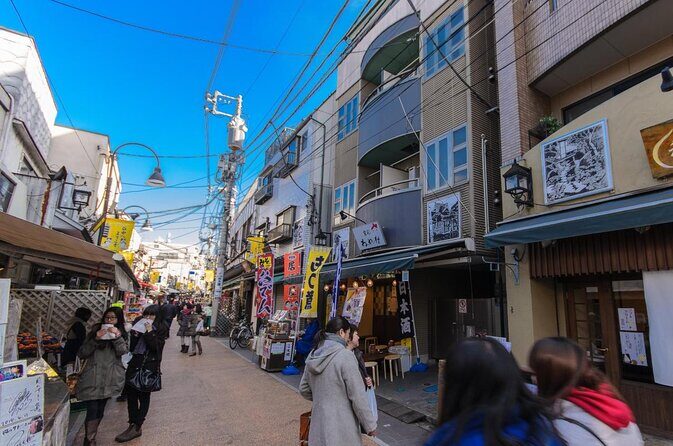
- Yanaka Ginza Shopping Street is the best place to end with street snacks (extra cost).
Yanaka: Tokyo’s older soul without the cosplay crowds
Yanaka is one of those parts of Tokyo that still feels human-sized. Instead of rushing from one landmark to the next, you slow down and look at the shape of neighborhoods: wood houses, narrow lanes, and places of worship tucked close to everyday life.
That’s the appeal of this Yanaka walking tour. You’re not just checking boxes. You’re learning how different parts of Japanese culture show up in ordinary routines—especially when religion and neighborhood history overlap.
It also helps that the route mixes major sights with smaller, quieter spaces. You’ll go beyond the flashy, photo-first spots and get a sense of how Tokyo lived before it became the global metropolis you see in guidebooks.
You can also read our reviews of more walking tours in Tokyo


Getting there at Nippori, then ending at Yanaka Ginza
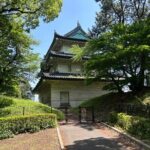
The meeting point is at Nippori Station (2 Chome-19 Nishinippori, Arakawa City). From there, the tour runs as a continuous walk, which is useful if you don’t want to keep switching trains or calculating transfers.
The finish is Yanaka Ginza (3-chōme-13-1 Yanaka, Taito City). That ending matters. You’re dropped right where you can keep moving at your own pace, especially if you want snacks, sweets, or little gifts. Since food isn’t included, this makes the close of the tour feel practical rather than awkward.
You’ll also use a mobile ticket, and the tour confirms at booking. If you like having the ticket ready on your phone, that’s a big convenience.
Finally, this is designed for good weather. If conditions are rough, the operator may offer another date or a full refund. Since you’re outside for hours, it’s worth watching the forecast.
Tennoji Temple and the Yanaka Buddha (created in 1690)
The tour starts with Tennoji Temple. This is one of those stops that gives you a quick “why this place exists” education, which makes the neighborhood feel less random.
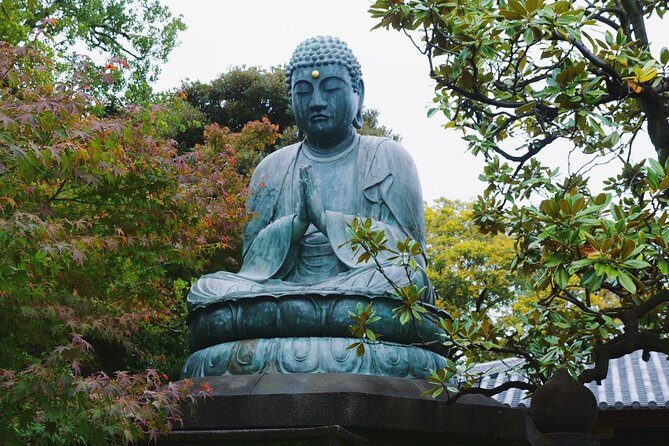
You’ll see the Yanaka Buddha, created in 1690. The guide explains the temple’s history and shares how Japanese religion connects to local life. That context is more useful than it sounds—because later you’ll visit other shrines and temples, and you’ll notice patterns in how people practice and show respect.
Admission is free here, and the stop is short (about 15 minutes). That short timing is intentional. You get the key ideas without turning the day into a lecture marathon.
Practical note: temples are usually calmer in terms of walking flow, so this is a good place to reset after arriving and to get oriented for the rest of the route.
Yanaka Cemetery: learning customs you won’t figure out on your own
Next comes Yanaka Cemetery, where you’ll step into a space that many visitors skip entirely. This stop changes the tone of the tour in a good way.
You’ll learn what a Japanese cemetery is like and some customs locals follow. Even if you’re not religious, this matters because it helps you behave appropriately. It also helps you understand that the idea of remembrance is not just a ceremony—it’s built into daily geography.
The stop lasts around 15 minutes and is free. It’s long enough to get the basic etiquette and meaning, without asking you to linger.
If you’re the type who likes respectful, behind-the-scenes learning, this is one of the most valuable parts of the tour.
Ueno-Sakuragi Atari: a break in renovated older wooden houses
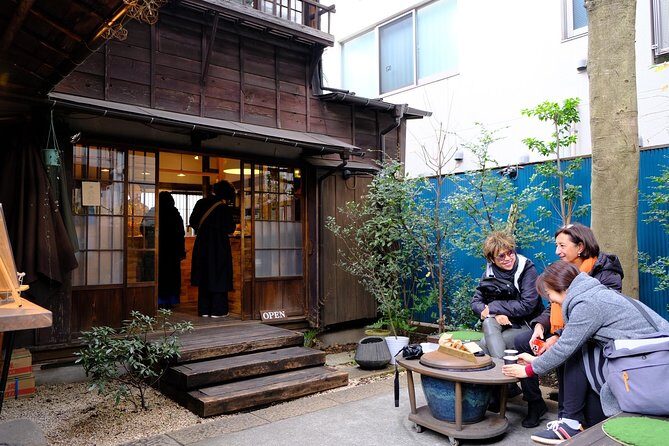
About halfway through, there’s time to rest at Ueno-Sakuragi Atari. This is where you trade “temple mode” for something more casual.
You’ll see how about 80-year-old wooden houses have been renovated into a cafe, a bakery, and even a beer hall—turned into a community space for locals. The point isn’t that you need to drink or snack (you don’t). The point is that you can see how older structures stay useful instead of being replaced.
This stop is around 15 minutes. Admission isn’t included, and any food or drinks you want come with extra cost. Think of it as a flexible pause: use it for a cool drink, a quick bite, or just shade.
If you’re traveling with people who get restless on long walks, this is a smart mid-tour reset.






The 100-year-old cyder tree symbol in Yanaka
Between major religious stops, the tour includes a brief moment at a 100-year-old cyder tree—described as a symbol in Yanaka.
This kind of stop is easy to underestimate, but it’s often where neighborhood character clicks. A single old tree can feel like a memory marker—proof that the area has continuity even when everything around it keeps changing.
It’s short, but it gives you something to look at besides signage and buildings.
Enju-ji Temple: the god of strong legs and foot wishes
Enju-ji Temple is not framed as a typical “Buddhist god” visit. Instead, the focus is on the god of strong legs, tied to wishes for people who have foot problems.
You’ll see wooden boards with written wishes. That detail matters because it turns a temple visit into a human moment: you’re looking at ordinary hopes, not abstract concepts.
This stop is brief (about 5 minutes) and admission isn’t included. Since time is tight, it’s best to treat this as a quick “read the feeling” stop rather than a long exploration.
Nezu Shrine: red torii gates, photos, and shrine etiquette
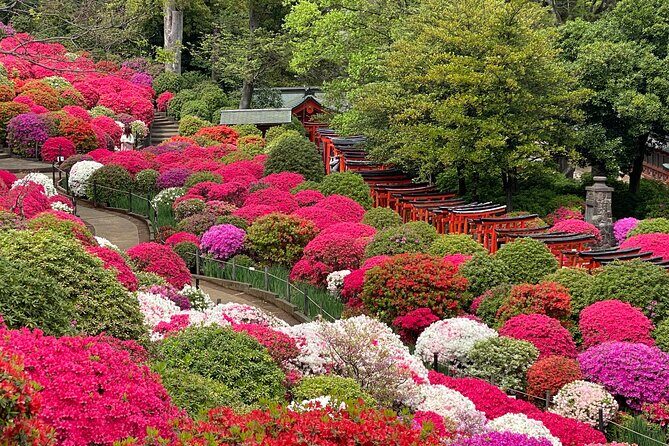
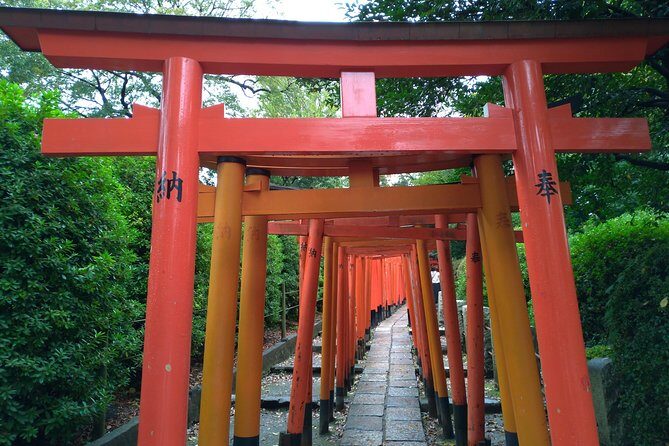
Nezu Shrine is the visual payoff for many people on the route. It’s famous for lots of red torii gates, and the setup is similar in spirit to what you might know from Kyoto’s Fushimi Inari—though you’ll experience it right here in Tokyo.
You’ll have about 20 minutes at the shrine, with plenty of photo opportunities. The guide also covers shrine etiquette, which is hugely helpful if you’re unsure what’s expected.
Admission is free for this stop. That’s another good sign for value: you’re getting big “wow” sights without extra tickets.
If you’re going to bring a camera or phone for anything, this is where you’ll want it ready.
Hebimichi backstreet walking: see daily life up close
After the shrine, the tour shifts into residential rhythm. You’ll walk a backstreet called Hebimichi, where you can observe Japanese daily life up close.
This is where Yanaka feels like a neighborhood instead of a curated attraction. You’ll pass homes and streets that are not meant for crowds, and that quietness becomes part of the experience.
There’s no big-ticket ticket here—just time on foot with a guide who can explain what you’re seeing and why it matters.
This is also the section where good shoes pay off. The streets aren’t described as difficult, but you’re on sidewalks and lanes for hours, so you’ll feel everything by day’s end.
Yanaka Ginza shopping street: the fun ending (and the extra costs)
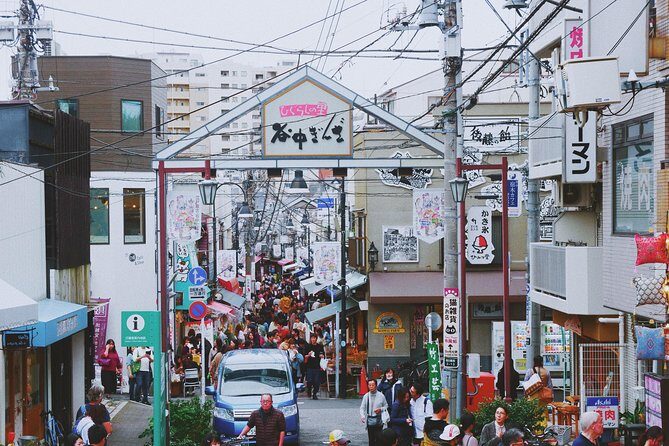
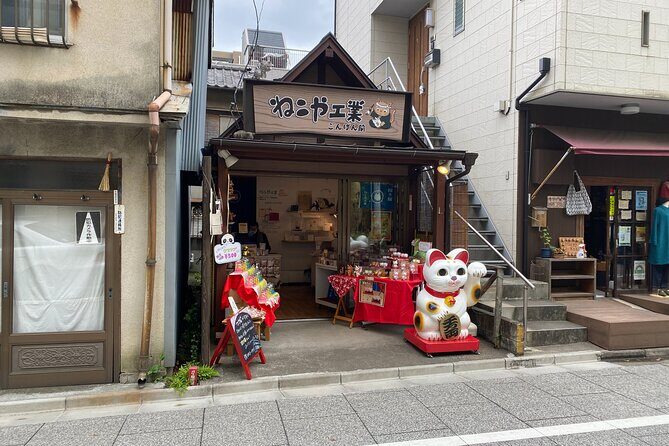
The tour ends at Yanaka Ginza Shopping Street. Your guide explains the shopping street and highlights shops that show normal Japan lifestyle.
You can try local foods and sweets. Food fee is not included in the tour price, so this is your cue to budget a little extra if you want to snack your way through the finish.
This ending works well because you’re already in the right mindset. Earlier stops taught you meaning and etiquette; now you can relax and enjoy everyday flavors without worrying about catching a train.
If you want to keep exploring after the tour, Yanaka Ginza is a practical place to do it.
Small-group guides make the difference
The best part of this tour for many people is the guide, and you can tell from how consistently names come up: Polina, Aya, Junko, Mei, Rei, Kiyo, and Mami.
Across these guides, the common threads are:
- strong English that makes questions easy to ask,
- clear explanations of how religion shows up in daily life,
- and photo help when you want pictures.
Some guides also show visual aids like laminated photos, which helps if you’re learning concepts on the move. That’s a real advantage on a walking tour, where you can’t pause for a museum-style exhibit.
If you care about context—especially around Shinto and Buddhist ideas—this kind of guide support turns the stops into a story you can remember.
Price and value: where the $40 goes
At $40 per person for about three hours, this is priced like a real guided experience, not a casual stroll.
Here’s why it can feel like good value:
- You’re in a group capped at 10, which usually means more attention.
- Several stops have free admission (Tennoji Temple, Yanaka Cemetery, and Nezu Shrine).
- The tour includes photo opportunities throughout, which saves you from awkward “can you take one?” moments.
The main value trade-off is that some things cost extra. Ueno-Sakuragi Atari has admission not included, and Enju-ji Temple also lists admission not included. Plus, food and drinks on the route aren’t included, even though Yanaka Ginza is a prime place to sample snacks.
So I’d treat the $40 as covering guided walking plus key culture stops, and then plan a bit more for anything you choose to eat or pay for at specific locations.
What to wear and how to pace yourself
This is a walking tour, so basics matter.
- Wear comfortable shoes. You’ll cover a few kilometers across a neighborhood of narrow streets.
- Bring sun protection, especially if you’re traveling in warmer months. One review mentioned around 35 degrees and humid conditions.
- If you get tired easily, plan to use the mid-tour break at Ueno-Sakuragi Atari.
The route is designed with short stops, so you’re not trapped in any one place for too long. Still, the total time is three hours, so it’s not a “wander when you feel like it” style tour.
Who this Yanaka tour suits best
This tour fits you if:
- you want a calmer side of Tokyo than the big-name shopping and station hubs,
- you like learning local customs, especially around religious etiquette,
- you enjoy walking neighborhoods and seeing everyday streets, not only monuments.
It’s especially good for people who feel overwhelmed by Tokyo’s scale. Yanaka is small enough to feel walkable, and the guide helps you connect the dots between temples, shrines, and daily routines.
If you’re traveling with kids, you might find the pace doable because stops are short. That said, you’ll still be walking consistently, and religious spaces require respectful quiet behavior.
Should you book the Old Quarter of Tokyo – Yanaka Walking Tour?
Yes, if your goal is Tokyo with context. This tour offers a clear contrast between old neighborhood life and the city’s modern identity, while giving you enough structure to understand what you’re seeing.
Book it particularly if you:
- want an English-speaking local guide and a small group size,
- care about learning shrine and temple etiquette,
- want an ending at Yanaka Ginza where you can keep the day going with snacks.
Skip it or at least budget for extra costs if you:
- hate paying optional admission at a couple stops or want everything included,
- prefer fewer religious sites and more purely secular sights.
If you want one practical takeaway, it’s this: you’re paying for guided meaning. The temples, cemetery, and shrine don’t just look historic—they’re explained in a way that helps you notice details you’d otherwise miss.
FAQ
How long is the Yanaka Walking Tour?
It runs for about 3 hours.
How much does the tour cost?
The price is $40.00 per person.
How big is the group?
The tour has a maximum of 10 travelers.
Where do I meet the guide?
You start at Nippori Station (2 Chome-19 Nishinippori, Arakawa City, Tokyo 116-0013, Japan).
Where does the tour end?
The tour ends at Yanaka Ginza (3-chōme-13-1 Yanaka, Taito City, Tokyo 110-0001, Japan).
Is food included?
No. Food and drinks are not included, though you’ll have a chance to try local foods and sweets at Yanaka Ginza.
Are admission tickets included?
Some are free (Tennoji Temple, Yanaka Cemetery, and Nezu Shrine). Admission is not included for Ueno-Sakuragi Atari and Enju-ji Temple.
What’s included in the tour price?
You get a guided walking tour with an English-speaking local expert, plus photo opportunities throughout.
Are service animals allowed?
Yes, service animals are allowed.
What if the weather is bad?
The experience requires good weather. If it’s canceled due to poor weather, you’ll be offered a different date or a full refund.