REVIEW · OSAKA
Deep Dive: Osaka Food Markets from Local to Luxurious!
Book on Viator →Operated by Pinpoint Traveler, Inc · Bookable on Viator
Osaka feeds you with every turn. This 4-hour food-mapped walk threads together department-store treasures, a local wet market, and the famously famous Kuromon area, all with a guide who helps you read the food scene. You’ll see how Osaka shops for ingredients, not just how it eats, and you can choose a morning or afternoon slot that fits your plan.
I love two things most: first, the smooth mix of stops from Takashimaya’s high-end underground food hall to Pulala Tenma’s everyday market energy; second, you leave with practical confidence to order and navigate markets on your own. One heads-up: you’re not on an all-you-can-eat tasting ride, and snacks are generally something you buy yourself along the way.
In This Review
- Key takeaways before you go
- Osaka’s market map: what you learn in 4 hours
- Takashimaya Osaka depachika: the shortcut to great ingredients
- Pulala Tenma wet market: how locals shop up close
- Tenjinbashi-suji arcade and supermarket stop: history meets shopping
- Tsuruhashi Korea Town: food, clothing, and Osaka’s mix
- Kuromon market: supreme sights with higher prices
- Sennichimae Doguyasuji: the street for knives, ceramics, and sushi models
- Namba (Dotonbori) finish: using time wisely
- Price and value: $91 for navigation, not a tasting banquet
- Walking stamina and how to pace yourself
- Who should book this Osaka food markets tour
- Should you book? My practical take
- FAQ
- Is there a choice between morning and afternoon tours?
- How long is the tour?
- What locations are included in the route?
- Are food tastings included in the price?
- Is transportation included?
- Does the tour offer pickup?
- What are the start and end points?
- Is this tour private?
- What language options are available for the guide?
- Can children join?
Key takeaways before you go
- Four food-focused stops plus a final look at Namba/Dotonbori if time allows
- Department store depachika at Takashimaya Osaka for a polished intro to Osaka ingredients
- A real wet market at Pulala Tenma, where the guide shows you how locals shop
- Korea Town flavor of Osaka at Osaka Tsuruhashi Ichiba, with more than just food
- Kuromon market context so you understand what you’re seeing and why prices feel different
- Kitchenware street time in Sennichimae Doguyasuji for knives, ceramics, and serving tools
Osaka’s market map: what you learn in 4 hours
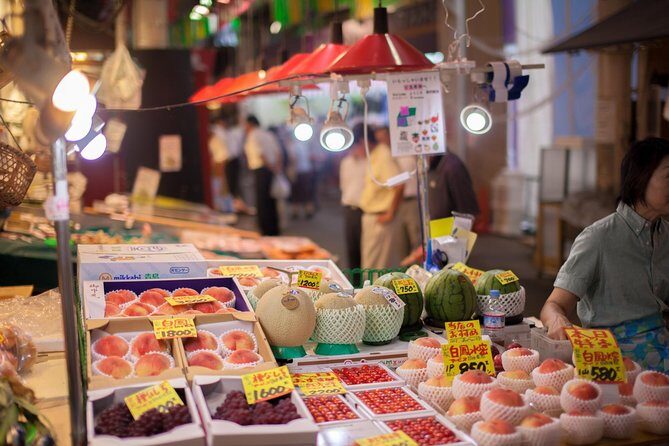
This tour works because it teaches you how Osaka food shopping feels in real life. You’re not just looking at stalls; you’re learning what to search for, what questions to ask, and how to move through busy spaces without feeling lost. That matters because market browsing can be intimidating if you only know what to order from photos.
You also get a guide who speaks your chosen language (native or close-to-native). In the guide lineup, names like Ferdinand, Kevin, Thomas, Lito, Alejandro, Damian, and Oshi show up in past experiences, and the common theme is clear: people come away with better city instincts and better food decisions. You might also benefit from translation help, especially when you want to ask about items or compare options.
One important reality check: this is a markets-and-culture route. Food is there to buy, and you can often snack if you want, but it’s not described as a tour where tastings are included in the price.
You can also read our reviews of more food & drink experiences in Osaka
Takashimaya Osaka depachika: the shortcut to great ingredients
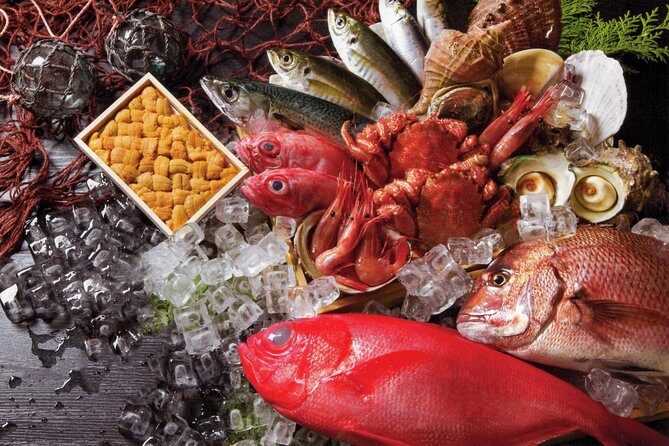
The first stop is Takashimaya Osaka Store, aiming you at the department-store underground food halls locals call depachika. Think of this as the easiest “translator” stop on the whole itinerary. You’ll see everything from raw ingredients to Japanese and Western prepared foods lined up in a neat, customer-friendly layout.
Why I like this start: it sets expectations. Markets in Osaka can feel crowded and fast. Beginning in a depachika helps you understand textures, packaging styles, and how sellers present items before you head into wet-market chaos.
Timing is short here (about 20 minutes), so use it to orient yourself:
- Look for categories you recognize (seafood, pickles, packaged snacks).
- Note what looks like a single-serving vs a shareable purchase.
- Watch for the kinds of items you later want to compare at Kuromon.
Admission is free, and you won’t need to plan around a ticket obstacle at this stop.
Pulala Tenma wet market: how locals shop up close
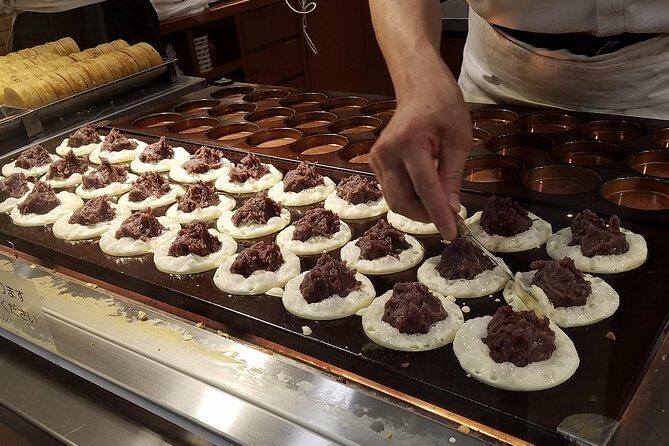
Next comes Pulala Tenma, a local wet market designed for everyday buying and selling. This is where you’ll see seafood, meats, and vegetables displayed in the way Osaka people actually use for meal planning.
The value here is the guide’s role. A wet market is sensory—smells, ice, quick conversations, and fast-moving inventory. Without context, it’s easy to focus on spectacle. With a guide, you learn what the ingredients are used for, what to look at beyond price tags, and how vendors think about freshness and quality.
This stop lasts about 30 minutes. You’ll get a real feel for the rhythm of a working market, not just a museum-style show.
Practical tip: if you have dietary limits, this is a good place to ask your guide what items are commonly used in regional dishes and what questions you should ask when buying cooked food later.
Tenjinbashi-suji arcade and supermarket stop: history meets shopping
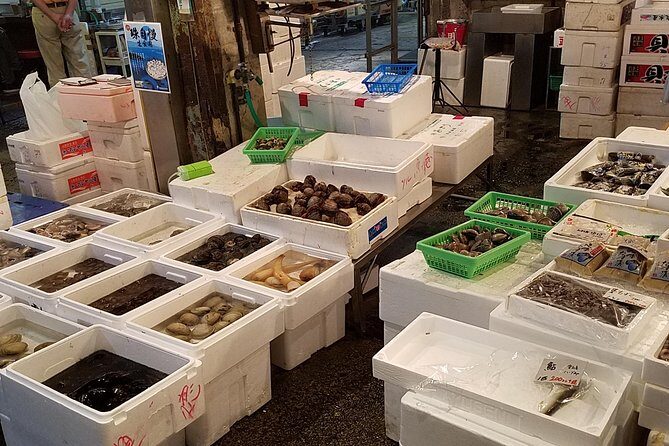
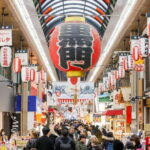
Then you’ll walk into Tenjinbashi-suji Shopping Street, one of Japan’s longest covered arcades. The point isn’t just the length—it’s how the arcade keeps daily commerce under one roof while still carrying the feel of old Osaka street life.
This segment also includes a pop into a very Osaka supermarket. That’s useful because it connects “market ingredients” to “where you actually buy the rest.” If you’ve ever wondered how tourists end up overpaying at fancy stands, this is where the tour can correct that thinking.
Time here is about 40 minutes. Expect more browsing than hard decisions. Use it for practical questions like:
- What’s the local default for breakfast snacks?
- What packaged items make sense as gifts or easy carry-outs?
- What should you buy fresh vs take packaged?
If you enjoy shopping for specific ingredients, this stop gives you a framework you can reuse later.
Tsuruhashi Korea Town: food, clothing, and Osaka’s mix
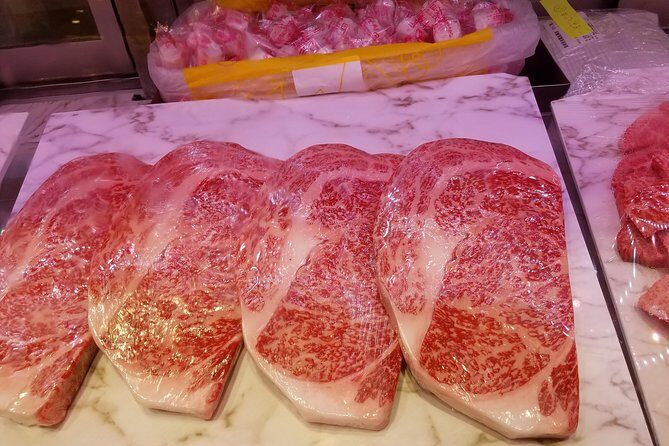
Next is Osaka Tsuruhashi Ichiba, often associated with Korea Town in Osaka. This isn’t only a food stop. You’ll also see clothing and other goods, and that mix matters because it shows Osaka’s identity as a city of influences—not a place stuck in one tradition.
This stop is about 30 minutes. The best use of your time is to ask your guide what foods here are commonly linked to Korea-in-Osaka cooking styles. Even if you don’t buy everything, you’ll walk away with a clearer idea of what items are worth seeking out in the future.
If you like tasting “through context,” this is a strong choice: you’re not just eating; you’re learning why the flavors exist here in this part of town.
A few more Osaka tours and experiences worth a look

Kuromon market: supreme sights with higher prices
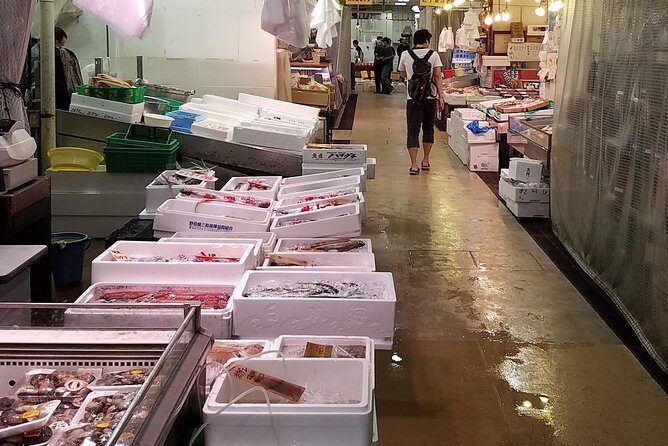
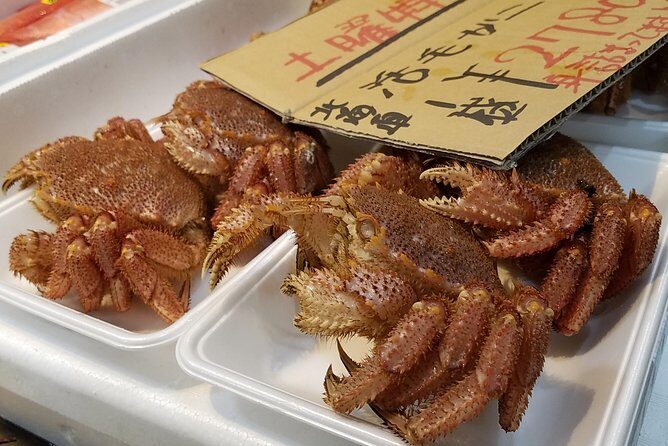
After that, you’ll reach Kuromon Market. It’s the open-air market that many visitors zero in on, and the reason is obvious: the sights are intense, and the quality can be excellent.
Here’s the nuance you’ll want to keep in mind: prices can be higher. Even with a guide, you’ll see the difference between a market that’s selling to locals vs one that’s built for high visitor demand.
This stop runs about 25 minutes. That’s enough time to:
- Understand what’s being sold and how it’s priced.
- Choose one or two items if you want a snack purchase.
- Learn which stalls or food types align with what you came for (seafood, grilled bites, quick treats).
If you’re hoping the tour price will automatically cover tastings, don’t assume that. The tour’s stated focus is on getting you oriented and confident, plus showing you where to buy what looks good.
Sennichimae Doguyasuji: the street for knives, ceramics, and sushi models
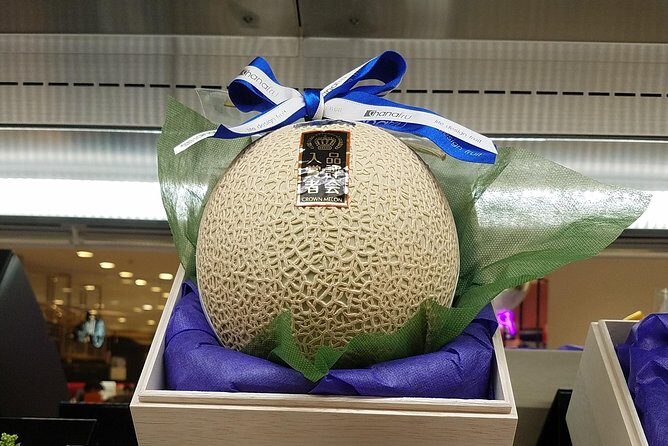
You’ll finish with time in Sennichimae Doguyasuji Shopping Street, a kitchenware-focused zone. Here you’re not chasing edible souvenirs. You’re shopping for the tools that make home cooking easier—and in Japan, that can be an experience in itself.
The range is practical and fun:
- kitchenware and Japanese knives
- wax sushi models (great as quirky display pieces)
- Japanese ceramics and serving dishes
- tea cups and lacquer chopsticks
This stop is about 25 minutes. It’s ideal if you want a “take something real home” souvenir rather than only packaged snacks.
A caution: knives and fragile ceramics add weight and break risk. If you buy anything heavy, plan how you’ll carry it during the rest of the tour and how you’ll transport it back later.
Namba (Dotonbori) finish: using time wisely
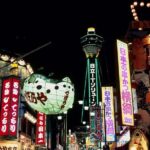
With remaining time, the tour includes Minami (Namba) and the Dotonbori area, ending near Ebisu Bridge. This is your quick chance to see the big Osaka street scene, after you’ve already learned what ingredients drive the city’s food culture.
This last stop is about 20 minutes. I’d treat it as “context time” rather than a time to make big purchases. By now, you’ll likely understand what you want to eat next and how to spot good options faster.
Price and value: $91 for navigation, not a tasting banquet
At $91 per person (around a 4-hour experience), you’re paying mainly for three things:
1) a guide who can walk you through markets and explain what you’re seeing,
2) the structured route across multiple food-shopping environments, and
3) help using your language choice to ask questions and make decisions.
What’s not included is also part of the value equation. The tour does not include samples, food items, refreshments, or souvenirs. Snacks are your responsibility to purchase, and transportation during the tour is also not included.
There’s mention of a small local transport cost (listed as 330 yen per adult, and clarified as roughly 400 yen for the entire tour). It’s not a major expense, but it’s worth budgeting.
So is it worth $91? If your goal is to learn how to shop and order across Osaka markets without freezing in front of menus, I think it’s good value. If your goal is unlimited tasting with zero shopping decisions, you might feel a mismatch—some people do when they expect guaranteed food sampling.
Walking stamina and how to pace yourself
This is a walking tour with a moderate amount of walking. You won’t be hiking, but you are moving through dense areas: arcades, market aisles, and crowded corners.
I recommend you wear shoes you can stand in for a few hours. If you’re traveling with kids, the tour data says children must be accompanied by an adult, so plan on slower pacing.
If you get tired, don’t try to “power through.” The tour is built around a few time-boxed stops, so it’s okay to shop less in one area and focus on one or two purchases you truly want.
Who should book this Osaka food markets tour
This is best for you if:
- you want Osaka food culture through markets, not only restaurants
- you like street-level shopping and ingredient questions
- you want help learning how to order and navigate confidently
It might be less ideal if:
- you want a strict schedule of guided restaurant tastings with food included
- you’re hoping the tour price covers snacks and drinks automatically
If you’re the kind of traveler who enjoys figuring things out on your own but needs a map first, you’ll likely get what you want here.
Should you book? My practical take
I’d book this tour if you’re coming to Osaka mainly for food and you want the skill to keep exploring after the tour ends. The route gives you variety—depachika, wet market, arcade, Korea Town, Kuromon, and kitchenware shopping—all in about four hours.
Skip it only if you strongly prefer “eat first, learn later” and you don’t want to pay for your own snacks. Otherwise, this is one of the smartest ways to get your bearings fast in Osaka’s food markets and leave with better next-step instincts.
FAQ
Is there a choice between morning and afternoon tours?
Yes. You can choose either a morning or an afternoon tour to fit your schedule.
How long is the tour?
The tour lasts about 4 hours.
What locations are included in the route?
The tour includes stops at Takashimaya Osaka Store (depachika), Pulala Tenma, Tenjinbashi-suji Shopping Street, Osaka Tsuruhashi Ichiba (Korea Town), Kuromon Market, Sennichimae Doguyasuji Shopping Street, and a chance to explore Minami (Namba) if time remains.
Are food tastings included in the price?
No. Samples and food items are not included, and snacks are the responsibility of the guest to purchase.
Is transportation included?
No. Transportation while on tour is not included (listed as 330 yen per adult, with a clarification that it can be covered or covered for the entire tour around 400 yen).
Does the tour offer pickup?
Yes, pickup is offered.
What are the start and end points?
The tour starts at McDonald’s in front of Temma Station and ends near Ebisu Bridge in Dotonbori.
Is this tour private?
Yes. It is private, meaning only your group participates.
What language options are available for the guide?
The guide is native or close to a native speaker of your chosen language.
Can children join?
Children must be accompanied by an adult, and there is a moderate amount of walking.
If you tell me your travel dates and whether you’re aiming for more seafood, snacks, or kitchenware, I can suggest which stop to prioritize once you arrive.