REVIEW · OSAKA
Osaka: Kuromon Market Food Walking Tour (6 stops, 6 tastes)
Book on GetYourGuide →Operated by MagicalTrip · Bookable on GetYourGuide
Six tastings that teach Osaka fast. It’s a tight 2-hour route that mixes Kuromon Market bites with real city flavor, plus a guide who helps you pick the good stuff. I love the hands-on food sampling approach (it’s enough to fill you up), and I also like the added detours for shopping and atmosphere, like time in Hozenji Yokocho and Dotonbori. One thing to weigh: gluten-free requests aren’t accommodated, so plan around that.
I also like how the pacing stays manageable even when the market gets crowded. Guides such as Nina and Niko are repeatedly praised for clear English, good organization, and keeping the walk from turning into a rushed line of stalls. You’ll come away knowing what to look for next time you wander on your own.
The tour price is $49 for 2 hours with 5–6 tastings included, and photos handled by the guide team. If you’re sensitive to timing, note the tour starts on time and late arrivals can’t join, and there’s no wheelchair access recommended for this route.
In This Review
- Key things I’d plan around
- Kuromon Market: why this is more than just eating
- Where you start at Nipponbashi and how the walk stays usable
- The route: six stops that connect food, craft, and street life
- 1) Picasso Japan One Building area: setting off in the right direction
- 2) A short stop for a “quiet intro” before Kuromon
- 3) Kuromon Ichiba Market (about 30 minutes): your main tasting hub
- 4) Sennichimae Doguyasuji Shotengai (about 20 minutes): kitchen-street energy
- 5) A local restaurant stop (about 10 minutes): a breather and a palate reset
- 6) Hozenji Yokocho (about 10 minutes): alley atmosphere
- 7) Dotonbori (about 25 minutes): the Osaka punchline
- What you’ll likely taste (and how the guide helps you avoid decision fatigue)
- Souvenir time: kitchenware you’ll actually use
- Guides and photos: why the experience feels organized
- Price and value: why $49 can feel like more than a snack tour
- Who should book (and who should think twice)
- Should you book the Osaka Kuromon Market Food Walk?
- FAQ
- How many food tastings are included?
- How long is the Kuromon Market Food Walking Tour?
- What language is the tour guide?
- What foods are included on the tour?
- Can the tour accommodate gluten-free diets?
- Can vegetarians or vegans join?
- What’s the meeting point?
Key things I’d plan around
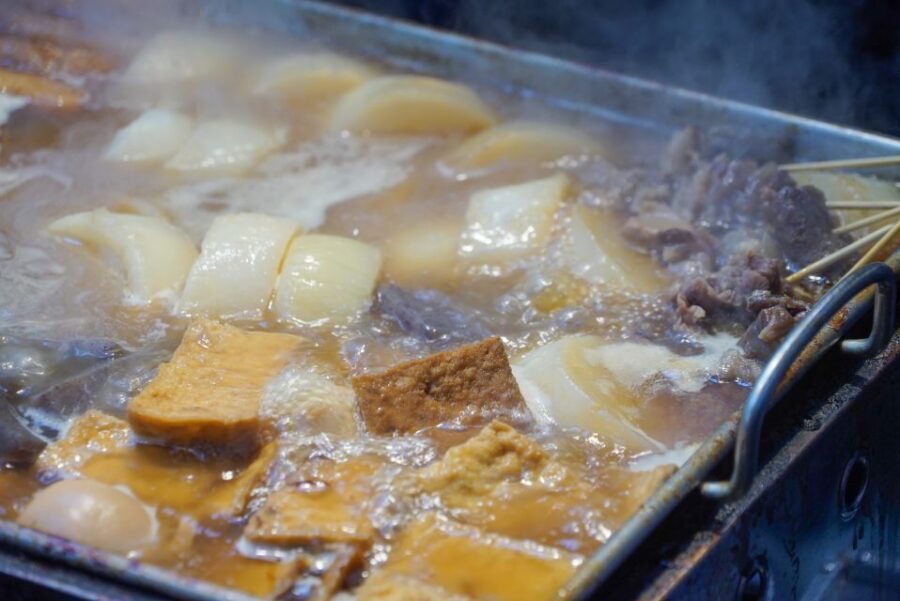
- 6 stops, 5–6 tastings that are meant to fill you up, not just “snack sampling.”
- English live guide (certified local guide via MagicalTrip) helping you choose stalls intelligently.
- A route that connects food with city context through Osaka’s market lanes and shopping streets.
- Time for kitchenware and tableware souvenir hunting, including stops aimed at knives, cookware, and everyday items.
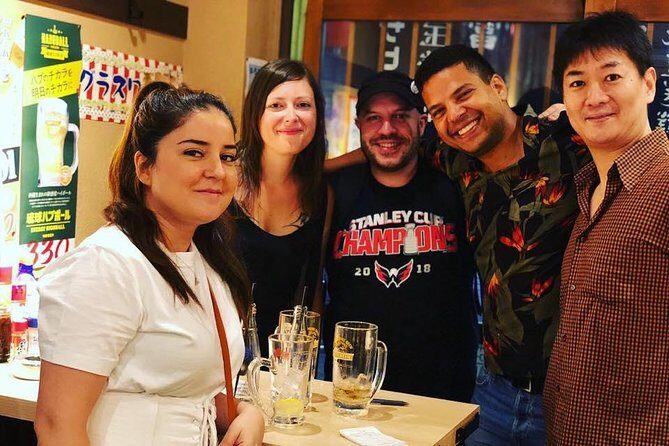
- Photo time is built in, and many guests mention getting lots of pictures.
- Dietary limits matter: gluten-free isn’t available; vegetarian/vegan can be limited unless you request ahead.
Kuromon Market: why this is more than just eating
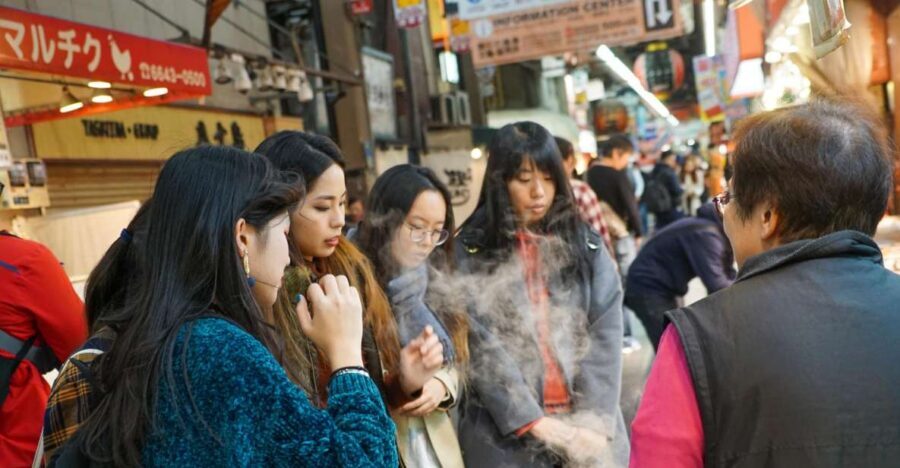
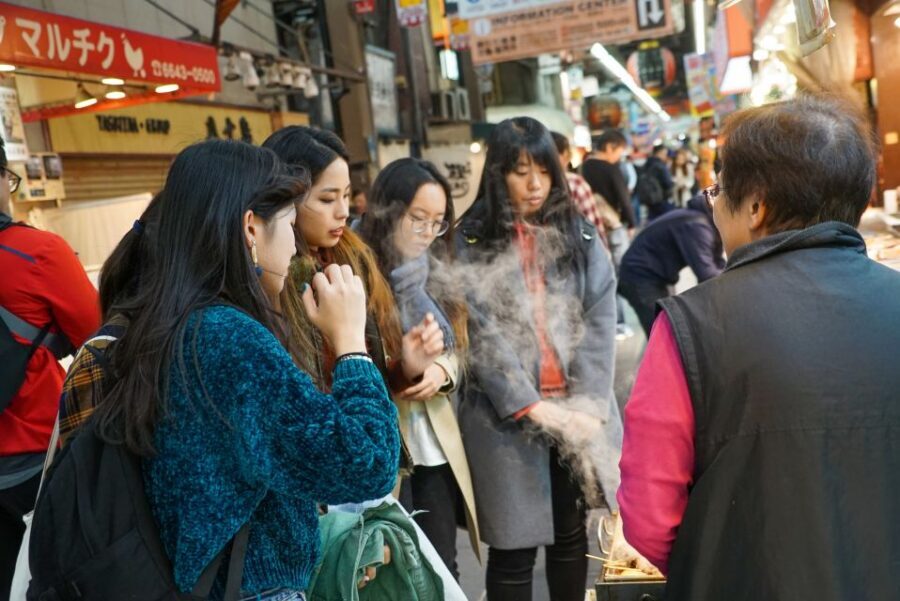
Kuromon Market has a nickname people actually repeat: the Kitchen of the Nation. That gives you the right mindset. This isn’t a theme park version of Japanese food. It’s a working market area where family-run stalls have been around for decades, and the whole vibe comes from how quickly things move—people come in with hunger and leave with something warm, grilled, or freshly prepared.
The tour leans into that reality. You’re not left wandering with a map and guesswork. The guide helps you sort through the food stalls and decide what’s worth your money and your feet. That’s a big deal in Kuromon, because there’s a lot to look at, and you don’t want to waste time pointing at the first booth you see.
Also, Kuromon is where Osaka’s food identity shows up in plain sight. You get the feeling that the city’s love of street food isn’t random. It’s built on everyday eating—grilled skewers, fresh seafood, hot batter snacks—and a shopping culture that wraps around the market.
You can also read our reviews of more walking tours in Osaka

Where you start at Nipponbashi and how the walk stays usable
You’ll meet near Kintetsu Nippon-bashi Station. The meeting point is in front of the SMBC ATM at Nippon-bashi 1chome, near Exit 10, and the guide holds a sign for MagicalTrip.
This matters because it’s central Namba area, where streets can feel like one long knot of signs and neon. A clear meeting spot reduces stress on your first morning or first day trying to orient yourself.
From there, the tour heads into the market zone and beyond. You’ll be on foot for about two hours, so wear shoes you can stand in for a while. Japan’s seasons swing hard—summer can hit around 40°C (110°F), and winters can get down to about -5°C (20°F). That’s not a reason to skip the tour. It’s a reason to bring what you need: water, sun protection in summer, and warm layers if you’re going in winter.
Group style also affects how enjoyable it feels. The activity offers private or small groups. That tends to make it easier to move through crowded lanes without constant stop-and-go.
The route: six stops that connect food, craft, and street life

Instead of treating this as a “market only” experience, the tour strings together food plus the neighborhoods around it. Here’s what that looks like, and what to watch for at each stop.
1) Picasso Japan One Building area: setting off in the right direction
You begin at the Pikaso Japan Ichibei Building area (the exact pickup is tied to the SMBC ATM near Nipponbashi). This first stretch is about orientation. Your guide helps you understand the geography—where the food action is and how the lanes connect toward shopping streets and the big canal-side energy later.
If it’s your first day in Osaka, this portion helps you stop feeling lost. You’ll learn how to connect Namba-area sights in a way that’s easy to repeat later.
2) A short stop for a “quiet intro” before Kuromon
There’s a brief visit that functions like a warm-up (about 15 minutes). The point isn’t a full attraction stop. It’s a quick taste of what the guide will point out along the way—how to spot good stalls, what kind of food fits the market rhythm, and where you’ll see cultural details.
The benefit here is mental. You’re primed before you step into the food chaos.
You can also read our reviews of more food & drink experiences in Osaka


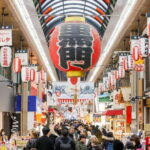
3) Kuromon Ichiba Market (about 30 minutes): your main tasting hub
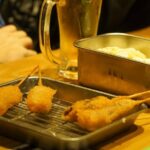
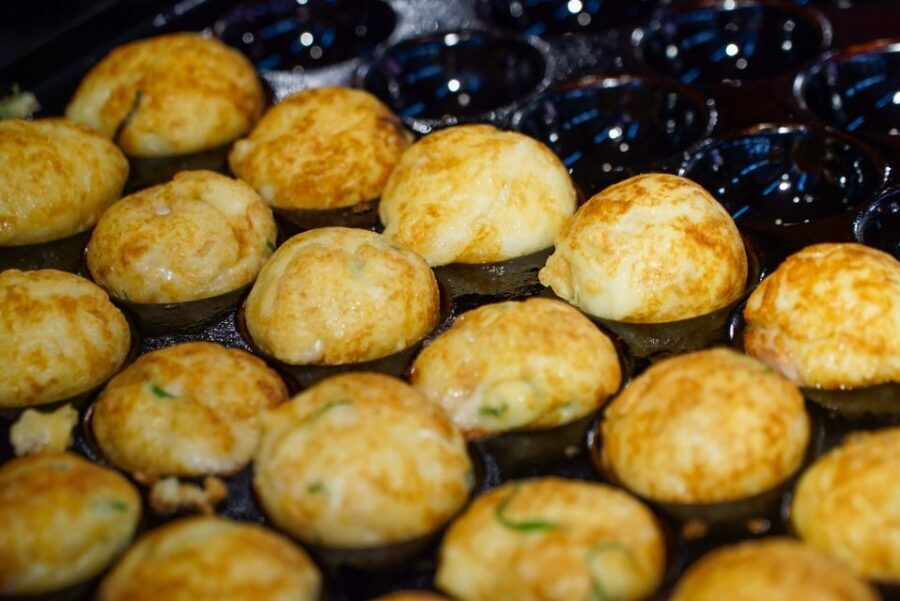
Kuromon Market is the center of the tour. This is where you’ll get your 5–6 samplings, typically including Osaka standbys like takoyaki, grilled scallops, and yakitori skewers—plus other market favorites your guide steers you toward.
What I like about this structure: you’re spending enough time here to make the tastings feel substantial. Many food tours skim the market and then send you off. This one keeps Kuromon as the core event.
Practical tip: go in hungry. The tour includes enough food samplings to fill you up, and most people leave satisfied.
4) Sennichimae Doguyasuji Shotengai (about 20 minutes): kitchen-street energy
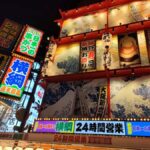
Next you move toward Sennichimae Doguyasuji Shotengai, a street known for shop browsing that fits the food theme. This is where your souvenir mood can kick in: knives, kitchen tools, and kitchen-and-table items you can actually use at home.
From guide descriptions and guest feedback, this stop often becomes one of the “I didn’t expect to buy anything” moments. People bring home practical wares because the shops focus on stuff with a purpose.
5) A local restaurant stop (about 10 minutes): a breather and a palate reset
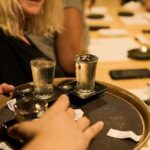
There’s a quick restaurant visit segment. Even if you’re not stuck inside for a long sit-down, it breaks up the walking. It also gives the guide space to explain what you’re tasting and how Osaka-style street foods work in real life.
This short pause is useful if you’re touring in hot weather, or if you just want your legs to feel normal again.
6) Hozenji Yokocho (about 10 minutes): alley atmosphere
Then you hit Hozenji Yokocho. This is a small-lane, old-feel-style stop that adds contrast after the market. You’re not there to eat another full meal. You’re there for the setting: narrow streets, street-scene energy, and a sense of Osaka nightlife that’s more grounded than the big-show areas.
7) Dotonbori (about 25 minutes): the Osaka punchline
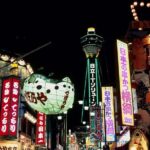
Finally, you end up in Dotonbori, where the city really shows off. It’s visually loud, food-heavy, and easy to connect to after your tour. This segment is great for turning your taste knowledge into “what should I order tonight?”
Even if your main goal is food, this final stretch helps you translate the tour into your next meal plan.
What you’ll likely taste (and how the guide helps you avoid decision fatigue)
The tour description calls out examples like takoyaki, grilled scallops, grilled yakitori skewers, and more. And the overall point is that you don’t choose blindly.
What you’re buying with the guide is faster, better decision-making. Instead of standing in front of 10 stalls and trying to decode the menu, the guide helps you match flavors to what’s best in that moment. That includes hot items and quick bites that are easy to eat while walking.
Some tastings people have talked about include:
- Seafood options like scallop sushi and sashimi-style items
- Grilled street skewers and other Osaka grill culture foods
- Sweet snacks such as red bean taiyaki and mochi-style treats
- Drinks or cold treats like fresh watermelon and ice-cream sandwich styles
- Market-style bites like roast chestnut and dried fruit
A note for picky eaters: the tour isn’t built for only one flavor profile. You’ll get a range—salty, grilled, fresh, and sweet—so by the end you don’t feel like you ate the same thing six times.
Souvenir time: kitchenware you’ll actually use
One of the most practical highlights is the chance to shop for unique Japanese kitchenware and tableware souvenirs. This isn’t generic “buy souvenirs” time. The route steers toward the kind of stores where kitchen and dining items are the point.
If you’ve ever bought a random trinket and later wondered where to put it, this is the better approach. The market-adjacent shopping streets are the kind of place where you can bring home something functional: a tool, a dish, or an item tied to cooking culture.
A side benefit: shopping feels easier when your guide points out what to look for and where to browse. In busy areas, that’s how you avoid the “I wandered for 30 minutes and bought nothing” problem.
Guides and photos: why the experience feels organized
This tour is run by MagicalTrip with live English guides. In guest feedback, guides like Nina, Niko, Aya, Aina, Noz, Rhi, Mitch, and Aiko come up often. Names matter because they reflect the real service vibe people report: friendly pacing, clear explanations, and no feeling that you’re just being shoved from stall to stall.
Common praise themes include:
- Strong English and a good ability to answer questions
- A calm, organized flow even in crowded areas
- Enough time to taste without feeling pushed
- Photo help, with many people saying they got plenty of pictures for the whole group
That photo element is underrated. In places like Dotonbori or narrow lanes around Hozenji Yokocho, stopping to take photos can break your rhythm. A guide handling photos saves you time and helps you keep your walk going.
Price and value: why $49 can feel like more than a snack tour
$49 for a 2-hour walking tour with 5–6 included food tastings isn’t the cheapest option. But it’s also not “pay for crumbs” pricing.
Here’s why it can feel like good value:
- The food is part of the ticket price, and the tour is designed to fill you up.
- You’re paying for selection help. In a market setting, the cost of wrong choices is time and stomach space.
- You also get guidance through multiple areas (Kuromon, a kitchen-shopping street, Hozenji Yokocho, and Dotonbori). That’s more than one neighborhood worth of strolling.
If you’re already planning to eat your way through central Osaka, this kind of guided structure can replace the guesswork and help you prioritize. You can treat it like an edible orientation: you learn what you like, then you can chase it later on your own.
Who should book (and who should think twice)
This tour is for all ages. It’s also a smart pick if you want a quick Osaka orientation with food at the center.
It’s not a good fit for everyone, though:
- Gluten-free requests can’t be accommodated.
- Vegetarian and vegan needs can be accommodated, but options may be limited because many Japanese restaurants aren’t fully prepared for special diets. You must request at least one day in advance. Same-day requests can’t be accepted, and allergy-free meals or substitutions can’t be guaranteed because food is prepared in external kitchens.
- Some locations aren’t wheelchair or stroller accessible, and the tour isn’t recommended for mobility issues.
Also, the tour starts on time. If you’re the type who runs late, set an earlier alarm. Late arrivals can’t join, reschedule, or receive a refund.
If you want to travel light: since additional food and drinks aren’t included, you’ll want cash on hand for extras.
Should you book the Osaka Kuromon Market Food Walk?
Book it if you want a practical introduction to Osaka food in a short window. The mix of Kuromon tastings plus Dotonbori street payoff makes it easier to build your next meal plan. And if you like shopping for functional keepsakes, the kitchenware route is a standout.
Skip it (or swap to another option) if gluten-free is a hard requirement, or if mobility access is a concern. Also skip if you hate crowds and walking—Kuromon and the surrounding streets are busy by nature, and this is very much a city-walk style experience.
If you’re open to grilled street foods, seafood, and sweet snacks, and you want someone to help you pick without overthinking, this tour is a strong match for your first visit to Osaka.
FAQ
How many food tastings are included?
The tour includes 5–6 food samplings, with enough tastings to fill you up.
How long is the Kuromon Market Food Walking Tour?
It’s a 2-hour experience.
What language is the tour guide?
The live tour guide speaks English.
What foods are included on the tour?
The tour highlights Osaka street foods such as takoyaki, grilled scallops, and grilled yakitori skewers, plus additional tastings.
Can the tour accommodate gluten-free diets?
No. The tour cannot accommodate gluten-free requests.
Can vegetarians or vegans join?
Vegetarian and vegan requests can be accommodated, but options may be limited. You need to inform the provider at least one day in advance.
What’s the meeting point?
Meet in front of the SMBC ATM at Nippon-bashi 1chome near Kintetsu Nippon-bashi Station (Exit 10), and the guide will be holding a board for MagicalTrip.