REVIEW · TOKYO
Mt. Fuji & Hakone Bus Tour Bullet Train Return & 28-Hotel Pick-up
Book on Viator →Operated by Japan Gray Line · Bookable on Viator
Fuji up close, then Hakone’s steam. This full-day bus tour pulls you from Tokyo at 8:30am, aims for Mt. Fuji 5th Station, then threads in Hakone’s ropeway and Lake Ashi so you can see big sights on one plan.
I like the licensed English-speaking guide who explains what you’re seeing while you’re moving between stops. I also like that you can upgrade to a bullet train return option, which cuts the stress of the long road back.
The trade-off is time: this is about a 10-hour day with short windows, and weather or road closures can shift parts of the route.
In This Review
- Key highlights worth your focus
- From Tokyo hotel pickup to a real one-day route
- Mt. Fuji 5th Station: how this tour maximizes your view chances
- Gotemba lunch stop: a break that also keeps the day moving
- Hakone Sky Gondola to Owakudani: sulfur valley without the hassle
- Lake Ashi cruise: the Torii Gate moment you plan for
- Odawara Station stop and the Shinkansen return to Tokyo
- Price and value: what $145.35 buys you when time is tight
- Weather changes and substitutions: how flexible should you be?
- Comfort, pacing, and group size: what to expect on the ground
- Who should book this Mt. Fuji and Hakone day trip?
- Should you book this tour?
- FAQ
- What time does the tour start?
- How long is the day trip?
- Is hotel pickup included?
- Does the tour include tickets for Hakone and Lake Ashi?
- Is lunch included?
- Can I return to Tokyo by bullet train?
- What happens if the weather is bad or access is restricted?
- Is WiFi provided on the bus?
- Can children join for free?
- Is the tour limited in group size?
Key highlights worth your focus
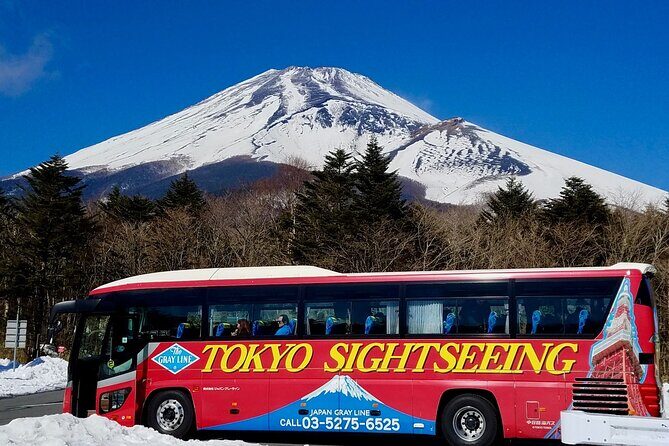
- Mt. Fuji 5th Station as the target: you go for the highest accessible point, not a distant viewpoint
- Hakone Sky Gondola + Owakudani: sulfur valley, sulfur-warmed scenery, and the famous black eggs
- Lake Ashi cruise: a 30-minute boat ride with the Torii Gate and Fuji views when skies cooperate
- Optional Shinkansen to Tokyo Station: your return can be much faster and calmer than staying on the bus
- Small-group feel: capped at 45 travelers, so it doesn’t feel like a school trip herd
From Tokyo hotel pickup to a real one-day route
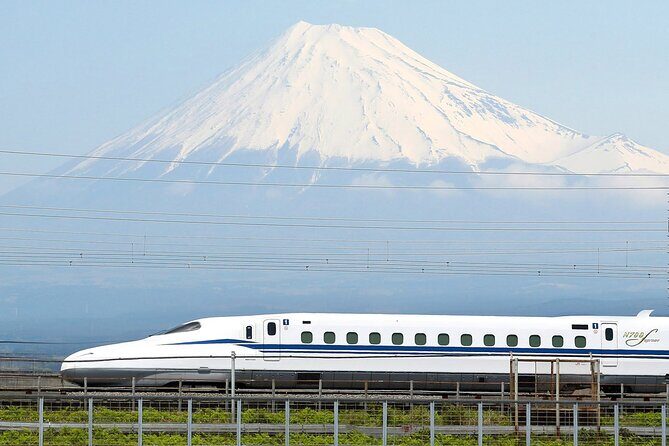
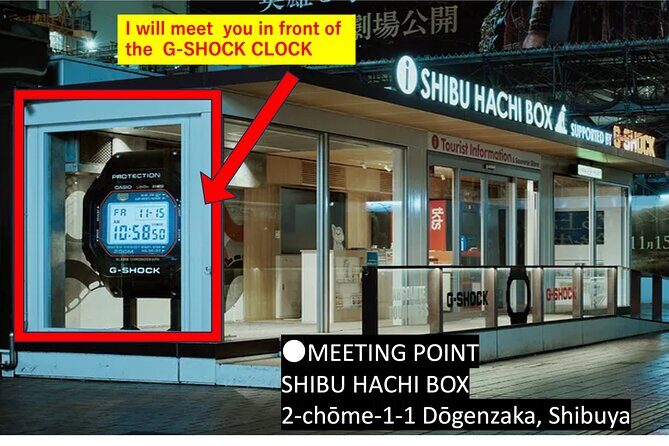
This trip is built for people who want fewer decisions and more sightseeing. Pickup is offered from designated Tokyo hotels, and the tour says it covers a lot of areas (28 hotel pickups is part of the title). In practice, that can mean a taxi may be used to get you to the main group meeting point, depending on operations. Your guide might not escort you during that pickup phase, so it helps to watch for the meeting instructions tied to your specific hotel.
Start time is 8:30am, and the whole outing runs about 10 hours. You’re going to spend time on the bus, but the layout is designed around one-day logistics: you’re not searching for trains, finding parking, or mapping out transfers. You’re just showing up and following the plan.
One small but important detail: the tour uses a mobile ticket, and the experience notes say it’s near public transportation. That’s useful if you need a backup plan for where you meet. Also, there’s no WiFi on board, so download what you need before you leave.
You can also read our reviews of more tours and experiences in Tokyo.



Mt. Fuji 5th Station: how this tour maximizes your view chances
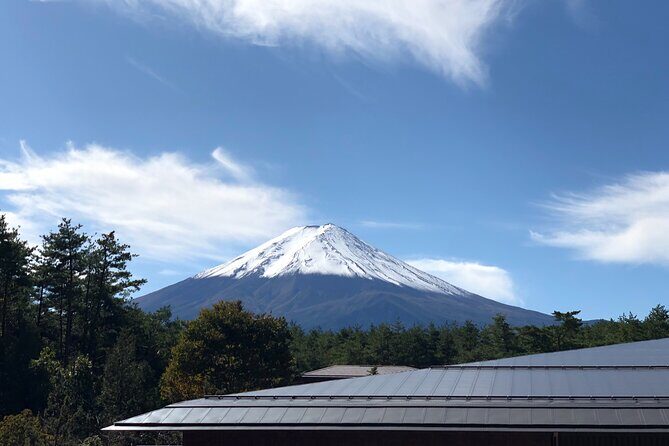
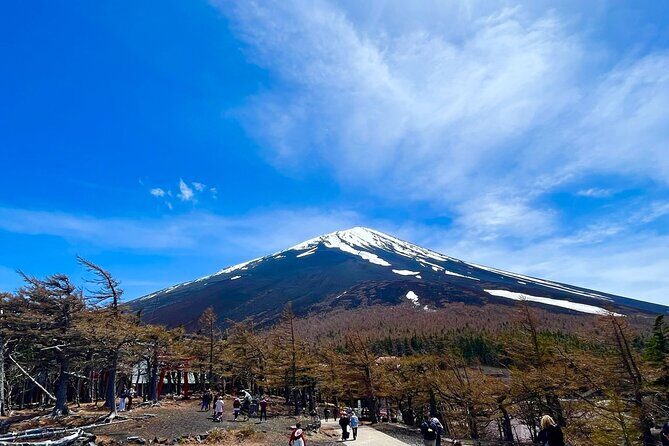
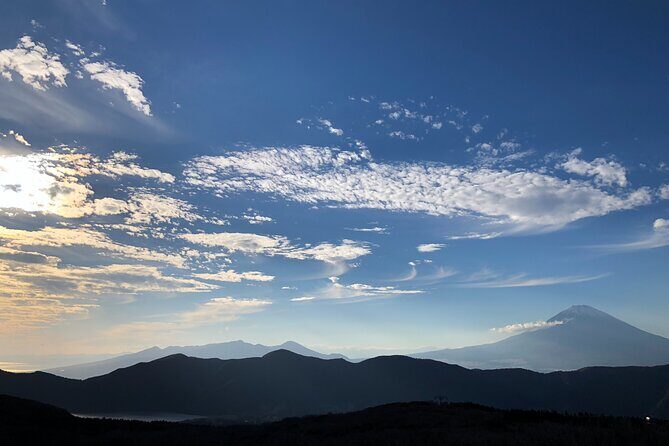
Mt. Fuji is the headline here, and the tour’s strategy is clear. The goal is to reach Mt. Fuji 5th Station, described as the highest accessible point. That matters because it changes the whole feel of the visit. A mountain “in the distance” can look impressive, but it’s not the same as standing at a high point where the slopes and ridges feel real.
Your time at the first stop is about 30 minutes, and the admission ticket is included. On a clear day, that’s the kind of window where you can get photos, read the scene, and soak up the dramatic scale without needing to hike. On a cloudy or rainy day, you still get the experience of being there, but you may feel the frustration that comes with not seeing the peak the way you imagined.
A practical thing I’d plan around: the tour notes that if the road to 5th Station is closed due to snow or other reasons—or if the group is running behind—your guide will drive to the highest accessible point instead. That’s helpful because it means you’re not necessarily turned into “drive-by tourism.” Still, it does mean you should keep your expectations flexible. This tour says schedules and sightseeing components might change due to heavy traffic, weather, or operations, and those changes aren’t treated as grounds for a refund.
Gotemba lunch stop: a break that also keeps the day moving
After the Fuji push, you head to Gotemba for a Japanese-style lunch. The lunch time slot is about 40 minutes, and the tour includes a vegetarian option. That’s a real plus because lunch breaks on Japanese day trips can be hectic: you want something filling, simple, and not too chaotic to eat while everyone stays on schedule.
The tour also notes the lunch restaurant requires stairs to access, and the day involves outdoor walking. So if you’re thinking about mobility issues, plan accordingly. Comfortable shoes matter even if the walking distance doesn’t sound huge.
If you choose the package that doesn’t include lunch, the experience notes say lunch isn’t provided. Also, there’s a clear boundary: the tour says they can’t provide special meals for food allergies or dietary restrictions. If you have a real allergy or strict dietary needs, the safest move is to pick the option without lunch and eat elsewhere that matches your requirements.
Hakone Sky Gondola to Owakudani: sulfur valley without the hassle
Hakone is where the day shifts from mountain drama to volcanic drama. The itinerary includes a quick Hakone Sky Gondola ride (one-way cable car to Owakudani Valley) with the ticket included, and the stop is about 15 minutes.
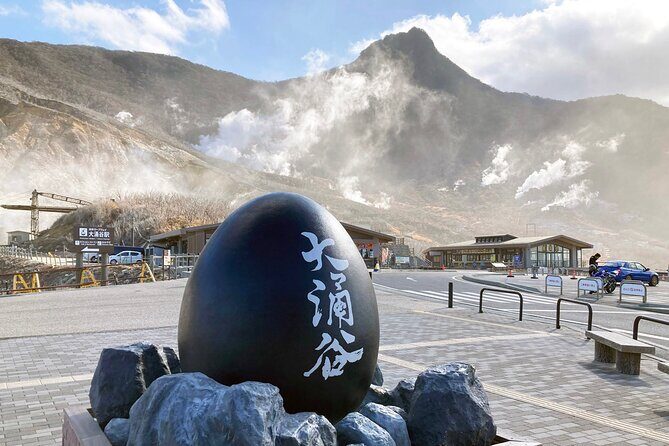
This is the part of the tour that feels most hands-on. You get up above the area, see the terrain, and arrive at a place known for sulfur vents. Owakudani literally means Great Boiling Valley, and the tour highlights sulfur vents and the famous black eggs—eggs cooked in hot spring water.
Your time here is about 20 minutes. Tickets are not listed as included for Owakudani in the summary, but the activity itself is part of the standard flow with substitutions depending on weather and operations. Either way, this is the moment where you get the classic Hakone “steam and stone” vibe.
One safety note from the tour information: the Owakudani area is called out as something guests with certain health problems should avoid, including allergic asthma, bronchial disorders, respiratory complaints, heart complaints, and anyone using a heart pacemaker. If any of that applies to you, take it seriously. The view is cool, but your breathing matters more than a souvenir egg.
Lake Ashi cruise: the Torii Gate moment you plan for
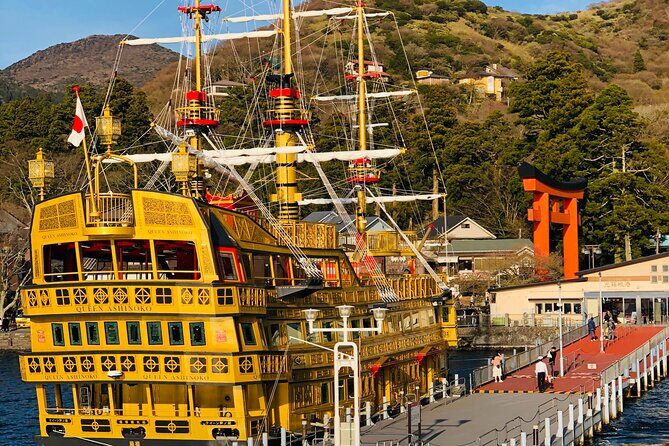
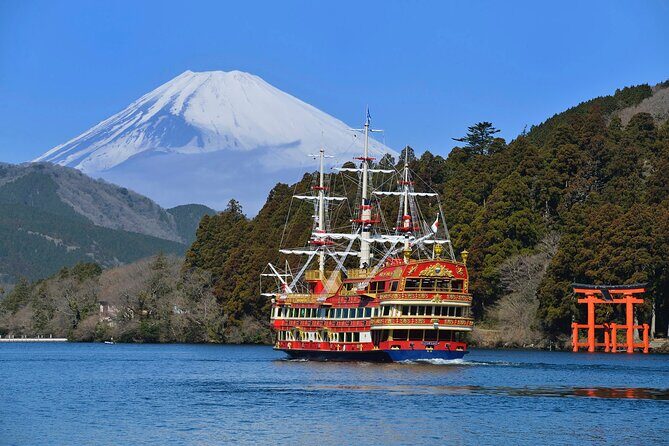
Next comes Lake Ashinoko. You’ll enjoy a 30-minute boat cruise on a pirate ship style boat, and the ticket is included. This is where the day often feels like a payoff. You get moving views across the water, plus a classic photo target: the Torii Gate near the lake.
Mt. Fuji may appear here too, depending on weather and cloud cover. The tour can’t control skies, but it does position you for those “maybe Fuji shows up” moments. If it’s clear, this can be the best scenery payoff of the day. If it’s cloudy, you still get the water, mountains around the bay, and the atmosphere of Hakone.
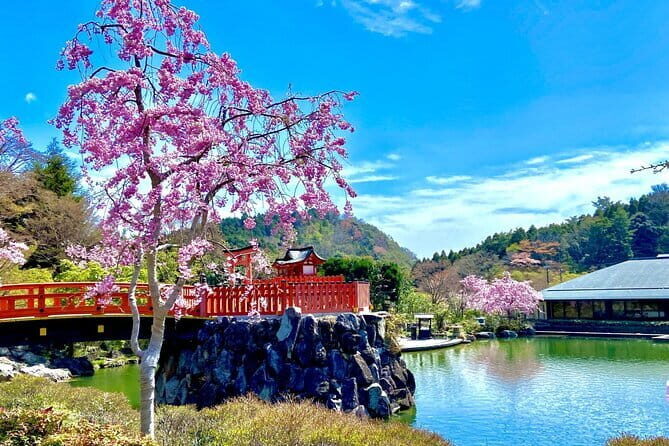
After that boat ride, you’ll visit Hakone Shrine with the famous red torii gate by the lake. The time allocation is about 30 minutes, and the tour notes the shrine is the region’s oldest and most significant Shinto shrine.
I’d treat the shrine as your stretch break and photo time. The day is moving fast, so this stop is a good place to slow down, catch your breath, and think about where you want to stand for photos.






Odawara Station stop and the Shinkansen return to Tokyo
The endgame of the day depends on which return option you pick.
If you choose the bullet train return, the tour includes a ride from Odawara Station to Tokyo Station, about 35 minutes, arriving between 6:30 and 7:00pm. Your final stop in that case is Tokyo Station Marunouchi Ekimae Hiroba, and the tour ends at Tokyo Station.
The tour also notes a brief 10-minute break at Odawara Station for passengers returning by bus. If you’re switching to trains, the guide support matters. In feedback tied to this operator, guides like Yoshi and others are praised for actively helping passengers figure out connecting transport at Tokyo Station.
That support is not just comforting—it’s practical when you’re tired. If you’ve ever tried to read a route map after a long day, you know why. A group tour becomes worth it when it reduces your mental load at the finish line.
Price and value: what $145.35 buys you when time is tight
The price listed is $145.35 per person, and it’s worth looking at what’s included because this tour doesn’t just cover the bus ride.
Here’s the value math you can take with you:
- You get a certified English-speaking guide (National Licensed Guide-interpreter)
- You get pickup from designated hotels
- You get key experience tickets like Mt. Fuji 5th Station, Hakone Sky Gondola, and Lake Ashi cruise
- If you upgrade, you get the Shinkansen return to Tokyo Station
Lunch is optional by package. If you want lunch included, you pay for that add-on; if you want control over your food for allergies or dietary needs, you may prefer skipping the included meal option.
Even if you’re price-shopping, remember what you’re paying for: fewer transfers and fewer chances to waste time. If you’re on a short visit to Tokyo, the convenience can be worth more than the ticket price. And because the group size is capped at 45 travelers, it generally avoids the “everyone is packed in like sardines” worst-case feeling.
Still, don’t ignore the main drawback: it’s a full day. You’re paying to see a lot, not to linger.
Weather changes and substitutions: how flexible should you be?
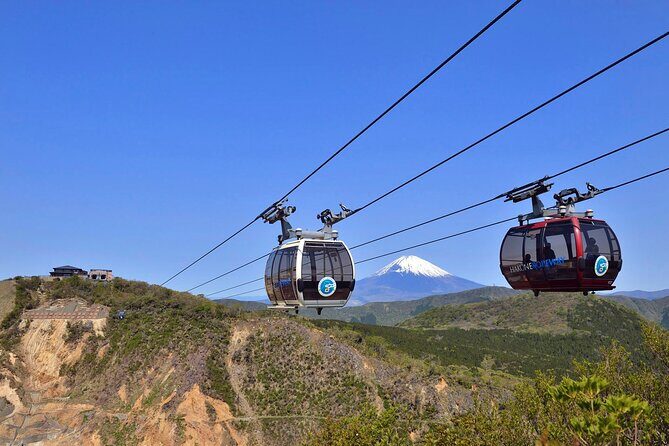
This tour works on one big assumption: you’ll cooperate with weather. The itinerary notes repeatedly that Hakone Sky Gondola, Owakudani Valley, and the Lake Ashi boat cruise may be excluded or substituted due to weather, heavy traffic, or restricted entry.
When that happens, your guide may take you to one or two alternatives, such as Peace Park in Gotemba, Hakone Shrine, Hakone Geo Museum, Hakone Komagatake Ropeway, Mt. Komagatake, Hakone Ashinoko Boat Cruise on Lake Ashi (or another cruise option like Lake Kawaguchi), Narukawa Museum, or Mt. Fuji Panoramic Ropeway.
That substitution list is good news because it means the day doesn’t instantly become a backup plan disaster. But it also means you should choose this tour with the mindset of flexible sightseeing, not a guaranteed set of exact views.
Also, the tour suggests bringing warm clothing and rain gear—a raincoat and umbrella. That’s not optional advice in Japan. On mountain and lakeside stops, conditions can shift quickly.
Comfort, pacing, and group size: what to expect on the ground
A lot of this trip’s success rides on pacing. Your time at each stop is relatively short—often 15 to 30 minutes windows depending on the activity—so the day is efficient. That’s why it’s good for time-pressed travelers. It can also feel rushed if you like a slow wander with lots of photos and unplanned detours.
The operator’s guides have a strong reputation for keeping things moving and making it educational. Names that come up include Izumi and Yuki, plus Spring and Mi kami. The common thread is clear: these guides tend to give cultural background and help with the “what am I looking at?” part, not just announcements.
One more comfort note: the tour involves outdoor walking and stairs to access the restaurant. Bring shoes that handle uneven ground, and keep your daypack light. And if you’re sensitive to crowds, the boat cruise can get crowded. The tour itself includes a seated cruise, but the experience notes also mention the possibility of exclusions/substitutions due to operational reasons, which can affect how crowded your alternative experience feels.
Who should book this Mt. Fuji and Hakone day trip?
Book it if you want:
- Classic Fuji and Hakone in one day without navigating trains
- A guide-led experience with tickets included for major attractions
- The option to return faster with Shinkansen to Tokyo Station
- A structured plan that’s easier than building your own itinerary
Consider another plan if:
- You need lots of time at one spot (this is built for coverage)
- Weather worries you deeply; you might still enjoy the day, but visibility can’t be guaranteed
- You have health concerns related to Owakudani’s air conditions
- You have strict dietary restrictions that require special meals (the tour says special meals can’t be accommodated)
The biggest “fit” factor is your patience for a long day. If you can handle one day of bus time, your payout is a lot of top sights.
Should you book this tour?
If you’re short on time in Tokyo and you want a low-stress day that hits Mt. Fuji 5th Station, Hakone’s volcano stops, and Lake Ashi, this is a sensible pick. The combination of included tickets, an English-speaking guide, and a real option for Shinkansen return makes it feel like more than just sightseeing-by-bus.
I’d book it if you can accept the trade-off: tight stop times and the possibility of weather-driven substitutions. If you want a leisurely day, or you’re traveling for guaranteed peak views, you’ll likely be happier with a more flexible plan. But for most first-timers, this hits the sweet spot of value and convenience.
FAQ
What time does the tour start?
The tour start time is listed as 8:30am.
How long is the day trip?
The duration is listed as about 10 hours.
Is hotel pickup included?
Yes. The tour includes pickup service at designated hotels in Tokyo.
Does the tour include tickets for Hakone and Lake Ashi?
Yes. The tour includes the Hakone Sky Gondola ticket and the Lake Ashinoko cruise ticket.
Is lunch included?
Lunch is included only if you choose the option with lunch. If you choose without lunch, lunch is not provided.
Can I return to Tokyo by bullet train?
Yes. There is a bullet train ride to Tokyo Station included if you choose the bullet train option. It’s about 35 minutes.
What happens if the weather is bad or access is restricted?
The tour notes that the Sky Gondola, Owakudani Valley, or the boat cruise may be excluded or substituted due to weather, heavy traffic, restricted entry, or other operational reasons. The guide will take you to alternative sightseeing spots.
Is WiFi provided on the bus?
No. The tour notes WiFi on board is not provided.
Can children join for free?
Children up to 5 years old can join for free, but bus seats and lunch are not provided at no cost. If needed, applicable child fare may apply.
Is the tour limited in group size?
Yes. It has a maximum group size of 45 travelers.