REVIEW · SAPPORO
Sapporo 4hr Private Tour with Government Licensed Guide
Book on Viator →Operated by Japan Guide Agency · Bookable on Viator
Sapporo clicks fastest on foot. In a private, government-licensed tour, you get a guide to steer the day and you choose 2–3 stops from a menu that ranges from winter spectacle to local food culture. I especially like the hotel-area start—no stressful hunt for a meeting point—plus the route is adjustable so you don’t waste time zigzagging.
One possible drawback: it’s a walking tour, and while some sights are listed with free admission, other stops aren’t included, so your final day cost can vary depending on what you pick.
I also like how the experience leans practical. Guides in this program stand out for doing real navigation help—like Roy Aoki tailoring the route to what you want, or Kumiko Nakamura planning a long, talk-filled day around parks and markets. And if you want someone family-friendly and food-focused, guides such as Waka and Tom (Tamaki Yakuwa) are the type who keep the day moving without losing context.
In This Review
- Key things to know before you go
- Why a 4-hour private Sapporo walk is a smart move
- Meeting your guide near your hotel (and getting started fast)
- How the customizable 2–3 stop plan really works
- The featured stops: what each one gives you (and what to watch for)
- Sapporo Snow Festival (February big-week energy)
- Moerenuma Park (design-meets-nature walk)
- Historic Village of Hokkaido (Kaitaku-no Mura)
- Mt. Moiwa (view over the city)
- Shiroi Koibito Park (chocolate-company theme fun)
- Sapporo Beer Museum (beer since 1877)
- Odori Park (the city’s long centerpiece)
- Susukino (Sapporo’s entertainment district)
- Okurayama Ski Jump Stadium (Winter Olympics footprint)
- Sapporo Factory (shopping + entertainment in one block)
- Jozankei Onsen (onsen area outside the core)
- Nijo Market (snacks, seafood, and local shopping)
- Clock Tower (Tokei-dai)
- Hokkaido Shrine Ton-gu (with Maruyama Park nearby)
- Maruyama Park (green hill vibes)
- Sapporo TV Tower (a classic Sapporo skyline angle)
- Former Hokkaido Government Office Building
- Sapporo Science Center (hands-on, especially for kids)
- Price and value: is $122.20 a fair deal?
- What makes the guide experience stand out (Roy, Kumiko, Waka, Tom)
- Practical tips to enjoy this half day
- Should you book this Sapporo private tour?
- FAQ
- How long is the Sapporo private tour?
- Is this tour private?
- Do I get pickup?
- How many sites can I visit?
- Are entrance fees included?
- Is there a private vehicle?
- Is lunch included?
- What ticket format do I receive?
- Is free cancellation available?
- End note: my quick call
Key things to know before you go
- Government-licensed, English-speaking guide who handles navigating and timing for a short day
- Pickup on foot / hotel-area start so you can begin right away instead of commuting first
- Choose 2–3 sights from a wide Sapporo list, instead of being forced into a fixed checklist
- Mix of outdoors and indoors—parks and viewpoints plus museums, markets, and food stops
- Not all admissions are included and transportation fees aren’t covered, so totals depend on your selections
Why a 4-hour private Sapporo walk is a smart move
Sapporo is big enough that you can feel lost fast, yet it’s also very workable on foot if someone else handles the routing. In just about 4 hours, you get that first-day “okay, I get the city” feeling—without reading maps like a part-time job.
This format is ideal for time-tight trips and first-timers. Instead of cramming in everything, you pick a handful of stops that match your mood: winter icons, city-center culture, food and shopping, or scenic viewpoints.
The other big win is that you avoid unnecessary transit stress. Many of the items on the stop list cluster naturally around central areas (parks, markets, landmarks), while others are farther out (parks and onsen areas). A private guide helps you choose what fits the time box.
You can also read our reviews of more guided tours in Sapporo
Meeting your guide near your hotel (and getting started fast)
You won’t spend your half-day sprinting across town to reach some distant rendezvous point. The tour is designed with pickup offered and you meet the guide on foot within a designated area, which usually means you start where you’re staying—or very close to it.
Here’s how you can make this run smoother: confirm the exact meeting spot with your guide right after you arrive in Sapporo. Then plan to be ready with your warm layers and a charged phone for the mobile ticket. This is especially important in winter, when you want to be outside only when you mean to be.
Also note that this is a private tour, so it’s just your group. That matters because the guide can slow down for questions, speed up if you’re moving briskly, and swap stops when weather or interest levels change.
How the customizable 2–3 stop plan really works
This tour is built around choosing 2–3 sites. That’s the sweet spot for a short day: enough variety to feel like you saw Sapporo, not so much hopping that you spend the whole time in transit.
A practical way to think about your choices is by “theme”:
- Winter theme: Sapporo’s most famous winter moment (the Snow Festival).
- City-center theme: parks and landmarks that anchor Sapporo’s layout (Odori Park, Clock Tower).
- Food + local products: the Beer Museum and Nijo Market-style stops.
- Scenery + calm: parks, shrines, and viewpoint spots like Mt. Moiwa.
- Family-friendly learning: the Science Center.
If you want the day to feel balanced, I’d choose one “wow” stop, one “walk-and-photo” stop, and one “taste or learn” stop. And if a stop is marked admission not included, treat it as a bonus add-on—pick it because you care, not because you feel obligated.
The featured stops: what each one gives you (and what to watch for)
Below are the main sights on the tour menu. Since you’ll select only a couple or a few, use this as a decision tool.
Sapporo Snow Festival (February big-week energy)
If you’re visiting in February, this is one of the easiest choices for a first-time winter trip. The festival runs one week each February in Sapporo and it’s listed with free admission ticket.
Drawback: it’s seasonal. Outside February, you won’t get the same setup, so match this stop to your dates.
You can also read our reviews of more private tours in Sapporo



Moerenuma Park (design-meets-nature walk)
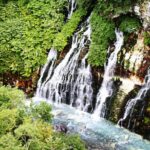
Moerenuma Park is in the outskirts and sits around a marsh. The grounds stretch to about a 4-kilometer circumference, which is great for slow strolling, photos, and that open-air “Hokkaido feels different” mood.
Good note: it’s listed as free here, but it can still feel like a real walk—so dress for the weather.
Historic Village of Hokkaido (Kaitaku-no Mura)
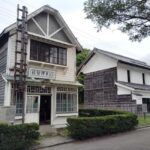
This is an open-air museum showing around 60 buildings from the Meiji and Taisho periods. You’ll get a clear sense of how everyday life and structures looked in Hokkaido’s earlier eras.
Drawback: it’s not included for admission, so you’ll pay separately if you choose it.
Mt. Moiwa (view over the city)
Mt. Moiwa is one of Sapporo’s best-known viewpoints, described as a forested mountain south-west of central Sapporo. The highlight is the city panorama angle—perfect if you want a “how big is this place?” view.
Watch-out: the stop is listed with free admission, but access to the best viewpoints can still cost if you choose paid options on the spot (transport or facilities, depending on how you do it).
Shiroi Koibito Park (chocolate-company theme fun)
This is Ishiya’s theme park built around their famous Shiroi Koibito cookie—two thin butter cookies with a chocolate filling. If you like food culture that turns into a place you can wander, it’s a fun mid-tour stop.
Drawback: admission is not included.
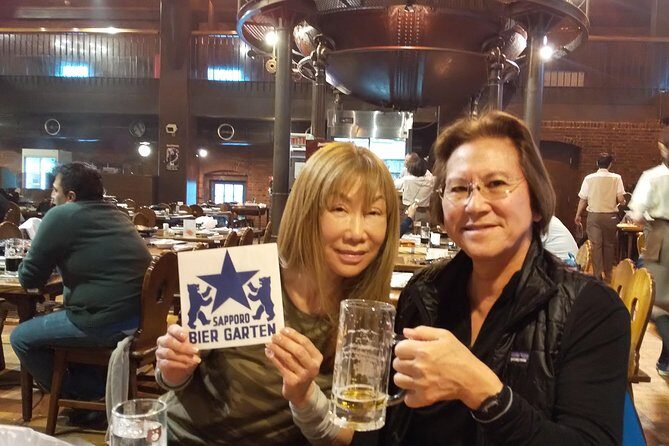
Sapporo Beer Museum (beer since 1877)
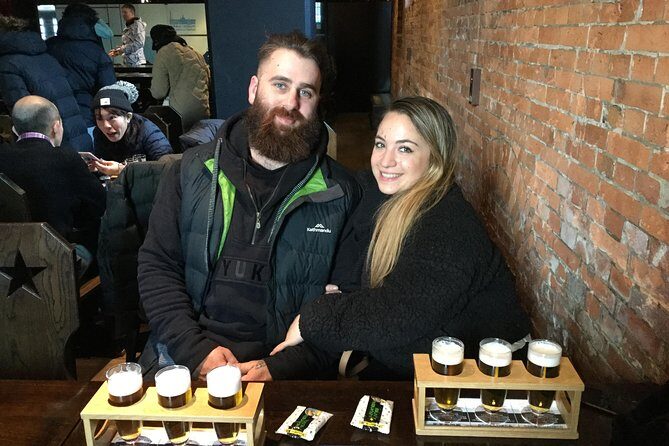
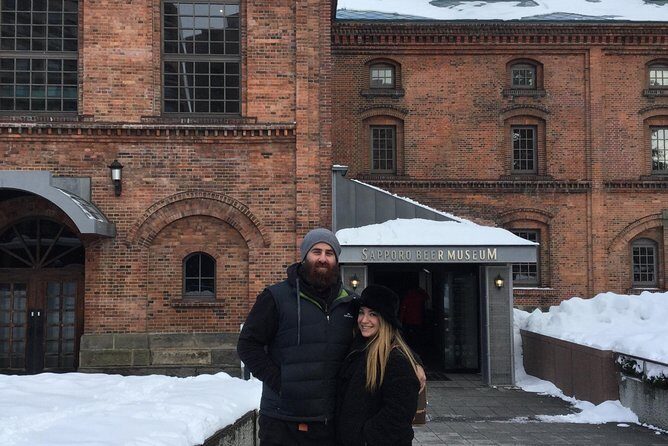
Hokkaido is described as the birthplace of beer in Japan, and Sapporo Beer has been brewed in Sapporo since 1877. If you want a local product story plus tastings or exhibits (depending on what’s available), this is one of the most “Sapporo-specific” stops on the list.
Drawback: admission is not included.
Odori Park (the city’s long centerpiece)
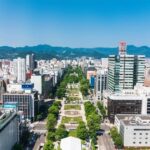
Odori Park is Sapporo’s central median stretching about 1.5 kilometers, separating the city into north and south. It’s a strong choice for orientation because it connects to many other landmarks.
It’s listed with free admission, so it’s also an easy win even if you’re saving money for a ticketed stop.
Susukino (Sapporo’s entertainment district)
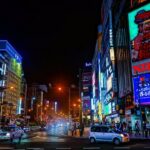
Susukino is a big nightlife and shopping area, packed with restaurants, karaoke, pachinko, and other forms of entertainment. The guide can also help you choose what to do depending on your comfort level.
Consideration: it includes red light establishments, so if you prefer a more family-quiet zone, your guide may steer you around the noisier blocks.
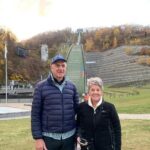
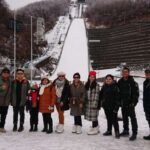
Okurayama Ski Jump Stadium (Winter Olympics footprint)
This stadium hosted ski jump competitions in the 1972 Winter Olympics. Even if you’re not a winter sports person, it’s a good link between Sapporo’s identity and its snow-season fame.
Drawback: admission is not included.
Sapporo Factory (shopping + entertainment in one block)
Sapporo Factory opened in 1993 and includes around 160 establishments like clothing stores, souvenir shops, and places to eat. It’s a good weather-proof choice if conditions are rough.
Drawback: admission is not included, though you can enjoy the area without paying for everything.
Jozankei Onsen (onsen area outside the core)
Jozankei Onsen sits inside Shikotsu-Toya National Park, and it’s about one hour outside central Sapporo. It’s ideal if you want a break from the city rhythm for a calmer, nature-linked Hokkaido feeling.
Consideration: it’s listed with free admission, but any onsen facility use may add costs depending on what you choose to do there.
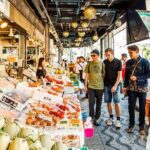
Nijo Market (snacks, seafood, and local shopping)
Nijo Market is a public market in central Sapporo, about the size of one city block. You’ll find fresh local produce and seafood like crabs and salmon, and it’s a great pick if you want to taste what’s good right now.
It’s listed as free here, but plan to spend on food if that’s part of your plan.
Clock Tower (Tokei-dai)
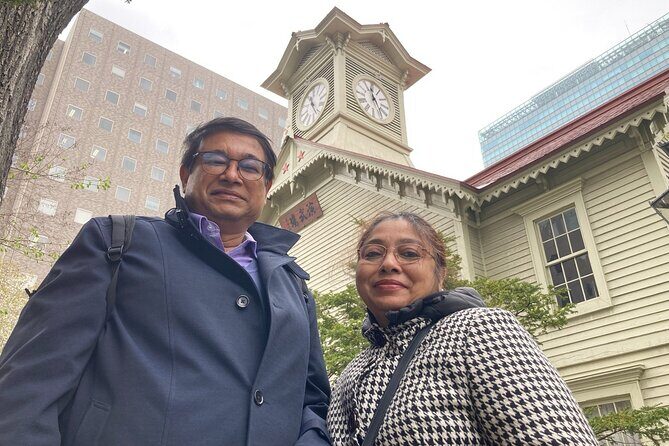
The Clock Tower is one of Sapporo’s symbols. Built in 1878 as part of the Sapporo Agricultural College, it’s a classic stop for understanding how the city grew.
Listed as free, which makes it an excellent “walk by it, but really look” landmark.
Hokkaido Shrine Ton-gu (with Maruyama Park nearby)
Built in 1871, Hokkaido Shrine is one of Japan’s important Shinto sites and it’s right by Maruyama Park. If you like a mix of calm space and cultural context, this pairs well with nearby green areas.
It’s listed with free admission.
Maruyama Park (green hill vibes)
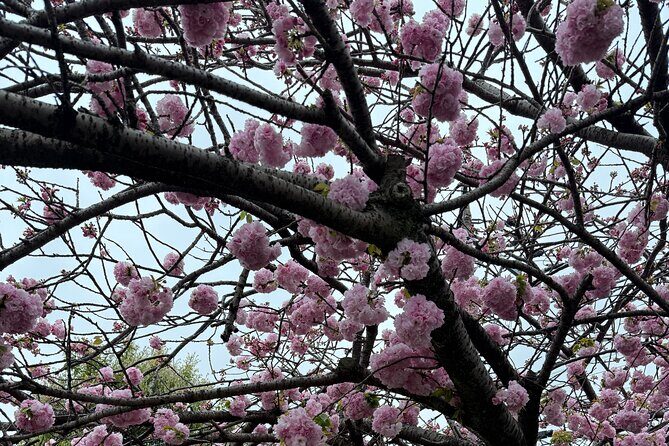
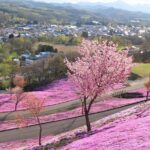
Maruyama Park is a multipurpose natural area, and a 226-meter-high hill comes alive with blooms in spring. Even if you’re not there for flowers, it’s a nice change of pace from shopping streets.
Drawback: admission is not included.
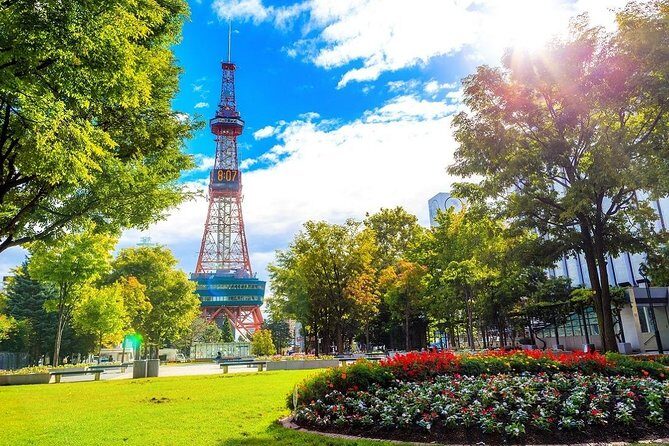
Sapporo TV Tower (a classic Sapporo skyline angle)
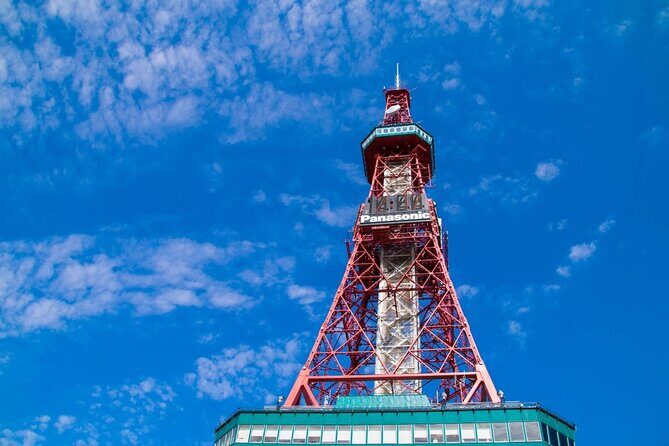
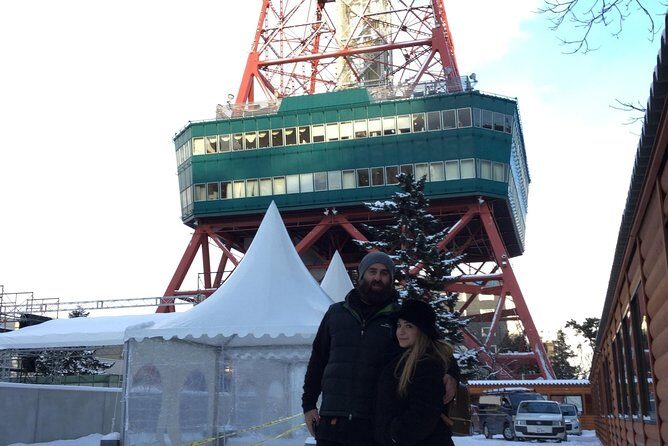
The TV Tower was built in 1957 and is 147 meters tall. It offers views over Sapporo and is easy to reach from Odori Park—so it fits well into a city-center plan.
Drawback: admission is not included.
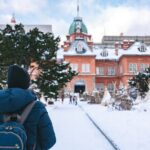
Former Hokkaido Government Office Building
This is a western-influenced landmark built in 1873. If you want the “why does Sapporo look like this?” explanation, this building type helps connect the dots.
Drawback: admission is not included.
Sapporo Science Center (hands-on, especially for kids)
This modern center has more than 200 displays and exhibits, many hands-on and interactive. It’s specifically called out as a great option for travelers with children.
Drawback: admission is not included, so it’s a better pick if your group actually wants the interactive content.
Price and value: is $122.20 a fair deal?
At $122.20 per person for a 4-hour private experience, you’re paying mainly for three things: time with a licensed English-speaking guide, local navigation and planning, and the flexibility to choose 2–3 sights rather than commit to a preset route.
What’s included is guide service and the private format. What’s not included is where costs can creep in: transportation fees, entrance fees, and lunch. Also, there’s no private vehicle, which is why your selections matter. If you choose mostly free stops (like Odori Park, Clock Tower, Mt. Moiwa listings, and Nijo Market entry), your day stays closer to the base price. If you choose several ticketed attractions (Beer Museum, Shiroi Koibito Park, Science Center, TV Tower, and others), you’ll likely add extra on top.
The best value usually comes when you treat the paid stops as “must-see,” not as filler. A good guide will help you pick the mix that feels worth it for your group.
What makes the guide experience stand out (Roy, Kumiko, Waka, Tom)
The strongest pattern from guide performance is simple: they’re proactive. Roy Aoki is described as punctual and knowledgeable about Sapporo, and he’s the type who plans a custom trip around your needs. Kumiko Nakamura shows up as highly organized and friendly, with a knack for talking culture and food while still keeping the day on schedule.
Tom (Tamaki Yakuwa) gets praised for efficiency and for helping navigate the subway system—useful because it means you’re not stuck with guesswork in a fast-changing city. And Waka is described as especially patient and family-friendly, with food knowledge that can matter if you’re traveling with teens.
Even when you pick different themes, the consistent goal is the same: help you see the city without the mental overhead. You get direction, timing, and context so you can spend your energy actually looking at what you came for.
Practical tips to enjoy this half day
First, decide your top priority before you meet the guide. The tour works best when you pick a clear theme—winter, food, landmarks, or parks—then add one supporting stop.
Second, wear comfortable shoes and layers. This is a walking tour, and Sapporo weather can turn from okay to uncomfortable fast. Bring a warm outer layer even in mild seasons.
Third, plan for small “on the spot” decisions. Some stops are listed with free admission while others aren’t included, so you’ll want a little flexibility in your budget. If you’re hungry, build your market or food stop early enough that you’re not rushing later.
Finally, use your guide’s strength. If you care about history, ask. If you care about food, ask. If you want views, ask. This format is built for those conversations.
Should you book this Sapporo private tour?
Book it if you’re short on time and you want a smooth, guided introduction to Sapporo without wrestling transit and routing. It’s also a strong choice if your ideal day includes a mix of parks and landmarks plus at least one food or learning stop.
Skip it (or adjust your expectations) if you want a checklist of many ticketed attractions, because the tour centers on 2–3 stops and entrance fees aren’t included across the board. If walking in winter sounds miserable, pick stops that include more indoor time, and start with the central sights.
If your dates line up with February, adding the Sapporo Snow Festival can turn the half-day into a memorable highlight.
FAQ
How long is the Sapporo private tour?
The tour is listed as about 4 hours.
Is this tour private?
Yes. It’s a private tour/activity and only your group participates.
Do I get pickup?
Pickup is offered. The tour also notes that pickup is on foot, and you meet the guide within a designated area.
How many sites can I visit?
The tour is described as customizable so you choose 2–3 sites from the list of options.
Are entrance fees included?
Entrance fees are not included. The tour info notes that some sights are free, but others are not included.
Is there a private vehicle?
No. The tour notes a private vehicle is not provided, and it’s described as a walking tour.
Is lunch included?
No. Lunch is not included.
What ticket format do I receive?
A mobile ticket is listed as included.
Is free cancellation available?
Free cancellation is available up to 24 hours in advance for a full refund.
End note: my quick call
If you’re arriving in Sapporo and want your bearings fast, this private guide format is a solid use of time—especially when you pick a tight mix of parks/landmarks plus one food or indoor stop.