REVIEW · SAPPORO
Sapporo 6hr Private Tour with Government Licensed Guide
Book on Viator →Operated by Japan Guide Agency · Bookable on Viator
One good plan in Sapporo saves hours. This private, government-licensed English tour is built for walking, with hotel pickup on foot and a guide who helps you choose exactly what to see in about 6 hours.
You’re not stuck with a rigid bus route. You select your must-sees, and the guide strings together a practical day that fits your pace, weather, and interests.
I especially like the customized 3–4 site approach. It keeps the day focused, so you’re not sprinting between “popular” stops that don’t matter to you. I also like the way guides build in real city navigation—help with getting around by tram/subway and concrete ideas for what to do next.
One possible drawback: it’s a walking tour, and some attractions and activities cost extra. Plus, this experience asks for good weather, so if conditions go bad, plans may shift.
In This Review
- Key things I’d focus on before you book
- Why this private, licensed guide model works in Sapporo
- Price and what you’re really paying for
- How the 6 hours play out (walking pace, stops, and energy)
- A note on timing
- Choosing your stops from the Sapporo menu
- Winter and festival vibe: Sapporo Snow Festival
- Futuristic nature art: Moerenuma Park
- Old Hokkaido buildings: Historical Village of Hokkaido (Kaitaku-no Mura)
- City views on a hill: Mt. Moiwa
- A Sapporo flavor stop: Shiroi Koibito Park
- Beer and local pride: Sapporo Beer Museum
- The classic center: Odori Park, Clock Tower, TV Tower, and the Former Hokkaido Government Office
- Culture and calm: Hokkaido Shrine (Ton-gu) and Maruyama Park
- Market time and seafood reality: Nijo Market
- The night-life streets: Susukino
- Shopping and indoor variety: Sapporo Factory
- A different mood one hour out: Jozankei Onsen
- The guide factor: how real help shows up
- When the itinerary shines, and when it won’t
- Should you book this Sapporo private tour?
- FAQ
- How long is the Sapporo private tour?
- Does the tour include pickup from my hotel?
- Can I customize what we visit?
- Is there an English-speaking guide?
- What’s included in the price?
- Are tickets provided digitally?
- Is this tour mostly walking?
- Is free cancellation available?
- What if the weather is bad?
Key things I’d focus on before you book
- Your day is customized to 3–4 chosen stops, not a fixed full-day checklist
- Pickup is on foot from your Sapporo hotel area, so you start fast
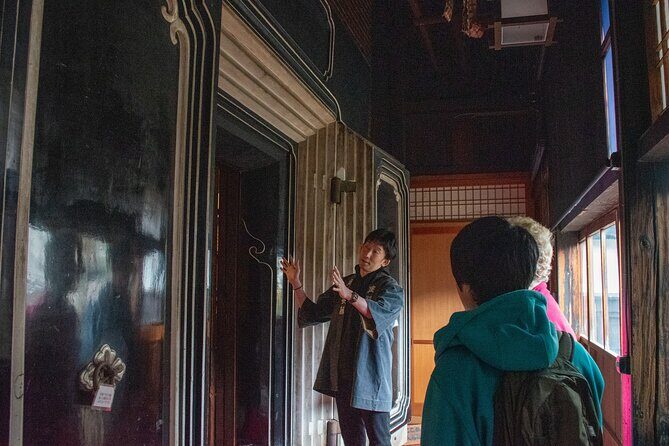
- A licensed English guide helps with more than directions: context, ordering help, and what to prioritize
- Many major sights are quick photo stops, with just enough time for photos and basic exploring
- Not everything is included: transport, lunch, and some admission costs are on you
- Weather matters, so bring flexible expectations for outdoor time
Why this private, licensed guide model works in Sapporo

Sapporo is a mix of “easy-to-see” icons and places that make sense only when someone explains why they’re there. When you have a government-licensed English guide, you’re buying clarity, not just company. The tour design is practical: you walk, you get context, and you decide what matters most.
The biggest win is the custom routing. Instead of chasing 15 landmarks in a day, you pick 3–4 from the options, and the guide shapes the order to keep travel time from eating your sightseeing time. In real life, that difference matters—especially in winter or on days when crowds or weather slow you down.
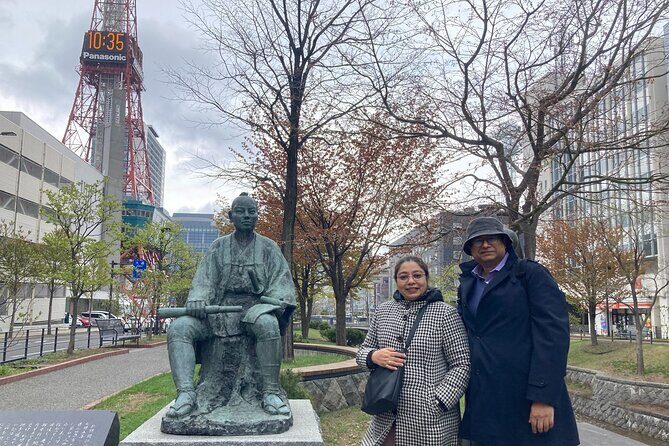
I also like the human element that shows up with different guides. People have mentioned guides such as Roy Aoki, Kumiko, Tom, and Kate for being communicative and adjusting on the spot. It’s the kind of service that helps you get the day you actually want, not just the day that fits a template.
You can also read our reviews of more guided tours in Sapporo
Price and what you’re really paying for
At $155.22 per person for about 6 hours, this is not a budget group tour. So the value question is: what would you spend your time doing without a guide?
You’re paying for several time-savers:
- A licensed guide who can explain what you’re seeing as you go
- A customized plan that reduces the pre-trip research grind
- Local navigation help (and often advice on where to eat, which is a big deal in Sapporo)
The cost also has “hidden math.” If you’re traveling as a pair or small group, the guide cost can feel more reasonable compared with adding up cabs/trams between far-flung stops plus your time spent figuring it out.
One thing to keep in mind: transportation fees, lunch, and some admission are not included. So your final spend depends on what you select (for example, theme parks and museums may have extra costs). Still, the tour can be a strong value if you use the guide to pick smart stops and avoid wasted detours.
How the 6 hours play out (walking pace, stops, and energy)
This is built as a walking day with quick windows at each stop—many are around 30 minutes. That’s a good rhythm for first-timers because it gives you photos and orientation without turning the day into a long endurance event.
The tour can include city-center areas like Odori Park and Susukino, plus outskirt experiences like Moerenuma Park or Jozankei Onsen. The customization is what keeps this from turning into a marathon. If you choose one far stop, you’ll want to balance it with closer sights.
Also, the guide meets you on foot within the designated area near your Sapporo hotel. That means you start sight-first instead of spending the first half hour coordinating transit.
A note on timing
Most stops are short, and the day can feel fast in a good way. If you want extra shopping time at places like Sapporo Factory or more time around markets, tell your guide early. Some guides have a reputation for building in extra time where it counts, like adding a longer break for food.
Choosing your stops from the Sapporo menu

Because you can select your must-sees, think of the options in categories. This helps you build a day that feels balanced instead of random.
You can also read our reviews of more private tours in Sapporo



Winter and festival vibe: Sapporo Snow Festival
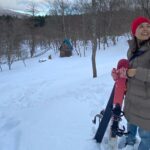
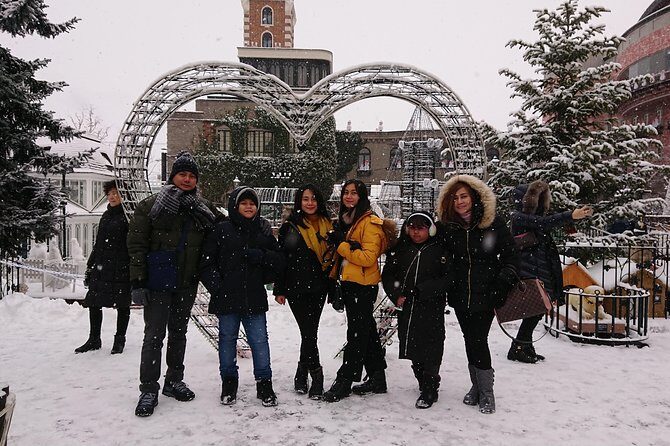
The Sapporo Snow Festival runs one week every February in Sapporo. If you’re there in-season, this is the obvious choice. It’s also one of those stops where a guide can help you understand what you’re looking at—like the difference between sculptures, layout styles, and what areas tend to be best for photos.
Good for: winter travelers, festival fans, anyone who wants an instant “Sapporo feel.”
Consideration: your experience depends on what’s happening that week and how crowded it is, plus your route may shift with weather.
Futuristic nature art: Moerenuma Park
Moerenuma Park is in the outskirts and is known for its creative design in a large outdoor space. The grounds sit around a marsh, and the park’s loop is about 4 kilometers—so you’ll likely see a lot in a short visit thanks to clever paths and viewpoints.
Good for: people who like art-in-the-landscape, photography, and breathing space away from the center.
Consideration: if weather is rough, plan to wear layers and keep your walking comfortable. This park is also one where you might want more than 30 minutes if the conditions are great.
Old Hokkaido buildings: Historical Village of Hokkaido (Kaitaku-no Mura)
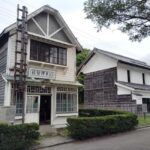
This open-air museum shows about 60 typical buildings around Hokkaido from the Meiji and Taisho periods. It’s a way to understand how the region was settled and how everyday structures looked back then.
Good for: history-minded travelers and anyone who likes atmosphere.
Consideration: admission is not included, so check whether it fits your budget and interests. If your group loves architecture and local context, it can be worth the extra ticket.
City views on a hill: Mt. Moiwa
Mount Moiwa is a forested mountain southwest of central Sapporo and a popular sightseeing spot. It’s often chosen for the view over the city, especially when the sky clears.
Good for: skyline photos and a break from walking streets.
Consideration: if it’s foggy or rainy, views can disappoint. Use the guide to decide whether to swap time to a more reliable stop.
A Sapporo flavor stop: Shiroi Koibito Park
Shiroi Koibito Park is tied to Ishiya, famous for the Shiroi Koibito cookie. It’s a themed stop with candy, gifts, and a strong local-brand identity.
Good for: families, sweet-tooth travelers, and anyone who wants a Sapporo souvenir with a story.
Consideration: admission is not included, and it can turn into a shopping-first visit. If you’re not into chocolate or brand parks, swap it for the beer museum or Odori area.
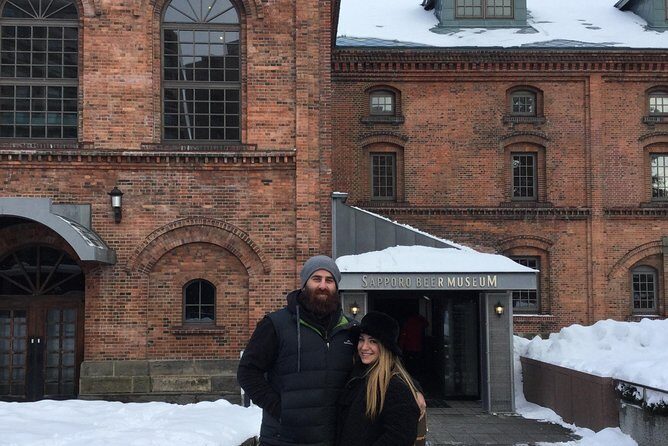
Beer and local pride: Sapporo Beer Museum
Sapporo Beer is one of the country’s older brands, brewed in Sapporo since 1877. The museum is a natural choice if you like the idea of beer history tied to place.
Some guides also steer people toward lunch options around the museum area, including Hokkaido favorites like Genghis Khan lamb barbecue (often associated with the region’s flavors). If you’re a food traveler, this stop can become a highlight.
Good for: food people, history-and-industry fans, and anyone who wants a break in the middle of the day.
Consideration: admission is not included, and you’ll also want to budget for lunch if you plan to eat nearby.
The classic center: Odori Park, Clock Tower, TV Tower, and the Former Hokkaido Government Office
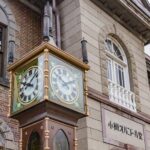
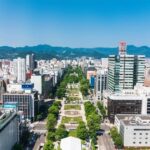
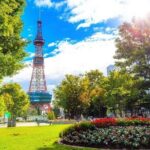
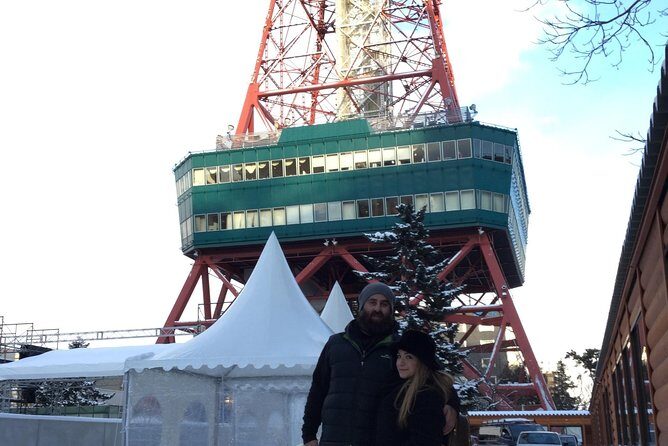
Odori Park is the central divider of Sapporo—easy to navigate and great for walking around even in short time windows. Nearby, the Clock Tower (Tokei-dai) symbolizes Sapporo and dates to early development in 1878 as part of Sapporo Agricultural College. The Sapporo TV Tower, built in 1957, is another landmark with city views. And the Former Hokkaido Government Office Building is a Western-influenced landmark from 1873.
Good for: first-timers who want the core Sapporo “photo circuit” without planning stress.
Consideration: these are very doable in winter, but you’ll still want to wear warm gear. If it’s crowded, a guide can help you time your photos.
Culture and calm: Hokkaido Shrine (Ton-gu) and Maruyama Park
Hokkaido Shrine (Hokkaidō Jingū), built in 1871, is one of Japan’s important Shinto shrines, and it’s adjacent to Maruyama Park. That combination makes it a solid pairing: a spiritual stop plus a park walk.
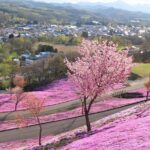
Maruyama Park is a multi-season spot. In spring, it’s known for cherry blossoms, and people have specifically mentioned making it a priority to catch late-season blooms.
Good for: travelers who want something quieter than shopping streets.
Consideration: park enjoyment depends on season and weather, so if you’re traveling outside prime bloom times, you may want to use the time for viewpoints or food stops.
Market time and seafood reality: Nijo Market
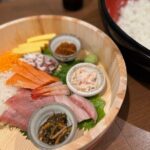
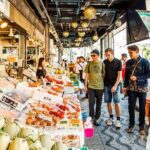
Nijo Market is a public market in central Sapporo with fresh local produce and seafood. It’s a good way to experience how locals eat and shop without needing a reservation.
Good for: food sampling, gift shopping, and learning what’s in season.
Consideration: it’s not automatically a “sit and stay” place. Think of it as an active walk-through with snacks and a possible meal.
The night-life streets: Susukino
Susukino is described as Japan’s largest entertainment district north of Tokyo, with lots of bars, restaurants, karaoke shops, pachinko parlors, and more. For many visitors, it’s interesting for the energy and variety—but it’s also not everyone’s idea of a peaceful day.
Good for: people who want to see Sapporo after dark or who enjoy lively neighborhoods.
Consideration: if you prefer quiet sightseeing, you might not want more than a short pass through the area.
Shopping and indoor variety: Sapporo Factory
Sapporo Factory is a central shopping and entertainment complex. It can be a good weather-safe option when it’s cold or rainy, and it offers a mix of outlets, food, and souvenirs.
Good for: shelter + browsing + casual meals.
Consideration: admission is not included, but it can become a long wandering stop. Decide in advance if you want a quick look or a real shopping hour.
A different mood one hour out: Jozankei Onsen
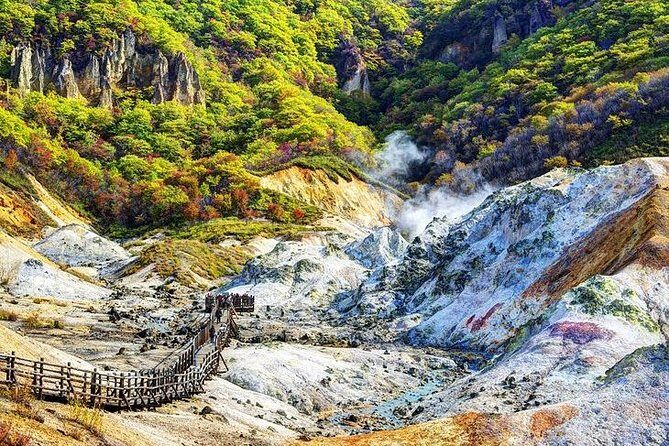
Jozankei Onsen is in the Shikotsu-Toya National Park area, about an hour outside central Sapporo. It’s popular as an onsen town and makes your day feel like a mini getaway.
Good for: travelers who want a soak town vibe, scenic nature edges, and a break from city landmarks.
Consideration: an onsen experience depends on what you choose to do there, and that can affect cost and timing.
The guide factor: how real help shows up
The tour is sold as “you won’t get lost.” I’d translate that into something more useful: you’ll get the kind of direction that saves you confusion and saves you time.
In real-world terms, guides such as Kumiko and Roy Aoki have been mentioned for tailoring the day to specific interests, including prioritizing photo-worthy timing. Others like Tom, Kate, Michiko, and Nozomi are described as communicative before the tour and helpful during the day—often including practical tips for getting around by subway or tram afterward.
One standout pattern: lunch often gets handled well. People have noted local restaurant suggestions, including Hokkaido-style ramen and Genghis Khan lamb barbecue. Even if lunch isn’t included, having a guide steer you to a solid, practical option can prevent the classic vacation problem: you’re hungry, it’s cold, and you pick the first place that looks warm.
When the itinerary shines, and when it won’t
This tour shines if you:
- Want a smooth first day in Sapporo with zero guesswork
- Like a mix of landmarks and local flavor (beer, sweets, markets)
- Want a guide who can adjust the schedule based on your picks
- Prefer short focused stops over long, rigid blocks
It may not be the right fit if you:
- Hate walking or don’t want to be outside much
- Plan to spend a lot of time inside paid attractions or expect lunch to be included
- Need a long sightseeing stretch in one place, like an all-afternoon park session
Weather is also a practical factor. Since it requires good conditions, plan to keep a flexible mindset—your guide can help you choose what’s still worth doing if skies don’t cooperate.
Should you book this Sapporo private tour?
I think it’s a strong choice if you want an efficient, first-time-friendly Sapporo day where you control the priorities. The private, licensed guide model is what makes this work: you get context, you get help navigating, and you get a plan shaped to you instead of a generic checklist.
Book it if you value:
- A customizable 3–4 stop plan
- Hotel-area pickup on foot and easy starting momentum
- Local food and sightseeing context
- A guide who can help you keep the rest of your trip smoother afterward
Skip it if you’re hoping for an easy, fully “paid for” day with no extra admission, no walking, and lots of slow time. In that case, you might want a more flexible self-guided plan where you can linger without any schedule pressure.
If you’re reading this, chances are you want to see Sapporo without wasting time. This tour is built for that goal.
FAQ
How long is the Sapporo private tour?
It’s approximately 6 hours.
Does the tour include pickup from my hotel?
Pickup is offered. You meet the guide on foot within a designated area in Sapporo.
Can I customize what we visit?
Yes. You choose your must-see spots, and the itinerary is customized to 3–4 sites from the tour’s available options.
Is there an English-speaking guide?
Yes. The tour includes a government licensed, local English-speaking guide.
What’s included in the price?
The guide, the customizable tour of your chosen sites, and the on-foot meetup are included. Entrance fees, transportation, lunch, and personal expenses are not included.
Are tickets provided digitally?
Yes, the experience uses a mobile ticket.
Is this tour mostly walking?
Yes. It’s a walking tour, and pickup is on foot.
Is free cancellation available?
Yes, you can cancel for a full refund up to 24 hours in advance.
What if the weather is bad?
The experience requires good weather. If it’s canceled due to poor weather, you’ll be offered a different date or a full refund.