REVIEW · OSAKA
All Inclusive Kuromon Markets Tour: Flavors Of Osaka
Book on GetYourGuide →Operated by Osaka Food Tours, Inc. · Bookable on GetYourGuide
Kuromon Market is food theater in motion. I love the 5–7 dish tasting format that removes the stress of choosing, and I love the English guide team that helps you order in a market where menus can feel like abstract art. The one drawback: it’s a seafood-forward fish market, so most bites lean fish and shellfish, even if there are sweets too.
At 2pm sharp, you meet at Nipponbashi station exit 6 and walk right into the covered lanes that locals and food lovers treat like a regular stop. With a small group (up to 9), you get enough attention to keep moving without feeling rushed. It is only 2 hours, so expect standing, eating, and walking at a steady pace.
In This Review
- 5-Second Guide: What makes this tour worth it
- Kuromon Market at 2pm: where you’ll start and how it runs
- The tasting plan: 5–7 dishes plus 3–4 tastings in 2 hours
- What you’ll actually taste: seafood classics, savory snacks, and sweet exits
- Ordering in a no-English zone: how the guide makes it simple
- Market atmosphere: what Osaka’s food district feels like on foot
- Included souvenir angle: Japanese knives and tableware
- Is it worth $61? Value math for a 2-hour guided food sprint
- Who should book, and who should skip
- My booking advice: should you reserve All Inclusive Kuromon Markets Tour
- FAQ
- What time does the tour start, and what if I arrive late?
- Where do I meet the guide?
- How long is the tour?
- What’s included in the price?
- Is hotel pickup included?
- Is the tour friendly for vegetarians or vegans?
- Are the tours suitable during pregnancy?
5-Second Guide: What makes this tour worth it
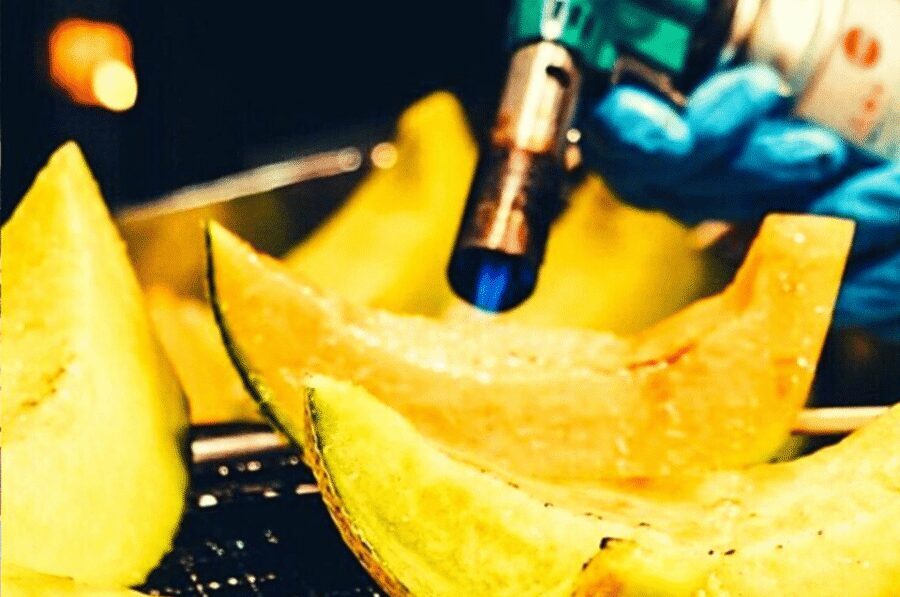
- You eat 5–7 dishes plus 3–4 tastings, so you’re not guessing what to try.
- Your guide orders for you when Japanese menus are unclear or handwritten.
- You’ll likely sample market classics like tuna sashimi, scallops, okonomiyaki, and gobo tempura.
- This is a hands-on way to learn market culture, vendor rhythm, and Osaka food habits.
- You get a souvenir angle too: Japanese knives and tableware are part of the included experience.
- Small group size (up to 9) means more chances to ask questions.
Kuromon Market at 2pm: where you’ll start and how it runs
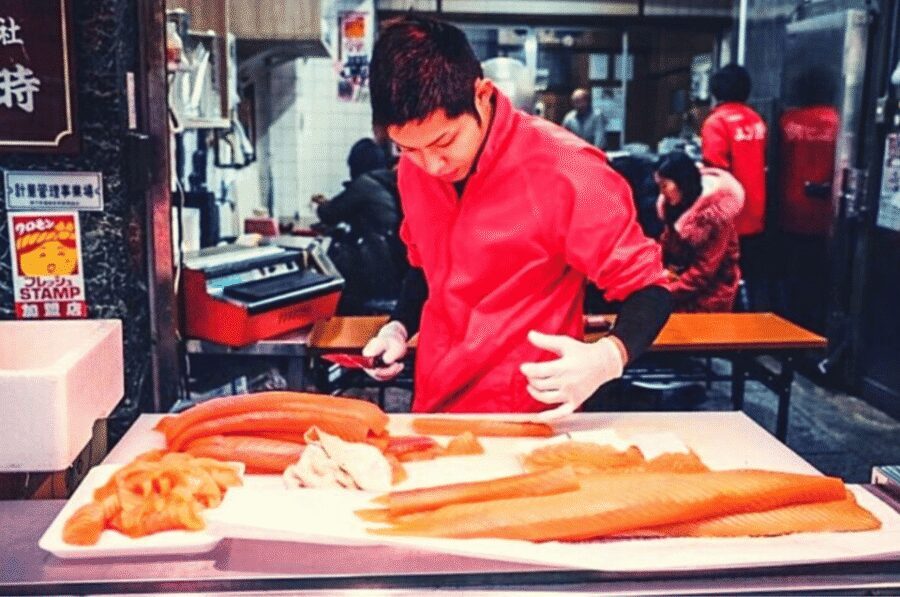
This is a simple, food-first tour with one hard rule: you show up on time. The meeting point is Nipponbashi station exit 6, at the top of the stairs. They want you there early—aim for 1:45 to 1:50pm—because the tour starts exactly at 2pm, and you cannot catch up if you arrive late.
That timing matters more than you’d think. Kuromon Market is a working food district. Vendors are busy, lines form quickly, and it only takes a few minutes of delay for the whole “eat in sequence” plan to wobble. So I like this setup because it keeps the tour moving the way a market walk should move: brisk, practical, and focused on what you’re actually going to taste.
No hotel pickup also keeps things straightforward. You’ll go to the station, meet your guide and group, and start walking. If you like tours that are easy to plug into an itinerary without extra logistics, you’ll probably appreciate this.
Group size is capped at 9, which is a sweet spot. In bigger groups, the market can turn into a shuffle. Here, you can ask ingredient questions, and your guide can translate on the fly without constantly breaking the flow.
You can also read our reviews of more tours and experiences in Osaka.



The tasting plan: 5–7 dishes plus 3–4 tastings in 2 hours
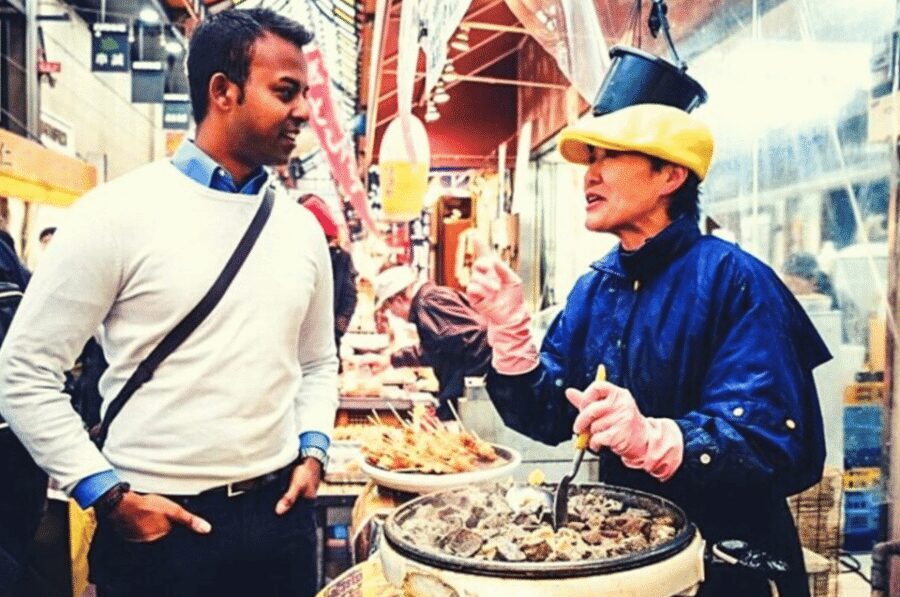
The headline is the “all inclusive” part, but it helps to understand what that means in practice. You’re not paying just to enter a market and wander. You’re paying for a structured sequence where you sample 5–7 dishes and add 3–4 tastings on top.
That structure is what makes the tour feel like value. When you DIY Kuromon, you can end up with two problems:
1) you over-buy because everything looks great, and
2) you under-sample because one stall’s line eats your time.
Here, the guide manages both. You get a mix of hot and cold bites, savory and sweet, and you can usually cover more territory than you would on your own in the same timeframe.
Also, the pace is intentional. In a 2-hour format, you should expect the pattern to be “short walk, stop, taste, move again.” This is not the kind of tour where you sit down and slowly savor one course. Instead, you learn by sampling, and the market becomes a living classroom for Japanese eating culture.
One thing to keep in mind: because you’re eating multiple items, it helps to arrive hungry (or at least not stuffed). A few people mention they started around lunchtime and were full by the end—so if you’ve already had a big meal, you might want smaller breakfast or plan to snack lightly instead.
What you’ll actually taste: seafood classics, savory snacks, and sweet exits
Kuromon Market’s reputation is obvious the moment you arrive. This tour leans into that. The good news is you do not just get one-note seafood. The tour description and the guide experiences you’ll get point toward a lineup that can include shellfish, fish, and market standbys—plus desserts.
From the menu examples tied to this tour experience, you may taste:
- Scallops
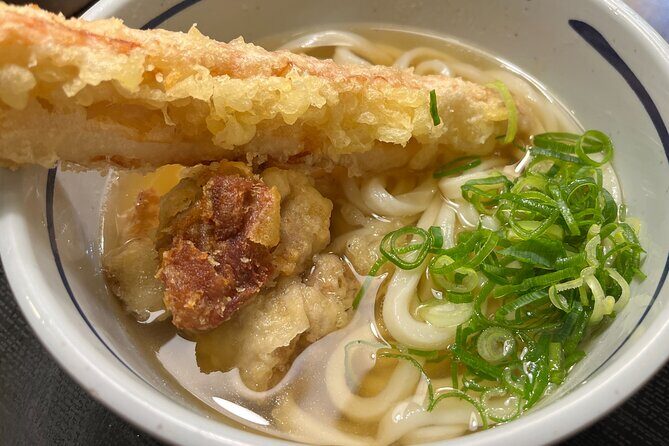
- Gobo tempura
- Tuna sashimi
- Okonomiyaki
- Cherry blossom red bean mochi
- Green tea (as a sampling item)
- Pickled vegetables
- Dried fish
- Wasabi beans
- And other market specialties
That mix is smart. It gives you contrast. Sashimi gives you a clean flavor baseline. Tempura adds crunch. Okonomiyaki gives you the comfort-food side of Osaka. Then you end (or at least add) sweets like mochi so the whole flavor arc doesn’t stay purely savory.
One practical consideration: seafood is the center of gravity here. Some people do warn that aside from sweets, you should expect many bites to be fish or shellfish. If you are sensitive to seafood textures or smells, or you’re someone who hates the idea before you even arrive, this tour might feel like a mismatch.
If you’re okay with seafood but want variety, that’s exactly where a guide helps. They choose items you can handle, explain what you’re eating, and keep the tastings from becoming random. You’re not just eating because the sign looks good; you’re tasting because it teaches you what this market is known for.
Ordering in a no-English zone: how the guide makes it simple

Here’s the real-world problem with Kuromon: you may not be able to read the food menus easily. Some vendors use handwritten calligraphy-style menus, and English signage might not be reliable. Even if you can read Japanese, market menu handwriting can still be hard.
That is where the tour’s structure becomes comfort-food practical. Your guide handles the ordering. They explain what’s in each dish, and they talk through cooking methods and key ingredients—so you understand what you’re tasting rather than just accepting whatever lands on your tray.
The guide quality is also a big reason this tour scores so well. Names that show up across booked experiences include Taka, Hakuri, Hikaru, and Anna. Even if the guide you get is different, the pattern is consistent: they are personable, they know the food scene, and they maintain a friendly connection with vendors so you’re not standing there with raised eyebrows and hand signals.
You’ll also benefit from the small-group dynamic. When the group is capped, the guide can keep pace while still answering questions. That matters in a market setting, because the best learning comes when you can ask, “Why this? Why this combination? What should I notice first?”
If you’re the type who likes to understand what you’re eating (instead of just checking off a location), this tour is made for that.
Market atmosphere: what Osaka’s food district feels like on foot
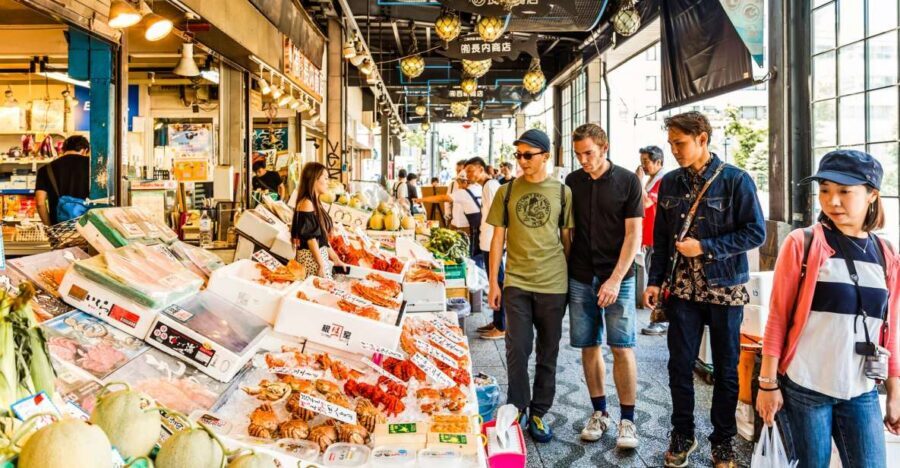
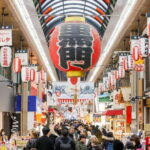
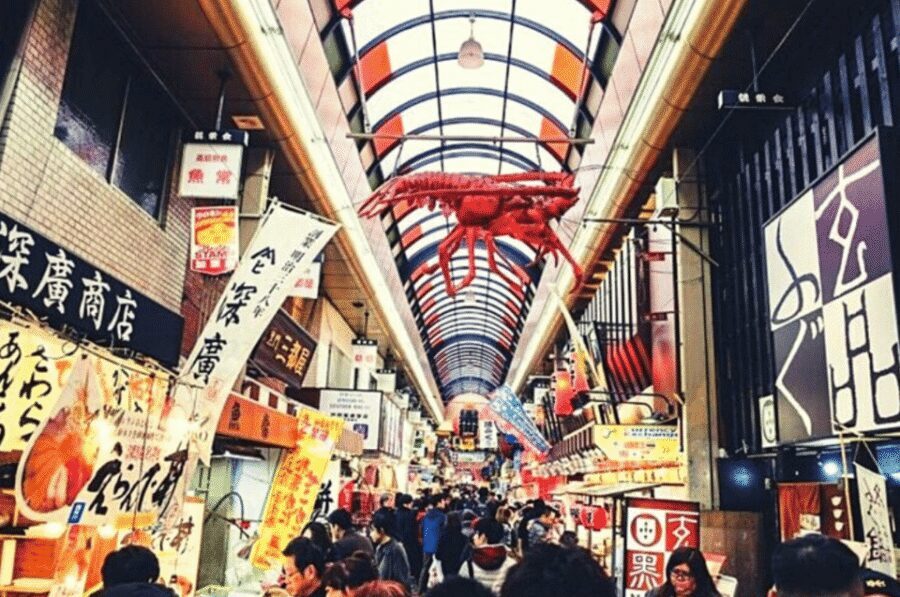
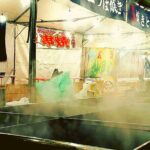
Kuromon isn’t a museum. It’s a working market, and that changes the vibe. You’ll be walking through covered lanes filled with vendors, food smells, and the kind of fast motion that says, this is where locals eat and shop.
That matters because the atmosphere is part of the meal. When you’re tasting directly from market sellers, you feel the logic behind the choices. One stall isn’t just selling food; it’s selling expertise. Another is known for a specific style or ingredient, and you can taste the difference.
The tour also adds context. Guides explain the market’s significance and the way vendors pass techniques down over generations. You get cultural framing without turning the walk into a lecture. It feels more like someone showing you what to look for while you eat.
And yes, it’s sensory. Expect smells from seafood counters, the snap of tempura, the steam from savory dishes, and the cooling reset of green tea or pickles. If you’ve ever wondered what makes Japanese markets feel distinct from typical tourist food streets, this is a good answer.



Included souvenir angle: Japanese knives and tableware
Most food tours focus only on eating. This one tacks on an extra shopping moment with unique Japanese knives and tableware souvenirs included in the experience.
That’s useful for two reasons:
- It gives you a clear reason to look past the usual magnet-and-keychain stops.
- It helps you buy with better guidance instead of guessing what’s a good product.
You should still use your own judgment and budget, but having the included “souvenir hunt” component can turn the market from a tasting run into a practical shopping trip.
If you already own Japanese kitchen tools and you’re picky about quality, you may especially appreciate this. If you don’t cook much, it can still be a nice way to bring home something that feels tied to the place rather than generic.
Is it worth $61? Value math for a 2-hour guided food sprint
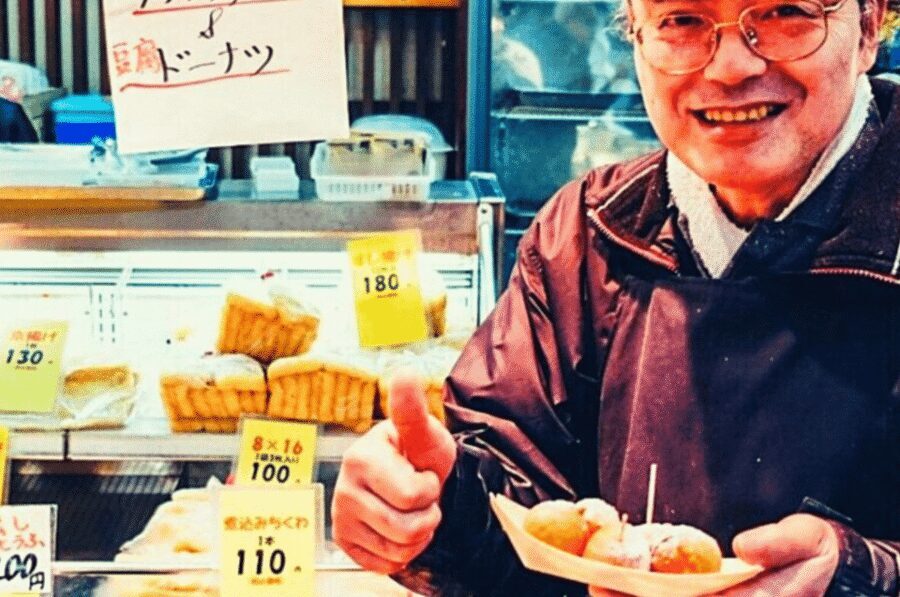
Price is always tricky. $61 for a 2-hour market tour can feel like a lot—until you translate it into what you actually get.
You’re paying for:
- Multiple dishes (5–7) and extra tastings (3–4)
- An English-speaking guide to translate ordering and explain ingredients
- Access to vendors and the flow of the market walk in a time-efficient way
- The souvenir component for knives/tableware
When you DIY Kuromon, each stall’s food can add up quickly, and you still have the menu language barrier. You might end up paying for fewer items because lines or confusion slow you down. With a guided plan, you trade some freedom for efficiency—and in a tight schedule, efficiency is money.
Also, the guide attention matters. If you’ve ever tried to order in a place where you can’t read the menu confidently, you know that uncertainty costs time (and sometimes confidence). Here, the guide reduces both, which makes the experience more enjoyable, not just more convenient.
The other value angle is the market learning. It’s not only taste-based; it’s context-based. You come away understanding what you ate and why it belongs in Osaka’s food culture.
So if your goal is to eat a lot without overthinking, this price is easier to justify.
Who should book, and who should skip

This tour is best for people who like food that’s hands-on and don’t need a vegetarian-friendly itinerary.
It’s specifically not suitable for vegans. That’s not just a guess; it’s stated as a limitation. It’s also not suitable for pregnant women.
If you’re okay with seafood but not with uncertainty, this is a good match because the guide translates and orders. If you’re comfortable eating multiple bites in a short window, the pacing works well.
Who it fits:
- First-time Osaka visitors who want a market experience without getting lost
- People who want a guided sampling plan rather than a “wander and hope” approach
- Food lovers who enjoy variety: savory snacks, seafood, and sweets
Who might reconsider:
- Anyone who strongly dislikes seafood (because seafood is a big part of what you’ll see and taste here)
- People who struggle with standing and walking for a couple of hours
If you want a more relaxed, sit-down meal experience, this may feel a bit like a sprint. But if you want to use time well in Osaka, it’s a strong use of a morning or afternoon.
My booking advice: should you reserve All Inclusive Kuromon Markets Tour
Book it if you want a focused Osaka market bite-by-bite experience. You’ll get a small group format, an English guide who helps you order and explain what’s on your plate, and enough food variety to feel like you learned the market rather than just grazed it.
I’d hold off if you’re vegan, or if seafood is a hard no for you. The market’s nature is part of the deal, and this tour leans into that reality. Also, be honest with yourself about pacing: it starts exactly at 2pm, and you’re on your feet for a short, active walk.
One last tip: if you can, plan your day so you’re hungry around the start time. The tour is designed to fill you up, and that’s the point.
FAQ
What time does the tour start, and what if I arrive late?
The tour starts at exactly 2pm. If you come late, you can NOT catch. You’re advised to arrive around 1:45 to 1:50pm so you’re ready for a sharp start.
Where do I meet the guide?
Meet at Nipponbashi station, exit 6, at the top of the stairs.
How long is the tour?
The duration is 2 hours.
What’s included in the price?
You’ll have dishes (5–7) and taste testing (3–4), plus explanations about Osaka culinary history from your guide. You’ll also have Japanese knives and tableware souvenir components as part of the included experience.
Is hotel pickup included?
No. There is no hotel pick up.
Is the tour friendly for vegetarians or vegans?
It is not suitable for vegans. The tour also lists limitations that make it not recommended for certain dietary needs.
Are the tours suitable during pregnancy?
No. The tour is listed as not suitable for pregnant women.