REVIEW · TOKYO
Tokyo: KABUKI Show at Kabukiza Theatre Admission Ticket
Book on GetYourGuide →Operated by Shochiku Co., Ltd. Kabukiza Theatre Japan · Bookable on GetYourGuide
Kabuki in Tokyo feels like stepping into theater history. At Kabukiza Theatre in Ginza, you get the real deal in the only major hall devoted exclusively to this art form. The show runs about 4 hours, with multiple parts, live music, and caption support so you can actually follow what is going on.
What I like most is the setting and the craft. Kabukiza is historic, with live musical accompaniment that makes the whole performance feel alive, not museum-like. I also love how the program changes every month, so you are not just buying a ticket to a generic show.
One consideration: the performances can be long, and the seating can feel tight for some people. If you’re sensitive to comfort, plan to bring a small cushion or wear something you can sit in for a while.
In This Review
- Key Things I’d Notice Right Away
- Kabukiza in Ginza: Why This Kabuki Ticket Is Worth It
- What the 4 Hours Actually Feel Like (Matinee vs Evening)
- Before You Sit Down: Exhibition and the Shopping Center
- Captions in English or 简体中文: How to Use Them Without Losing the Plot
- Inside Kabukiza: Historic Stagecraft and Live Music
- The Monthly Program: What Changes Each Time
- Where Food Fits (And When It Matters)
- Getting Your Seats: No Seat Selection, So Choose Your Strategy
- Who This Works Best For (And Who Might Feel It’s Too Much)
- Practical Tips That Improve the Night
- Price and Value: Is $106 Reasonable?
- Should You Book the Kabukiza Kabuki Show?
- FAQ
- How long is the Kabukiza Kabuki show with this ticket?
- Is the English or Chinese captioning service included?
- Where do I pick up my tickets?
- Can I choose my seats in advance?
- Can I bring food or drink to the theater?
- Is this suitable for young children?
Key Things I’d Notice Right Away
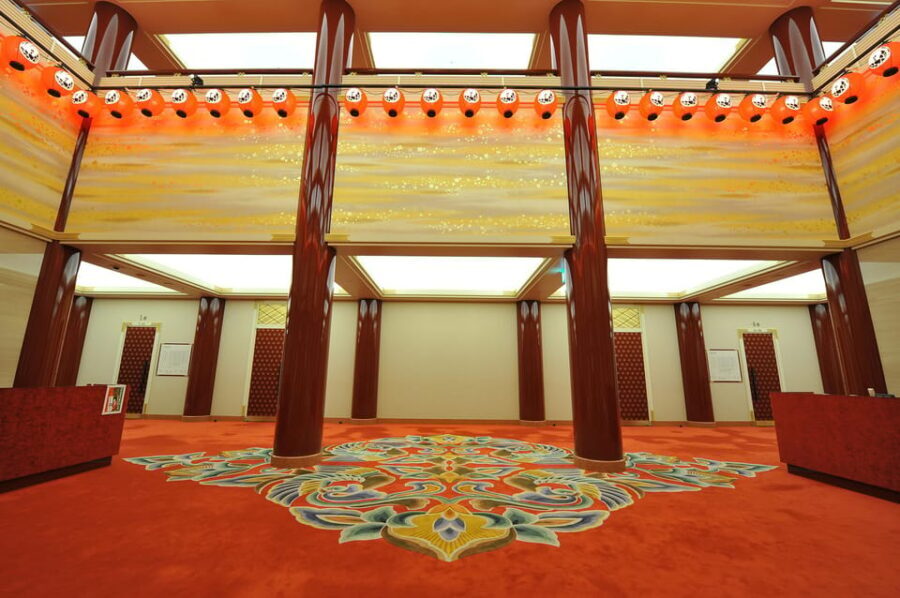
- Kabukiza is the Kabuki-only theater, so you’re seeing the art form where it’s meant to be seen
- Monthly rotating programs mean the acts aren’t always the same when you visit
- Captioning is included (English or simplified Chinese), making the stories trackable even if your Japanese is basic
- Live music in a historic hall adds power and atmosphere you won’t get from a recording
- The shopping level under the theater makes it easy to finish with Kabuki-themed souvenirs
Kabukiza in Ginza: Why This Kabuki Ticket Is Worth It
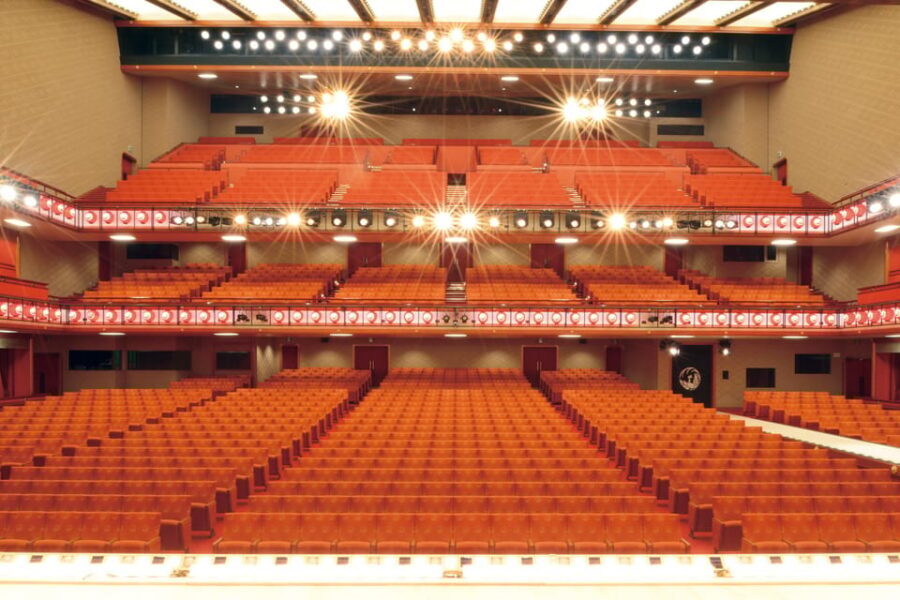
If you want a classic Tokyo night that feels unmistakably Japanese, this is one of the simplest choices you can make. Kabukiza Theatre sits in Ginza, one of the city’s easiest areas to navigate, and it’s known for staging Kabuki programs on a regular schedule. Because Kabukiza is dedicated to Kabuki, the production quality tends to be extremely focused. You’re not watching a mixed program meant to satisfy multiple tastes. You’re watching the real form, with its signature drama, stylized movement, and stagecraft.
Also, the emotional payoff is bigger than you might expect if you only associate Kabuki with costume and make-up. The shows are built around performance technique, but the energy comes from the way the actors sell the story through posture, gesture, and timing. Add in the fact that Kabuki is a UNESCO-recognized art form, and you understand why people treat a performance ticket like a cultural event, not just entertainment.
Finally, this ticket includes a captioning service in English or simplified Chinese (简体中文). That matters. Kabuki can be complicated on first contact, especially with older storylines and older phrasing. Caption support helps you connect the characters to what they’re doing on stage, instead of spending the whole time trying to guess.
A few more Tokyo tours and experiences worth a look



What the 4 Hours Actually Feel Like (Matinee vs Evening)
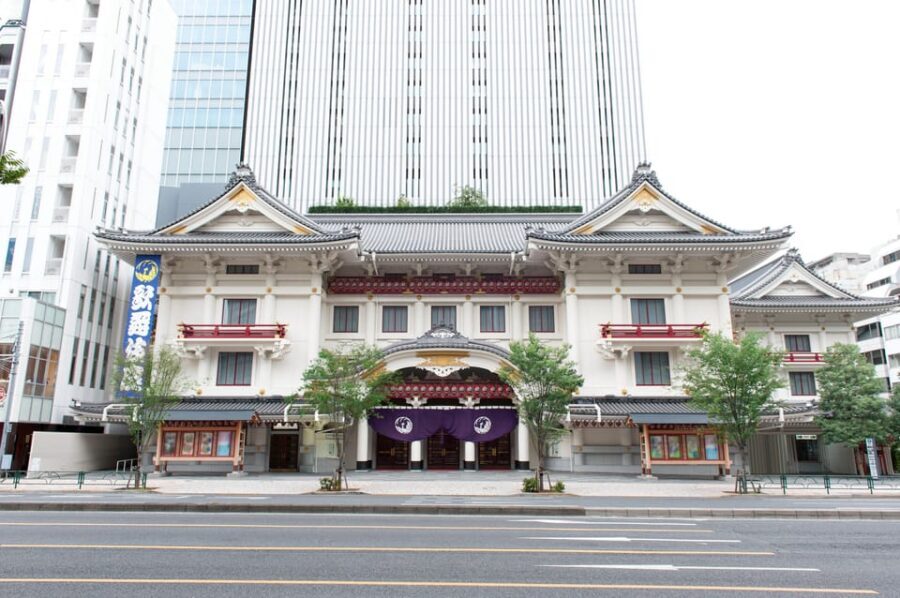
The show you’re buying runs around 4 hours, but it’s not one continuous “one-act” experience. It’s designed as a sequence of Kabuki pieces with breaks. Your ticket time is long enough that it can catch people off guard, but the structure is part of how Kabuki is presented.
Two practical things help you enjoy the full experience:
- Expect an intermission during the performance, with enough time to stretch and reset your focus.
- Plan your energy. If you arrive hungry or distracted, the length will feel longer than it needs to.
Kabukiza runs both matinee and evening performances. For example, the February schedule lists a matinee and an evening show on different time blocks. The matinee time is listed as approximately 11:00AM to 3:21PM, while the evening show is approximately 4:30PM to 9:02PM (times shown as planned). The key point for you is not just the clock. The key point is that the program is built as multiple segments that together add up to the full experience.
If you like the idea of an early evening cultural activity, a matinee can fit nicely into a Tokyo itinerary. If you want a “night out” feel, the evening show can be more atmospheric. Either way, the rhythm stays similar: you watch a sequence of staged stories and dances, then pause, then continue.
Before You Sit Down: Exhibition and the Shopping Center
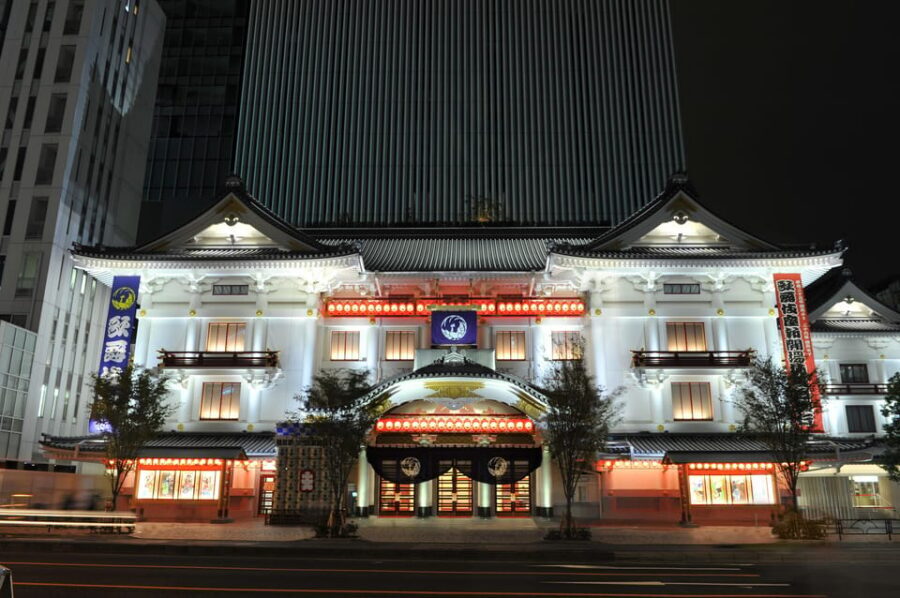
What makes Kabukiza more than a simple seat-and-watch outing is that you get time to set context. Before the show, you can explore the permanent interactive exhibition, which is designed to help you understand Kabuki’s history and the mechanics behind the art. This is where you can pick up the basics you’ll want once you’re watching dancers and actors who use stylized movement rather than naturalistic acting.
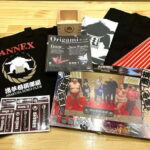
Then there’s the shopping. The theater building includes a shopping center, with Kabuki-related gifts and souvenirs. It’s especially convenient that it’s on the second basement floor—easy to browse either before you head inside or on your way out. People often underestimate the value of this part because they think they’ll focus only on the stage. But grabbing a small souvenir that fits what you just saw can turn the memory from a generic “I saw Kabuki” into something more personal.
One note from real-world experience patterns: the souvenir shop hours may not match your exact exit time. If you’re the type who likes to shop right after the show, don’t assume it will be open when you leave. A practical move is to browse earlier, during your pre-show time, rather than relying on last-minute shopping.
Captions in English or 简体中文: How to Use Them Without Losing the Plot
The caption service is one of the biggest quality-of-life improvements in this experience. You get English or simplified Chinese (简体中文) captioning included in your ticket. That means you can follow dialogue and story beats instead of only reacting to visuals.
Still, captions are a tool, not magic. Here’s how to get the most out of them:
- When a new segment begins, take a quick second to refocus on the stage and then sync your reading to what’s happening.
- Don’t stare at the screen the whole time. Use it to catch the meaning of gestures and scene changes.
- If you find yourself waiting for caption changes, give yourself permission to read stage actions first and treat captions as your guide for what those actions mean.
There’s a common complaint pattern in shows like this: some people want caption devices that feel more responsive when screens update. For you, the fix is simple: stay mentally flexible. Kabuki can shift scenes quickly, and your brain needs a moment to re-align between stage action and translated text.
Inside Kabukiza: Historic Stagecraft and Live Music
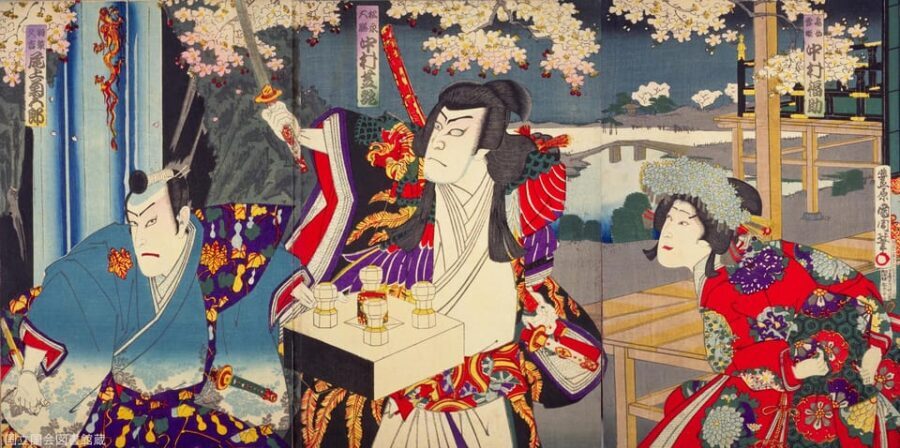
This is where Kabuki becomes tangible. The theater gives you that “you are in a real hall” feeling, not a generic performance venue. And Kabukiza is built to support Kabuki’s signature visual language: dramatic costumes, intentional facial expressions, and stage design that makes the action readable even at a distance.
One of the most praised elements is the way the production looks and sounds. People often focus on costumes and set pieces, but what I’d highlight for you is how live music helps the pacing and emotion. Kabuki is not just spoken lines. It’s movement, rhythm, and vocal texture working together.
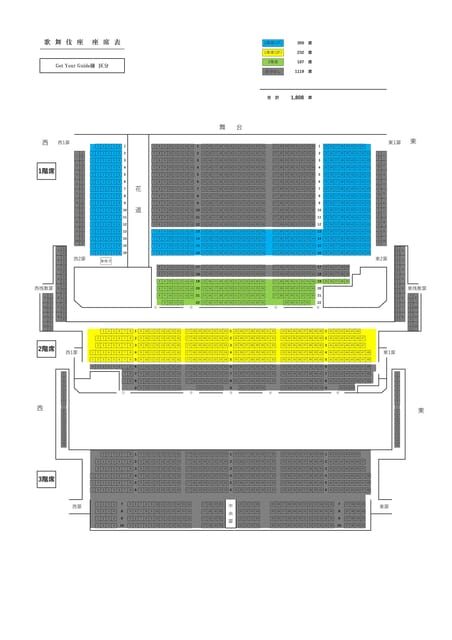
Another detail worth knowing: Kabuki visuals are designed to land at specific moments. Facial expressions can be a big part of what you’re supposed to notice, so your seat position matters. If you end up farther from the stage, it doesn’t ruin the show, but it does change how much you’ll catch at a glance. Several visitors note that facial expression detail becomes easier when you have seats closer to the action.
A few more Tokyo tours and experiences worth a look
The Monthly Program: What Changes Each Time

A lot of people ask themselves a fair question: Is this ticket worth it if I’m not sure what I’ll watch? Here’s the answer: the monthly program is the selling point.
Kabukiza runs a new lineup each month. That means if you come in different seasons, you can see different plays and dances instead of repeating the same storyline on loop. For February, the program listing shows a matinee with multiple pieces like O-EDO MIYAGE (a modern Kabuki selection), TONBI YAKKO (dance), and a segment listed as The Snowbound Barrier, among others. The evening program listing includes pieces such as ICHINOTANI FUTABA GUNKI (with sub-sections like Jinmon / Kumiuchi) and dance selections.
You don’t need to memorize the titles to enjoy the show. The value of the monthly rotation is that it reduces “been there, done that” fatigue. You’re not just buying your way into a theme park version of culture. You’re getting a specific program produced for the season you’re visiting.
For your planning, the best practical move is to check the official Kabuki website for the latest show lineup before you commit.
Where Food Fits (And When It Matters)
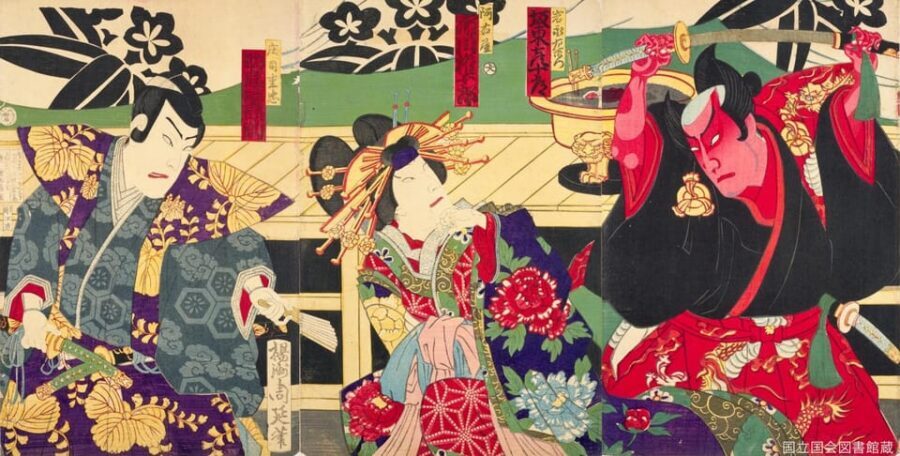
Kabukiza is one of those rare venues where you can bring something to make the experience more comfortable. During the show, there is an intermission, and food and drink can help you settle in for the full length. Snacks and alcohol are also available for purchase in the theater.
If you hate the idea of being hungry for hours, this matters. If you like to avoid spending extra money inside, bringing simple snacks can make your budget feel safer. Either way, the key is comfort. A tight schedule plus a long show can wear you out faster than you expect, so having a plan for your stomach helps you stay present.
Getting Your Seats: No Seat Selection, So Choose Your Strategy
Your reservation doesn’t let you choose where you sit. That’s explicitly part of how this booking works, and it’s worth factoring into your expectations.
So what should you do?
- If being close to the stage is your top priority, arrive ready to deal with “assigned by system” seating and build your excitement around the overall experience rather than the details you can only see up close.
- If you care more about following the story through captions and understanding the performance flow, then you’ll likely feel comfortable even with seats that aren’t perfect.
Either way, the show remains the star. The standout reviews consistently come back to acting quality, stagecraft, and the overall experience of seeing Kabuki in its home theater.
Who This Works Best For (And Who Might Feel It’s Too Much)
This is a strong fit if you:
- Want a high-quality cultural night that’s still straightforward to book
- Are curious about traditional Japanese performance but need English or 简体中文 captions
- Appreciate live music and stagecraft, not just “content on a screen”
It might feel like a tougher match if you:
- Dislike longer performances with breaks
- Are very sensitive to chair comfort for extended sitting
- Want something lighter and shorter in duration
There’s also a clear age note: it’s not suitable for children under 4.
Practical Tips That Improve the Night
Here are the small, real-world moves that make the evening smoother:
- Arrive early enough to exchange your voucher for the actual ticket at the Box Office on Basement Level 2.
- The theater doors open 30 minutes before the show. Use that time to get settled and not rush yourself.
- If you have the option, consider bringing a cushion if you know you’ll struggle with long sitting. Some people have described the chairs as uncomfortable for extended periods.
Also, don’t treat the show as a single scene. Kabuki is built in segments, so your attention should shift as the program changes.
Price and Value: Is $106 Reasonable?
At $106 per person, this isn’t the cheapest activity in Tokyo. But value isn’t only about cost. It’s about what you’re getting for the money.
You’re paying for:
- A performance in Kabukiza, a Kabuki-only theater in a historic venue
- A professional staged production presented as multiple parts over several hours
- Live music
- Included captioning in English or simplified Chinese, which can be the difference between watching and understanding
When you look at it this way, the price starts to make sense. If you’ve ever paid for a show where you couldn’t follow the story, you know how frustrating that can be. Here, caption support is built into the ticket, and that upgrades the experience from “I watched” to “I got it.”
If your budget is tight, a value tip is simple: don’t skip this because you think it will be similar to a generic cultural performance. Kabukiza’s focus on Kabuki is the difference.
Should You Book the Kabukiza Kabuki Show?
Yes, if you want an experience that’s unmistakably Tokyo and genuinely tied to the art form. This is one of the best ways to see Kabuki in the right place, with the right support, and with a program that changes monthly so you’re not repeating the same thing.
Skip it only if you strongly prefer shorter evenings or you know you’ll struggle with long seated time. If you can handle four-plus hours with a break, you’re set up for a memorable night of drama, dance, and storytelling you can actually follow.
If you book, plan for comfort, check the monthly lineup ahead, and treat the captions as your friend rather than your task. That approach turns Kabuki from strange and unfamiliar into something you’ll want to keep thinking about afterward.
FAQ
How long is the Kabukiza Kabuki show with this ticket?
The duration is about 4 hours. You’ll want to plan for breaks during that time.
Is the English or Chinese captioning service included?
Yes. Your ticket includes a captioning service in either English or simplified Chinese (简体中文).
Where do I pick up my tickets?
Pick up your tickets at the venue Box Office on the day of the performance. The Box Office is on Basement Level 2 (10:00AM-6:00PM). You must exchange your GYG voucher for the ticket; you cannot enter the theater with the voucher.
Can I choose my seats in advance?
No. You cannot specify your seats for GYG reservation.
Can I bring food or drink to the theater?
Yes, you can bring something to eat or drink during the performance. Snacks and alcohol are also available for purchase inside the theater.
Is this suitable for young children?
It is not suitable for children under 4 years old.