REVIEW · OSAKA
Osaka: Castle History Walking Tour / Castle Tower Admission
Book on GetYourGuide →Operated by Local Guide Stars · Bookable on GetYourGuide
A fortress design lesson in walking form. I like that you get skip-the-line tower access plus a guide who connects details on the walls to how an attack would actually play out. I also like the payoff: the city views from the castle tower come right after the best parts of the defense walk. The one real drawback is simple—this is a history-and-stepping tour, so you’ll want comfortable shoes and patience for busy areas.
You start near Osaka Castle at the Lawson S Otemae Rest House Store, then follow a route built around how feudal forces tried (and often failed) to breach defenses. Expect moats, gates, tricky entry angles, and a lot of “look closer” moments that you would miss if you just wandered. If you’re the type who enjoys strategy, architecture, and cause-and-effect history, this works fast.
In This Review
- Key points that make this tour worth your time
- Where your tour starts: Lawson meeting point and quick orientation
- Price and value: is $33 a smart spend or extra?
- The defense walk: triple moats, masugata, and gates that slow attackers
- Wall geometry and stonework: how they were built to resist climbing
- Hokoku Shrine: a short cultural stop with a practical time feel
- The largest stone and transport tricks from the 1500s
- Inside the tower: command post thinking, arrow slits, gun ports, and gold
- Learning from different guides: English delivery that stays fun
- The real pacing: guided tour, photo time, then self-guided exploring
- Osaka Castle’s fall story: 1614–1615 and the Hideyoshi vs. Tokugawa tension
- Practical advice: what to wear and how to plan your day
- Should you book this tour?
- FAQ
- What does the tour include?
- Where is the meeting point?
- Does this tour let me skip the line for the tower?
- How long is the walking tour?
- What should I bring?
- Can I cancel or change plans?
Key points that make this tour worth your time

- Separate entrance skip-the-line access to the Osaka Castle tower saves time when entry lines stack up
- Triple moats, multi-layer gates, and masugata show how attackers were delayed and forced to lose momentum
- Zigzag approach routes explain why straight-on assault was a bad idea
- The largest stone and its 16th-century transport give you a concrete feel for the engineering effort
- Tower as command post with arrow slits and gun ports, plus gold used for psychological pressure
- A clear end theme: how the fortress fell in 1614–1615 through rivalry between Toyotomi Hideyoshi’s legacy and Tokugawa Ieyasu’s ambition
Where your tour starts: Lawson meeting point and quick orientation
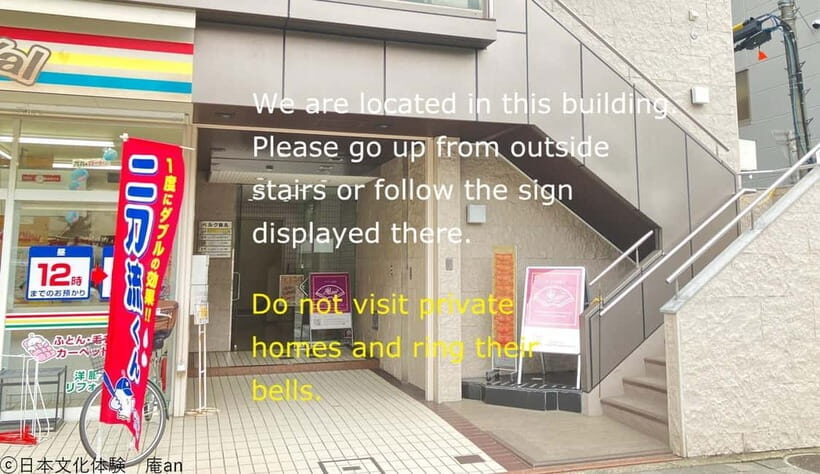
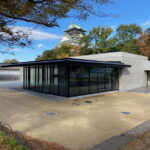
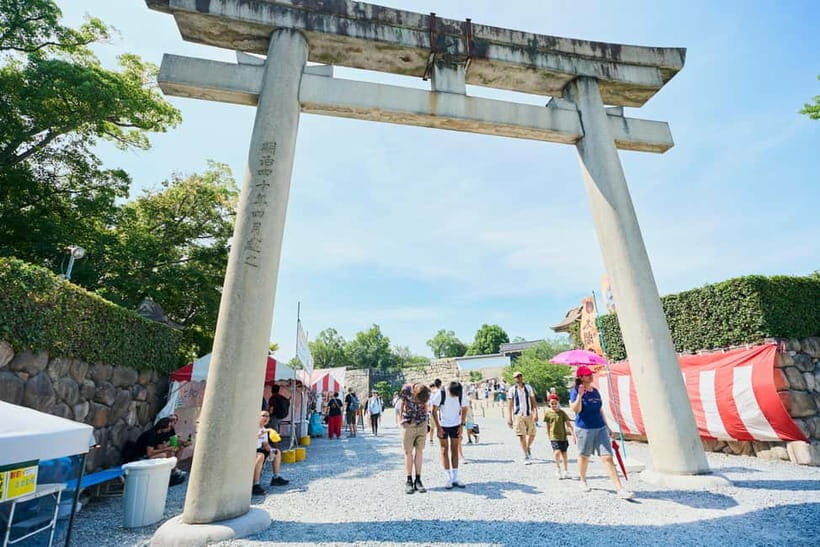
The meeting spot is in the Osaka Castle area, at ローソン S大手前レストハウス店. There are multiple Lawson stores nearby, so check Google Maps carefully before you arrive. When you get there, look for the Local Guide Stars sign out front so you don’t waste time scanning the crowd.
This matters more than it sounds. Osaka Castle grounds can feel like a maze if you arrive with no plan. Getting oriented at the start helps you enjoy the walk instead of constantly asking where you’re supposed to be next.
You can also read our reviews of more walking tours in Osaka


Price and value: is $33 a smart spend or extra?
At $33 per person for about 90 minutes, you’re paying for three things: a professional English guide, admission to the castle tower, and a route that explains what you’re seeing.
Here’s the value math I’d use. Tower entry alone usually isn’t free, and a guide who can point out defense design, stonework features, and the logic behind entrances makes your self-guided time later better, not worse. If you’re the kind of visitor who likes to take photos but also wants context, this price feels fair.
The watch-out: this experience does not include a guided tour of every floor inside the Osaka castle museum. You get the defense-focused guided portions, then time to see what you want on your own.
The defense walk: triple moats, masugata, and gates that slow attackers
The core of the experience is the “why this is designed this way” route around the castle. You’ll explore outer moats and layered defenses meant to delay and divide attackers. The tour highlights the triple moat system, plus multi-layer gates and masugata entrances—those cornered, trap-like entries that force invaders to change direction while exposed.
If you’ve ever looked at castle walls and thought, Sure, it looks strong, this is where you get the logic. The design isn’t just about height. It’s about motion, timing, and friction. You’ll walk paths that resemble what enemies faced—zigzagging routes under the reality of defensive fire.
Even better, the guide keeps pointing out how attackers would be funneled. That means you’re not just sightseeing. You’re seeing a system built to make a takeover harder, slower, and more costly.
Wall geometry and stonework: how they were built to resist climbing
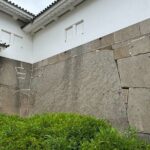
Osaka Castle’s defenses aren’t presented as vague “tough walls.” You learn how wall angles and stonework made sections difficult to climb, and you get an explanation for how stone selection and placement contributed to the fortress’s durability.
This is one of the tour’s biggest strengths. When you understand the intent behind the design—delay, divide, repel—you start noticing features everywhere. You might find yourself staring at joints between stones, or the way certain portions of the wall behave visually from different angles.
Hokoku Shrine: a short cultural stop with a practical time feel
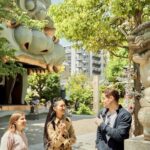
About 20 minutes are set aside for Hokoku Shrine. It’s not a long detour, but it gives you breathing room from pure military architecture. In a short window, you get a guided look that helps balance the experience—castle defenses on one side, spiritual and cultural context on the other.
If you prefer your tours tightly focused on one theme, you might wish this stop were shorter. But for most people, it prevents “wall overload” and gives the grounds a more complete feel.
You can also read our reviews of more historical tours in Osaka
The largest stone and transport tricks from the 1500s
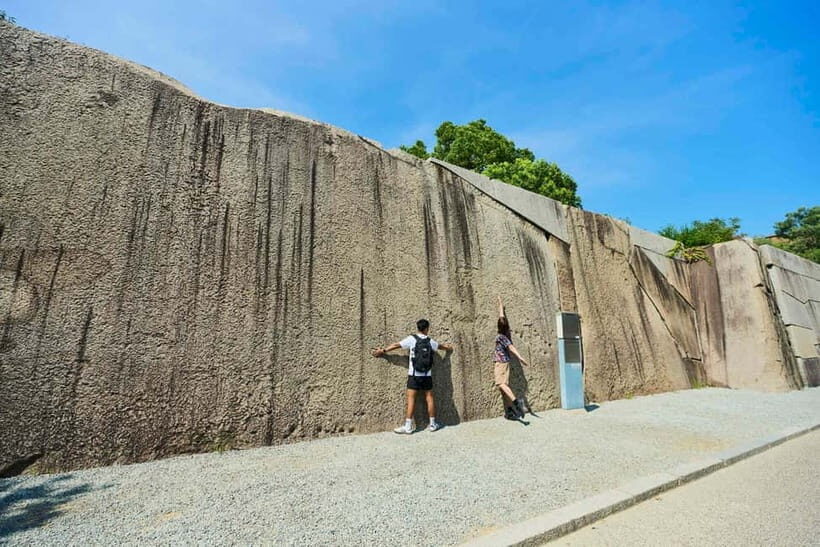
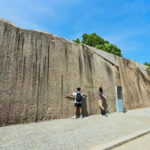
One standout moment is the visit to the castle’s largest stone. This isn’t just a photo stop. You’ll learn how it was transported using methods connected to the 16th century—details that make the scale feel real.
This part works because it turns a big object into a big problem. Big stone means big labor, big planning, and big risk. You start to appreciate the fortress as an engineering project, not only a military concept.
The guide also points out hidden stone marks from master craftsmen. Those are the kind of small details you’d normally miss, and they add a human layer: people built this with skill, signatures, and repeatable techniques.
Inside the tower: command post thinking, arrow slits, gun ports, and gold
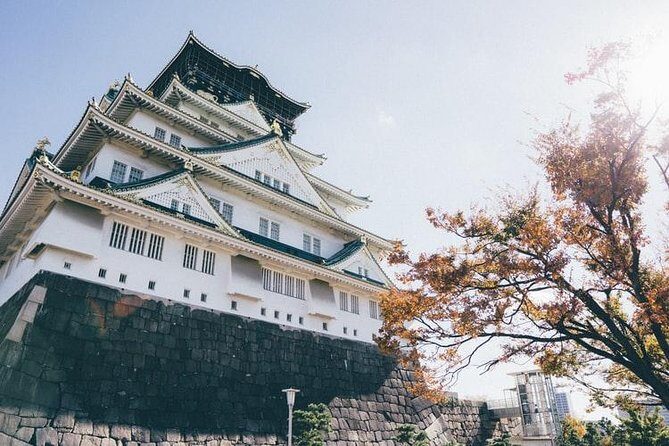
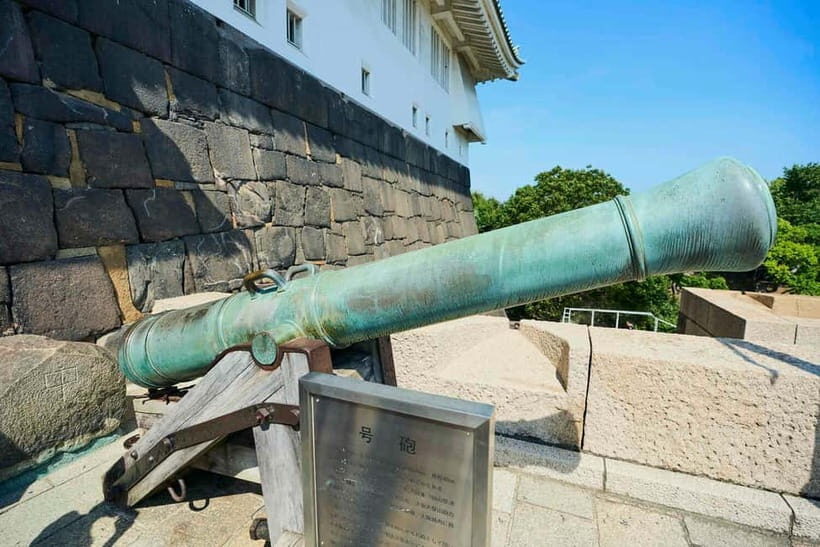
Later, you shift from outer defenses to the tower as a final layer of resistance. You’ll explore the tower as a command post and last defense, with attention to defensive features like arrow slits and gun ports.
One detail I really like from this tour concept is the explanation of gold’s role in psychological warfare. Even if you’re not thinking about tactics, you can understand how visual signals matter. Light and color aren’t decoration here—they’re part of intimidation and control.
You’ll also get the city-view payoff from the top. Multiple guide-led experiences in this program focus on making that viewpoint feel earned, because you reach it after learning what attackers were up against.
Learning from different guides: English delivery that stays fun
This tour runs with different English-speaking guides, and the consistent theme in the guide lineup is clear communication and strong question handling. Names you may see for these tours include Saya, Mao, Spike, Yuta, Kaz, Ken, Soy, and Yu, among others.
What matters for you: guides here tend to keep the pacing comfortable. In past groups, younger kids stayed engaged for the whole walk, and in small-group situations some visitors reported getting a more personal experience. If you like to ask questions, you’re likely to get real answers, not stock lines.
The real pacing: guided tour, photo time, then self-guided exploring
Your day doesn’t feel rushed. The guided portion covers the defense walk and key points, then you get time for photos and visiting, plus self-guided exploring.
That structure is smart. You get the guided explanation where it counts most—moats, gates, stonework, and tower features—then you have room to slow down and look at what you care about.
If you’re someone who hates feeling herded, you’ll probably appreciate that the tour is timed but not rigid. Just remember: you’re still walking, and the castle grounds can be crowded at peak hours.
Osaka Castle’s fall story: 1614–1615 and the Hideyoshi vs. Tokugawa tension
The tour ends with a major historical arc: how this fortress was described as invincible, yet still fell in 1614–1615.
The explanation ties the downfall to the rivalry between Toyotomi Hideyoshi’s legacy and Tokugawa Ieyasu’s ambition. That closing theme is useful because it stops the experience from being just “cool walls.” It reminds you that even strong design can’t cancel politics, alliances, resources, and timing.
And it gives you a clean final takeaway: strategy isn’t only architecture. It’s the whole system around the architecture.
Practical advice: what to wear and how to plan your day
Bring comfortable shoes. You’ll be walking historical areas with uneven surfaces and lots of looking up. Wear weather-appropriate clothing because Osaka can swing from hot and humid to cooler in short bursts.
If you’re pairing this with other castle-area plans, give yourself buffer time. The tower entry is much smoother with the skip-the-line setup, but the grounds around Osaka Castle can still be busy.
Should you book this tour?
Book it if you want more than photos. This tour makes the castle readable: moats become strategy, gates become traps, stonework becomes engineering, and the tower becomes a final defense logic lesson. The tower admission included plus the separate entrance skip-the-line access also makes it a strong value on a day when you’d otherwise spend time stuck in queues.
Skip it if you already have a deep self-guided interest in Japanese castle architecture and you’re happy to learn from signage and maps only. You’ll still enjoy the views and the site, but you’ll miss the “how it works” interpretation that’s the point of this experience.
FAQ
What does the tour include?
You get a professional English-speaking guide plus a ticket for Osaka Castle Tower. The guided experience covers key parts outside and in the tower area, but it does not include guided tours of each floor in the castle museum.
Where is the meeting point?
Meet in front of ローソン S大手前レストハウス店. There are multiple Lawson locations nearby, so use Google Maps to confirm you’re at the right one, then look for the Local Guide Stars sign.
Does this tour let me skip the line for the tower?
Yes. The tour includes skip-the-line access via a separate entrance for the castle tower.
How long is the walking tour?
The experience runs about 90 minutes total, with guided time focused on Osaka Castle and a short guided visit at Hokoku Shrine, plus additional time for photos and self-guided exploration.
What should I bring?
Bring comfortable shoes and wear weather-appropriate clothing, since you’ll be walking through outdoor historical areas.
Can I cancel or change plans?
You can cancel up to 24 hours in advance for a full refund. You can also reserve now and pay later to keep plans flexible.