REVIEW · TOKYO
Nikko: Edo Wonderland Edomura Cultural Theme Park Ticket
Book on GetYourGuide →Operated by Edo Wonderland · Bookable on GetYourGuide
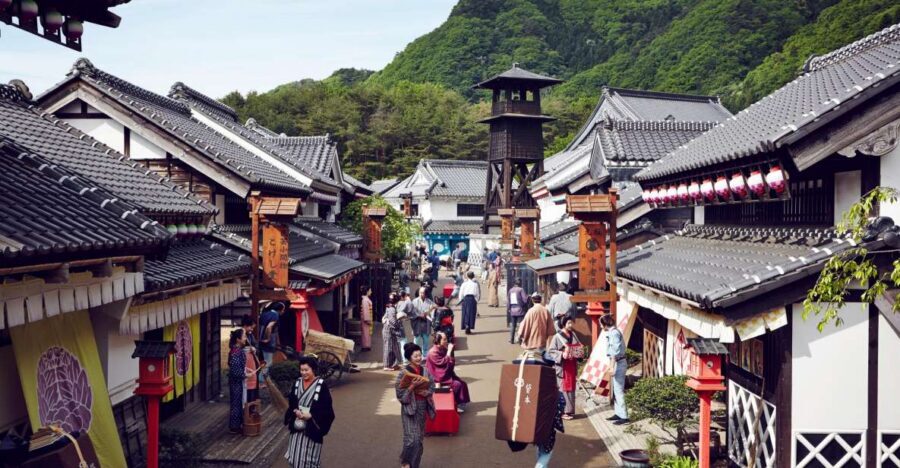
Ninja drama meets Edo streets in Nikko. You walk through Edo-style town streets and it feels like the period is performing right alongside you.
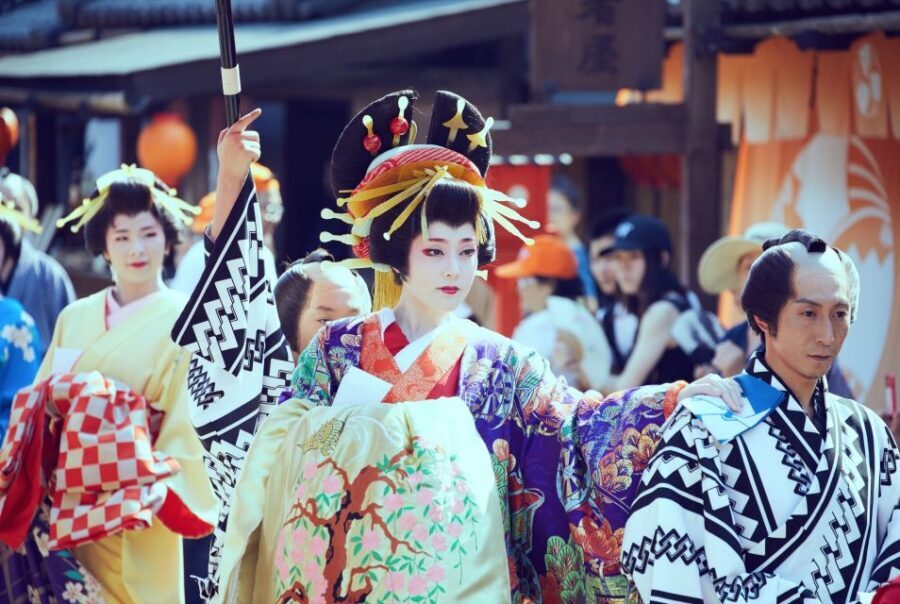
I also love the live ninja and Oiran performances—they’re theatrical, physical, and easy to follow even when your Japanese is limited.
The day stays fun because you can choose your look and get photos that actually match the scenery. You’ll also have hands-on time with Edo crafts and traditions, including sword and archery basics, shamisen, and traditional etiquette.
One possible drawback is logistics: getting from Tokyo to the park area takes planning, and the free shuttle runs on a set schedule. If you miss it, you can lose a lot of your day.
In This Review
- Key Things That Make Edo Wonderland Worth It
- Ticket Value: Why About $35 Can Still Feel Like a Full Day
- Getting From Tokyo and JR Nikko: Plan for the Shuttle Rhythm
- Walking Into Edo: Architecture, Costume Choices, and Edo-Citizen Photos
- Live Performances: Ninja Action Fights, Oiran Shows, and Water Magic
- Workshops and Skill Lessons: Samurai Sword, Archery Basics, Shamisen, and Etiquette
- Exhibits, Swordsmith and Firefighters, and the Fun Interactive Zones
- Edo Food Planning: What’s Included, What Costs Extra, and How to Pace It
- Extra Experiences That Are Not Included: Decide What You Want to Buy
- Accessibility and Getting Around Inside the Park
- Practical Tips That Make the Day Easier (Cash, Language, and Timing)
- Who Should Book Edo Wonderland in Nikko?
- Should You Book This Ticket?
- FAQ
- How long is the Edo Wonderland ticket valid?
- What does the ticket price include?
- Are kimono rentals included?
- Are food and drinks included?
- Are woodblock printing and indigo dying included?
- Are the park and activities wheelchair accessible?
- What’s the cancellation policy?
Key Things That Make Edo Wonderland Worth It
- Costume ranks and instant photo staging in Edo architecture
- Ninja theatre that works even without perfect Japanese
- Hands-on workshops (samurai sword, horseback archery basics, shamisen, etiquette)
- Real exhibits like Edo firefighters and swordsmith-related displays
- Play zones with “physics-bending” ninja training and a mechanical maze
- Seasonal Edo food stops you can pace throughout the day
Ticket Value: Why About $35 Can Still Feel Like a Full Day
At around $35 per person for a one-day ticket, Edo Wonderland works best when you plan to do more than watch shows. This is not just a ticket to a building. It’s a full program of theatres, exhibits, workshops, and on-site activities that you can bounce between.
What you get is practical value:
- Entrance to exhibits, theatres, and performances
- Access to free experiences such as a sword and ninja training hall
- Access to included activities, including kids’ work-experience style time and a maze
What you might pay extra for (and should plan for):
- Some hands-on arts like woodblock printing, indigo dying, and Daruma painting
- Kimono rental
- Food and drink inside the park
My take: the ticket is a good deal if you use it like a schedule—hit multiple shows, do at least one or two workshops, and spend time in the exhibits and interactive areas. If you only want a short wander and one show, the price can feel steep.
A few more Tokyo tours and experiences worth a look



Getting From Tokyo and JR Nikko: Plan for the Shuttle Rhythm
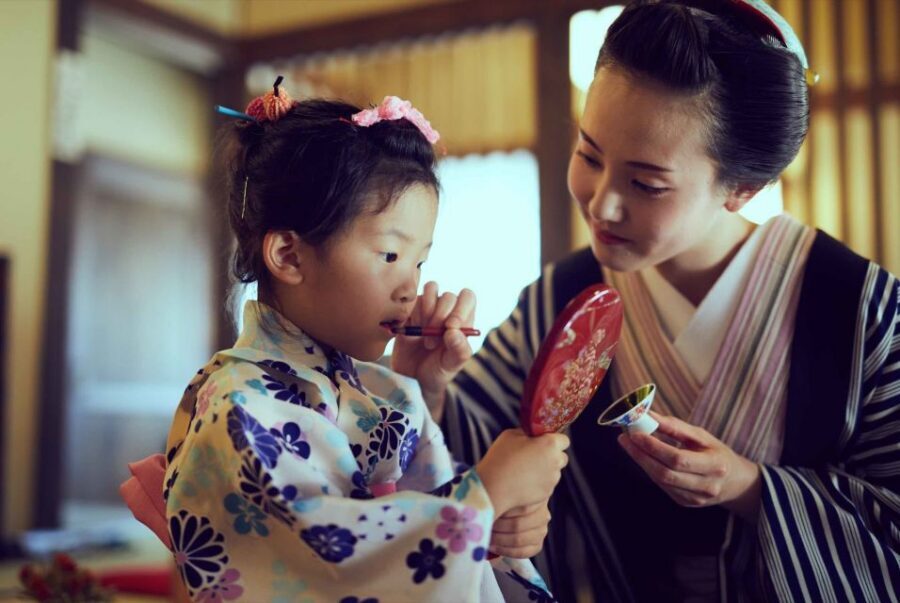
The main reason this day can feel easy or hard is timing. From Tokyo areas like Shinjuku and Asakusa, expect about 2 to 3 hours of travel time, depending on your route.
The park is reached from the Kinugawa Onsen station area, and the easiest public-transport option provided runs via:
- Tobu limited express trains from Asakusa to Kinugawa Onsen
- Then onward by shuttle to Edo Wonderland
If you’re using the JR Pass, a common route is:
- Shinkansen from Tokyo to Utsunomiya
- Switch at JR Nikko station
- Take the free shuttle bus to Edo Wonderland
Two timing realities you should treat as non-negotiable:
- The free shuttle bus runs about every 2 hours, so you want to arrive with slack
- If your connections are tight, you may need an early start. People have described needing to leave Tokyo early to make it worthwhile.
Also, the meeting point listed is:
- 470-2 Karakura, Nikko, Tochigi Prefecture 321-2524, Japan
For many people, the best value move is staying in/near Nikko or very close by. That turns Edo Wonderland from a grind into a fun day.
Walking Into Edo: Architecture, Costume Choices, and Edo-Citizen Photos
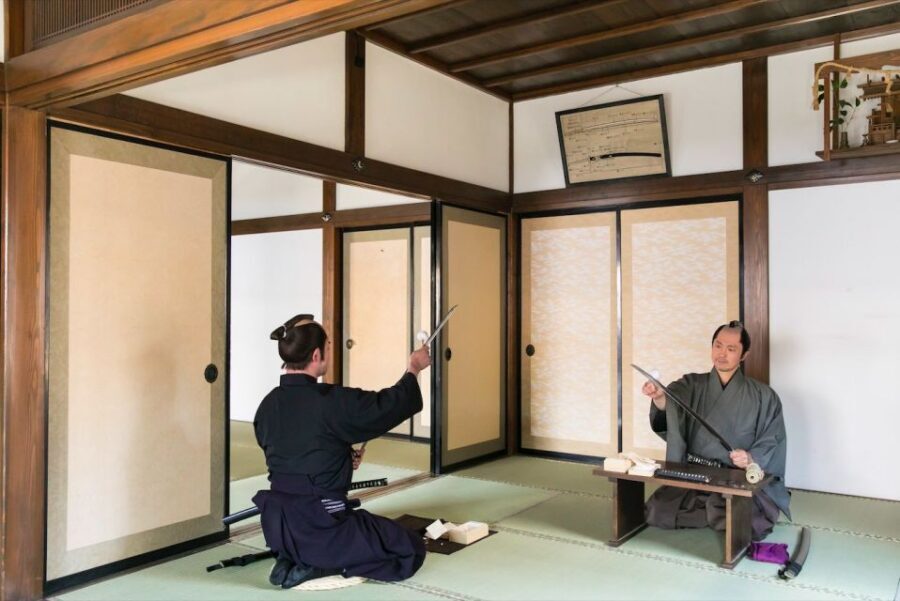
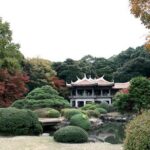
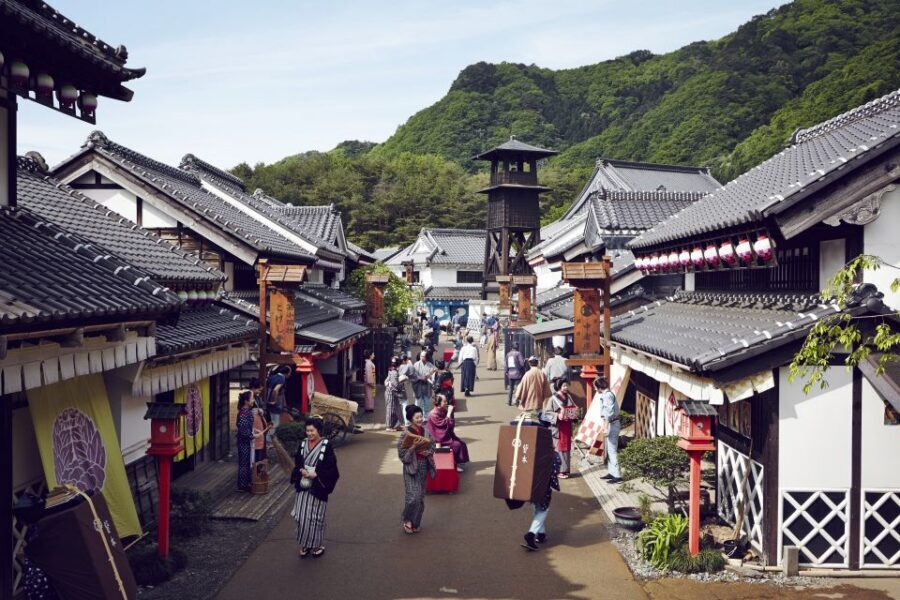
The park’s big trick is making the Edo era feel like a street you can enter, not a museum you stand beside. You move through buildings designed to look like Edo-period neighborhoods, and the setting is on the mountain side, which gives the whole place a calmer tone than you’d expect from a theme park.
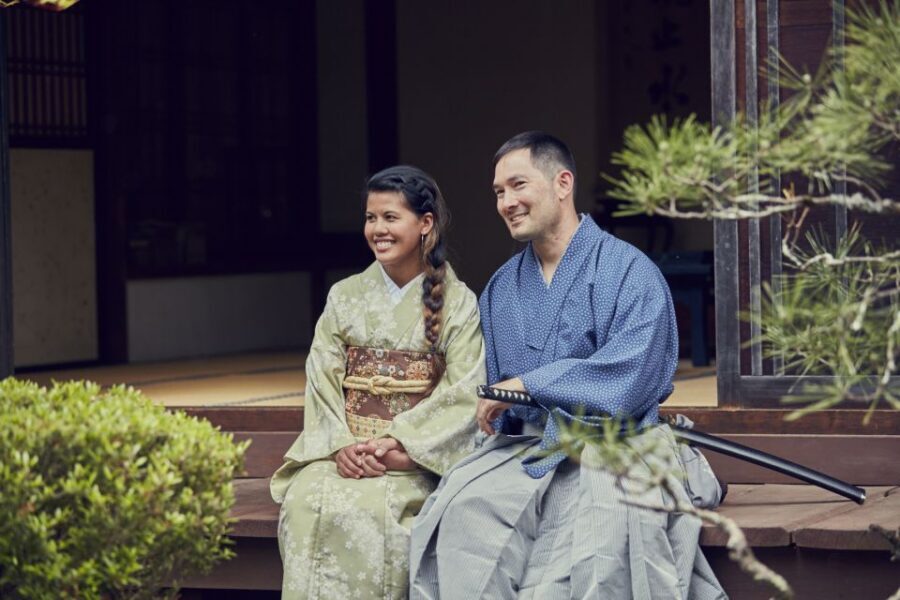
A major highlight is the costume experience. You can pick from kimono options tied to different ranks. When you do this, you stop looking like a tourist and start looking like a character in the same story as the performances.
Photo-wise, this is where you’ll thank yourself for wearing the costume:
- Buildings act like a backdrop that doesn’t break the illusion
- You can pose as samurai, lord, princess, farmer, and other citizen roles
- The outfits help you frame photos naturally as you walk between theatres and workshop areas
Practical note: kimono rental isn’t included with the ticket. If you want it, plan cash and time. And if your goal is lots of photos, go earlier in the day so you aren’t fighting crowds for costume time slots.
Live Performances: Ninja Action Fights, Oiran Shows, and Water Magic
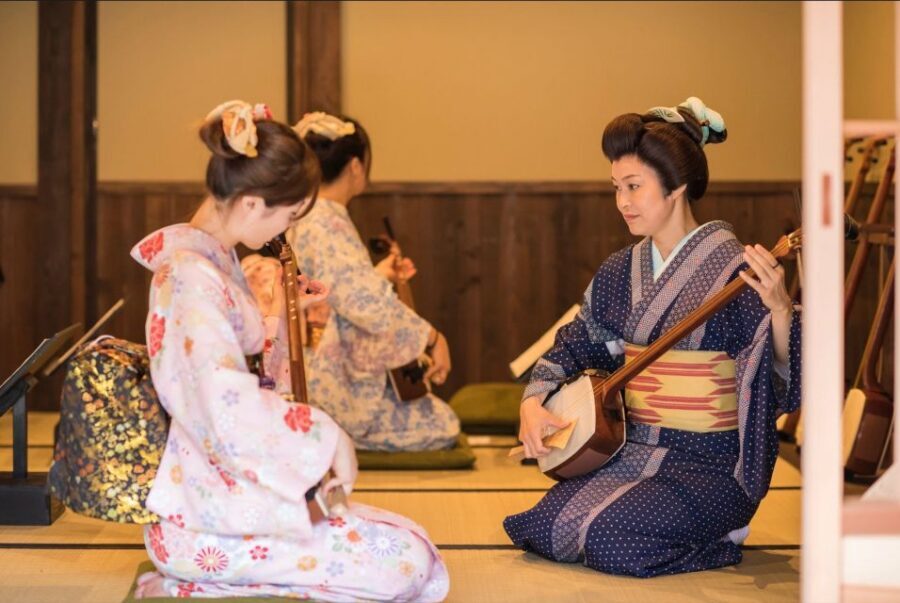
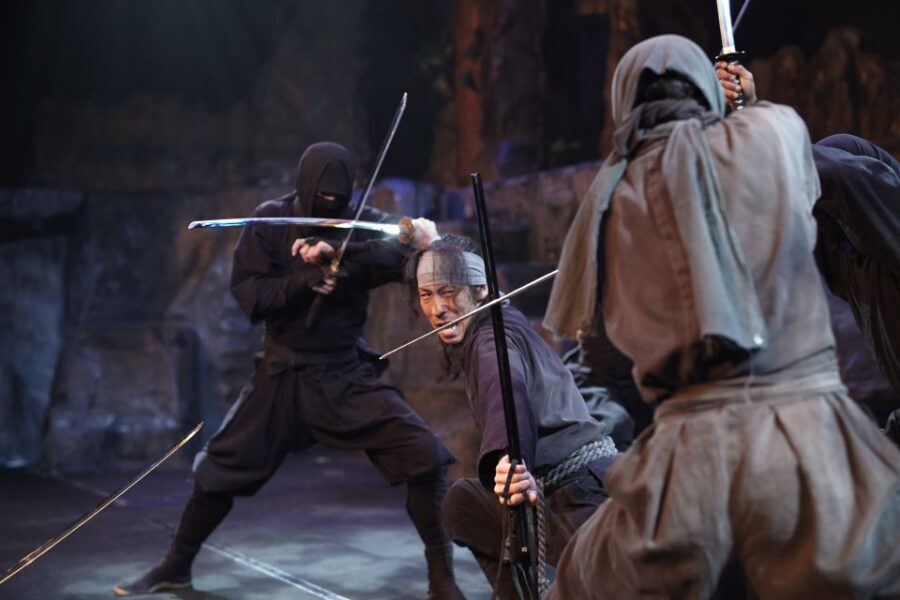
If you only catch one thing, make it the ninja performances. They’re the most praised part of the day, and for good reason: the action is big, movement is clear, and you can follow along even if your Japanese is limited.
Other performance types you’ll find include:
- Ninja action fights
- Oiran cultural shows
- Water magic shows
- Additional traditional plays depending on the schedule
What I like about this approach is that the park doesn’t treat performances like background entertainment. It treats them like checkpoints in your day. You can plan your route around what’s on, and the rest of the park feels easier because you know what comes next.
One extra detail from real experiences: English support can be limited, so don’t count on full explanations. The upside is that a lot of the show language is in the staging and physical action.
Workshops and Skill Lessons: Samurai Sword, Archery Basics, Shamisen, and Etiquette
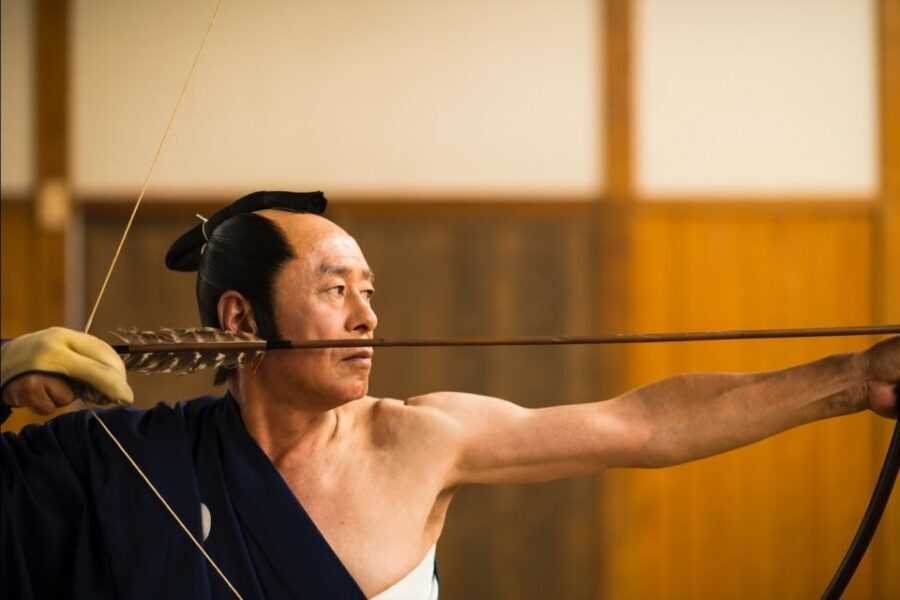
This is where the park shifts from entertainment into participation. You’ll see workshop-style learning connected to different Edo themes, including:
- Samurai sword basics (there are free experiences tied to sword training areas)
- Horseback archery basics (hands-on style, not just watching)
- Samisen instrument lessons
- Samurai etiquette lessons
For many people, the appeal is that you’re not expected to become an expert. You get the feel of the craft and the cultural mindset, and you leave with a better mental picture of what Edo life tried to value: discipline, performance, and social rules.
Two workshop realities to keep in mind:
- Children-only workshops exist for ninja, police, and samurai themes, but sessions are limited
- Registration for those kids’ sessions happens on the day, so showing up late can mean missing out
If you’re traveling with kids, I’d build your day around the chance of getting into those sessions first, then treat the rest of the programming as bonus.





Exhibits, Swordsmith and Firefighters, and the Fun Interactive Zones
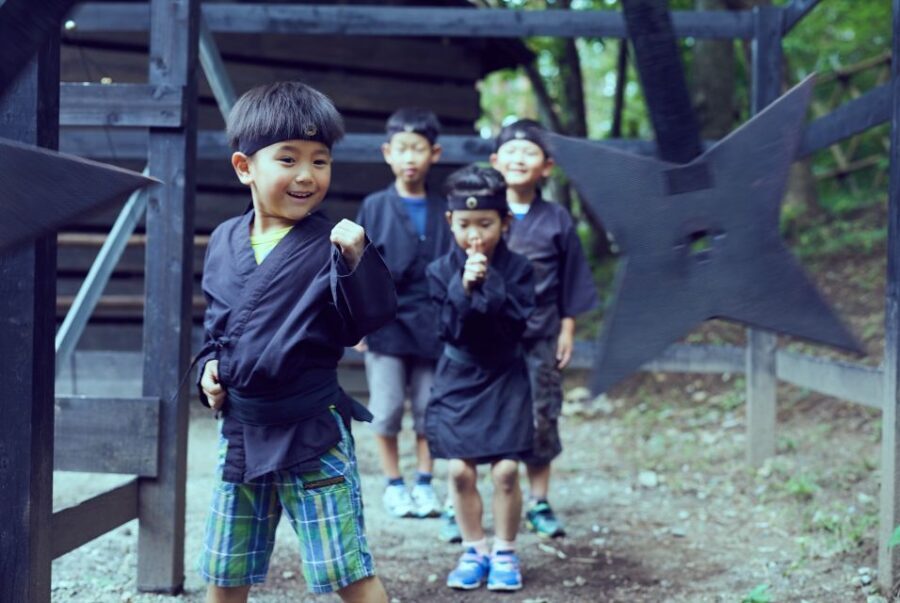
Between shows and workshops, the park gives you plenty to do that doesn’t require waiting for a theatre. A couple of standout exhibit themes you can expect:
- An Edo firefighters exhibition
- A swordsmith exhibit
These displays add weight to the costumes and performances. Instead of being all make-believe, you get a few real-world anchors for what the Edo era did with skills, roles, and community support.
Then you get into the play-heavy side of Edo Wonderland—this is the part that keeps the day from feeling like homework:
- A mechanical maze
- A ninja house filled with secrets
- A ninja training house where the rules of physics can feel like they’re not cooperating
This mix is smart. If you have adults who worry they’ll get bored, the interactive zones help. And if you have kids, these areas turn the day into an adventure, not a rigid schedule.
Edo Food Planning: What’s Included, What Costs Extra, and How to Pace It
Food is an important part of theme immersion, but here you need to plan your budget. The ticket states food or drink are not included.
That said, the park does offer:
- Seasonal Edo cuisine at different restaurants in the park
- Sweets and drinks you can snack through
- Options like ramen and mochi pop up based on what’s available during your visit
My advice is to treat meals as fuel between shows rather than as a major time sink. Shows have set timing, and if you block too much time at a sit-down meal, you’ll rush everything else.
Also, one detail worth taking seriously if you’re budgeting: there may be no ATM inside the park. One person described needing to leave the park and walk about 20 minutes to find an ATM. So if you like workshops with extra add-ons or want kimono rental, bring enough cash.
Extra Experiences That Are Not Included: Decide What You Want to Buy
Your ticket covers a lot, but there are some Edo craft experiences that cost extra. The information provided lists these as not included:
- Woodblock printing
- Indigo dying
- Daruma painting
If those are your must-dos, decide in advance how many take-ups you want. It’s easy to get distracted by theatres and interactive areas and then realize you only have time for one paid craft.
For a smoother day, I’d pick either:
- One craft to bring home, and
- One or two workshops/performances to experience in the moment
That keeps the day balanced and stops it from turning into a rushed shopping tour.
Accessibility and Getting Around Inside the Park
The ticket includes wheelchair accessibility, which matters because a day full of theatres and interactive areas can otherwise be exhausting.
Inside the park, you’ll be walking between buildings and theatres, so plan comfortable shoes. Even if the rides are not intense like a modern theme park, the day adds up: costume time, theatre time, and movement between exhibits.
Practical Tips That Make the Day Easier (Cash, Language, and Timing)
Here are the practical things that improve the experience fast:
- Bring cash just in case you can’t do card payments easily and there’s no ATM in the park.
- Expect most activity explanations to be in Japanese, though the show format and staging make a lot of it understandable without full translation.
- If you care about special trainings, register as soon as the day opens. Some sessions fill quickly, especially certain samurai training opportunities.
- Use the shuttle schedule as your backbone. The park is fun, but a missed shuttle can force a long wait.
One last real-world note: staff can be extremely helpful. In one experience, a guide named Jagroop was described as patient, knowledgeable, and great at helping people explore and even taking photos throughout the day. If you get the chance to work with helpful staff, lean on that support early.
Who Should Book Edo Wonderland in Nikko?
This ticket is a great fit if you want:
- Family-friendly entertainment that mixes shows and hands-on activities
- A full-day Edo experience with ninja theatre as a centerpiece
- More than passive sightseeing: you want to try sword/archery/shamisen-style lessons and move through exhibits
It may feel less ideal if:
- You only want one short show and you won’t use the workshops or exhibits
- You need lots of English explanations. Even when instructions are manageable, the full experience is not built around English-only support.
- You hate logistical planning from Tokyo. The shuttle schedule is the part most likely to cause a headache.
Should You Book This Ticket?
Yes—if you’re going to treat it like a real day plan and hit multiple categories: a couple of performances, at least one workshop, and time in interactive zones like the ninja training areas and the maze.
Skip it (or reconsider) if you’re passing through and only have a half-day, or if you’re very sensitive to tight timing and limited on-site payment options. In that case, you might enjoy Nikko more at a slower pace and come back another time.
If you do book, build your day around the first times you can access, and keep your camera charged. Edo Wonderland is the rare place where getting dressed actually changes how fun the photos turn out.
FAQ
How long is the Edo Wonderland ticket valid?
The ticket is valid for 1 day from the first activation.
What does the ticket price include?
It includes the entrance fee plus access to exhibits, theatres, and performances. It also includes access to free experiences like the sword and ninja training hall, and activities such as the maze and kids’ Edo work experience.
Are kimono rentals included?
No. Kimono rental is not included in the ticket.
Are food and drinks included?
No. Food or drink is not included.
Are woodblock printing and indigo dying included?
No. Woodblock printing, indigo dying, and Daruma painting are listed as additional experiences not included with the ticket.
Are the park and activities wheelchair accessible?
Yes. The ticket is listed as wheelchair accessible.
What’s the cancellation policy?
You can cancel up to 24 hours in advance for a full refund. The listing also states you can reserve now and pay later.