REVIEW · TOKYO
Tokyo Sword Experience – includes Museum Ticket/Ninja Experience
Book on Viator →Operated by Maikoya · Bookable on Viator
Dress as a samurai, learn the moves, then throw ninja stars.
This Tokyo Sword Experience leans hard into the fantasy—hakama dressing first, then iaido-style technique practice with guided instruction and a duel-style drill—so it feels closer to training than stage acting. One bonus that really upgrades the day: you also get a samurai and ninja museum visit, plus extra photo opportunities and hands-on playful ninja activities.
I also like that the experience is designed around discipline and safety. Even though you’re swinging a sword-shaped tool, the focus stays on posture, controlled practice, and clear coaching—so beginners can keep up.
One possible drawback to plan for: sessions can involve more people than you’d expect in the museum and during practice time, which means waiting and more crowding around photo moments.
In This Review
- Key highlights before you go
- Samurai Ninja Museum Asakusa: Your Starting Line
- Hakama and costume time: more than a photo op
- Iaido techniques with a safe replica sword
- The duel-style sword fight: fun, controlled, and instruction-led
- Samurai museum ticket: small rooms, lots of talk
- Ninja star throwing and the role-play extras
- Group size reality, queues, and why timing can stretch
- Price and value: $84.23 for training + museum + ninja
- Who should book this Tokyo sword experience?
- Should you book it? My honest take
- FAQ
- FAQ
- Is there a dress requirement for this experience?
- Do you use a real sword?
- Where does the tour start?
- How long does the experience take?
- Can children under 6 enter?
- Is this ticket mobile-friendly?
- What’s included in the package?
- Is the venue near public transportation?
- Can I cancel for a full refund?
Key highlights before you go
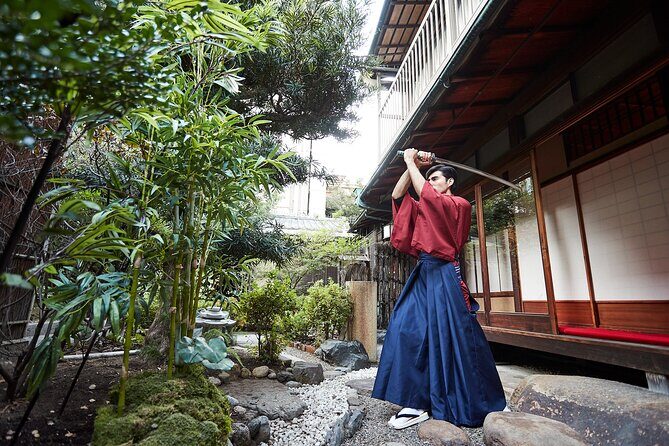
- Hakama first, role-play built in so you start acting the part from minute one
- Iaido basics with a replica sword taught step-by-step under instructor guidance
- Hands-on practice duel using safe training weapons and simple drills
- Samurai + ninja museum add-on included right in the same Asakusa area
- Ninja star throwing (plastic) for a fun, quick activity break
- Staff praised by name in different sessions, including Leon, Ren, Ryo-sensei, Koki, Santo, Akira, and Hector
Samurai Ninja Museum Asakusa: Your Starting Line
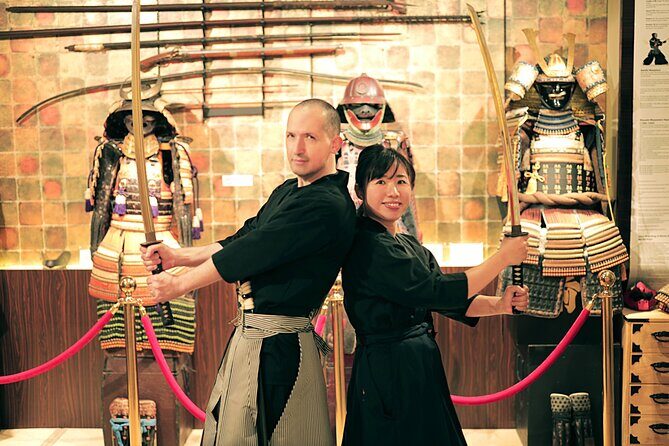
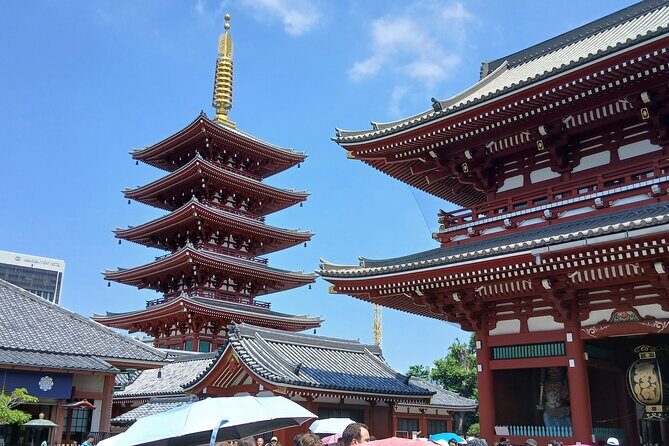
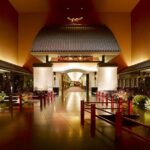
Your meeting point is at the Samurai Ninja Museum Asakusa, at 1-chōme-8-13 Nishiasakusa, Taito City, Tokyo 111-0035. The easy win here is location. You’re in Asakusa, where public transit is convenient, and it’s a short walk from the big temple area many people visit on the same day.
This matters because sword training events can feel logistics-heavy. The easier your arrival is, the more relaxed you’ll be when you start dressing and learning technique. You’ll also use a mobile ticket, which cuts down on the “where do I show this paper” stress.
One more practical note: there’s a moderate physical fitness level requirement. That doesn’t mean you need to be an athlete, but you should be ready to stand, move into training positions, and sit through instruction.
A few more Tokyo tours and experiences worth a look



Hakama and costume time: more than a photo op
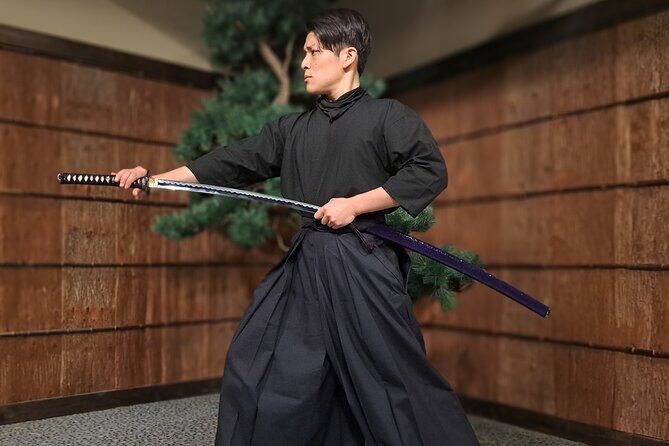
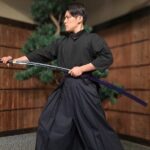
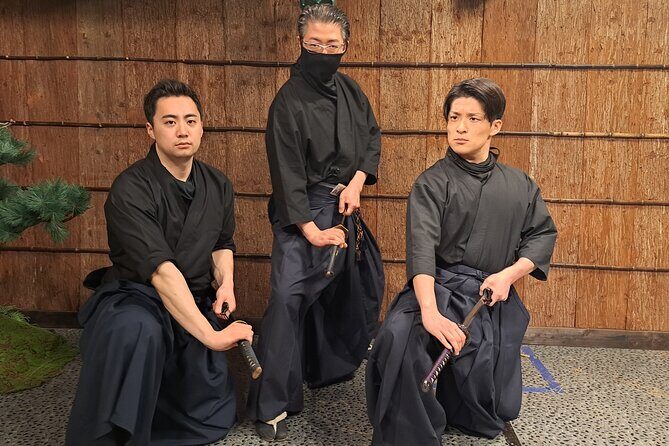
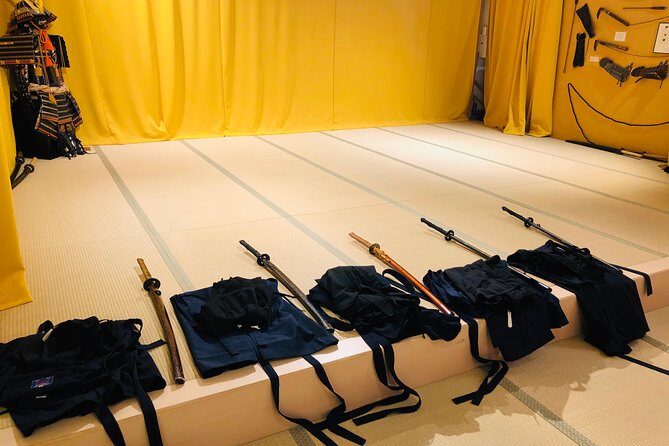
You don’t just put on a costume and pose. You begin by dressing like a samurai in a traditional hakama. That start is a big deal for the vibe. Hakama is one of those garments that changes your posture and movement, and the instructors lean into that. Instead of feeling like you’re cosplaying for five minutes, you’re set up to practice with the right stance from the beginning.
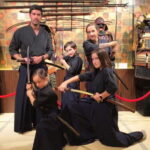
After the hakama, you’ll get the costume-and-photo moment where staff help you pose with swords in front of studio or samurai-themed backgrounds. People care about photos here—and the staff names show up often in praise. Leon, for example, is repeatedly mentioned for helping guests get dressed and taking pictures.
My advice: treat the costume time as part of the training, not just a break. Wear comfortable clothing you can layer under, and plan to move carefully when putting everything on. If you’re hoping for clean, crowd-free photos, aim to step aside quickly after each shot so you don’t get stuck in the busiest viewing lane.
Iaido techniques with a safe replica sword
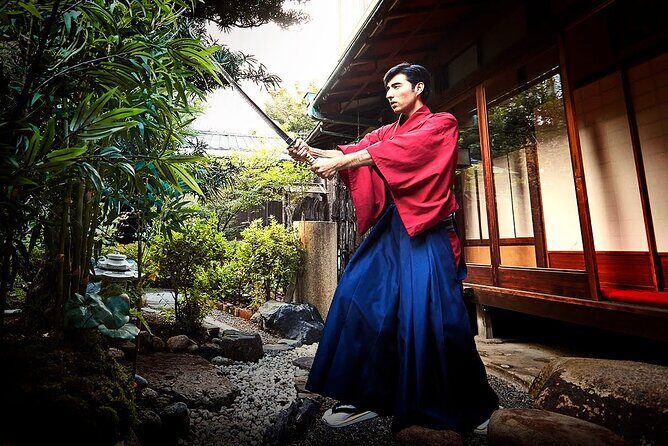
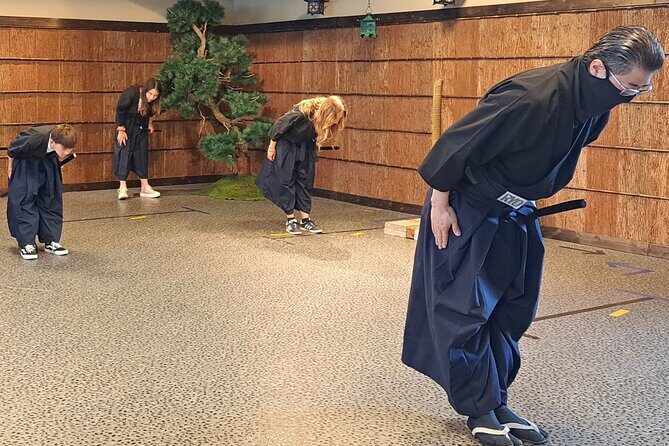
The heart of the experience is learning basic iaido techniques under instruction, using a replica sword. Iaido is all about control—how you handle the weapon, how you move your body, and how you time the technique.
A key detail: recent Japanese law restricts real-sword handling in activities like this, and this experience does not involve using a real sword or a sharp blade. That’s actually good news for most people. It means the coaching stays focused on technique and safety rather than adrenaline.
In practice, you can expect:
- posture and grip basics (how the sword position should look)
- instructor corrections when your movement is off
- short, guided drills before anything “duel-like” happens
A number of people highlight that the instructors make the steps clear. Ryo-sensei, for instance, is mentioned for teaching a kata and then moving into foam-sword fighting drills. Whether you personally meet Ryo-sensei or someone else, the teaching style is the same idea: build muscle memory in stages.
If you’re a first-timer, this is the part that tends to feel most authentic. You’re not just swinging randomly; you’re being trained to execute a technique the way a student would.
The duel-style sword fight: fun, controlled, and instruction-led
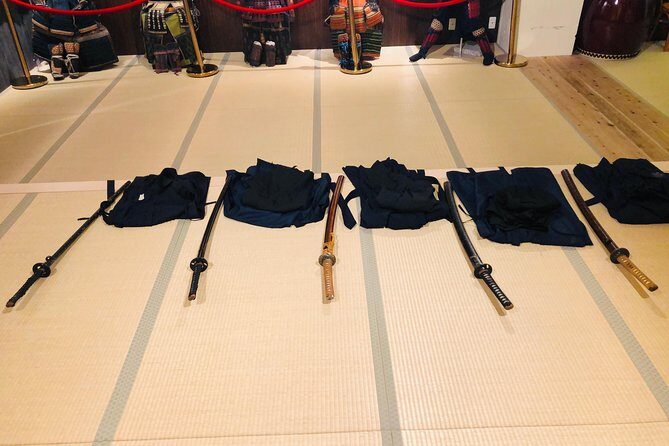
After the basics, you’ll get to test yourself in a simple sword fight using safe replica training gear. The pacing is usually very structured: instructor demos first, then you practice, then you do it again with correction.
Two things make this work for beginners:
- You get feedback on holding and movement. People specifically mention being told when they’re not holding the weapon correctly.
- The drill format keeps it fun without turning it into chaos.
You might also find the flow includes a partner element—people talk about dueling with a partner after step-by-step instruction. Then, later, the “switch” toward ninja activity happens. One review describes an arc that goes from samurai technique into ninja star throwing, which matches the way the whole experience is laid out.
Your “watch out” here is not safety—it’s attention and timing. If your group is on the larger side, you might spend time waiting your turn. That waiting is normal at hands-on stations, but it can reduce the feeling of constant action.
Samurai museum ticket: small rooms, lots of talk
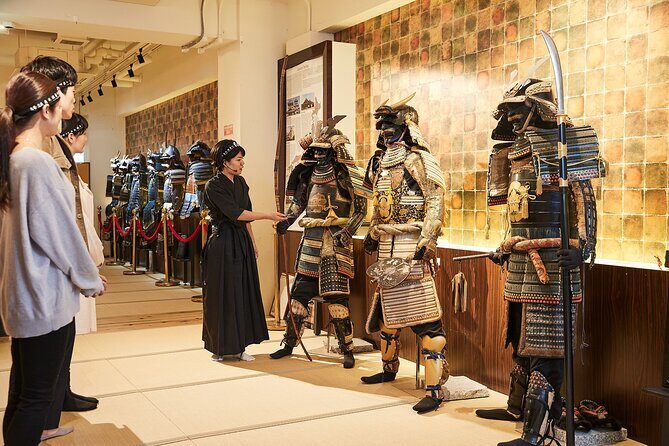
Included in the package is a free guided tour of the samurai and ninja museum. People describe the samurai museum as small—focused on a handful of rooms rather than a sprawling museum you can wander for hours.
That “compact” size can be a plus. It means the guide can keep the story moving, and you’re not stuck in a maze of displays. The guides are often described as entertaining and funny, and the history portion can be a real add-on if you care about context behind the sword training.
Still, this is not an interactive, hands-on museum every minute. Some families note that kids may find it more talk-heavy than expected, with fewer tactile exhibits. So if you’re bringing younger kids, I’d plan for the sword and ninja parts to be the main entertainment, with the museum as the story backdrop.
Language is typically English-capable based on praise for fluent English instruction (for example, sensei comments like fluent English show up). If you rely on very specific language nuance, arrive with patience for explanations that might be a bit fast when rooms are crowded.
You can also read our reviews of more museum experiences in Tokyo
Ninja star throwing and the role-play extras
Ninja star throwing is included, and it’s designed to be safe—plastic targets and shuriken. It can feel a little silly at first, which is exactly why it’s fun. It gives you a change of pace after more serious posture work.
Koki is one of the staff names associated with ninja star throwing instruction. People also mention Koki teaching ninja-related moves. The good sign here is that the activity isn’t just handed to you; there’s coaching and a moment to try, not just a photo line.
You may also get other role-play extras like:
- access to samurai-themed artifacts (described as part of the added value)
- posing and photos in themed areas
- trying armor pieces in a separate area (some people mention a helmeted samurai warrior setup)
One caution: costume and prop authenticity varies. Some people expected more “period-correct” armor feel and found certain costume elements more modern/plastic. I wouldn’t choose this experience only for costume accuracy. Choose it for the training energy and the story elements around it.
Group size reality, queues, and why timing can stretch
The duration is listed at about 1 hour 15 minutes, but real life can be longer. Why? Hands-on activities take time, and sessions can get crowded.
Here’s what you can rely on from the provided details:
- The booking is capped at a small number of people in your reservation (you can reserve a maximum group size via the platform, and the tour itself notes a maximum of 4 travelers).
- Even so, the facility can run more participants in the overall session.
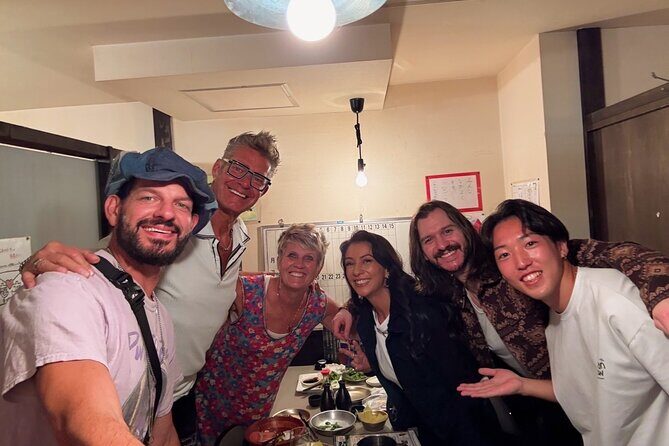
Some people report large groups—enough that photo time is harder and waiting becomes noticeable. Others say they enjoyed the flow even with a larger group. Either way, it’s wise to show up early and keep your expectations flexible.
Practical timing tips:
- Arrive a bit early so dressing and briefing don’t eat your best energy.
- If you’re short on time, understand that museum talk and switching between stations adds minutes.
- Build in buffer time for waiting during cutting/practice moments (even with safe training gear).
Also remember: children under 6 cannot enter the venue. If you’re traveling with a child near that age range, confirm eligibility before you go.
Price and value: $84.23 for training + museum + ninja
At about $84.23 per person, this is not “just a quick activity.” But it can be good value if you want a packaged day: samurai training plus museum context plus ninja play.
What you’re paying for:
- a guided hijama/hatama role-play start (costume + instruction)
- instructor-led iaido technique practice
- a duel-style training drill
- included access to the samurai and ninja museum guided portion
- the included ninja star throwing activity
- staff help for photos and themed posing
The value logic is simple: many Tokyo experiences either give you costume photos with little training, or give you training with no museum story, or give you a museum with no hands-on activity. This combines all of them at once.
Where the value can dip:
- if you land in a bigger-than-ideal group session, you’ll spend more time waiting
- if your time expectation is 75 minutes but the day runs long due to session flow, you might feel the price tag more sharply
If you want maximum value, treat it as a half-to-near-two-hour experience, not a quick stop.
Who should book this Tokyo sword experience?
This one fits best if you want:
- hands-on training that feels like discipline, not just cosplay
- a guided arc from samurai basics to ninja-style fun
- a day in Asakusa where you’ll also get a museum tour nearby
It also tends to suit:
- couples looking for a memorable “activity you can’t do at home”
- adults who like history but also want physical action
- families with older kids (since there’s an under-6 restriction, and the museum can be talk-heavy)
Who should be cautious:
- If you hate waiting in lines or you need a very short activity window, plan for crowding and queue time.
- If you’re expecting fully silent, minimal-queue “exclusive class” treatment, you might be disappointed by group volume on busy days.
And one more important topic: there can be age limits for certain participation parts. One family report said a cutting-part eligibility restriction came up at the venue. The only firm age rule in the provided data is that children under 6 can’t enter. If your kids are teens and you care about every moment of the sword portion, ask ahead so you’re not stuck adjusting plans mid-session.
Should you book it? My honest take
Book it if your top priority is the full experience: hijama/hakama dressing, a guided iaido-style training moment with safe swords, and the included samurai + ninja museum story. It’s one of the more “do something” options in Asakusa, and the staff coaching style is a big reason people rate it highly.
Skip or choose another option if:
- you need a guaranteed tiny group size and hate crowding
- you only want a museum visit (because the museum is small and more talk-driven)
- you’re traveling with very young children (under 6 can’t enter)
- you have a strict schedule and can’t afford a possible time stretch
If you do book, the best move is simple: show up early, wear comfortable clothes, and decide in advance that your win is the training vibe plus the museum context—not perfectly uncrowded photo time.
FAQ
FAQ
Is there a dress requirement for this experience?
Yes. You start by wearing a traditional samurai hakama as part of the experience.
Do you use a real sword?
No. This activity does not involve using a real sword or a sharp blade.
Where does the tour start?
The meeting point is at Samurai Ninja Museum Asakusa, 1-chōme-8-13 Nishiasakusa, Taito City, Tokyo 111-0035, Japan. The activity ends back at the meeting point.
How long does the experience take?
It’s listed at about 1 hour 15 minutes.
Can children under 6 enter?
No. Children under 6 cannot enter the samurai venue.
Is this ticket mobile-friendly?
Yes. The tour notes that it includes a mobile ticket.
What’s included in the package?
You get posing with swords, wearing a hakama, a samurai-style experience, a free guided tour of the samurai and ninja museum, and the included ninja experience. Transportation is not included.
Is the venue near public transportation?
Yes. It notes that you’ll be near public transportation, and service animals are allowed.
Can I cancel for a full refund?
Yes—free cancellation is available up to 24 hours before the experience start time for a full refund.