REVIEW · TOKYO
Tokyo: Art Aquarium Museum GINZA Entry Ticket
Book on GetYourGuide →Operated by LINKTIVITY Inc. · Bookable on GetYourGuide
A quiet room that makes you notice everything.
Art Aquarium Museum GINZA turns goldfish appreciation into a modern art show using light, music, and scent in a permanent Ginza venue.
I especially like the way the displays feel designed, not just viewed—each space is set up so the fish look almost choreographed. I also like that you get practical context about what you’re seeing, with English information that helps you connect the Edo-period goldfish idea to what’s happening in front of you.
One consideration: this is not a long, day-filling attraction. It’s compact, so if you want hours of wandering, you may feel done sooner than expected.
In This Review
- Key Highlights You Should Know
- Ginza Mitsukoshi Location: Easy to Find, Easy to Combine
- Address to save
- Ticket Value: What $17 Buys You in Real Time
- The 1-Hour Flow: How the Visit Usually Feels
- Quick strategy tip
- Goldfish as Modern Art: Light, Music, and Scent
- Edo-Period Roots, Reframed for Today
- Seasonal Changes at a Permanent Venue
- Photography Rules That Keep the Room Enjoyable
- Photo timing tip
- The Department Store Bonus: Gift Shop Souvenirs
- Who This Experience Fits Best
- Small Watch-Outs: What Could Affect Your Enjoyment
- How to Add It to Your Ginza Day
- Should You Book Art Aquarium Museum GINZA?
- FAQ
- Where is Art Aquarium Museum GINZA located?
- How do I get there by train?
- How long should I plan for the visit?
- What’s included with the ticket?
- Is it free for children?
- Can I take photos?
- Is the ticket refundable?
- What if I’m unsure about closing days and hours?
Key Highlights You Should Know
- Light, music, and scent are part of the experience, not just background effects.
- Edo-period goldfish appreciation, reworked into modern “art era” aquarium presentation.
- Seasonal changes keep the permanent venue from feeling the same year-round.
- Photography-friendly, but with rules: no tripods/monopods and no strobes.
- Ginza Mitsukoshi location makes it easy to fit into a shopping day.
- Quiet timing can pay off, especially when you enter outside peak hours.
Ginza Mitsukoshi Location: Easy to Find, Easy to Combine
Art Aquarium Museum GINZA is inside Ginza Mitsukoshi, one of the easiest places to navigate in Tokyo once you’re in the Ginza area. Your ticket gets you admission for your chosen start time, and you’ll check in at the 9th floor of the new building (the reception and same-day tickets are also on that floor).
If you’re using public transit, Ginza is a hub, and you’ve got multiple options:
- Tokyo Metro Ginza/Marunouchi/Hibiya Lines: Exit A7 of Ginza Station
- Tokyo Metro Yurakucho Line: 5-minute walk from Ginza 1-chome Station (Exit 9)
- Toei Asakusa Line / Tokyo Metro Hibiya Line: 2-minute walk via the underground passage from Higashi Ginza Station toward Ginza Station
What I like about the location is that it’s not a “special trip” only. You can slot this in between shopping, coffee, or department-store sightseeing. The tradeoff is that you might feel it’s a bit “out of the way” compared with Ginza’s main street energy—especially if your day plan has you bouncing around far from Mitsukoshi.
A few more Tokyo tours and experiences worth a look



Address to save
104-8212, Ginza Mitsukoshi, 4-6-16 Ginza, Chuo-ku, Tokyo (check-in on the 9th floor)
Ticket Value: What $17 Buys You in Real Time
The price is listed as $17 per person. For that, you’re buying admission to a permanent art-and-aquarium installation that’s designed to be experienced in about one hour (the estimated viewing time).
Here’s the value angle I’d use to decide:
- If you like visual art that’s also experiential (light, sound, scent), this feels like money well spent.
- If you’re expecting a huge, multi-building aquarium, you might feel underwhelmed because this setup is compact.
- If you’re a photography fan, the design tends to reward it, and the rules help keep the space from turning into a tripods-and-flash circus.
Also note: it’s non-refundable. So pick a time you’re confident you can make.
The 1-Hour Flow: How the Visit Usually Feels
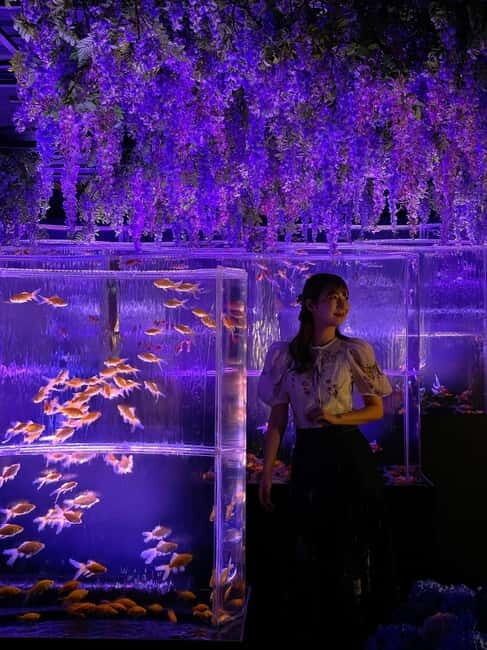
There isn’t a long, multi-stop itinerary here. You basically enter, move through a sequence of aquarium-art spaces, and take your time absorbing the layout.
In practice, you should plan on:
- About 45–60 minutes if you’re walking steadily and taking photos
- Closer to 1 hour if you pause often to read the English explanations and watch the fish behavior longer than you think you will
What makes this work as a short visit is the pacing. Each room changes the “mood” through lighting and sound, so it doesn’t feel like you’re just staring at tanks.
Quick strategy tip
Show up a little early if your schedule allows. Then you’re not rushed when you enter, and you can pick a natural photo spot without feeling like you’re cutting in line with other people.
You can also read our reviews of more museum experiences in Tokyo


Goldfish as Modern Art: Light, Music, and Scent
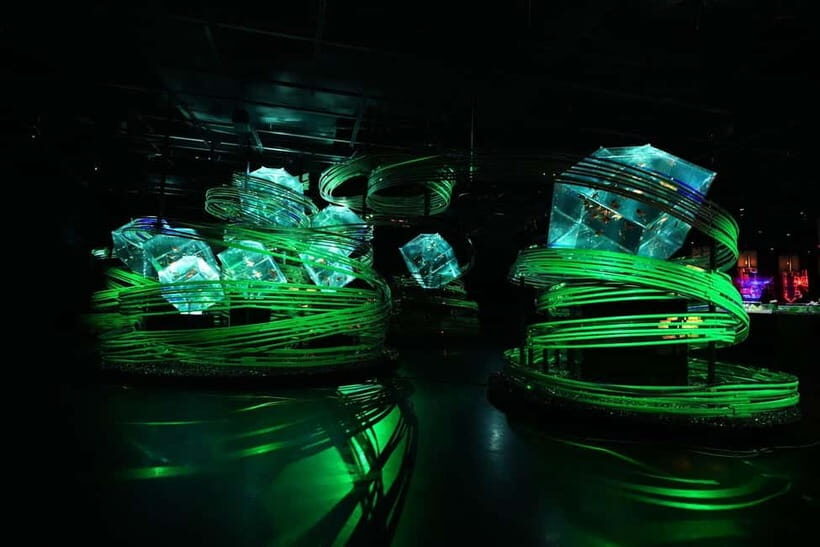
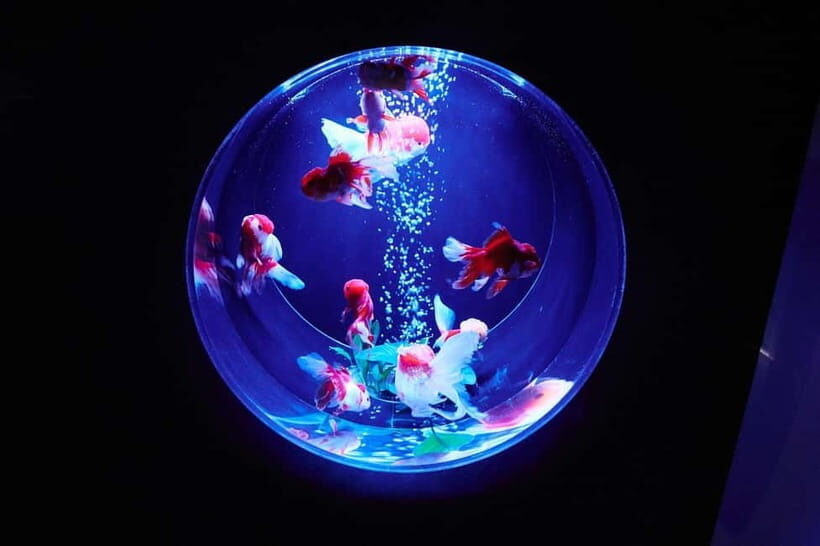
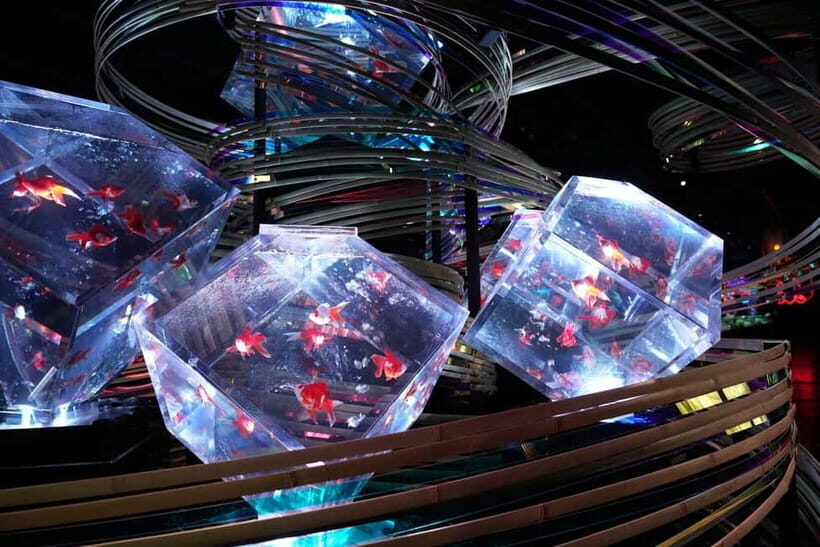
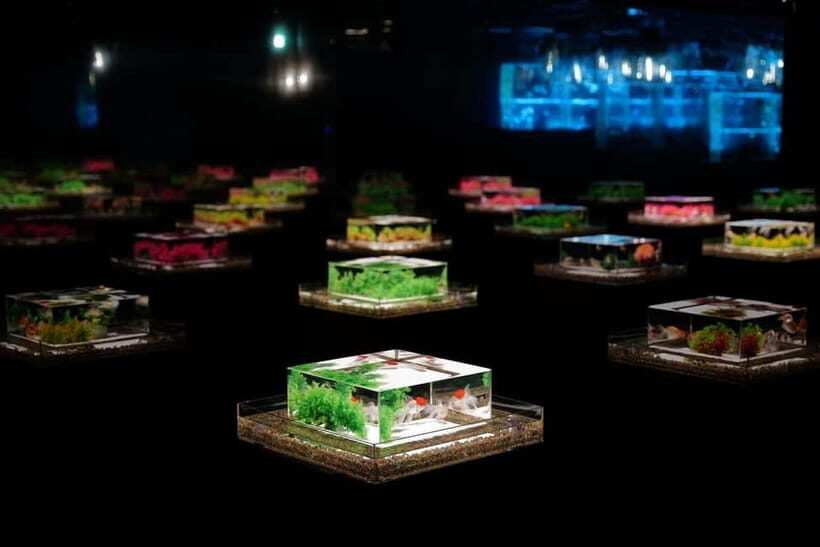
This museum’s main idea is simple but effective: it treats goldfish like art subjects. You’ll see goldfish displayed in aquarium setups that emphasize spatial presentation—how the tanks, lighting, and viewing angles work together.
Then comes the sensory layer:
- Light effects that change how the fish colors look
- Music in the background that makes the mood feel intentional
- Scent (aromatherapy-style) that you may notice as you move between spaces
I like this combination because it stops the usual aquarium pattern. Instead of only watching fish, you’re also reacting to the room itself. That sensory mix is also why this place tends to land well for people who like galleries and installations, not just animal exhibits.
One practical note: because photography is allowed but tightly controlled, the experience is designed to keep distractions low. That matters for the atmosphere.
Edo-Period Roots, Reframed for Today
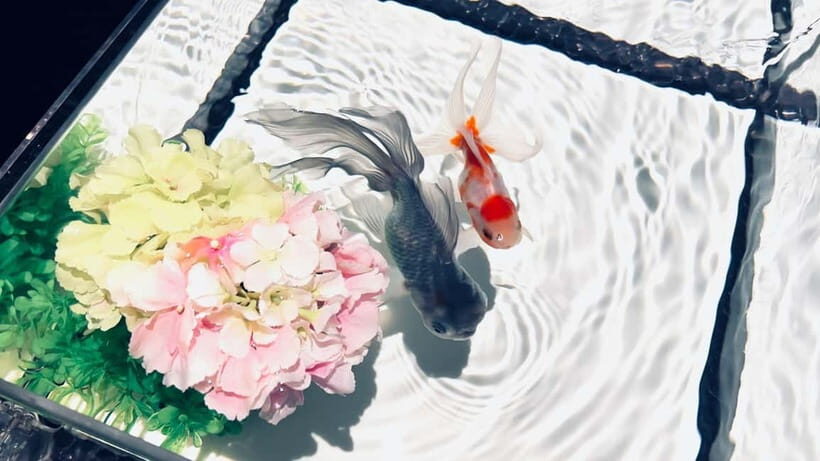
A big part of the concept is the museum’s modern take on Edo-period goldfish appreciation. Edo-era goldfish culture was about taste, aesthetics, and selection—how fish varieties and viewing experiences could become something closer to art.
Here, that idea is translated into modern museum language:
- You’re not only learning about goldfish; you’re experiencing goldfish as a visual design element.
- The displays are arranged so you can see variety in both color and form.
- The emphasis is on beauty, not just biology.
If you enjoy cultural context, you’ll probably appreciate that the museum provides information about the goldfish in English. It gives you a way to interpret what you’re seeing beyond “pretty fish.”
Seasonal Changes at a Permanent Venue
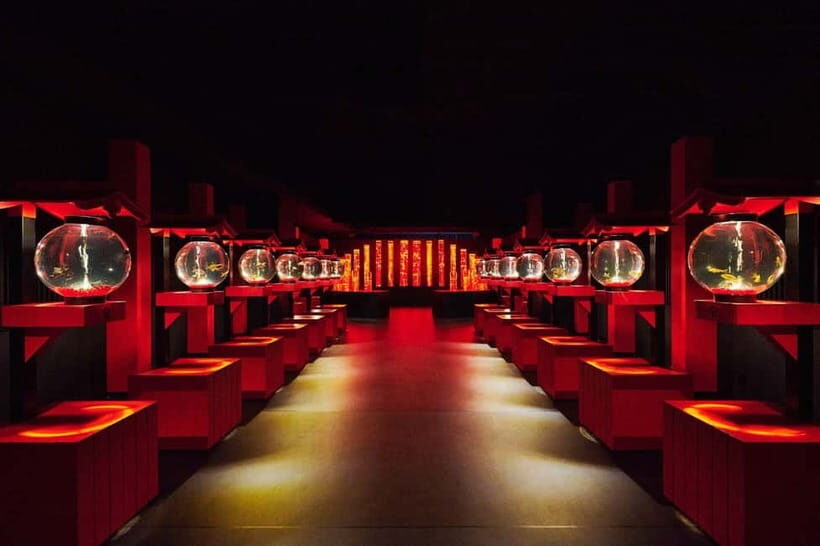
This is a permanent venue, but it changes through the year. So you’re not guaranteed the exact same experience every season.
This matters if:
- You’re visiting Tokyo in one specific month and want something that feels current
- You’re the type who likes to return to art spaces when the display changes
It also helps justify the ticket even though it’s not a rotating pop-up. The museum is designed to be revisited because the seasonal variation can change the look of the overall experience.
Photography Rules That Keep the Room Enjoyable
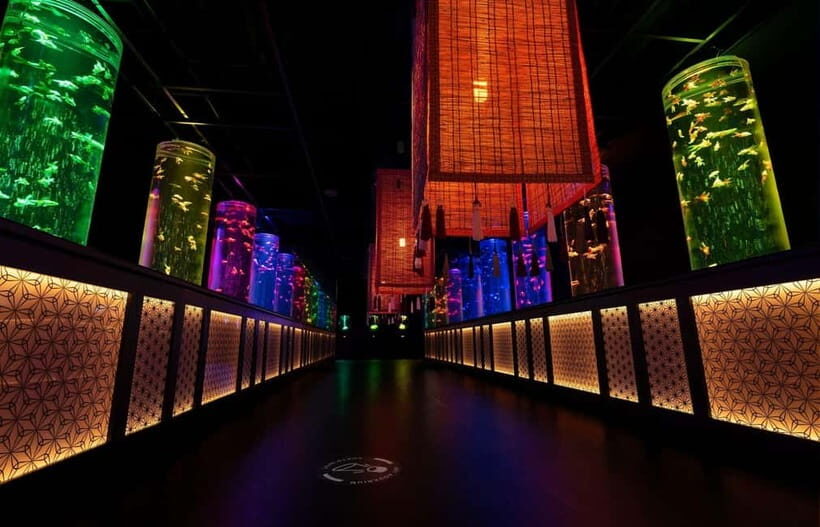
This is a popular place for photography. If you love taking pictures, you’ll likely appreciate the lighting and the clean, art-gallery feel.
Just follow the rules:
- Photography is permitted
- No tripods, monopods, or similar equipment
- No strobes or lighting equipment
Those restrictions aren’t just for permission—they help keep the space fair and calm. It means you can take good photos, but you can’t turn the museum into a production set.
Photo timing tip
If your schedule gives you a choice, an entry around late morning on a weekday style time window tends to feel less crowded. When fewer people are waiting at each display, you can work through photos at your own pace.
The Department Store Bonus: Gift Shop Souvenirs
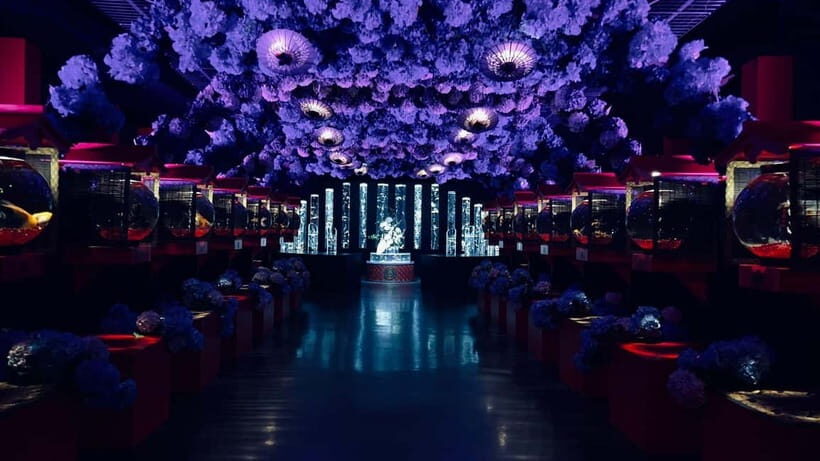
After you’ve seen the exhibits, the gift store is worth a few minutes. People tend to like it because it offers souvenirs that feel connected to the experience rather than generic “Tokyo goods.”
This is also a useful plan detail: you can turn a one-hour museum visit into a half-day block by pairing it with shopping or a snack in the department store.
Who This Experience Fits Best
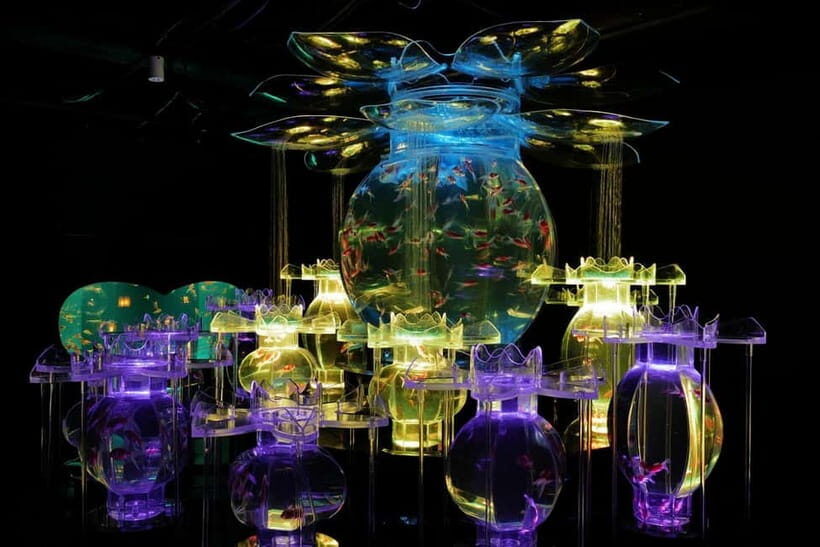
This museum is a strong match if you:
- Want a Tokyo activity that feels like art, not only animals
- Enjoy short, well-designed spaces with a clear concept
- Like photography but also want calm rules that prevent flash chaos
- Appreciate sensory details like light, sound, and scent
It’s less ideal if you:
- Need a big, sprawling attraction with lots of rooms and long walking time
- Prefer purely informational exhibits without mood-setting effects
- Expect a full “day of entertainment” without pairing it with other Ginza plans
Small Watch-Outs: What Could Affect Your Enjoyment
A few things to consider so you don’t get surprised.
It’s compact.
Plan for about an hour. If you’re hoping for a long museum day, this may feel short.
You’re in a controlled photo environment.
Tripods and strobes aren’t allowed, so if you use heavier gear, plan to shoot handheld.
You might react emotionally to how fish look up close.
One review flagged that some fish appeared to be in less-than-ideal condition. You may have different reactions depending on what you notice in the tanks. If animal well-being is a major concern for you, it’s smart to approach with awareness and focus on the experience rather than overanalyzing.
How to Add It to Your Ginza Day
Because it sits inside Ginza Mitsukoshi, you can build an easy sequence:
- Arrive at Ginza Mitsukoshi and check in on the 9th floor
- Spend roughly 1 hour moving through the light-and-scent spaces
- Finish with a gift shop stop and browse the department store
- Head back out into Ginza for snacks or a nearby cultural stop
That flexibility is a big part of the value. You’re not far from other attractions, and you can keep the day efficient.
Should You Book Art Aquarium Museum GINZA?
If you’re deciding yes or no, here’s my practical take.
Book it if: you want a Tokyo experience that feels like a modern art installation with a goldfish theme, includes light, music, and scent, and still works in a tight schedule. The English info, the seasonal variety, and the photography-friendly design make it a good “value per hour” choice.
Skip it or consider another option if: you’re expecting a massive aquarium experience, you hate sensory effects, or you’re traveling with the kind of plan that needs lots of walking time.
If your main goal is to get a memorable Ginza activity without committing your whole day, this one is a strong pick—especially when you can enter at a time when the museum feels calm.
FAQ
Where is Art Aquarium Museum GINZA located?
It’s inside Ginza Mitsukoshi, at 4-6-16 Ginza, Chuo-ku, Tokyo, with admission reception and same-day tickets on the 9th floor of the new building.
How do I get there by train?
You can use Ginza Station Exit A7 (Tokyo Metro Ginza/Marunouchi/Hibiya Lines), Ginza 1-chome Station Exit 9 (about a 5-minute walk from Tokyo Metro Yurakucho Line), or Higashi Ginza Station (about a 2-minute walk via the underground passage) toward Ginza Station.
How long should I plan for the visit?
The estimated viewing time is about 1 hour. The exhibition is described as compact, so many people plan for around 45 to 60 minutes.
What’s included with the ticket?
Your ticket includes the admission fee to the Art Aquarium Museum GINZA.
Is it free for children?
Yes. Up to two children under elementary school age may enter free of charge with one adult.
Can I take photos?
Yes, photography is permitted, but you can’t use tripods, monopods, or similar equipment, and you can’t use strobes or lighting equipment.
Is the ticket refundable?
No. The activity is non-refundable.
What if I’m unsure about closing days and hours?
Closing days and business hours may vary, and your ticket is valid for one day with specific starting times available. It’s best to check availability for the time you want.