REVIEW · HIROSHIMA
Hiroshima Peace (Heiwa) Walking Tour at World Heritage Sites
Book on Viator →Operated by MagicalTrip Inc. · Bookable on Viator
Hard lessons, gently guided, in Hiroshima. This Hiroshima Peace Walking Tour focuses on the places that shape how the city remembers the atomic bombing, with stops that go beyond the famous photos. I like how the route pairs the Peace Memorial Museum with quieter memorials like the Children’s Peace Monument, and I also like that you get time for lunch with your guide. One possible drawback: the museum can get very crowded, and that can make it harder to see every exhibit at the pace you want.
This tour is run by MagicalTrip and led by a MagicalTrip Certified Guide, with strong quality control (and lots of repeat love in the reviews). For $94.84, you’re not just buying entry tickets—you’re buying context, pacing, and time to look without feeling lost. The biggest practical thing to know up front is that the walking is not ideal for mobility limits, and some food needs (like gluten-free) can’t be handled.
In This Review
- Key Things I’d Prioritize Before You Book
- Hiroshima Peace Walking Tour: What You’re Really Buying With $94.84
- Where the Route Starts and Ends (and Why It Helps)
- The 5-Hour Flow That Keeps You From Feeling Rushed
- Stop 1 and 2: Peace Memorial Park and Museum
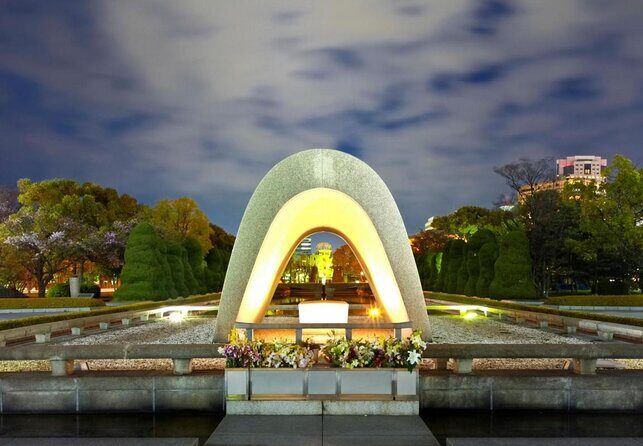
- Cenotaph for Atomic Bomb Victims: A Short Stop With Big Weight
- Children’s Peace Monument: Why It Sticks in Your Mind
- Atomic Bomb Dome: The Photo Moment That Shouldn’t Be a Snap-and-Go
- Orizuru Tower Lunch: Views, Contrast, and a Breather
- Guides Make the Day: What the Best Tours Share in Common
- Price and Value: What’s Included (and What You’ll Need to Pay Extra For)
- Weather, Crowds, and Your Comfort Plan
- Who This Tour Fits Best
- Should You Book This Hiroshima Peace Walking Tour?
- FAQ
- How long is the Hiroshima Peace Walking Tour?
- What sites do we visit during the tour?
- What is included in the price?
- What is the group size?
- Is the tour suitable for people with mobility issues?
- Can the tour accommodate gluten-free requests?
- How are allergies handled?
- Is the tour dependent on weather?
Key Things I’d Prioritize Before You Book
- World Heritage morning to observatory finish: you move from Peace Memorial Park to Atomic Bomb Dome, then up to Orizuru Tower for modern-city contrast
- Small group size (max 8): easier questions, less rushing, and more respectful quiet time at memorials
- Lunch included with your guide: good for slowing down and understanding what you just saw
- Memorial Park stops that many tours skip: Children’s Peace Monument and the Cenotaph for Atomic Bomb Victims
- Tour photos included: a low-effort way to document the day without crowding your camera moments
Hiroshima Peace Walking Tour: What You’re Really Buying With $94.84
At $94.84, this is not a budget throw-together. You’re paying for three things that matter in Hiroshima: access (admissions for the Peace Memorial Museum and Orizuru Tower), an organized route, and guided interpretation that helps you connect the sites.
The lineup is also smart. If you try to self-tour, you can end up seeing the famous spots but missing the meaning between them—the why behind the cenotaph, how the Children’s Peace Monument reframes the tragedy, and what the Atomic Bomb Dome represents long after the blast.
What you get feels like a guided “read the city” experience: you start in the museum and park, you honor victims at the memorials, you pause at the Dome, then you look back out over Hiroshima from Orizuru Tower. That last contrast is where a lot of people feel the city’s resilience in a very real way.
You can also read our reviews of more walking tours in Hiroshima
Where the Route Starts and Ends (and Why It Helps)
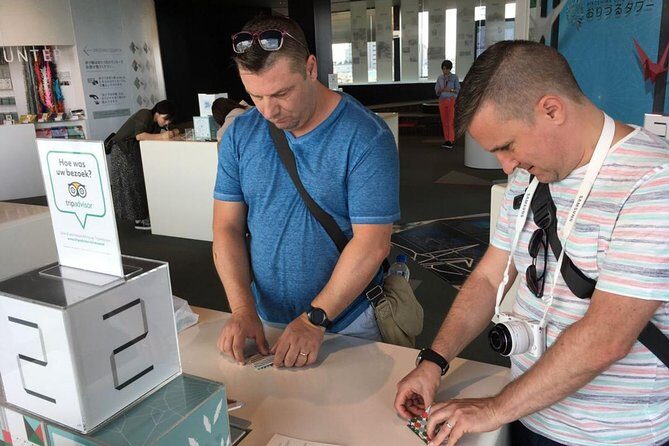
The tour starts at MontbellJapan in Kamiyachō, Hiroshima. That’s a helpful anchor because it’s right in the city center area and near public transit—less time wrangling trains, more time focusing on what you came for.
The tour ends near the Orizuru Tower area, at SOUVENIR SELECT HitotoKi inside the tower zone, and the experience also notes it finishes near Chishaku-in Temple. In practice, that’s useful: after your peace walk, you can continue sightseeing nearby without having to reposition far.
Also note the pacing: it’s listed as about 5 hours, and the walking is described as easy enough that many people mention a relaxed pace. That matters here. You don’t want a sprint through places this emotionally heavy.
The 5-Hour Flow That Keeps You From Feeling Rushed
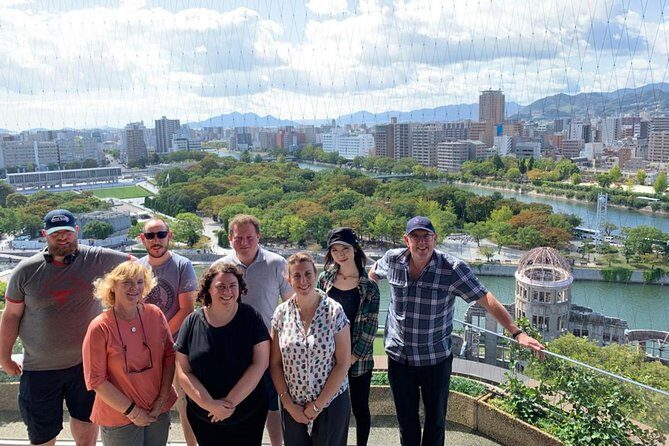
This tour moves like a well-timed conversation:
1) You enter Peace Memorial Park and start absorbing the setting.
2) You spend a solid chunk inside the museum.
3) You step through the memorials outside—short pauses that build meaning.
4) You reach the Atomic Bomb Dome for a strong visual anchor.
5) You end with lunch up at Orizuru Tower, with a wide view of modern Hiroshima.
The timing is intentional. If you skip the museum first, you can end up treating the Dome like a landmark only. If you do it after the Dome, the museum can feel like a second, separate visit. Here, the museum comes early, so the outdoor memorials land with more context.
The group size is capped at 8. That small number tends to reduce the “herding” feeling and makes questions easier—especially at places where you may want to understand what you’re seeing before you move on.
Stop 1 and 2: Peace Memorial Park and Museum
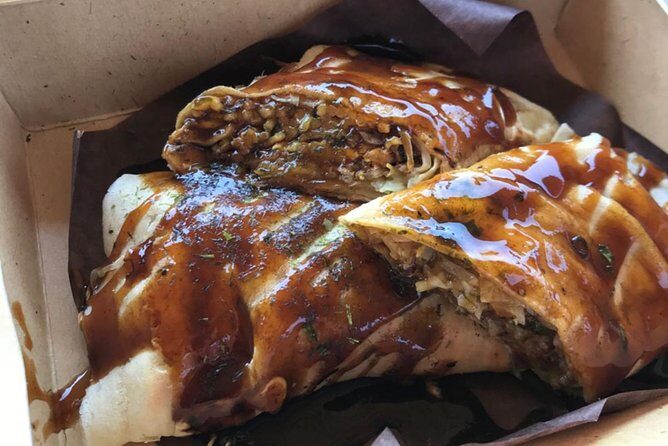
You begin at Hiroshima Peace Memorial Park, where you visit the Peace Memorial Museum and Park. Even early on, this place sets a tone: it’s not just about the day of the bombing; it’s about how the city remembers, grieves, and rebuilds.
The museum visit is about 1 hour. That’s enough to grasp the broad story, but it’s also where crowds can affect you. One common complaint is that the museum got too busy and people couldn’t see every exhibit they wanted—especially if you’re aiming for a very specific highlight area.
What to do with that reality: if your top priority is seeing particular exhibits, give yourself a little flexibility. Even if the tour is well-run, peak crowding can change what you can cover in an hour. If you’re traveling at a busy time, go in with the goal of understanding the overall story, not checking every box.
Still, the museum is where the tour’s value really shows. The guide’s job is to connect what you see to why it matters—so your eyes don’t just scan text panels.
Cenotaph for Atomic Bomb Victims: A Short Stop With Big Weight
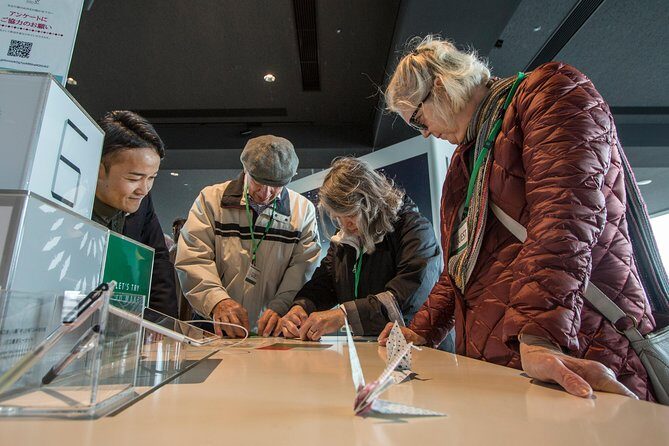
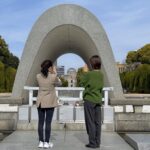
After the museum, you move to the Cenotaph for the Atomic Bomb Victims. The stop is brief (around 5 minutes), but it’s the kind of moment where “brief” is exactly right.
This part works because you’re not just walking past a monument. The guide explains what it represents—honoring victims and giving you a focal point for reflection. When you’ve just come from the museum, the cenotaph becomes less like an object and more like a human pause.
If you’re the type who gets “museum fatigue,” this is a nice reset. You can absorb something quieter after the museum’s heavier information.
You can also read our reviews of more historical tours in Hiroshima
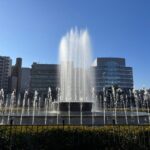

Children’s Peace Monument: Why It Sticks in Your Mind
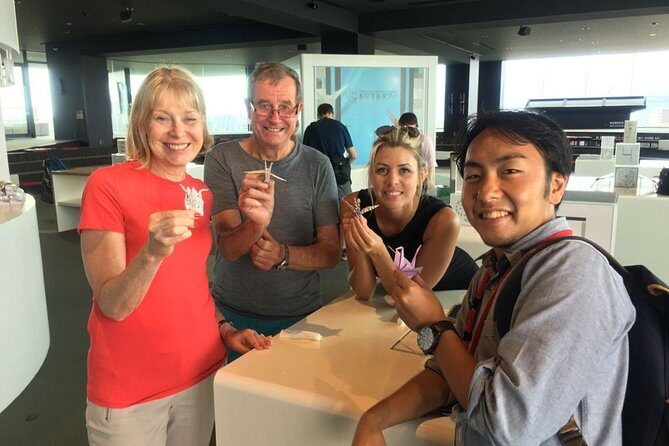
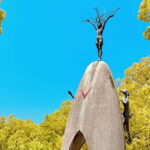
Next is the Children’s Peace Monument. This stop lasts about 10 minutes, and the guide explains what the monument means in Hiroshima’s peace message.
This is one of the reasons the tour feels more complete than a quick highlights circuit. Many Hiroshima visits get stuck on the bombing itself. This stop pushes you to think about the future that Hiroshima’s memorial culture tries to protect—how the tragedy is framed as a warning directed at the world, not just a local past.
It’s also a good stop if you’re traveling with mixed ages and want something that feels focused rather than overwhelming. Still, keep in mind the tour notes some exhibits can contain graphic imagery, so it’s worth checking your own comfort level for the museum.
Atomic Bomb Dome: The Photo Moment That Shouldn’t Be a Snap-and-Go
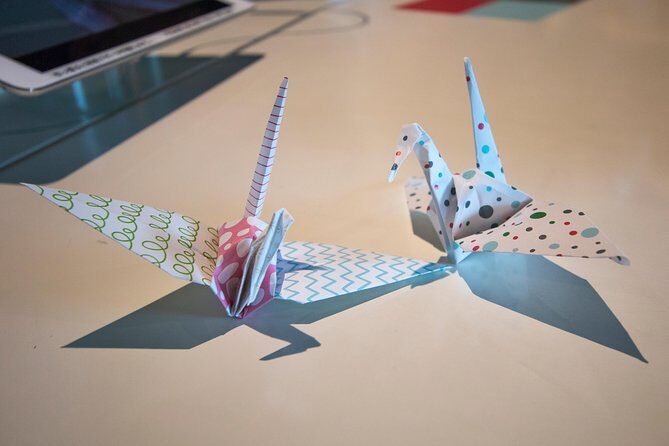
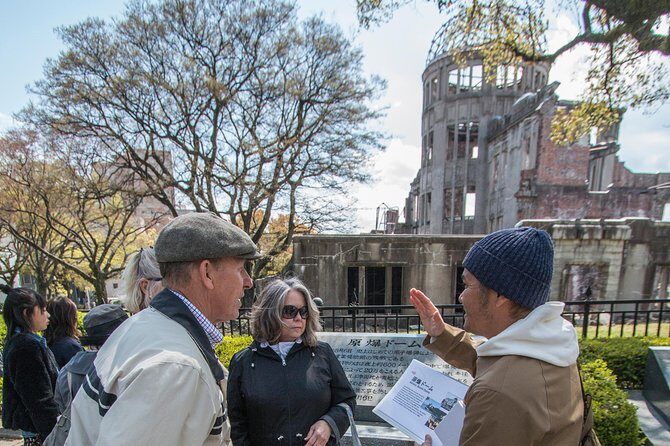
Then you arrive at the Atomic Bomb Dome, also known as part of the Hiroshima Peace Memorial. You’re there about 15 minutes, which is enough for a proper look when the group stays respectful and the guide keeps the conversation on track.
This is the stop people recognize instantly. What you might not expect is how the guide helps you look past the postcard framing. The Dome isn’t just a structure. It’s a visible reminder of what happened at 8:15 on August 6, 1945—and what Hiroshima chose to build afterward.
If you’re someone who likes photographs, you’ll like that tour photos are included. That helps you get documentation without spending all your time maneuvering for the perfect angle while the group waits.
One practical note: the Dome area can be busy, and that can affect your ability to linger. The best strategy is to let the guide’s explanation guide where you stand and what you notice—then you’ll get more out of those 15 minutes than you would trying to “see everything” at once.
Orizuru Tower Lunch: Views, Contrast, and a Breather
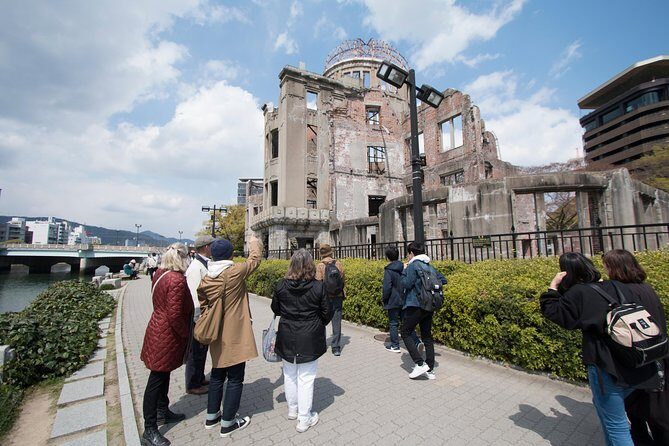
The final major stop is Hiroshima Orizuru Tower. You go up for panoramic views of modern Hiroshima, and you have lunch with your guide at the top.
This is a smart finish. After memorials and museum time, the view gives your brain a chance to reorient. You look at the city now—busy, rebuilt, alive. The contrast is exactly what makes Hiroshima hit differently: remembrance is ongoing, but life continues.
Lunch is included, and it’s part of why the tour feels smoother than self-guiding. Eating with your guide turns the meal into a conversation, not just downtime.
Food caveats are important though. The tour states:
- gluten-free requests can’t be accommodated
- allergy-free guarantees aren’t possible because substitutions depend on local kitchens
- vegetarian options may be limited
- if you have dietary requests or allergies, you should inform the operator at least one day before the tour
So if food restrictions are tight, plan ahead and message early.
Guides Make the Day: What the Best Tours Share in Common
The guide is the real difference-maker on this kind of tour. In the feedback, multiple guides are praised for how they handle emotion, pacing, and context. Names that come up include Yuji, Kinnei, Kaori, Yasue, Hiro, Etsko, Mariko, Mizu, Tommy, and Angela.
While each person brings their style, the consistent strengths are practical:
- They help you understand what you’re seeing instead of leaving you to decode signs alone
- They manage the group so you don’t rush through the hardest moments
- They answer questions clearly, and they do it without turning a solemn day into a lecture
One review even highlights that the guide brought a human side to the history through personal stories and careful explanation. That’s what makes the walking tour feel less like a checklist and more like a guided understanding of Hiroshima’s resilience.
Price and Value: What’s Included (and What You’ll Need to Pay Extra For)
Your ticket includes:
- entrance fees for the Peace Memorial Museum and Orizuru Tower
- lunch
- a MagicalTrip Certified Guide
- tour photos
What’s not included is additional food and drinks. That matters in two ways:
1) If you’re craving snacks or beverages outside lunch time, you’ll pay for them yourself.
2) If you have specific dietary needs beyond what the tour can handle, you may need to bring a backup plan.
Still, for many visitors this price feels fair because the admissions + organized guiding + lunch usually costs more if you piece it together. Also, the small group size keeps your time efficient. This is one of those places where time saved is emotional energy saved.
Weather, Crowds, and Your Comfort Plan
Hiroshima can be intense. The tour notes that summer can be extremely hot and humid, with temperatures reaching up to 40°C (110°F), and winter lows can drop to -5°C (20°F).
Bring water and a hat in summer. Even a gentle walk can feel like a workout in heat. If you’re visiting in colder months, dress for real cold.
Crowds are the other factor. The museum can be very busy, and that can limit what you’ll personally see. If that would stress you out, aim for a quieter season or go in with the mindset that you’re there for meaning, not exhaustive coverage.
Also, this tour isn’t recommended for people with mobility issues. If walking is hard for you, a private tour is suggested.
Who This Tour Fits Best
This works best if you want:
- a guided route through major Hiroshima peace sites without figuring out logistics
- a respectful pace that leaves room for reflection
- context that turns monuments into meaning
- a final viewpoint from Orizuru Tower, not just a museum-and-go day
It’s also a strong choice for first-timers to Hiroshima who want the core experiences at World Heritage sites in one organized window.
If you want lots of free time for wandering on your own, or you’re hoping for a strictly self-paced schedule, you may feel constrained. That said, the group is small, and the overall flow is designed to reduce rushing.
Should You Book This Hiroshima Peace Walking Tour?
I’d book it if you want the practical benefits of a guided route and the emotional benefits of a thoughtfully paced day. The included museum and Orizuru Tower admissions, the lunch, and the tour photos add real value. And the strongest theme in the guide feedback is not just facts—it’s how the guides help you connect history to real people and real choices.
I’d think twice (or plan extra carefully) if:
- you have gluten-free needs or complicated allergies
- you need mobility-friendly accommodations
- you’re visiting at peak museum crowd times and you require access to specific exhibits beyond the standard flow
If your priority is a guided, respectful understanding of Hiroshima’s peace story—Peace Memorial Park through the Atomic Bomb Dome and out to modern views—you’ll likely feel glad you went with a small-group tour.
FAQ
How long is the Hiroshima Peace Walking Tour?
The tour is listed at about 5 hours.
What sites do we visit during the tour?
You’ll visit Hiroshima Peace Memorial Park (including the Peace Memorial Museum), the Cenotaph for Atomic Bomb Victims, the Children’s Peace Monument, the Atomic Bomb Dome, and Hiroshima Orizuru Tower for lunch and views.
What is included in the price?
Entrance fees for the Peace Memorial Museum and Orizuru Tower are included, along with lunch, a MagicalTrip Certified Guide, and tour photos.
What is the group size?
The maximum group size is 8 travelers.
Is the tour suitable for people with mobility issues?
The tour is not recommended for individuals with mobility issues. If walking is difficult for you, the data suggests booking a private tour.
Can the tour accommodate gluten-free requests?
No. Gluten-free requests can’t be accommodated for this tour.
How are allergies handled?
The tour notes it cannot guarantee allergy-free service, because food is prepared in kitchens that do not belong to MagicalTrip. It also says substitutions may not be possible at certain stops. If you have dietary requests or allergies, you should inform the operator at least one day before the tour.
Is the tour dependent on weather?
Yes. The activity requires good weather. If it’s canceled due to poor weather, you’ll be offered a different date or a full refund.