REVIEW · HIROSHIMA
Hiroshima: Miyajima Half-day Historical Walking Tour
Book on GetYourGuide →Operated by MagicalTrip · Bookable on GetYourGuide
Miyajima turns history into a short, memorable walk. The ferry ride frames the O-Torii, and the tide-ready Itsukushima Shrine feels almost weightless above the water. I also love the Hiroshima lunch, with fresh oysters and fried momiji dumplings. One consideration: you’ll cover a lot on foot (plus a ferry), so it’s harder if you’re dealing with mobility limits or seasickness.
This half-day tour runs about 330 minutes with a live English guide in a group capped at 7, which makes it easier to ask questions and take photos without feeling herded. You start at JR Miyajimaguchi, meet your guide outside the coin lockers, and then work your way from the shrine area toward Daisho-in and the island’s quieter corners.
In This Review
- Key highlights that make this tour worth your time
- Getting to Miyajima: ferry views and the exact meeting-point
- O-Torii by the shore: how the icon looks when water changes everything
- Itsukushima Shrine: a World Heritage site built to handle tides
- Lunch in Hiroshima style: oysters, fried momiji dumplings, and smarter choices
- Daisho-in’s 1,200-year temple complex: a walk that turns scenic quickly
- Momijidani, Senjokaku, and a quieter island stop
- Tea/coffee in the forests and the souvenir street wind-down
- Small-group pacing, guides, and what you get with the ticket price
- Price and logistics: the stuff that changes how good the day feels
- Practical tips so your walking day stays enjoyable
- Should you book the Hiroshima: Miyajima Half-day Historical Walking Tour?
- FAQ
- How long is the Hiroshima: Miyajima Half-day Historical Walking Tour?
- Is the ferry ticket included?
- What is included in the price besides the guide?
- Can I choose a vegetarian or vegan lunch?
- Is the tour wheelchair or stroller accessible?
- Can I cancel and get a full refund?
Key highlights that make this tour worth your time
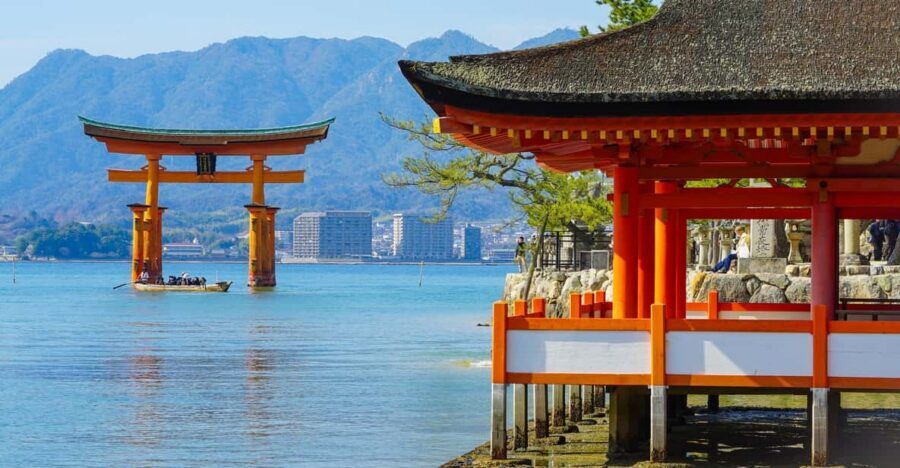
- Seto Inland Sea + O-Torii views from the ferry and around the shoreline
- Itsukushima Shrine’s tide-proof design, built during the Heian period
- Museum stop that explains Miyajima life and culture, not just what to photograph
- Hiroshima Prefecture lunch featuring local specialties like oysters and fried momiji dumplings
- Daisho-in’s 1,200-year temple complex, plus statues and mountain-path scenery
- Tea/coffee in the forest to slow the pace before you head back and shop
Getting to Miyajima: ferry views and the exact meeting-point
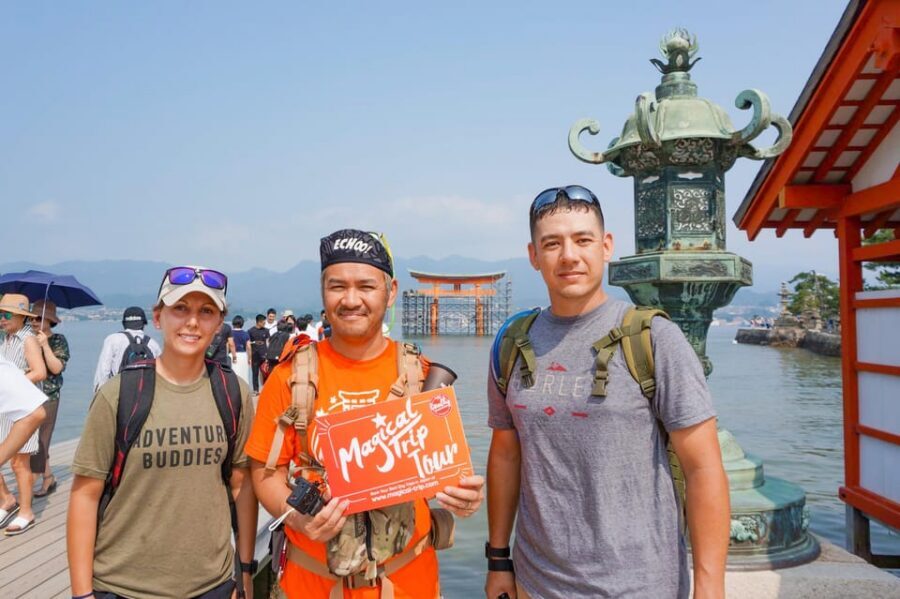
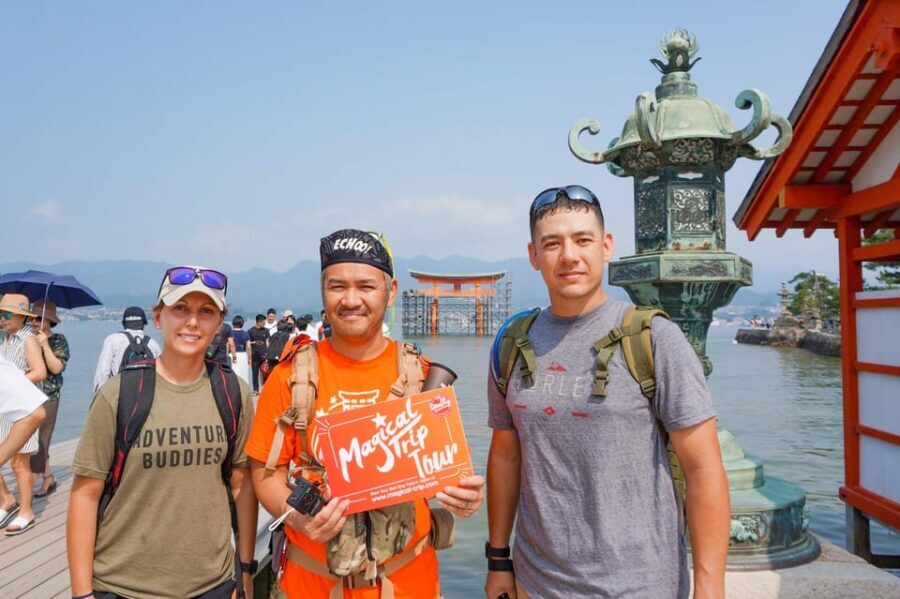
You’ll begin at 1-chōme-3-23 Miyajimaguchi, right outside JR Miyajimaguchi Station. The guide meets you in front of the coin-operated locker area, holding a board that says Magical Trip. From Hiroshima, getting to Miyajimaguchi typically takes around 30 minutes by JR Sanyo Line, and this matters because you’ll want to arrive with enough energy for walking once you’re on the island.
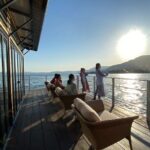
Then comes the ferry ride. It’s not included, so plan on paying cash—one note lists the ferry at JP¥500, while another says JP¥360. Either way, bring some spare yen. If you get motion sick, treat the ferry as the main risk point: it’s short, but it’s real water time.
Once you arrive, you’ll be greeted by deer. That sounds like a “tourist detail,” but it’s actually part of Miyajima’s daily rhythm—wildlife here lives alongside the sacred sites, so you’ll notice them throughout the day.
You can also read our reviews of more walking tours in Hiroshima
O-Torii by the shore: how the icon looks when water changes everything
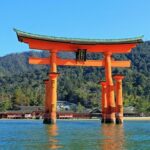
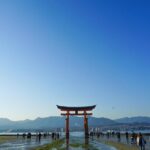
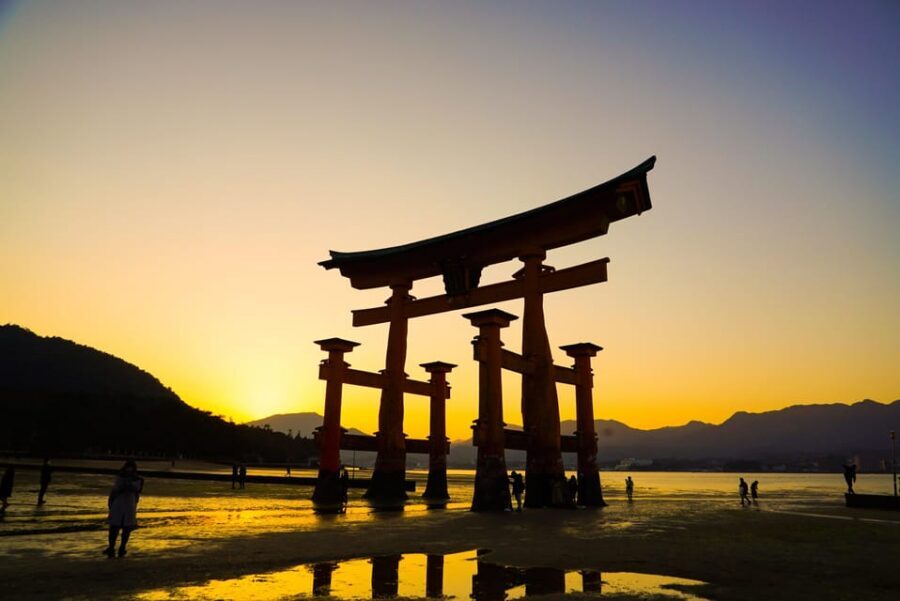
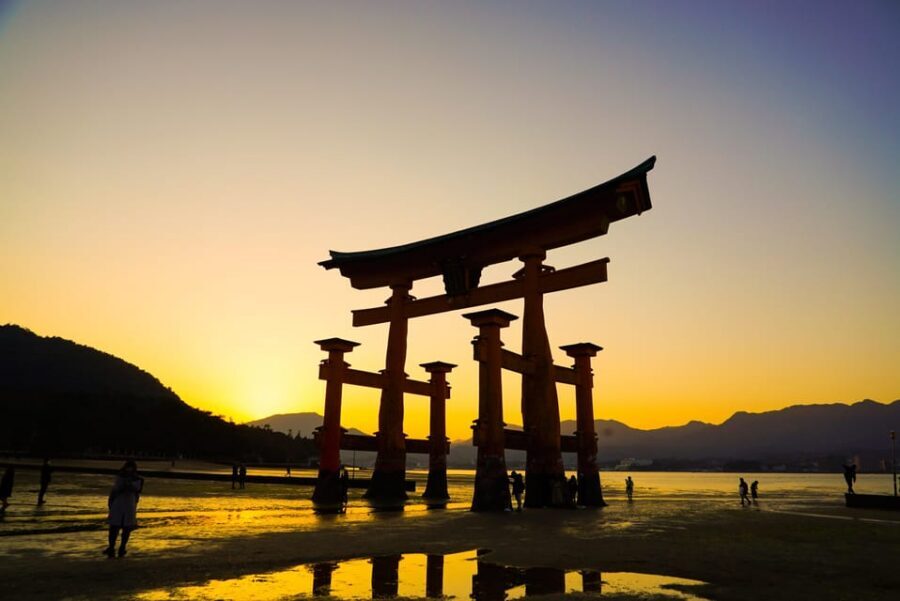
The O-Torii (the Grand Torii Gate) is Miyajima’s signature, and you’ll see it more than once in your day. First, you get that instantly recognizable view from the Seto Inland Sea ferry ride. Later, you walk toward the gate itself along the coastal route.
Here’s the practical value of having a guide: the torii and the shoreline setting change with the tide, and timing affects what you see. One reason this tour gets strong marks is that it’s set up to experience the shrine area in different tidal moments—so the torii doesn’t just become a single “in one pose” photo. It becomes part of how the landscape works.
Also, don’t underestimate the ground conditions. Paths near the water and temple approaches can be uneven or a bit muddy after rain. I’d rather you show up with good walking shoes than spend the day negotiating traction.
Itsukushima Shrine: a World Heritage site built to handle tides
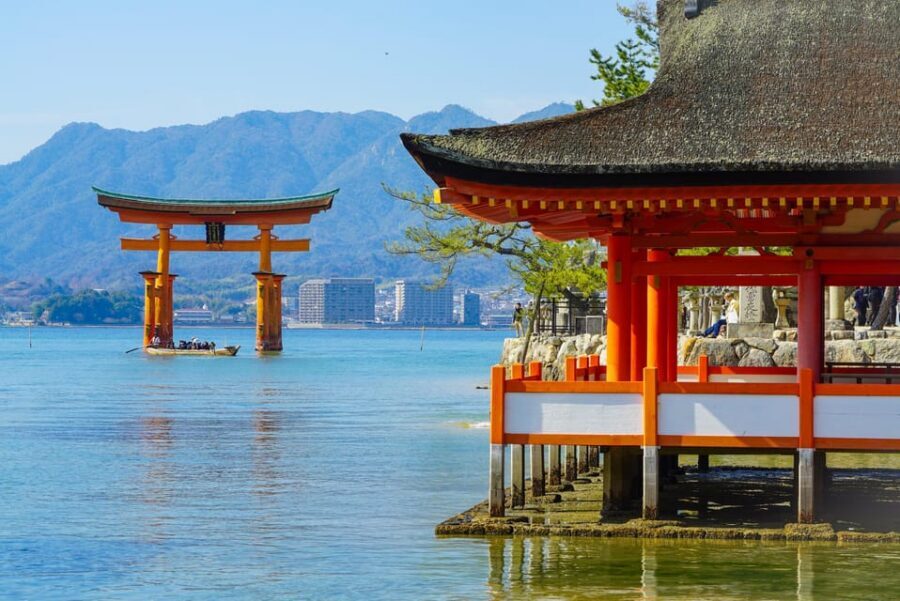
Itsukushima Shrine is the big spiritual centerpiece here, and it’s registered as a World Heritage Site. What makes it more than just a pretty stop is how it’s designed. The distinctive architecture—constructed during the Heian period (794–1192)—is built to tolerate the rhythm of the sea: ebb and flow, wet and dry.
When you’re there, you’ll walk through the shrine area with your guide explaining what you’re seeing and why it matters. The tour also includes a museum visit focused on Miyajima’s life and culture. I like this part because it takes the day from sightseeing to understanding. You’ll get context for the island’s beliefs and the way Shinto and daily life intertwine here.
Even if you’ve seen shrine photos before, this is one of those places where real scale and location change your interpretation. A torii and a shrine can look “flat” online. On Miyajima, they feel tied to place—water, weather, wood, and ritual.
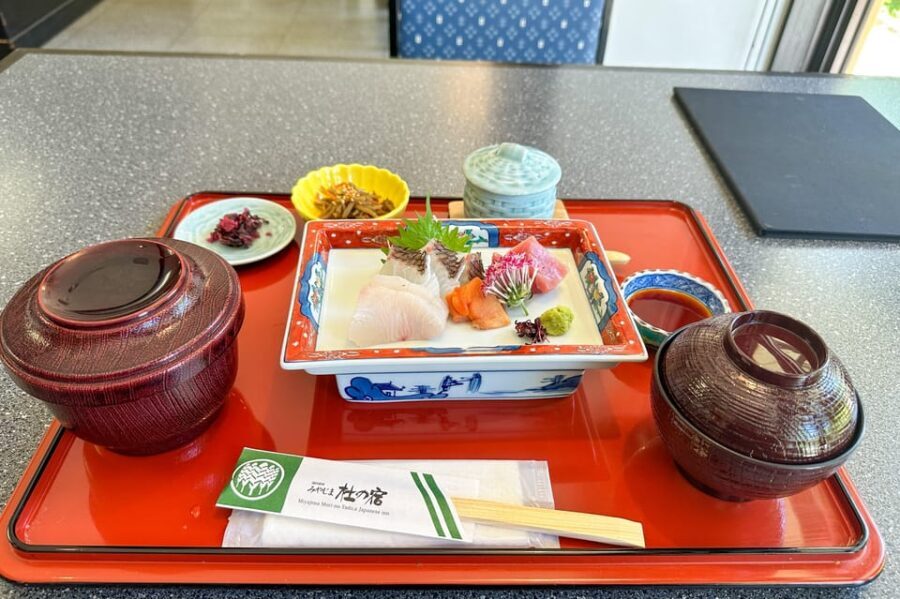
Lunch in Hiroshima style: oysters, fried momiji dumplings, and smarter choices
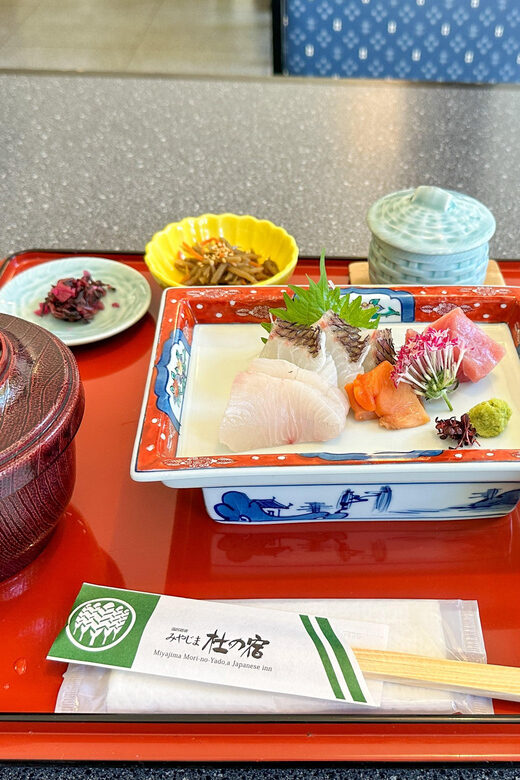
Food is built into the pacing, and it’s not just a checkbox. After the shrine/museum portion, you’ll enjoy a local lunch made from Hiroshima Prefecture ingredients. Expect Miyajima favorites such as fresh oysters and fried momiji dumplings. If you’ve had plain dumplings elsewhere, these are worth trying because the flavor is tied to how locals eat and snack.
Value-wise, having lunch included with a guide is a big win. It saves you from the guesswork of which spot is good, which dishes match what you actually want, and where you can eat without losing too much time. You’ll also get the benefit of someone translating the food moment into culture—how people eat, what makes the ingredients local, and what to order without second-guessing.
Two practical notes:
- Vegetarian/vegan options exist, but they’re limited, so don’t wait until the last second if you have dietary needs.
- Allergy-free guarantees aren’t promised, because the food prep happens in kitchens outside MagicalTrip. If you’re dealing with serious allergies or strict diets, plan extra caution and consider eating more carefully outside the included meal when needed.
One more reality check: Japan’s staffing challenges have hit the restaurant side, so service can run slow at times. The operator flags this because delays may extend the tour beyond the planned schedule. If you’re trying to catch a strict train right after, build in buffer time.
Daisho-in’s 1,200-year temple complex: a walk that turns scenic quickly
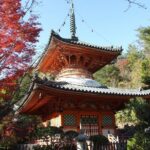
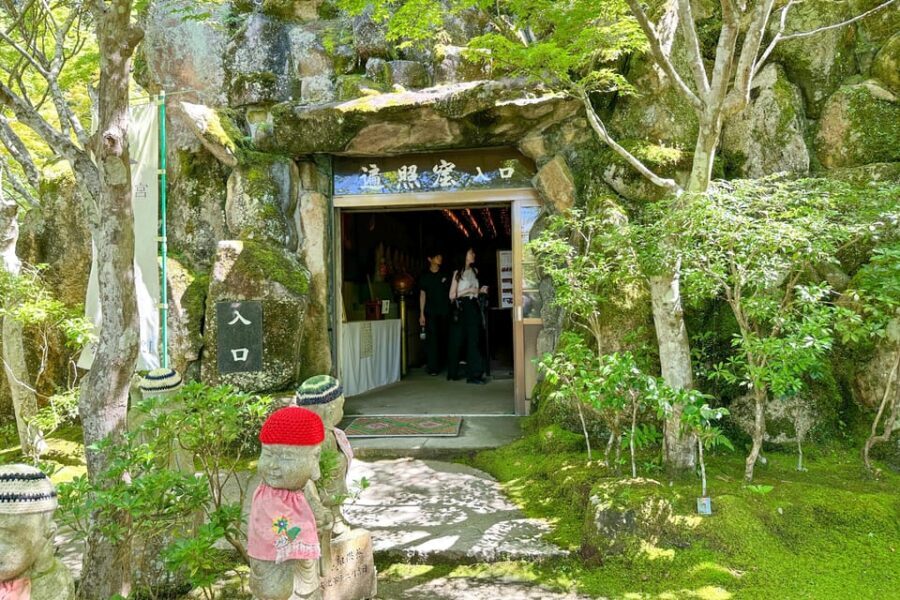
Next is Daisho-in, described as the island’s oldest with about 1,200 years of history. This stop is where Miyajima shifts from shoreline drama to hillside calm. You’ll head along a mountain path with views and the feeling of leaving the busiest zone behind.
Daisho-in includes multiple elements—temples, historic statues, and a layout that rewards slow walking. Your guide explains the temple’s past and how faith on Miyajima evolved. I like stops like this because they teach you what to look for: the logic behind where things are placed, and what religious symbolism meant to people over time.
The main drawback is simple: you’ll be walking uphill and across grounds that aren’t designed for everyone. If you have back issues, heart concerns, or low fitness, this is the moment where you’ll feel it most. If you’re generally healthy but just want comfort, bring shoes with grip and expect a bit of climbing.
You can also read our reviews of more historical tours in Hiroshima

Momijidani, Senjokaku, and a quieter island stop
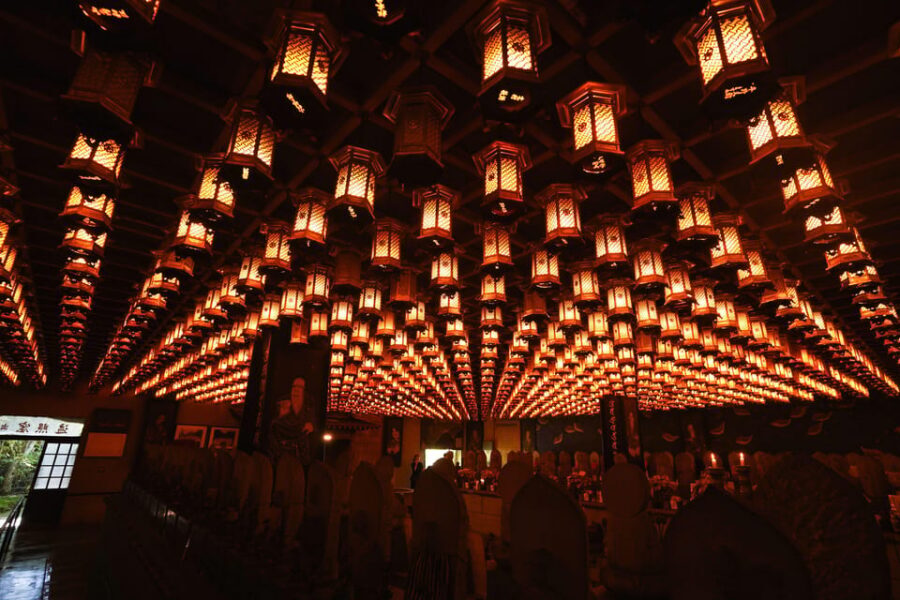
After Daisho-in, the route continues with additional points that round out the day:
- Momijidani (about 10 minutes): a short, scenic introduction to another side of the island’s temple area. It’s not a long stop, but it breaks up the longer walking segments.
- Senjokaku Pavilion (about 20 minutes): another major religious site. Even without staying for hours, it helps you understand Miyajima isn’t only one shrine—it’s a layered network of sacred places.
- A hidden gem stop (about 1 hour): the schedule gives this part time on purpose, which usually means you get a quieter experience tied to traditional island life. Expect traditional Japanese architecture, gardens, and crafts as part of the slower moment.
This mix is one of the reasons the tour works well for first-timers. If you only do the headline sites, Miyajima can feel like a photo mission. Here, you get variety—sacred buildings, craft-like details, and the feeling of time moving differently on a small island.
Tea/coffee in the forests and the souvenir street wind-down
The closing section is about rhythm. After the temples and cultural stops, you’ll have tea or coffee in a calm setting surrounded by nature and forests. It’s a good time to breathe, ask last questions, and absorb what you saw without rushing to the next photo angle.
Then you’ll end around a souvenir shop street area. This is a practical finish: you’re not sprinting straight from a sacred site to transportation. You get a gentle landing, and you can pick up small Miyajima souvenirs while the day is still fresh in your mind.
Small-group pacing, guides, and what you get with the ticket price
You pay $106 per person for a half-day experience that includes:
- A local English guide
- Entrance fees to the shrines, temples, and museum stops
- Local lunch
- Tour photos
That “entrance fees included” piece matters more in Japan than many people expect. Shrines and temple complexes can stack up quickly, and tickets slow you down when you’re traveling on your own. With a guide, you’re also less likely to misread what you’re looking at or miss the point of a building.
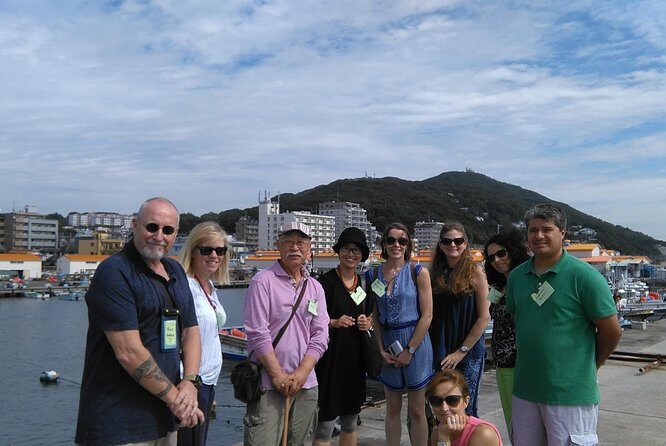
Group size is capped at 7 participants, which shows up in the feel of the day: you’re not constantly stopping for a big crowd. It also makes it easier to get photos, and it helps the guide tailor pacing for the group.
Guide quality is a major theme in the feedback. Names that come up include Kaz, Yuji, Eri, Kiki, Hika, Maire, Rio, and Shun—and the common thread is that the guides tend to be friendly, story-forward, and willing to answer questions about shrine/temple meaning and everyday life on Miyajima.
Price and logistics: the stuff that changes how good the day feels
Let’s talk value honestly. The $106 price includes a lot, but it doesn’t include the ferry. That’s normal and fine—just don’t forget it. Bring cash for the ferry (listed as JP¥500 and also mentioned as JP¥360 in another note), plus cash for extra snacks and drinks if you want them.
Also note:
- Some stops are not accessible by wheelchair or stroller, because parts of the route include areas that are difficult to navigate.
- You should avoid this if you have seasickness (ferry), back problems, heart problems, high blood pressure, or low fitness.
- Gluten intolerance is listed as a reason it may not suit you, and allergy guarantees aren’t provided.
Finally, summer in Japan can be brutal. The operator specifically recommends water and a hat because hot and humid conditions can raise heat-stroke risk. That’s not just “comfort advice.” It’s trip insurance.
Practical tips so your walking day stays enjoyable
Here’s what I’d do to make the day feel easy from start to finish:
- Wear good, grippy walking shoes. The island can be muddy, especially if it’s rained.
- Bring a hat and water for summer heat and humidity.
- Pack a small cash stash for the ferry and extras since the tour meal won’t cover every snack.
- If you’re sensitive to motion, plan for the short ferry ride as the main seasickness risk.
- Expect a day with some stairs and uphill sections, especially around temple approaches.
If you want a calmer vibe, plan your expectations too: this is a half-day walking tour. You’ll see a lot, but you won’t be lingering like someone on a slow pilgrimage with hours to spare.
Should you book the Hiroshima: Miyajima Half-day Historical Walking Tour?
Book it if you want Miyajima done right in one shot: ferry-to-torii views, the tide-ready Itsukushima Shrine, the museum context, a lunch that actually tastes like Hiroshima Prefecture, and temple time at Daisho-in plus a few extra cultural stops. The small group size, entrance fees included, and included lunch/photos make it feel efficient without being rushed.
Skip it (or reconsider) if you have mobility limits, heart/back issues, get seasick on boats, or need strict gluten/allergy accommodations that can’t be reliably handled. If your main goal is a relaxed scenic day with minimal walking, Miyajima may be better as an on-your-own exploration.
If you’re unsure, this is a great choice for a first trip to Hiroshima’s island standout—especially when you want the experience explained, not just photographed.
FAQ
How long is the Hiroshima: Miyajima Half-day Historical Walking Tour?
The tour duration is 330 minutes (about 5.5 hours).
Is the ferry ticket included?
No. The ferry ticket is not included. The ferry fee is listed as JP¥500, and another note mentions JP¥360, so bring enough cash.
What is included in the price besides the guide?
Your ticket includes a local guide, entrance fees to the shrine/temple/museum stops, a local lunch, and tour photos.
Can I choose a vegetarian or vegan lunch?
Vegetarian and vegan lunch options are available, but they are limited.
Is the tour wheelchair or stroller accessible?
Some locations on the tour are not accessible by a wheelchair or stroller.
Can I cancel and get a full refund?
Yes. Free cancellation is available up to 24 hours in advance for a full refund.