REVIEW · FUJIKAWAGUCHIKO MACHI
Ramen Cooking Class at Lake Kawaguchiko (Short Course)
Book on Viator →Operated by Japan food entertainment Ltd · Bookable on Viator
Ramen by Mt. Fuji sounds like a dream. This one-hour hands-on ramen class has you kneading and cutting fresh noodles, then using a real noodle cooker to boil what you made. The payoff is simple: you get to eat your own bowl with a view of Mt. Fuji, not just watch someone else do it.
I especially like the choice parts—picking your soup base seasoning (tare) and building your toppings, including chasiu. One thing to consider: drinks aren’t included, so plan on grabbing water/tea on your own before or after.
In This Review
- Key highlights worth planning for
- One-hour ramen at Lake Kawaguchiko: why this class works
- Before you go: where to meet and what to bring
- Knead, roll, and cut: the fresh-noodle step you’ll actually feel
- Choosing your tare: the flavor decision that controls the whole bowl
- Boiling in a noodle cooker: what to watch for
- Toppings and chasiu: your bowl, your rules
- Mt. Fuji view: a good reason to pick this class over another
- Instructors, and what good help looks like
- Group size and session size: when you’ll get extra attention
- Price and value: what $39.14 really buys you
- Who should book this ramen cooking class
- Should you book it? My honest take
- FAQ
- FAQ
- How long is the ramen cooking class?
- What does the class cost?
- Is there an English-speaking instructor?
- What’s included in the price?
- Are drinks included?
- Where do I meet for the class?
- Is this a mobile ticket?
- How big are the classes?
- Do I get a certificate?
- What is the cancellation policy?
Key highlights worth planning for
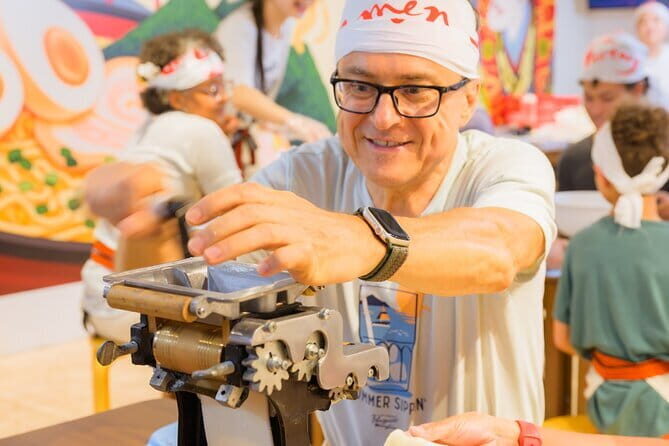
- Fresh noodle making: knead, roll, and cut dough using a noodle-making machine
- Pick your flavor: choose your tare (seasoning) to shape the broth
- Real noodle cooking: boil your handmade noodles in a noodle cooker
- Build your bowl: add toppings like chasiu and customize your ramen
- Keepsake + certificate: official completion certificate for the group and a souvenir bandana
- Small-group feel: capped at 20 travelers, and some sessions can be very small for extra guidance
One-hour ramen at Lake Kawaguchiko: why this class works
If you’re in Fujikawaguchiko-machi, this is the kind of activity that feels like local life, not just tourism. It’s short—about one hour—but it hits the core steps of ramen: dough, noodles, seasoning, and a finished bowl. That makes it ideal when you want a high-impact experience without giving up your whole day.
I like that the structure is tight. You don’t wander. You don’t wait forever. You move through the process with an English-speaking instructor and then sit down to eat what you made. The cap of 20 travelers also matters. Smaller groups usually mean clearer instructions and less standing around.
The class includes everything you need for ramen making (plus food tasting), and you’ll get an official certificate and a bandana at the end. For $39.14 per person, the value isn’t just the meal—it’s the “hands-on” part, plus the instructor guidance in English, plus the included ingredients and tools.
You can also read our reviews of more cooking classes in Fujikawaguchiko machi

Before you go: where to meet and what to bring
You’ll meet at Fuji Activity Reservation Center, 3487-15 Funatsu, Fujikawaguchiko, Minamitsuru District, Yamanashi 401-0301, Japan. The activity ends back at the same meeting point.
A few practical notes based on the provided details:
- It’s near public transportation, so you don’t have to budget for a private car just for this stop.
- Your ticket is a mobile ticket, so have your phone ready at check-in time.
- Drinks aren’t included, so if you want something beyond water, plan to buy it nearby before you start.
Also, if you have allergies or dietary restrictions, tell the operator in advance. That’s not a “nice to have” here—it affects what you’ll be able to eat during the tasting portion.
Knead, roll, and cut: the fresh-noodle step you’ll actually feel
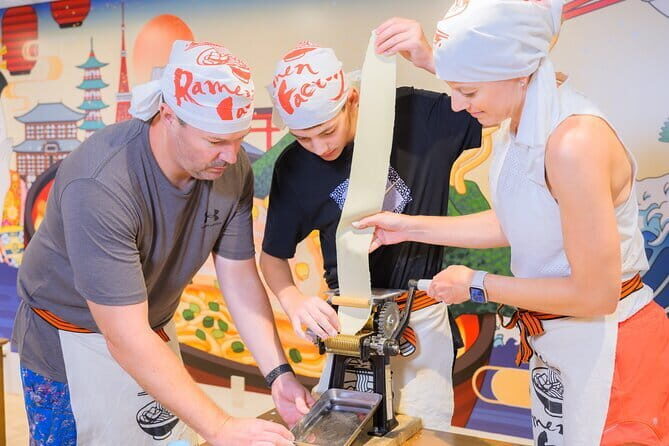
The first stage is where most ramen classes either impress you… or fall flat. Here, you’re not just assembling; you’re making.
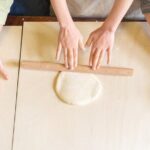
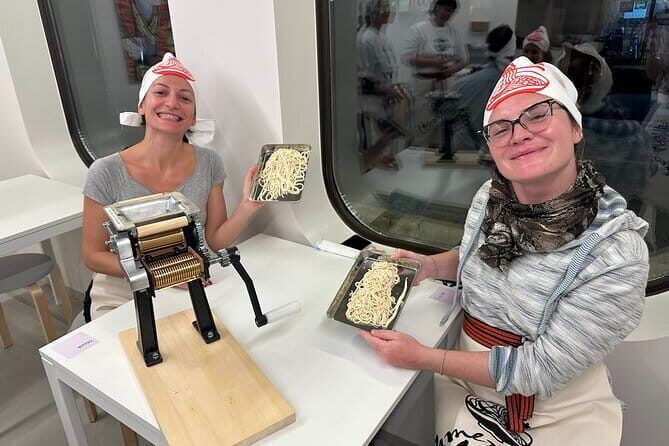
You’ll start by kneading the dough, then rolling it out, and cutting it using a noodle-making machine. That machine step is important. It keeps the dough from turning into a frustrating, inconsistent mess, and it lets you focus on what matters: how the dough handles and how the noodles turn out.
Why this part is so valuable: ramen isn’t just a recipe. It’s technique. When you personally cut the noodles, you start to understand why ramen textures differ—thickness, chew, and how the noodles hold up during boiling.
And when you sit down later, you’re not eating ramen that you ordered. You’re eating something you shaped from dough to noodles.
Choosing your tare: the flavor decision that controls the whole bowl

Next comes a decision point that turns this from a cooking demo into a customization experience: selecting your tare (seasoning base). Tare is one of the big flavor drivers in ramen, and choosing it yourself makes the bowl feel like yours.
In practice, this is also the step that helps you learn without needing a food-science background. You’ll see how the seasoning choice changes the flavor direction, so when you taste your final ramen, you can connect taste to choice.
This is also where an English-speaking instructor helps a lot. You’ll want to ask questions that match what you actually like—because the goal is your perfect ramen, not someone else’s idea of perfect.
Boiling in a noodle cooker: what to watch for
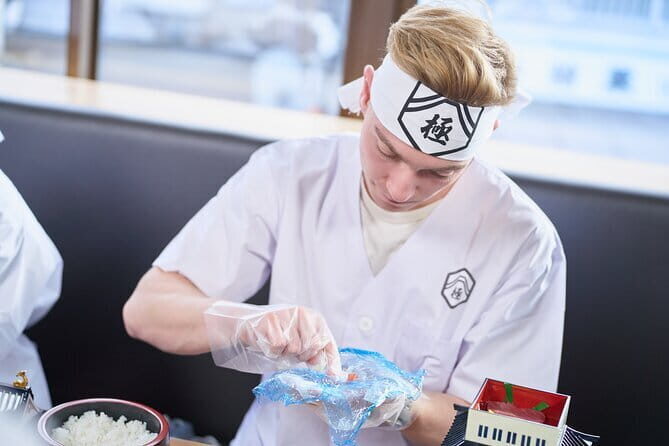
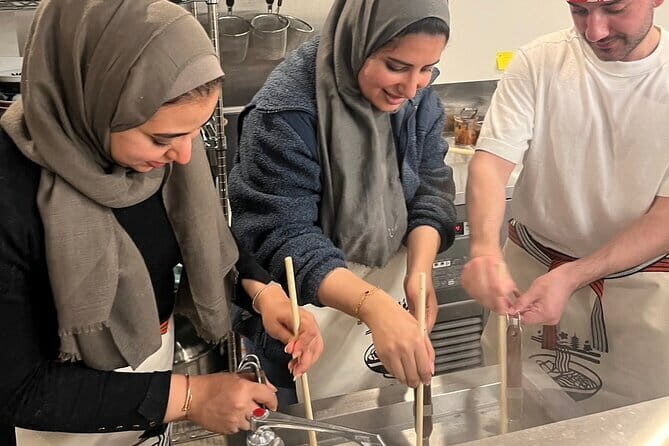
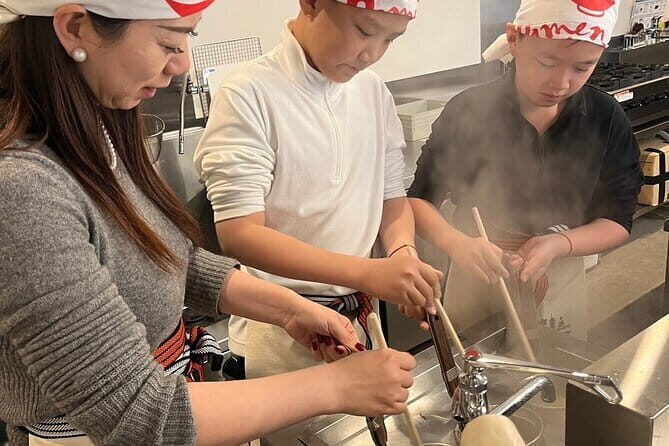
After you’ve made your noodles and chosen your seasoning base, you move to boiling. Your fresh noodles get cooked in a real noodle cooker (not a random pot setup).
I like this because it removes one of the most annoying variables for beginners. Timing and boiling method can make homemade noodles go from great to disappointing fast. A noodle cooker keeps the process more consistent, so you’re more likely to end up with noodles that taste right and feel properly cooked.
If you’re the type who worries about getting it wrong, this is comforting. You’re learning the steps, not gambling on trial-and-error.
A few more Fujikawaguchiko machi tours and experiences worth a look

Toppings and chasiu: your bowl, your rules

Once the noodles are cooked, you customize your ramen with toppings. This is where you get that final bowl-building moment—spending your energy on the fun part.
The class specifically includes toppings like chasiu, and you’ll create your own bowl to take your flavor choice from tare all the way through to the final bite. That matters because ramen taste isn’t only broth. Texture and richness from toppings can completely shift the experience.
It’s also a chance to think like a ramen shop for a minute: if you love pork flavor, chasiu will likely be a highlight. If you prefer lighter ramen, you can mentally adjust how you’ll order next time you’re eating out.
Mt. Fuji view: a good reason to pick this class over another
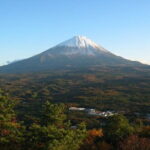
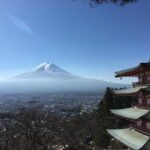
The experience includes a breathtaking view of Mt. Fuji while you enjoy your ramen. That detail isn’t just decoration. It changes the whole vibe: you’re cooking in the morning-ish energy of a workshop, then switching to a calm eating moment with a real landmark in front of you.
Even if you’ve seen Mt. Fuji photos before, this kind of “eat the thing you made while looking at it” pairing sticks. It turns a meal into a memory.
Instructors, and what good help looks like
The teaching style seems to be a strong point. In feedback, instructors such as Kimmy and Hiro are described as nice and helpful, and Mae is mentioned as enthusiastic and providing one-on-one style instruction when the class was very small.
You should expect an English-speaking instructor, but it’s worth looking for the kind of class where the instructor actually checks in on your technique. Here, the process is active—kneading, rolling, cutting, boiling, topping—so you benefit most when someone guides you through each step and helps you fix mistakes early.
A helpful way to get the most out of the hour: ask a quick question at each stage. For example, ask what to aim for with dough texture, or what makes a tare choice work for the bowl you’re building.
Group size and session size: when you’ll get extra attention
The activity is capped at 20 travelers. That gives it a better chance of feeling coordinated instead of chaotic. Also, one review described a session where the class was just two people, which meant very direct instruction.
You can’t count on every slot being tiny, but the cap is good news for your odds of getting quality help. If you’re worried about being lost in a crowd, choose a session that’s likely to be less popular (often weekday or off-peak times), and you’ll likely get more guidance.
Price and value: what $39.14 really buys you
At $39.14 per person for about one hour, this isn’t “cheap,” but it’s also not trying to sell you a long, high-cost tour day. The value comes from what’s included:
- local taxes
- food tasting
- everything necessary to make your own ramen
- English-speaking instructor
- an official certificate of completion (for the group)
- original bandana souvenir
- mobile ticket convenience
The main extra costs are not baked into the ticket:
- drinks
- private transportation (if you use it)
So the real cost equation is: pay for a guided, step-by-step ramen lesson plus a souvenir, rather than paying only for a bowl of ramen at a restaurant. If you like cooking, this is the difference between eating ramen and understanding how ramen comes together.
Also, it’s booked about 34 days in advance on average, so if you’re planning around specific dates near the lake and Mt. Fuji views, it’s smart to reserve sooner rather than later.
Who should book this ramen cooking class
This class fits best if you:
- want a short, hands-on activity that’s still structured and guided
- like cooking and want to learn ramen technique, not just eat
- prefer English instruction and clear steps
- want a fun group-friendly activity that won’t swallow your whole day
It’s also a solid option as a “single experience” day when your schedule is tight. One hour is easier to fit between lake sightseeing, photo stops, or a meal plan.
If you’re only looking for a casual snack, you might find this more effort than you need. But if you want to leave with noodle-making confidence (or at least a strong sense of what goes into the bowl), you’re in the right place.
Should you book it? My honest take
Book it if you want a practical ramen lesson with included tools, English guidance, and a finished bowl with Mt. Fuji views. The biggest strengths here are the fresh noodle making, the chance to choose your tare, and the fact that you actually cook and eat what you build in about an hour.
Skip it only if you strongly dislike cooking steps, or if you’re not interested in customizing toppings and tasting. Also remember that drinks aren’t included, so you may want to plan a small add-on purchase.
If plans might change, you’re protected by free cancellation up to 24 hours before the experience start time—so it’s also reasonably safe for date juggling.
FAQ
FAQ
How long is the ramen cooking class?
It runs for about 1 hour.
What does the class cost?
The price is listed as $39.14 per person.
Is there an English-speaking instructor?
Yes. The experience includes an English-Speaking Instructor.
What’s included in the price?
You get local taxes, food tasting, everything necessary to make your own ramen, the English-speaking instructor, and an original bandana souvenir.
Are drinks included?
No. Drinks are not included.
Where do I meet for the class?
You’ll meet at Fuji Activity Reservation Center, 3487-15 Funatsu, Fujikawaguchiko, Minamitsuru District, Yamanashi 401-0301, Japan. The class ends back at the same meeting point.
Is this a mobile ticket?
Yes. The experience uses a mobile ticket.
How big are the classes?
The experience has a maximum of 20 travelers.
Do I get a certificate?
Yes. Each group receives one official certificate of completion.
What is the cancellation policy?
You can cancel for a full refund if you cancel up to 24 hours in advance. If you cancel less than 24 hours before the start time, the amount paid is not refunded.