REVIEW · FUJIKAWAGUCHIKO MACHI
Ramen Cooking Class at Ramen Factory in Mt.Fuji
Book on Viator →Operated by Japan food entertainment Ltd · Bookable on Viator
You start with dough, end with ramen. This Mt. Fuji area class is special because you build from-scratch ramen step by step, then tailor broth choices to your own bowl. I like that it is genuinely hands-on (kneading, cutting noodles, draining, mixing soup, and roasting the chicken) and that the format fits different diets. The only real watch-out: make sure you book the Mt. Fuji store, not the Kyoto one, or you’ll waste time.
I also like the teaching style and small-group feel. Instructors such as Jojo and Eri guide the process in clear, easy-to-follow English, so you are not left guessing. One more consideration: the class is about 1 hour 30 minutes, so if you want a long, slow meal experience, this is more “make it fast and well” than “linger for hours.”
In This Review
- Key things I’d plan around before you book
- Ramen Factory Mt. Fuji: what makes this ramen class feel different
- Where it takes place near Mt. Fuji (and the one confusion to avoid)
- The 1.5-hour ramen-making process you’ll actually do
- Making the noodles (the part that makes you feel like a ramen pro)
- Soup base and blending (how you tailor your bowl)
- Chicken garnish you cook yourself (and slice how you like)
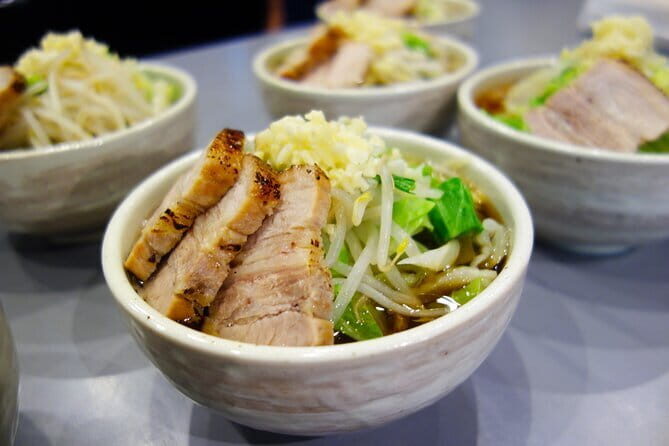
- Toppings and assembly (where your bowl becomes real)
- Soup choices: turning a meal into your personal ramen menu
- Dietary-friendly ramen: vegetarian, vegan, gluten-free, and Muslim-friendly
- Meals, tasting, and the group size that keeps it human
- The price question: is $141.56 good value for what you get?
- Souvenir omiyage: T-shirt, ramen bowl, or Japanese apron
- Who should book this ramen class near Mt. Fuji?
- Should you book Ramen Factory Mt. Fuji?
- FAQ
- Where does the ramen cooking class meet?
- How long is the experience?
- What’s included in the price?
- What dietary options are available?
- What souvenir can I take home?
- Is transportation included?
- When can I cancel for a full refund?
Key things I’d plan around before you book
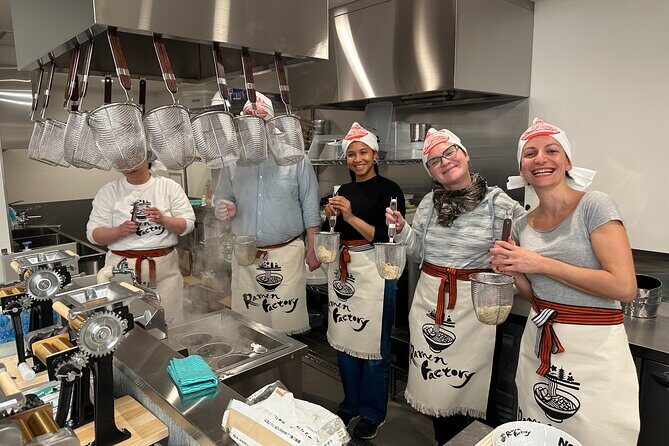
- Real ramen from scratch: knead dough, make and drain noodles, and assemble your bowl at the end.
- Broth mixing is part of the lesson: you choose a broth/sauce base and blend it to your taste.
- Chicken garnish is hands-on: you tie, season, cook, and slice the chicken for toppings.
- Dietary options are built in: vegetarian, vegan, gluten-free, and Muslim-friendly options are available with advance notice.
- You get a choose-one omiyage: T-shirt, ramen bowl, or Japanese apron to take home.
- Max group size is 18: small enough for questions, not just a show-and-tell demo.
Ramen Factory Mt. Fuji: what makes this ramen class feel different
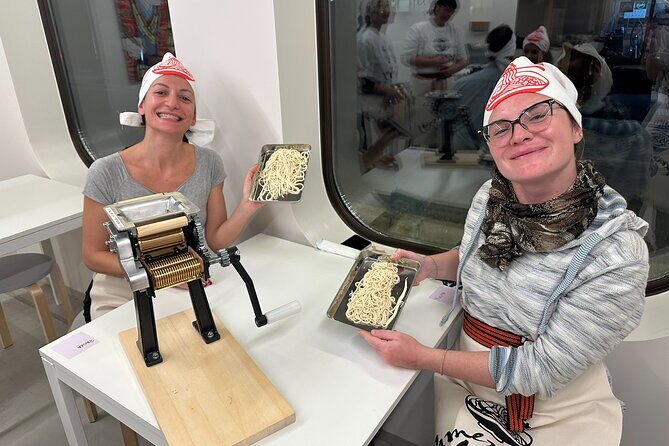
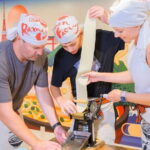
A lot of cooking classes teach you theory. This one is about doing the work. You don’t just taste ramen and watch someone else make it. You knead flour into dough. You roll and cut your own noodles. You boil and drain them. Then you mix and finish a bowl with the toppings you helped prepare.
That hands-on flow matters, especially if you want something more memorable than another restaurant meal. After this, ramen stops being a mystery you order on a menu. You start thinking in steps: noodle texture, soup base, topping balance. It’s a practical way to learn Japanese comfort food without needing to be a trained cook first.
It also helps that the class is designed for different diets. You can request vegetarian, vegan, gluten-free, and Muslim-friendly options, and the kitchen can offer tofu as a vegetarian or vegan option with advance notice. So you should be able to participate fully without feeling like you are watching from the sidelines.
You can also read our reviews of more cooking classes in Fujikawaguchiko machi

Where it takes place near Mt. Fuji (and the one confusion to avoid)
This activity is held at the Ramen Factory Mt. Fuji location in Fujikawaguchiko-machi. The address is: 3487-15 Funatsu, Fujikawaguchiko, Minamitsuru District, Yamanashi 401-0301, Japan.
There is one key detail you should plan around: you need to be careful not to confuse it with the Kyoto store. If you are juggling multiple Japan plans, double-check the location name and address before you go. That small step prevents a big headache.
Also note that it is near public transportation, and the tour uses a mobile ticket. That’s useful in Japan, where it is easy to get turned around if you only have a paper voucher.
The 1.5-hour ramen-making process you’ll actually do
The class runs about 1 hour 30 minutes. Within that window, you go through the full ramen pipeline: noodles, soup, toppings, and assembly. The pacing is structured, and the instructors are there if you need help.
Here is what the process looks like, in the order you’ll be guided through:
Making the noodles (the part that makes you feel like a ramen pro)
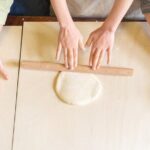
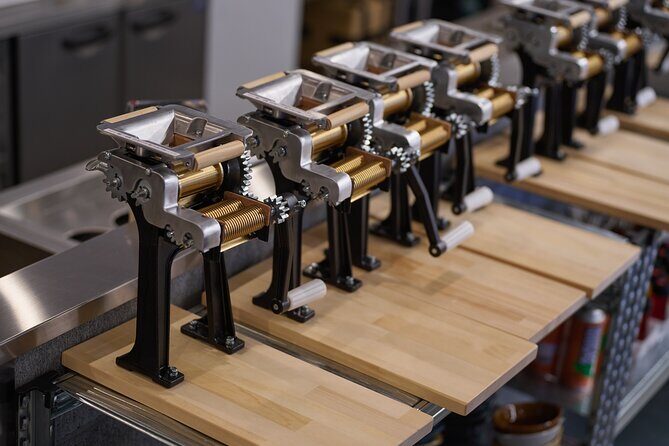
You start by kneading flour to form the dough. Then you roll it out and cut it into shapes. After that, you boil the noodles and drain them.
This is the step that usually makes people smile, because you can actually feel the difference between raw dough and cooked noodles. And draining matters. If you drain too early or too late, you’ll notice the texture right away when you mix noodles into soup. So pay attention to the timing the instructor cues for you.
Soup base and blending (how you tailor your bowl)
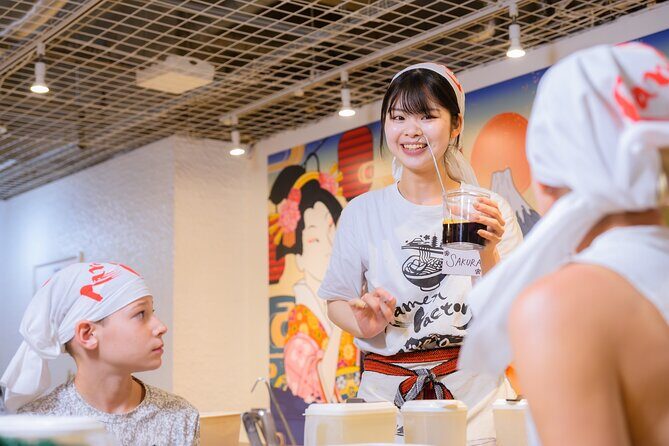
Next, you work on the soup side. You choose from various broths and sauces to blend. Then you mix it so your ramen tastes like your version of the dish rather than a fixed recipe.
Why this is valuable: ramen is not one flavor. It can be salty, rich, lighter, or more sauce-forward depending on the broth and blend. Even if you’ve never cooked before, this lesson shows how small choices change the whole bowl.
A few more Fujikawaguchiko machi tours and experiences worth a look

Chicken garnish you cook yourself (and slice how you like)
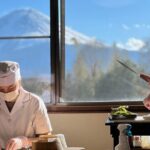
For the topping, you’ll roast/cook the chicken garnish. The class includes tying the chicken with string, adding condiments, cooking it, and then slicing as desired.
This is a fun add-on because it breaks the class out of “only noodles and soup.” You also learn how topping prep fits into the final presentation: bite size, slice thickness, and how the chicken sits with noodles and broth.
Toppings and assembly (where your bowl becomes real)
To finish, you place the boiled noodles in the soup, add toppings, and your dish is ready. It is the payoff moment, the part you remember when the rest of the day goes back to regular travel life.
Soup choices: turning a meal into your personal ramen menu
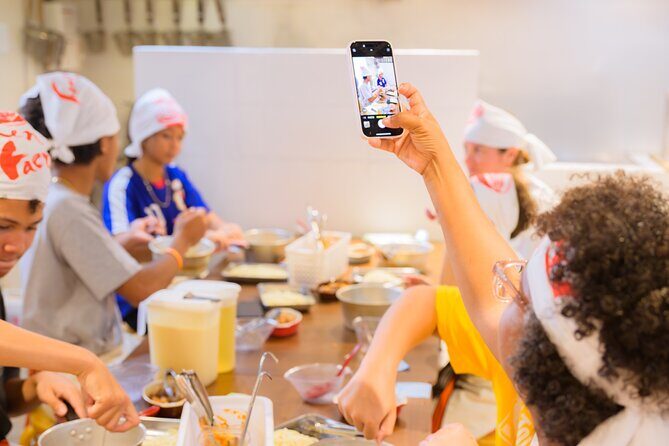
One of the best parts of the class is that you don’t just follow a single set broth. You choose from multiple broths and sauces, then blend them. That choice makes the experience feel like more than a class with one correct answer.
If you’re the type who usually asks for extra something at restaurants, you’ll appreciate this. You are actively building the flavor profile, not just tasting your way through options.
Also, soup customization is a great way to learn without needing technical culinary vocabulary. You can focus on how it tastes to you, then connect the taste to the choices you made. Later, when you order ramen on your trip, you’ll start identifying the base more confidently.
Dietary-friendly ramen: vegetarian, vegan, gluten-free, and Muslim-friendly
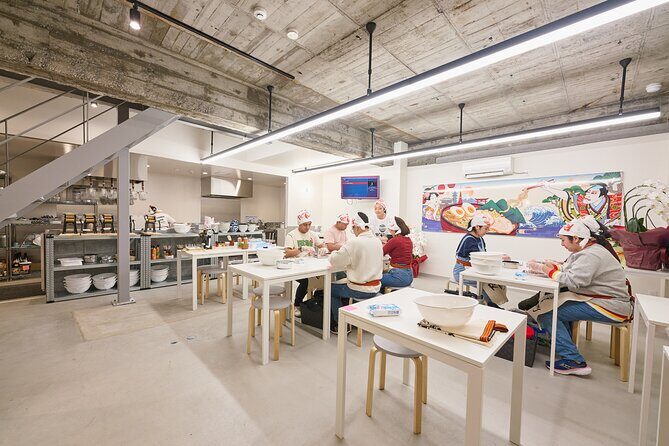
This is a diet-aware class, not an afterthought. The information you’ll want is that dietary needs can be accommodated, including vegetarian, vegan, gluten-free, and Muslim-friendly options. If you have dietary requirements, you need to indicate them at booking in the special requirements field.
There is also a specific note: tofu is offered as a vegetarian or vegan option with advance notice. That’s helpful because tofu can give you a satisfying topping that still works with the noodle-and-soup structure of ramen.
Practical advice: when you book, be clear about what you need rather than relying on vague wording. For example, if you avoid certain ingredients for religious reasons or dietary restrictions, put it in writing during booking so the team can plan.
If you’ve had food experiences in Japan where you worry about hidden ingredients, this kind of upfront option list is a relief. You can focus on cooking rather than scanning every label.
Meals, tasting, and the group size that keeps it human
The class includes food tasting plus lunch and dinner. That matters more than it sounds. Cooking classes can sometimes be “watch, cook, snack, go.” Here, you get the chance to eat as part of the experience, which makes the total package feel more complete.
The group size is capped at 18 travelers. That number is big enough to meet people, but small enough that you are likely to get answers when you’re stuck. If you have questions while kneading dough or timing the boil, it’s easier to get help in a smaller class than a large workshop.
You also have a tour escort/host included. In Japan, that can be a subtle advantage: it’s easier to ask where to go, what to do next, and how to handle the flow without confusion.
The price question: is $141.56 good value for what you get?
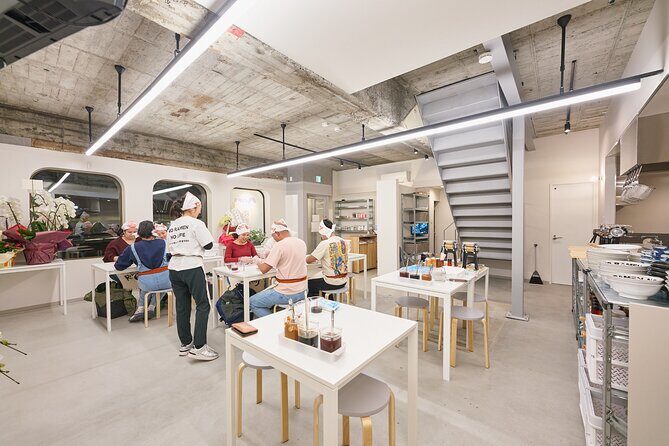
At $141.56 per person, this isn’t a bargain cooking class. But it also isn’t just a ticket to eat. You’re paying for a full hands-on workflow, guided instruction, and ingredients, plus lunch and dinner and a food tasting.
Here’s how I think about value on a class like this:
- Time and labor: you’re not only tasting; you’re making multiple components (noodles, soup blend, chicken garnish).
- Instruction included: clear guidance is part of the package, and instructors like Jojo and Eri help keep it doable for non-cooks.
- More than one meal: lunch and dinner are included, so you’re not adding extra restaurant costs that day.
- Take-home omiyage: you get to choose a souvenir, which adds tangible value beyond the class itself.
If you were paying separately for a meal plus a cooking activity ticket, the math tends to get closer. The main reason it can feel pricey is simple: you’re buying an experience with staff, equipment, and all the food components built in.
One practical watch-out: transportation isn’t included. So factor in getting to the meeting point in Fujikawaguchiko-machi.
Souvenir omiyage: T-shirt, ramen bowl, or Japanese apron
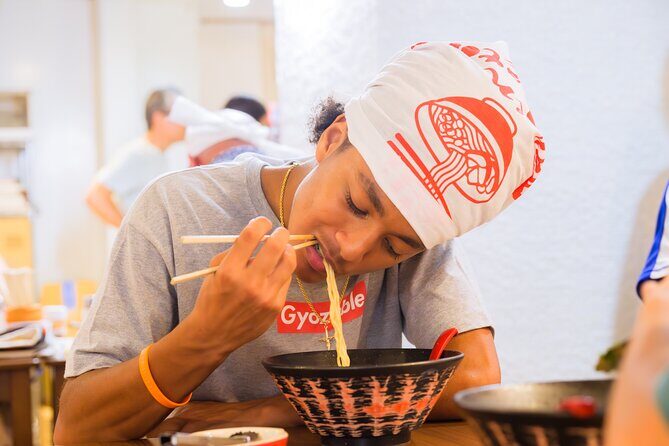
This class includes a take-home omiyage, and you can choose one option: a T-shirt, ramen bowl, or Japanese apron. That’s a fun detail because you’re not leaving with only photos.
Why it’s worth caring about: if you pick the apron, it’s useful back home. If you pick the bowl, you’ve got a daily reminder of the steps you learned. If you choose the T-shirt, it’s an easy wearable memory that starts conversations later.
Pick the option that matches how you’ll use it. Don’t choose just because it looks nice on the day—choose what you’ll actually bring out again.
Who should book this ramen class near Mt. Fuji?
I think this is a strong fit if you want one of the most hands-on food activities you can do in the Fuji Five Lakes area. It’s also a good choice if you enjoy process-focused activities: mixing, kneading, timing, and building a dish in stages.
It may be especially appealing to you if:
- You like cooking lessons but want something structured and guided.
- You want to take home a souvenir tied directly to the food.
- You’re visiting Mt. Fuji and want a food plan that feels specific to Japan, not a generic workshop.
It might be less ideal if:
- You want a very long sit-down dining experience, because the class time is about 1 hour 30 minutes.
- You are traveling with complicated timing constraints and you don’t want to plan around the class schedule.
Should you book Ramen Factory Mt. Fuji?
Yes, I’d book it if you want a memorable, skill-based food experience in the Fujikawaguchiko area. The big wins are clear: you make the noodles, you blend the soup, you handle the chicken garnish, and you leave with a chosen omiyage. Add in that dietary needs are supported when you request them, and you get lunch and dinner included.
Just do two things to set yourself up for success: confirm you’re going to the Mt. Fuji store, and put your dietary requirements in the booking notes. Also, remember transportation isn’t included, so plan how you’ll get there.
If those points fit your trip, this is a high-value day activity that turns ramen from something you order into something you understand.
FAQ
Where does the ramen cooking class meet?
The meeting point is Ramen Factory Mt.Fuji, 3487-15 Funatsu, Fujikawaguchiko, Minamitsuru District, Yamanashi 401-0301, Japan.
How long is the experience?
The duration is approximately 1 hour 30 minutes.
What’s included in the price?
The price includes tour escort/host, all fees and taxes, food tasting, lunch, and dinner.
What dietary options are available?
You can request vegetarian, vegan, gluten-free, and Muslim-friendly options. Tofu is available as a vegetarian or vegan option with advance notice.
What souvenir can I take home?
You can choose one omiyage option: a T-shirt, a ramen bowl, or a Japanese apron.
Is transportation included?
No. Transportation is not included.
When can I cancel for a full refund?
You can cancel up to 24 hours in advance for a full refund. If you cancel less than 24 hours before the experience starts, the amount paid is not refunded.