REVIEW · FUJIKAWAGUCHIKO MACHI
Explore Mt. Fuji Ice Cave in Aokigahara Forest
Book on Viator →Operated by THE HIGHEST PEAK · Bookable on Viator
Aokigahara turns into an ice museum under your feet. This guided walk takes you into lava-formed caverns where frozen water and centuries of cold create real ice art at around 0°C, and you get special entry permits bundled in so you do not have to hunt them down. My favorite part is how the tour blends forest time with the cave time, then keeps things controlled with a small group, but you should plan for uneven, slippery rock and a chill that hits fast once you go underground.
What you’re buying for $53.06 is not just a ticket. It is trained guidance, headlamp-in-your-hands pacing, safety gear (helmet, overalls, gloves), and door-to-door style transport from Kawaguchiko Station or nearby Lake Kawaguchiko hotels, which makes this one of the more approachable ways to reach a remote natural site.
In This Review
- Key highlights (the good stuff that matters)
- Mt. Fuji Ice Cave in Aokigahara: what you’re really stepping into
- How the 3-hour plan flows (and why it’s paced this way)
- Getting there from Kawaguchiko: the easy part you should use
- What happens before you enter: helmets, overalls, gloves, and headlamps
- The cave itself: lava tubes, frozen water, and the 0°C surprise
- Real Cave and the value of not being herded
- The guide makes or breaks it: names you might meet
- Price and value: what $53.06 covers (and why it can be worth it)
- Who should book this, and who should think twice
- Weather matters more than you think
- Should you book the Mt. Fuji Ice Cave tour?
- FAQ
- Where do they pick up and drop you off?
- How long is the tour?
- What’s included in the price?
- Do I need to bring a headlamp or cave gear?
- How big is the group?
- Do I need a special entry permit?
- Is the tour safe for everyone?
- What happens if the weather is bad?
Key highlights (the good stuff that matters)
- Permit-included access: special entry permissions are part of the experience, so you can skip the permit hassle that independent travelers usually face.
- Small-group feel: tours cap at 12 people, which keeps the pace human and the guide’s attention practical.
- 0°C cave time with proper gear: helmet, overalls, gloves, and a headlamp help you handle the cold and the dark.
- Real Cave access: you may visit a more secluded area that has not become a major tourist stop.
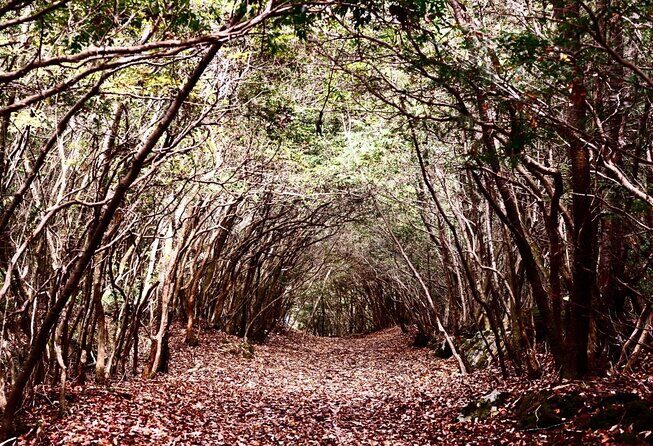
- Forest walk as part of the story: the experience is split between walking sections in Aokigahara’s dark cedar forest and exploring the lava cave.
Mt. Fuji Ice Cave in Aokigahara: what you’re really stepping into
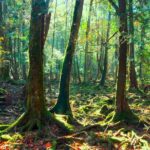
This tour is about geology with a flashlight. Aokigahara Forest sits on volcanic terrain from Mt. Fuji, and the cave system you visit is the result of lava flows that cooled into tubes and chambers. Then, long after the volcanic event, melted snow from Mt. Fuji found its way into the frozen spaces, turning the cavern interiors into formations that look like ice sculptures instead of random frost.
That is why the experience feels different from typical “cave sightseeing.” You’re not wandering past one photo spot and leaving. You walk with a headlamp, stop when the guide calls attention to the shapes and the environment, and move at a pace that makes the cave feel like a whole underground world.
Also, the guide component matters more here than in many tours. The forest is famous, but it is the combination of respectful handling of the place plus clear explanations of what you are seeing (volcanic caves, cedar forest setting, and how cold ice takes shape) that makes it worth doing with a group.
You can also read our reviews of more tours and experiences in Fujikawaguchiko machi.
How the 3-hour plan flows (and why it’s paced this way)
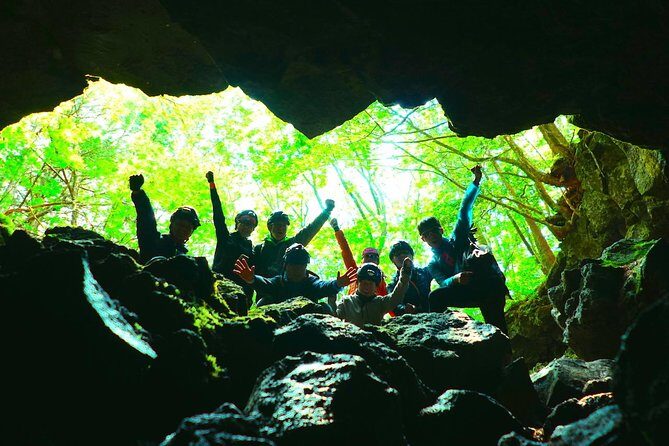
Even though it is only about three hours, the tour has three clear movement blocks. That structure keeps you from getting cold too fast, and it prevents the cave from feeling rushed.
First, you meet at a set meeting point and do a short setup before you move. The team brings you through the basics: putting on a helmet, overalls, gloves, and using the headlamp. There is also time to handle practical needs like getting ready and settling yourself. It sounds basic, but in a cold cave setting, that “pre-game” time makes the whole day feel smoother.
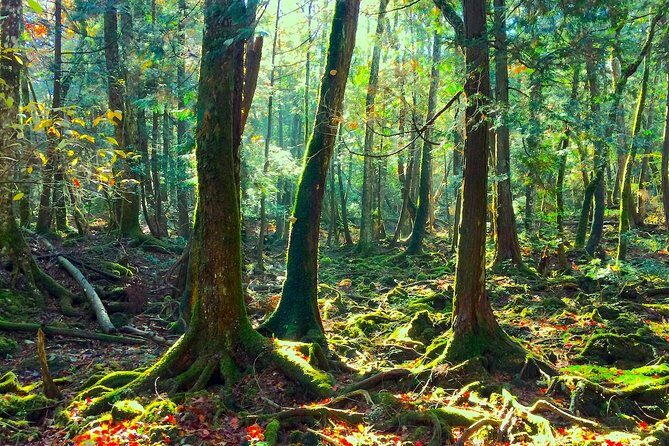
Next is the forest portion. You spend about 40 minutes walking through Aokigahara Forest. This is not wasted time. The guide builds the story while you walk, pointing out the volcanic-soil feel of the area and the natural details you would otherwise miss.
Then you switch from forest to underground. You get about 60 minutes exploring the lava cave environment. The time inside feels short in the best way: enough to see the ice formations and get oriented, but not long enough to burn through your energy.
Finally, there is another 40 minutes of forest walking. I actually like this ending. It gives you a chance to warm up a bit, process what you saw, and enjoy the forest atmosphere once you are back in open air.
Getting there from Kawaguchiko: the easy part you should use
This experience is designed for people who do not want to wrestle with remote access on their own. Pickup is offered from Kawaguchiko Station and from hotels around Lake Kawaguchiko, and you return safely the same way. Transportation is via an air-conditioned vehicle, plus you get private transport with the guide/driver handling the route.
This matters for two reasons. One, Aokigahara is not the kind of place you stumble on by accident. Two, you are going to be in cold cave conditions, and starting the day calmly beats starting it stressed.
I also recommend arriving with time to spare at the meeting point. One thing I learned from how the tour operates is that they take timing and follow-the-instructions safety seriously.
What happens before you enter: helmets, overalls, gloves, and headlamps
This is one of the most practical parts of the whole setup. You are not expected to bring cave gear. The tour provides a helmet, overall, gloves, and a headlight.
You also get a quick gear orientation so you know how to move with a headlamp and how the guide wants you to handle photos and pacing. Inside a dark cave, that simple guidance makes a big difference. You can focus on the formations instead of fiddling with your light.
What about clothing? Bring outdoor layers—long sleeves and long pants—and a winter jacket if you run cold easily. Wear something with grip in your shoes. Even with the provided overalls, footwear can be the deciding factor for comfort and confidence once you start scrambling around rocks.
The cave itself: lava tubes, frozen water, and the 0°C surprise
The headline is Mt. Fuji’s ice cave. But the real hook is how the ice got there. The guide explains that lava eruptions formed the cave spaces, then Mt. Fuji’s melted snow later froze within those cavities. Over a long stretch of time, the cold shapes take on patterns that can look like ice art rather than just ice blocks.
Expect a world that feels much colder the moment you go in. Reports put the cave world around 0°C, and you will feel it through your breathing, your hands, and your overall body warmth. The provided gloves and overalls help, but you still need to dress with the cold in mind.
Inside, you explore by following the guide and using your headlamp to navigate. It is not a “stand still and look” environment. There is maneuvering involved—people with slick shoes or low grip can struggle. In general, the cave feels spacious enough that claustrophobic feelings do not seem to be a major issue for everyone, but if you dislike low-visibility spaces, pay attention to how you react to darkness and cold.
Also, photos can disappoint you if you expect something that looks like a movie set. The cave is the kind of place where the experience beats the camera because you are dealing with scale, texture, and the way light falls across ice shapes.

Real Cave and the value of not being herded
One of the most compelling details is that the tour includes entry to a “Real Cave,” described as more secluded and not turned into a major tourist attraction. That matters because a famous site can become repetitive: same walk, same angles, same crowd flow.
Here, the goal is to keep the experience intimate and less commercial. When you get access to the portions that are not built around mass viewing, the cave feels more like a discovery than a schedule item.
Even if you have done other cave tours in Japan, this one aims for a different vibe because it mixes the forest approach with the cave reveal, and it keeps the group capped at 12 so the guide can manage pace and safety.
The guide makes or breaks it: names you might meet
A cave tour rises or falls on the person leading you. This one tends to attract guides who love the subject and can explain it in clear, practical ways. In past groups, I have seen mention of guides including Takasi and Tada, and also a guide called Toshi/Tadasuke.
What stands out across accounts is not just facts. It is the feel: patient handling for different ages, calm safety directions, humor during the walk, and answers to questions about the forest and cave history. That is the difference between “seeing a cave” and understanding what you are seeing.
If you end up with a guide who is chatty (and it seems common), lean into the questions. A lot of the value is in connecting volcanic processes, frozen water, and the cedar forest setting into one explanation you can remember later.
Price and value: what $53.06 covers (and why it can be worth it)
At $53.06 per person for a roughly three-hour guided experience, the question is simple: are you paying mostly for transportation, or for the special access and gear?
In this case, you are getting more than standard sightseeing:
- Pickup and drop-off from Kawaguchiko Station or nearby hotels
- An English-speaking guide
- Helmet, overalls, gloves, and a headlamp
- Entry permits included (which can be the biggest friction for independent travelers)
- An air-conditioned vehicle and private transportation
When a tour includes permits and the gear you would otherwise need to source yourself, the value equation gets easier. Add the small-group cap (up to 12) and the fact you get guided navigation through a remote area, and the price starts to look fair, even low, for what you receive.
The one caution: food and drinks are not included. If you are doing this as part of a longer Mt. Fuji day, plan a meal either before or after so you are not cold and hungry at the end of your cave time.
Who should book this, and who should think twice
This tour is best for people who enjoy a guided hike with some movement and a bit of cold-weather adventure. It suits anyone with at least a moderate fitness level and comfortable walking on uneven ground.
You should think twice if:
- You have mobility limits, since there can be scrambling and maneuvering around rocks
- You are pregnant (the tour notes it may not be safe)
- You have been drinking (the tour also notes it may not be safe)
- You do not handle cold well, even with provided gear
On the upside, many people describe the day as exciting without being chaotic. If you are worried the forest will feel scary or unpleasant, the tone from guides is often more grounded and respectful than eerie. That said, the cave and forest are still nature first—so expect mist, dampness, and cold depending on the day.
Weather matters more than you think
This is a weather-dependent tour. It requires good weather, and if it gets canceled due to poor conditions, you are offered a different date or a full refund. Rain can make forest paths slick and can affect how comfortable and safe it feels to maneuver in the cave entrance and rocky areas.
Check the forecast before you head out from Tokyo or wherever you’re staying. If you can be flexible with dates, you usually improve your odds of getting the full experience.
Should you book the Mt. Fuji Ice Cave tour?
I think this is a strong choice if you want something off the usual Mt. Fuji checklist. The value is in the whole package: forest walking, permit-included access, headlamp cave time, and gear that gets you ready for a true cold environment.
Book it if:
- You want a guided explanation of how volcanic caves and frozen water create the ice formations
- You like small groups where you can actually hear your guide and take questions
- You are comfortable with a bit of uneven ground and cold temperatures
Skip it (or at least reconsider) if:
- You need fully flat, easy walking
- Cold weather feels miserable for you, even with gloves and overalls
- You are in a situation where safety rules would restrict participation
If you want a single, memorable “different” experience near Kawaguchiko, this one earns its place.
FAQ
Where do they pick up and drop you off?
Pickup is offered from Kawaguchiko Station and from hotels around Lake Kawaguchiko, and the tour also includes drop-off.
How long is the tour?
The duration is about 3 hours, depending on progress.
What’s included in the price?
The price includes an English-speaking local guide, pickup and drop-off service, cave exploration equipment (helmet, overall, gloves, headlight), taxes/fees, and air-conditioned private transportation.
Do I need to bring a headlamp or cave gear?
No. The tour provides a helmet, overall, gloves, and a headlight. You should bring appropriate clothing for outdoor cold weather.
How big is the group?
The tour is designed as a small-group experience capped at a maximum of 12 people.
Do I need a special entry permit?
The tour includes special entry permits for exclusive access to the lava-formed ice cave areas, so you do not need to arrange permits yourself for this experience.
Is the tour safe for everyone?
The tour notes it may not be safe for customers who are pregnant or have been drinking. The guide may suspend the tour for safety if someone does not follow directions or disturbs others.
What happens if the weather is bad?
The experience requires good weather. If it is canceled due to poor weather, you are offered another date or a full refund.