REVIEW · FUJIKAWAGUCHIKO MACHI
Mt Fuji Area Private Guided Tours in English-Nature up close, quiet, personal
Book on Viator →Operated by Hidden Japan · Bookable on Viator
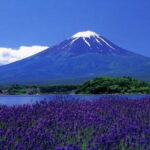
If you want Mt. Fuji without crowd chaos, this is a smart pick. This private, English-guided day focuses on nature and quiet stops around the Fuji Five Lakes, with time to linger at the exact viewpoints you care about. I like how the day feels up close and personal, not like a checklist shoved between buses.
Two things I really like: first, the route leans into still places—shrines, waterfalls, lake edges, and forest trails—so you spend more time looking up at Fuji and less time wading through tourist lines. Second, the pacing is flexible. You can choose to move a bit more (short hikes) or slow down for photos, tea, and quiet viewing moments.
One thing to consider: this is a weather-dependent experience. If clouds roll in, the mountain views can be less dramatic, and the operator may switch dates or offer a refund depending on the situation.
In This Review
- Key highlights you’ll feel from the start
- Mt. Fuji views without the crowd math
- Price and what you actually get for $320 per person
- Getting picked up in Fujikawaguchiko: time windows and mobile convenience
- Asama Shrine and the 1200-year-old cedar forest
- Haha no Shirataki and Mothers White Falls framed for Fuji
- Lake Kawaguchiko to Lake Saiko: the Fuji Five Lakes perspective
- Aokigahara Jukai at Yacho no Mori Koen: the Sea of Trees on lava rock
- Pace, snack stops, and staying comfortable (even if weather turns)
- Who this Mt. Fuji private nature tour is best for
- Should you book this quiet, up-close Mt. Fuji day?
- FAQ
- Is this a private tour?
- How long is the tour?
- What’s the meeting point and pickup like?
- Do I need to bring lunch or snacks?
- Is the tour in English?
- Which places are included in the route?
- Is there an admission fee for the main sights?
- What if the weather is bad?
- Can children join?
- What should I do if I’m not sure about my timing?
Key highlights you’ll feel from the start
- Private guide and van time so you can skip the mass-tour rhythm
- Asama Shrine with 1200-year-old cedar trees as the spiritual warm-up
- Haha no Shirataki (Mothers White Falls) framed for Fuji-and-lake photo chances
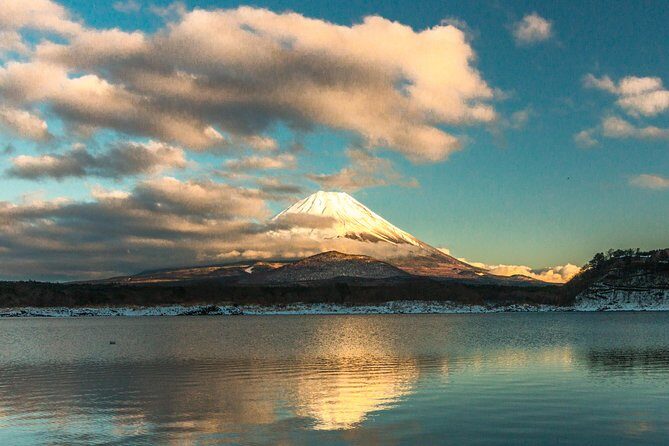
- Lake Kawaguchiko and Lake Saiko for classic Five Lakes perspectives
- Aokigahara Jukai at Yacho no Mori Koen, including a lava-rock forest walk
- A relaxed pace with time for snacks, bathrooms, and lingering at viewpoints
Mt. Fuji views without the crowd math
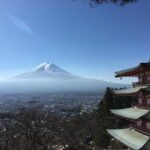
This tour is built for people who are tired of the usual formula: show up, stand in line, snap a photo, repeat. Here, the day is designed around driving loops with intentional stops. You’re not limited to the most obvious viewpoint; you get options, and you get the time to pick the best moment.
The big payoff is how the day feels. The forest parts are noticeably calmer than the big-route stops. Even when you’re in popular areas, the guide aims you at calmer angles and quieter pockets, so you spend more energy enjoying the place and less energy tracking other people’s schedules.
And yes, Fuji can be fickle. Still, the tour’s value isn’t only whether the peak shows. It’s that you’re experiencing the lakes, shrines, waterfalls, and forest in a way that makes sense even on a mixed-weather day.
You can also read our reviews of more guided tours in Fujikawaguchiko machi
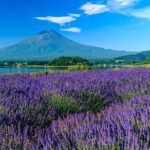

Price and what you actually get for $320 per person
At $320 per person for about 5 to 6 hours, this isn’t the budget option. But it’s private, which changes the math fast—especially if you’re traveling as a couple, a small group, or a family that would otherwise need multiple taxis or several bus connections.
What’s included that matters:
- Pickup from Kawaguchiko Station or hotels in the Fujikawaguchiko area
- A native English-speaking guide/driver
- A tour format that’s only for your group (no mixing)
Also, the route includes major stops where tickets aren’t a big surprise. The Mount Fuji portion is marked admission ticket free in the itinerary info, so you’re not paying surprise entry fees for key moments.
In practice, a lot of the “value” comes from comfort and readiness. Many guests report that the guide provides things like hiking boots, warm layers, and even rain gear if conditions turn chilly or wet. That’s not listed in the standard included items, but it repeatedly shows up in real-world experiences—so you can expect less fuss on your side.
The one price consideration I’d flag: because lunch and food aren’t included, you’ll want to plan on covering your own meals. The guide often helps you find good local places and keeps you fueled, but you’re paying for what you eat.
Getting picked up in Fujikawaguchiko: time windows and mobile convenience
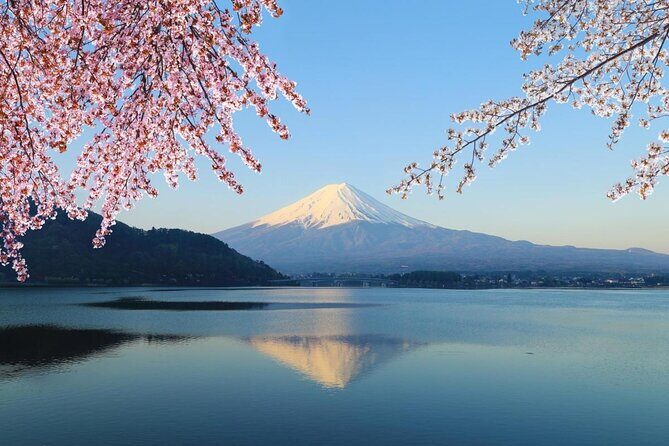
This is not a “hang around and hope” tour. You get a set morning operating window: 8:30 AM to 11:30 AM, and the experience runs Monday through Sunday within that schedule range. Duration is listed as about 5 to 6 hours, so it’s long enough to really feel like a day out in the mountains, not a quick drive-by.
You’ll also get mobile ticket access and confirmation at booking time. That’s handy in Japan, where paper tickets can add one more step.
The pickup setup is simple: if you’re near Kawaguchiko Station you can start there, or if you’re staying in Fujikawaguchiko, pickup can come from your hotel area. If you’re using public transport to get into the Fuji Five Lakes region, this is a relief—no complicated transfer puzzle.
Asama Shrine and the 1200-year-old cedar forest
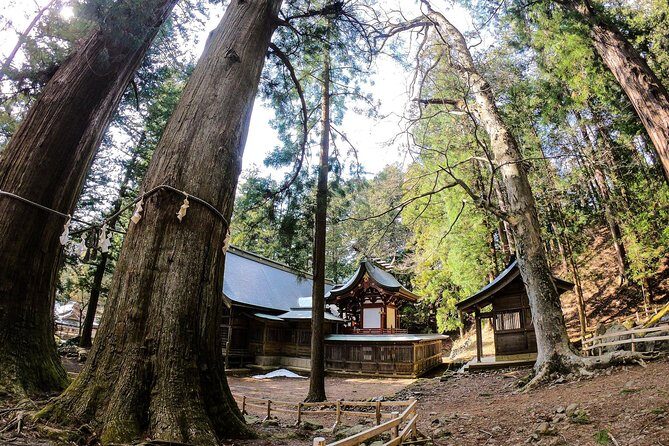
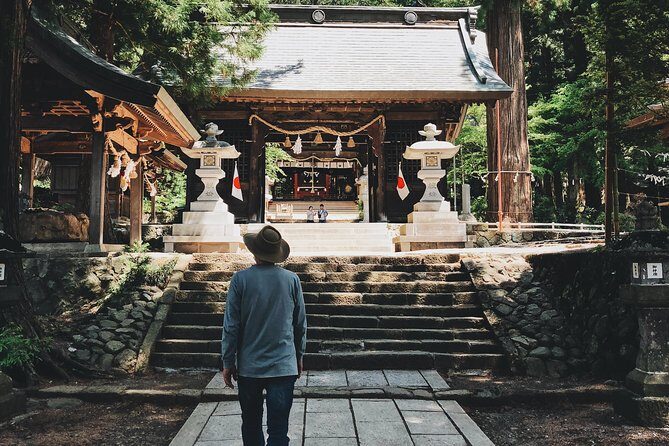
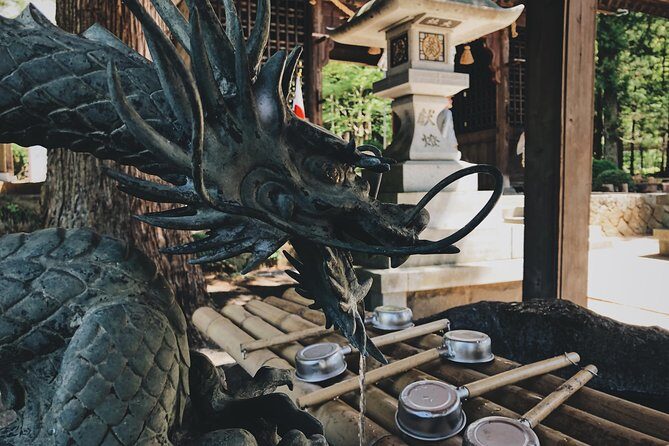
The day starts around Kawaguchi Asama Shrine, which is a classic forest shrine area. The itinerary notes the giant cedar trees are over 1200 years old, and the shrine is described as the oldest in the area, tied to the Mt. Fuji World Cultural Heritage setting.
Why this stop matters beyond the postcard factor:
- It sets the tone. Before you chase viewpoints, you get a calmer, more rooted start.
- It connects Fuji to place. The guide’s explanations (history, spirituality, local nature context) help you see the mountain as part of a living cultural landscape, not just a lone peak.
- The forest path style of the area makes it easy to slow down without committing to a heavy hike.
Tip for your mindset: treat this as the warm-up act. You’ll appreciate the quiet more after you’ve seen a few lakes and waterfalls later. If you’re sensitive to cold, the wooded shrine start can feel cooler and shaded—so layers help.
Haha no Shirataki and Mothers White Falls framed for Fuji
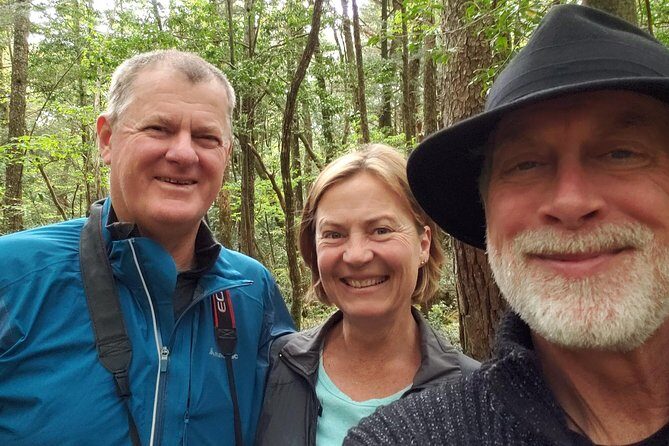
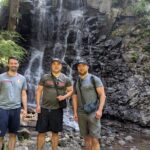
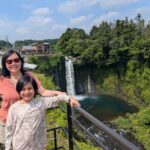
After the shrine, you head toward Haha no Shirataki, also called Mothers White Falls. The itinerary flags it as near the shrine area and emphasizes the views over Mt. Fuji and Lake Kawaguchiko.
In other words, this is one of those stops where the waterfall isn’t just about the water. It’s about the composition—how the falls and the lake sit in relation to Fuji when the skies cooperate.
What I like about this stop in the tour design:
- It breaks up the day visually. You get forest quiet, then moving water, then back to wide views.
- It’s timed with driving loops around the lake area, which gives you multiple chances to look up at Fuji from different angles rather than staking everything on one single viewpoint.
Drawback to keep in mind: waterfalls mean water, mist, and slippery paths. Wear proper shoes if you’re planning to get close. The guide can help with footwear readiness in many cases, but your feet still need traction.
You can also read our reviews of more private tours in Fujikawaguchiko machi
Lake Kawaguchiko to Lake Saiko: the Fuji Five Lakes perspective
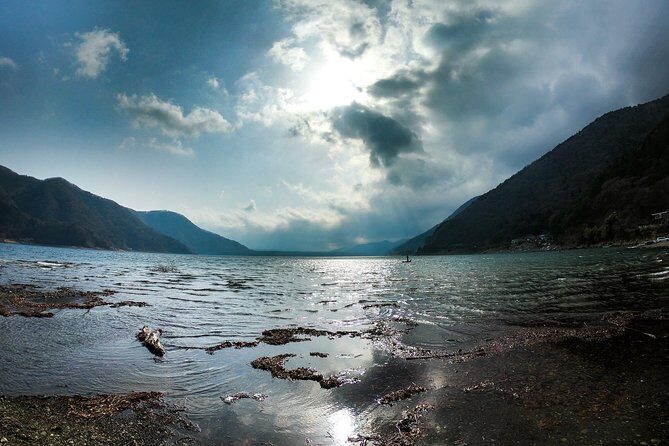
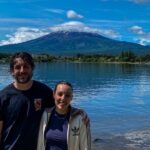
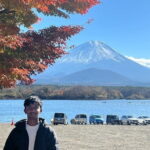
You’ll drive around Lake Kawaguchiko and stop at choice viewing points. Then you’ll work toward Lake Saiko, with Oishi Flower Park on the way.
Oishi Flower Park is known in the itinerary as a stop en route to Lake Saiko and is tied to the broader “Five Lakes” area story. Even if flower themes vary by season, this kind of viewpoint stop is about giving you scale: you’re learning where Fuji sits relative to the water, trees, and volcanic terrain.
Lake Saiko is called out as the center of the Five Lakes in the itinerary info. That matters because it puts you in a part of the region where the day’s driving loop makes more sense—less backtracking, more “see the area as a whole” logic.
One of the nicest things about these lake segments is the pacing. You’re not just driving past. You’re stopping long enough to take a breath, watch the light shift, and (if Fuji appears) get a clean look without rushing.
Aokigahara Jukai at Yacho no Mori Koen: the Sea of Trees on lava rock
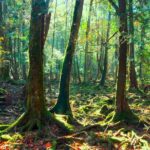
This is where the tour turns into something you can’t easily replicate on your own. You visit Aokigahara Jukai, often known as the Sea of Trees, and the stop is specified at Yacho no Mori Koen, the Wild Birds Forest Park.
The itinerary notes you’ll walk in a lava rock forest created by volcanic Read more (the idea being that you’re stepping onto ground shaped by Fuji-area volcanism). That’s the kind of detail that makes the walk feel scientific and emotional at the same time: the terrain itself shaped the atmosphere.
What I love about this part of the day:
- It’s a real change of pace from lake viewing.
- The forest walk gives you a sense of scale you don’t get from roads.
- The guide can point out nature details in a way that makes you pay attention to what you’re actually standing on.
From on-the-ground experiences guests describe, the guide often seeks seldom-used trails in the Aokigahara area, which means you’re more likely to get that quiet “out here by yourself” feeling. Some guides also share safety/nature notes, like reminders about dangerous mushrooms in the forest—useful, even if you’re just photographing.
Practical note: this is still a forest walk. You’ll want shoes that handle uneven ground, and you should be prepared for cold or damp conditions depending on the season. If you’re visiting in winter, it can feel extra still in the trees, and that can be magical—or just plain cold. Plan accordingly.
Pace, snack stops, and staying comfortable (even if weather turns)
The theme across this tour style is simple: slow down. You get time to linger at each stop instead of being herded along. That’s a major quality-of-life upgrade when you’re dealing with mountain weather, shifting visibility, and the physical reality of short walks.
You’ll also have opportunities for food stops along the route, even though food and drinks are not included. In real-world experiences, the guide has helped people find local eateries and even added moments like pastries/snacks breaks, plus bathroom breaks built into the flow. That makes the day feel smoother, especially if you’re using public transit or trying to keep a family comfortable.
Comfort gear shows up a lot in guests’ accounts: hiking boots, warm coats, gloves, hats, and even rain protection when conditions are iffy. If you travel light, this can make a noticeable difference.
And yes, if skies clear, stargazing can be possible. One guest described a quiet stargazing moment with tea under a new moon after a late-afternoon start. You won’t plan your entire day on it, but it’s a nice reminder that a private guide can adjust to what nature hands you.
Who this Mt. Fuji private nature tour is best for
Book this tour if:
- You want private time rather than chasing a fixed route.
- You care about forests, shrines, and waterfalls—not only the easiest Fuji photo spots.
- You want a guide who can adjust pace based on your energy level, including guests with mobility considerations who still want nature views.
- You like a day that’s flexible enough to spend extra minutes on photography and sky changes.
You might skip it if:
- You’re only interested in a single “look at Fuji” viewpoint and nothing else.
- You’re uncomfortable with forest walks or uneven natural paths.
- You need a hard, timetable-driven tour with zero variation. This day works best when you treat it as guided exploration.
The best mindset: come with a few must-sees (shrine, waterfall, lakes, forest). Then let your guide choose the order and the viewpoints based on weather and light.
Should you book this quiet, up-close Mt. Fuji day?
If your priority is quiet, personal pacing, and seeing the Fuji Five Lakes area through nature and culture—not through crowd logistics—this is an easy recommendation.
The main reason to book is not just the subject (Mt. Fuji). It’s the format: a private English-speaking guide/driver with pickup, a route built around lakes and forest places, and time to actually enjoy what you’re seeing. The price is high compared with buses, but you’re paying for the one thing most day trips in Japan struggle to deliver: calm.
If weather is a concern, keep your expectations flexible. When Fuji hides, you’ll still get a solid day in shrines, waterfalls, and volcanic forests. When Fuji shows, the payoff can feel like you got a front-row seat to the mountain rather than a poster view.
FAQ
Is this a private tour?
Yes. It’s a private tour/activity, so only your group participates.
How long is the tour?
It’s listed as about 5 to 6 hours.
What’s the meeting point and pickup like?
Pickup is offered from Kawaguchiko Station or from hotels in the Fujikawaguchiko area.
Do I need to bring lunch or snacks?
Food and drinks are not included, and lunch isn’t included. You’ll want to budget for meals or snacks during the day.
Is the tour in English?
Yes. It includes a native English-speaking guide/driver.
Which places are included in the route?
The itinerary includes Mount Fuji-area stops such as Kawaguchi Asama Shrine, Lake Kawaguchiko and Lake Saiko, Oishi Flower Park, Haha no Shirataki (Mothers White Falls), and Aokigahara Jukai at Yacho no Mori Koen.
Is there an admission fee for the main sights?
The itinerary lists admission ticket as free for the Mount Fuji stop portion.
What if the weather is bad?
This experience requires good weather. If it’s canceled due to poor weather, you’ll be offered a different date or a full refund.
Can children join?
Children must be accompanied by an adult.
What should I do if I’m not sure about my timing?
Choose a date during the operating window (8:30 AM to 11:30 AM) and plan for a 5 to 6 hour day, since pickup and the driving loop set the rhythm. Confirmation is received at booking time.