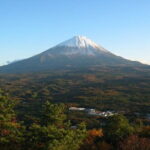
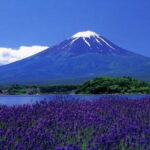
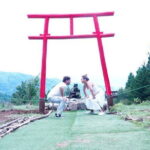
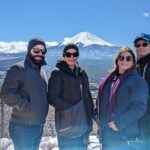
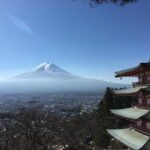
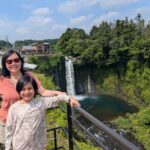
Mt. Fuji, minus the crowd. I love how this private drive trade-markets the quieter side of Kawaguchiko and the Fuji Five Lakes, with real lakeside viewpoints like Lake Kawaguchiko and Saiko Lake. I also love that Yuki shares on-the-road stories, especially at the Kawaguchi Asama Shrine and in the Aokigahara Jukai forest area. One consideration: getting to the 5th station on Mount Fuji is optional and weather-dependent, and the entrance fee for that part isn’t included.
This is built for small groups (up to 5) in an air-conditioned vehicle, with pickup offered and a mobile ticket you can use day-of. The whole outing runs about 6 hours, so you get several stops without feeling rushed from one photo spot to the next.
The best value move here is planning for lunch as an add-on (usually 1,000–2,000 yen), because the tour sets you up to try Yoshida udon rather than leaving you to search when you’re hungry. If you’re hoping for a guaranteed summit view, though, keep expectations flexible and let the weather call the shots for the Mount Fuji portion.
In This Review
- Key things to know before you go
- From Kawaguchiko to the quiet side of Fuji Five Lakes
- Yuki the local English guide: why the stories matter
- Logistics that keep six hours from feeling chaotic
- Lake Kawaguchiko: a Fuji-and-lake start that sets the tone
- Kawaguchi Asama Shrine: calm grounds and Mt. Fuji tradition
- Saiko Lake: the deep-blue, quieter water moment
- Aokigahara Jukai forest: lava fields, sacred ruins, and eerie-cool nature
- Lake Shoji: smallest Fuji Lake, best for peaceful Fuji time
- Menkyo-kaiden and Yoshida udon: lunch as local culture, not a scramble
- Optional 5th station on Mount Fuji: the big payoff, when conditions allow
- Fujisan Onsen Hotel Kaneyama-en garden: a seasonal break with public access
- Pickup, private driving, and how to think about value at $396.31
- Who should book this Hidden Fuji drive tour (and who shouldn’t)
- Should you book this Hidden Fuji drive tour?
- FAQ
- Is this tour only available from the Kawaguchiko area?
- How long is the tour?
- What’s the group size?
- Does the tour include pickup?
- Is there an English-speaking guide?
- Are entrance fees included for all stops?
- Is lunch included?
- Can we go to the Mount Fuji 5th station?
- What happens if the weather is poor?
Key things to know before you go
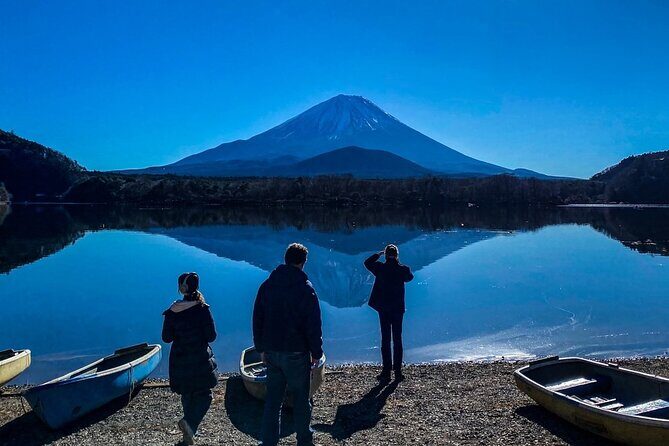
A small-group private route lets you spend time where you’ll actually enjoy the scenery.
English-speaking local guide Yuki helps you understand what you’re seeing, not just where it is.
Quiet Fuji Five Lakes stops include Lake Kawaguchiko, Saiko Lake, and Lake Shoji.
Aokigahara Jukai and lava history add a very different mood from classic viewpoints.
Yoshida udon time is built in, with lunch cost separate.
Optional Mount Fuji 5th station can be amazing, but weather determines it.
From Kawaguchiko to the quiet side of Fuji Five Lakes
If you’re picturing Mount Fuji as a queue of buses and camera sticks, this tour is a nice reality check. You’re based around Fujikawaguchiko-machi and the Kawaguchiko area, but the day’s rhythm is about stepping away from the most packed zones and moving through calmer roads and lakeside angles.
What I like best is the balance: you get classic Mt. Fuji framing when the weather cooperates, but you also get places that feel like they belong to locals and anglers rather than tour groups. That makes a difference. When you’re not constantly dodging crowds, you can actually hear your guide’s explanation, take in the details, and enjoy the slow “drive-and-look” tempo.
And because it’s private (just your group), you’re not trapped in a fixed pace. If the view is perfect at one stop, you can spend a little longer. If it’s cloudy, you can reset and enjoy the shrines, forest, and lakes even without a summit photo.
You can also read our reviews of more guided tours in Fujikawaguchiko machi

Yuki the local English guide: why the stories matter
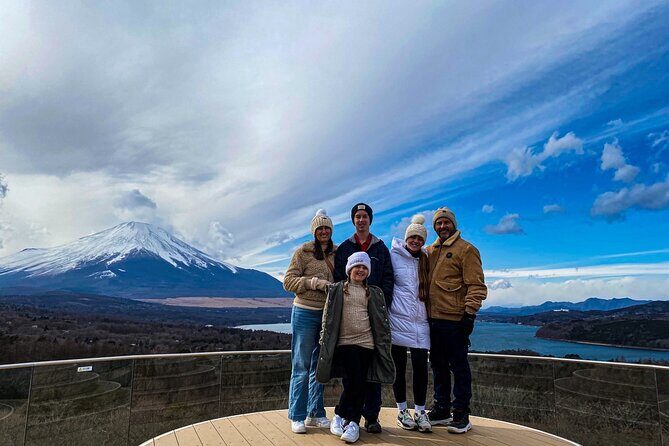
This tour is led by Yuki (ゆうき), a local English-speaking guide. The guide’s job here isn’t just interpretation. It’s translation of place into context—why a shrine sits where it does, why a forest is built on lava, and how these spots connect to Mt. Fuji as more than a backdrop.
That matters because it changes how you look at everything. At Kawaguchi Asama Shrine, for example, you’re not just visiting an old structure. You’re there to connect the shrine’s purpose—praying for Mt. Fuji’s eruption to settle down—with the idea of Mt. Fuji as a living presence in local belief. It’s also free to visit, so you’re not paying extra just to add meaning.
Yuki also builds the day around less-touristed viewpoints, which is one reason the reviews rate this tour so highly. The “away from the crowds” part isn’t a marketing slogan—it’s how the route feels in practice. You spend more time watching water and tree lines, less time checking where the next group is standing.
Logistics that keep six hours from feeling chaotic
On paper, 6 hours sounds like it could be rushed. In practice, the structure helps. You’re in an air-conditioned vehicle, and transportation between stops is handled for you, including parking fees in the package.
The timing is also designed to give you a chance to look up, not just move on: short stops for signature viewpoints and longer blocks for places that benefit from slower attention. Most stops list free admission, so you’ll spend less mental energy tracking fees.
A few practical notes so you can plan ahead:
- Lunch is optional and typically 1,000–2,000 yen per person.
- The Mt. Fuji entrance fee is 2,800 yen for the optional 5th station portion, and it’s not included.
- The day requires good weather, especially for the best Mount Fuji results. If weather cancels the plan, the experience may shift to a different date or you can get a full refund.
This is the kind of tour that works especially well when you have limited time around Kawaguchiko and want to make your day count.
Lake Kawaguchiko: a Fuji-and-lake start that sets the tone
Your day begins at Lake Kawaguchiko, with a short visit designed for views. It’s only about 10 minutes, and the admission is free, so think of it as a “positioning” stop—getting oriented and grabbing the kind of Mt. Fuji-and-water framing that makes this whole region famous.
Even if the sky is partly cloudy, this stop still pays off. You’re not just hunting for a single perfect shot. You’re getting your bearings and seeing how the lake sits in the Fuji basin. That context helps later stops feel more connected and less random.
One tip: if you arrive early enough and the weather is decent, keep your eyes on the waterline and not only the mountain. The lake reflections can change fast, and shorter stops mean you’ll want to be ready when the light shifts.
Kawaguchi Asama Shrine: calm grounds and Mt. Fuji tradition
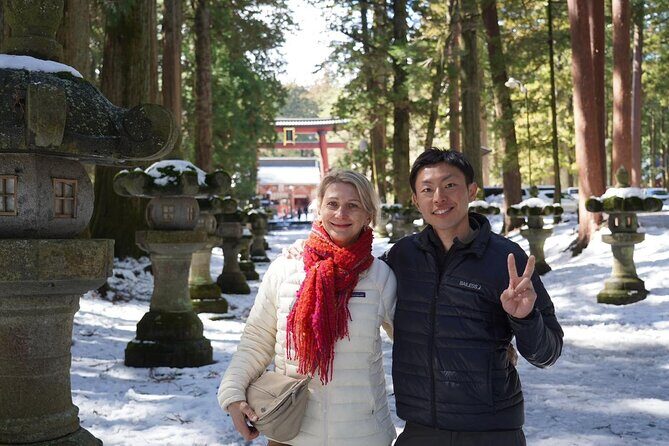
Next up is Kawaguchi Asama Shrine. This stop is around 30 minutes, also with free admission. The shrine is tied to prayers for Mt. Fuji’s eruption to settle down, and the area includes seven ancient trees.
This is a great break from drive time and view hunting. The shrine grounds give you a quieter mood and a chance to slow down. Also, shrines around Mt. Fuji aren’t just decorative; they reflect how communities responded to living with a volcano.
Potential drawback: because the stop focuses on a specific place of worship and history, it may not feel like a “big view” stop. But if you want one of those days where you learn something while you wander, this is a strong inclusion.

Saiko Lake: the deep-blue, quieter water moment
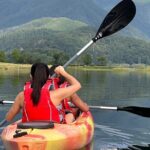
Then you head to Saiko Lake, with about 20 minutes on the water’s edge. This lake is described as having deep blue water and is fed by pure water from Mt. Fuji.
What I like about Saiko Lake is the tone. The stop is framed as calm and respectful of local anglers, so it’s not a loud “tourist perimeter” vibe. It’s also a stop that can feel rewarding even when Mt. Fuji is partly hidden, because the lake itself becomes the subject.
The admission is free, which helps, and the time window is short enough that you can keep the day’s energy without feeling like you’re trapped in transit.
Aokigahara Jukai forest: lava fields, sacred ruins, and eerie-cool nature
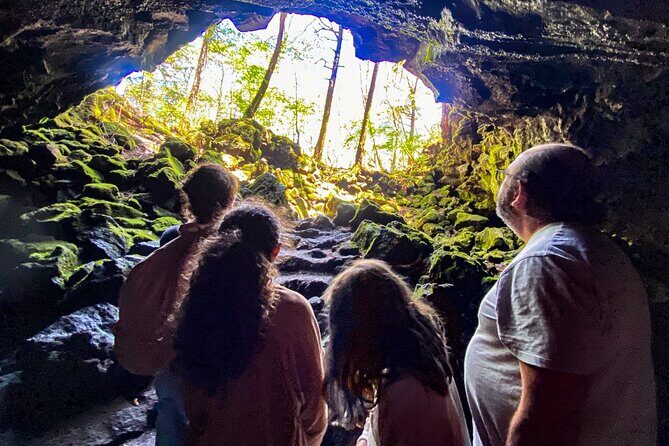
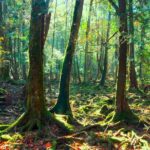
The mood shift here is real. You’ll spend about 1 hour at Aokigahara Forest, specifically Jukai, a forest that formed on a lava field from Mt. Fuji.
This isn’t just “trees.” The walk is paired with the chance to visit sacred ruins tied to Mt. Fuji worship—an area described as a lava cave created by one of the biggest eruptions. That’s a big idea, presented in a way that’s grounded in place.
Why it works: after lakes and shrines, the forest brings texture. You can feel the geology in how the area is described, and you get the sense that this part of Japan doesn’t treat Mt. Fuji as an occasional visitor. It’s the source of the ground under your feet.
Possible consideration: the tone here can feel more intense than a sunny lakeside stop. If you’re expecting classic postcard nature only, this forest adds a more serious, atmospheric layer. That’s also why it’s memorable.
Lake Shoji: smallest Fuji Lake, best for peaceful Fuji time
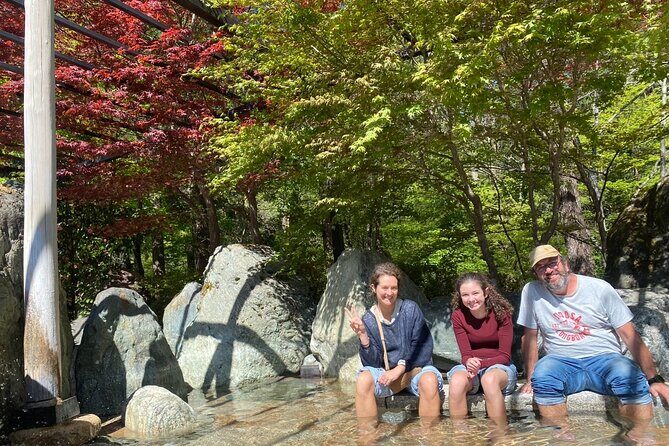
Next is Lake Shoji, the smallest of the Fuji Five Lakes. You’ll have about 30 minutes, with free admission. The lake is described as peaceful and quiet, and it’s considered one of the best places to see Mt. Fuji.
This is a smart stop to place later in the day because by now you’ve already built your mental map. Lake Shoji then becomes an answer to a question: where does the mountain look most calm? The quieter lakes help you see Fuji as a relationship with water, not just a single peak.
If you care about having a bit of space—time to look and not just photograph—this is a stop you’ll appreciate. It’s also a good one if your group likes slow travel and doesn’t need constant movement.
Menkyo-kaiden and Yoshida udon: lunch as local culture, not a scramble
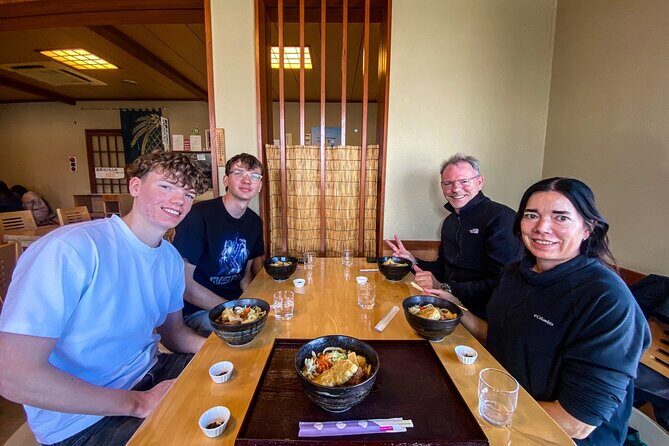
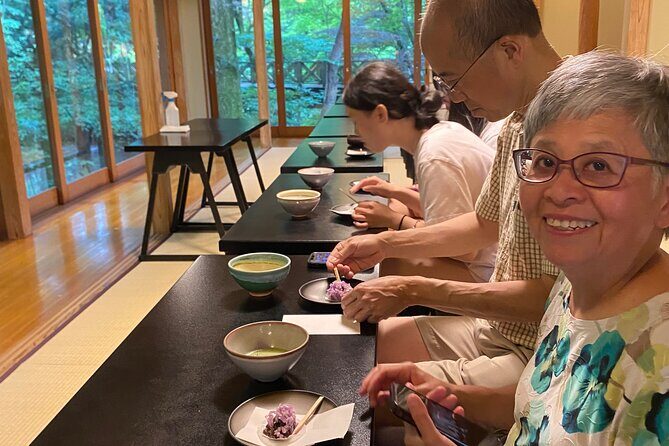
One of the best parts of this tour is that food isn’t treated as an afterthought. You stop at Menkyo-kaiden for about 45 minutes, and this is where Yoshida udon comes into the day.
Here’s the key detail you’ll want to remember: Yoshida udon noodles are thicker than usual and have a firm, chewy texture. That texture difference is exactly why this signature local food is worth planning around.
Lunch is not included in the price, but the tour gives you the time to handle it without stress. If lunch usually runs 1,000–2,000 yen, plan your budget so you’re not waiting for your money to catch up with your appetite.
In my view, this stop is also about convenience. You’re in a smaller region with plenty of small options, and hunting for the right bowl while your timing is dictated by your car schedule can be annoying. This is a tour that removes that headache.
Optional 5th station on Mount Fuji: the big payoff, when conditions allow
About Mount Fuji (optional stop), you can approach up to the 5th station if the weather is good. The optional time is about 1 hour and includes a short hike if conditions allow.
This is where the tour can feel like a once-in-a-lifetime twist. If you get clear visibility, you’re not just seeing Mt. Fuji from a distance—you’re getting closer and experiencing the mountain at a different scale. That’s the main reason people build their days around weather forecasts here.
Cost note: the Mt. Fuji entrance fee is 2,800 yen and is not included in the base price. Also, the tour requires good weather, and if conditions prevent the plan, you should expect the schedule to be adjusted or the booking refunded or moved.
Practical consideration: if you’re someone who needs a summit-style experience no matter what, you’ll still want to keep flexibility. The guide can’t control clouds, and the route is built around weather reality.
Fujisan Onsen Hotel Kaneyama-en garden: a seasonal break with public access
After the mountain plan, you end with a more relaxed, human-scale stop at Fujisan Onsen Hotel Kaneyama-en. You’ll have about 30 minutes, and the garden is described as open to the public.
This hotel is noted as one of the most historical and fancy places in Fujiyoshida city, and the Japanese-style garden gives you a different kind of closure: not a lookout, but a slow stroll through seasonal cues. It’s a smart finish because it lets your body decompress after driving and walking.
Admission is listed as free for this stop, so it adds atmosphere without extra cost. If you enjoy gardens or you want your final hour to feel quieter than the earlier “go-go-view” style, this works well.
Pickup, private driving, and how to think about value at $396.31
The price is $396.31 per group (up to 5). At first glance, that can sound steep if you compare it to per-person group tours. But private driving in a spread-out area isn’t cheap, and here you’re paying for a local guide, transportation time, and a route that avoids lots of crowd friction.
What you get included:
- English-speaking local guide (Yuki)
- Air-conditioned vehicle
- Parking fees
- Most stops have free admission
- Pickup is offered
- Mobile ticket
What you should budget separately:
- Lunch: typically 1,000–2,000 yen per person
- Mt. Fuji 5th station fee: 2,800 yen (optional and not included)
A simple value way to judge it: if you split the group price across 4–5 people, the per-person cost drops sharply, and you also avoid the “time tax” of waiting for buses or shoehorning your day around other groups. Reviews score this tour at 5 stars across dozens of bookings, and the comments line up on one theme: you get a smoother, more personal day with Yuki guiding you to lesser-visited spots away from the biggest crowd patterns.
Also, the tour is often booked about 60 days in advance. If your dates are firm, don’t wait for the last minute—especially if you’re hoping for a Mount Fuji-friendly forecast.
Who should book this Hidden Fuji drive tour (and who shouldn’t)
You’ll probably love this tour if you:
- Want quiet Mt. Fuji time around Kawaguchiko and the Fuji Five Lakes
- Prefer a private group over buses and fixed crowd pacing
- Appreciate a guide who explains what you’re seeing, especially at shrines and in Aokigahara
- Want local food built into the day with Yoshida udon
- Have a flexible mindset about Mt. Fuji visibility because weather can change fast
You might not love it as much if you:
- Need a guaranteed summit-level Mount Fuji experience regardless of cloud cover
- Don’t enjoy nature areas with a more serious, lava-and-worship context (Aokigahara is a different vibe than lakeside)
- Want a day packed with long stops at only the most famous viewpoints
If you match the first list, this is the kind of day that feels like you “did Fuji right,” but on your own schedule and away from the loudest routes.
Should you book this Hidden Fuji drive tour?
Book it if you want a calm, well-timed day around Kawaguchiko with an English guide named Yuki, plus a route that makes room for shrines, lakes, and Aokigahara. The biggest reason to choose this over a more generic tour is simple: you’ll spend time where the day feels quieter and more local, and you’ll understand the why behind several key stops.
Skip it (or treat it as a backup) if you’re the type who can only accept one outcome: clear views from the Mount Fuji 5th station. Since that portion is optional and weather-dependent, you’ll want to be okay pivoting toward lakes, forest, and garden if the mountain hides.
If you’re reading this with your group already in the Kawaguchiko area, you’re the exact match. And if you can, plan ahead—booking about 60 days out gives you more chances at a good day.
FAQ
Is this tour only available from the Kawaguchiko area?
Yes. It’s available only for clients who are coming to the Kawaguchiko area themselves or who are already staying in the area.
How long is the tour?
The tour runs about 6 hours.
What’s the group size?
It’s a private tour for your group, with a maximum of 5 people.
Does the tour include pickup?
Pickup is offered.
Is there an English-speaking guide?
Yes. The tour includes an English-speaking local guide, Yuki.
Are entrance fees included for all stops?
Most stops list free admission. The Mt. Fuji entrance fee (2,800 yen) is not included because the 5th station portion is optional.
Is lunch included?
Lunch is not included. It’s an optional expense, usually 1,000–2,000 yen per person.
Can we go to the Mount Fuji 5th station?
It’s optional. You can approach up to the 5th station if the weather condition is good. The entrance fee is not included.
What happens if the weather is poor?
The tour requires good weather. If it’s canceled due to poor weather, you’ll be offered a different date or a full refund.