REVIEW · FUJIKAWAGUCHIKO MACHI
Mt. Fuji Five Lakes Area Private Tour with Licensed Guide(Kawaguchiko area Dep)
Book on Viator →Operated by Japan Guide Agency · Bookable on Viator
You can see a lot of Mt. Fuji country fast. This private tour is built for a 6-hour day out of Kawaguchiko, with a licensed English-speaking guide and flexible stops that range from ropeway vistas to an ice cave. I love the way the guide helps you string together big highlights without turning your day into a confusing transit puzzle.
Two things I especially like: you get a real guided route with a multilingual, government-licensed local guide, and you can shape the day by choosing 2–3 sites from the list instead of being forced into a rigid checklist. That choice matters because some stops are quick photo hits, while others eat up time.
One drawback to plan around: the entrance fees and lunch aren’t included, and it’s still a walking day using public transportation. If you pick the wrong combination (for example, several crowded viewpoints close together), you may feel rushed or spend more time on buses than you want.
In This Review
- Key highlights you’ll actually feel on the day
- Mt. Fuji Five Lakes in 6 Hours: what you’re really buying
- Price and value at about $155.22 per person
- Meet-up at Kawaguchiko: easy start, simple end
- The big decision: choose the right 2–3 sites
- Mt. Kachi Kachi Ropeway: Mt Tenjo views by the lake
- Chureito Pagoda: the classic postcard shot (with crowds in mind)
- Shrines with Fuji focus: Sengen traditions and sacred cedar details
- Oshino Hakkai ponds: eight springs, one easy stroll
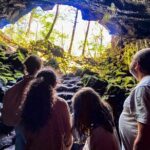
- Narusawa Ice Cave: walking among year-round ice pillars
- Subaru Line 5th Station: where the air feels different
- Lake Kawaguchiko and Lake Yamanaka: calmer pacing after the buses
- Licensed guides and the difference a good plan makes
- How to make the day smoother (and your photos better)
- Who this tour fits best
- Should you book this Mt. Fuji Five Lakes private tour?
- FAQ
- How long is the Mt. Fuji Five Lakes area private tour?
- Where do you meet the guide, and how does the tour start?
- What’s included in the price?
- Are entrance fees included?
- Is it truly private?
- Is there a cancellation window for a full refund?
Key highlights you’ll actually feel on the day
- Licensed English guide who can explain what you’re seeing (and help with sensible timing)
- Private group: only your party, so you can move at your pace
- Choose 2–3 stops from ropeways, pagodas, shrines, ponds, ice cave, 5th station, and lakes
- Fuji photo-friendly stops like Chureito Pagoda and Sengen Shrine viewpoints
- Longer “wow” options such as Narusawa Ice Cave and the Subaru Line 5th Station
- Drop-off back around Kawaguchiko so the day ends where you’re staying
Mt. Fuji Five Lakes in 6 Hours: what you’re really buying
You’re not just paying for transport. You’re paying for a guided plan that turns the Fuji Five Lakes area into something you can actually absorb in one go.
In a typical 6-hour rhythm, you’ll move between classic photo stops and at least one bigger-time attraction—like the ice cave or Subaru Line 5th Station—while your guide handles the practical flow. That’s the real value: you spend your energy watching and photographing, not figuring out which bus to take and when.
You can also read our reviews of more guided tours in Fujikawaguchiko machi

Price and value at about $155.22 per person
At $155.22 per person for roughly 6 hours, this sits in the “worth it if you care about timing” category.
Here’s the deal with value: the guide is included, but transportation fees, entrance fees, and lunch are not. So if you select mostly paid sights (or want to add extra time for photos and snacks), your total day will be higher. If you’re the type who wants at least one major paid attraction—like Narusawa Ice Cave or the 5th Station—this cost structure starts to make sense.
Also, this is booked about 57 days in advance on average, which is a hint to plan ahead if you’re traveling during peak seasons.
Meet-up at Kawaguchiko: easy start, simple end
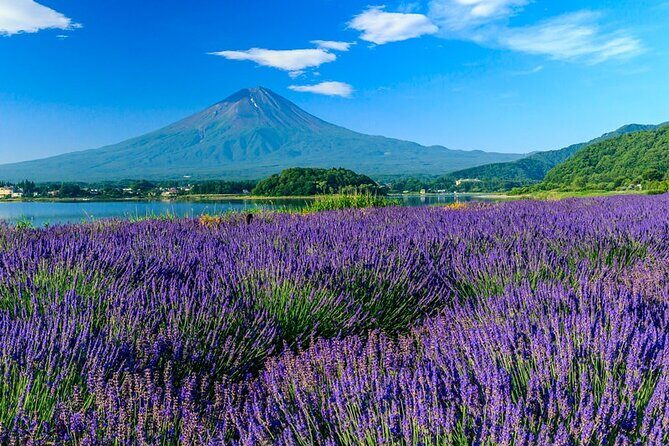
The meeting point is Kawaguchiko Station (Funatsu area). Pick-up here is on foot, not by a private vehicle—your guide meets you within a designated area.
At the end, your guide drops you back around Kawaguchiko, even down to your hotel area if you want. That matters because it keeps the day from unraveling into extra commuting, especially when you’re tired from walking and bus hops.
The big decision: choose the right 2–3 sites
This tour is customizable: you pick 2–3 sites from the options. That choice is where your day can go from great to just okay.
To make it work, think in “time sizes”:
- Quick photo stops (often around 5 minutes): places like Chureito Pagoda and Sengen-related shrines
- Medium time: Oshino Hakkai ponds (short stroll, then photos)
- Longer wow stops: Narusawa Ice Cave (about 30 minutes) and Subaru Line 5th Station (about 1 hour)
- Lakes as breathers: Lake Yamanaka and Lake Kawaguchiko offer photo breaks and a chance to reset after transit
If you choose two quick crowded spots back-to-back, you might spend more time waiting for clean viewpoints than actually seeing the details you came for. On the other hand, pairing one “serious time” stop (ice cave or 5th station) with a shrine or pagoda is usually a sweet spot.
Mt. Kachi Kachi Ropeway: Mt Tenjo views by the lake
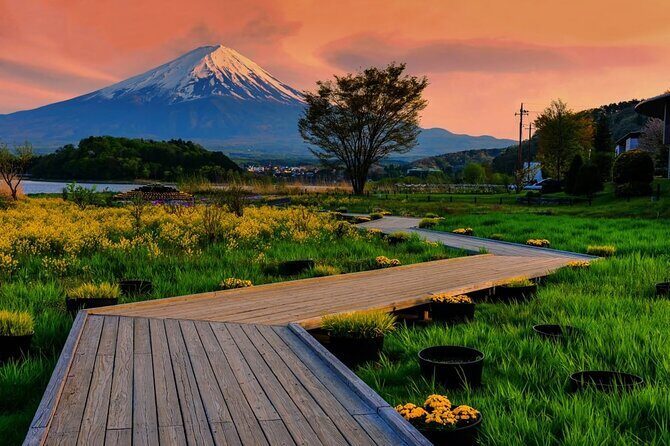
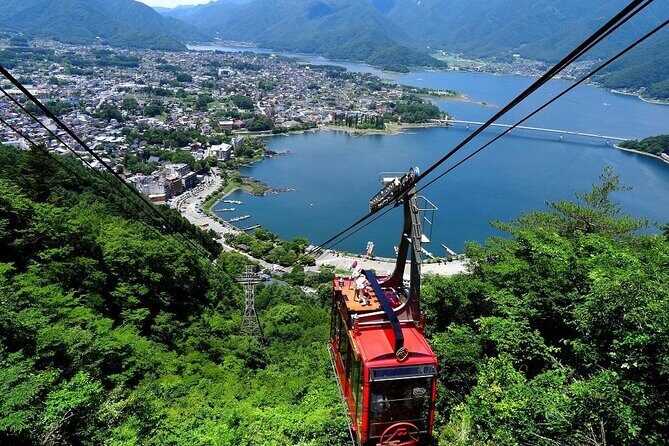
One of the most Fuji-friendly starts is Mt. Fuji Panoramic Ropeway—the Mt. Kachi Kachi Ropeway—which takes you up toward Mt Tenjo.
What you’re gaining here is an elevated sweep over Lake Kawaguchiko and the surrounding Fuji country. Ropeways are also useful because you don’t have to commit to a long hike to get a big visual payoff.
Two practical notes: the ride itself has that classic “camera ready at the best moment” feel, and since this is a short stop option, it pairs well with a longer attraction later. Entrance isn’t included, so budget for it when you plan your total day.
You can also read our reviews of more private tours in Fujikawaguchiko machi
Chureito Pagoda: the classic postcard shot (with crowds in mind)
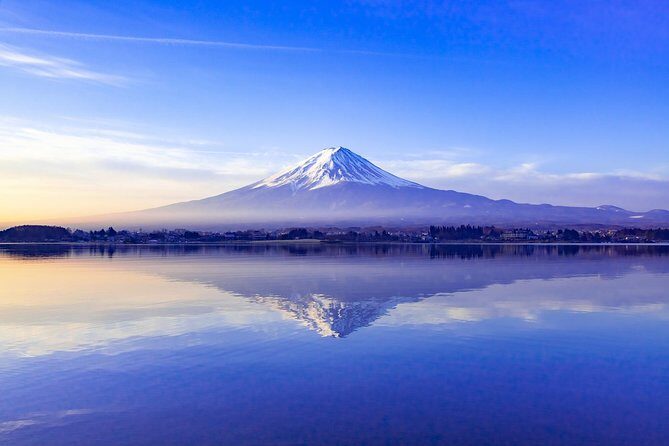
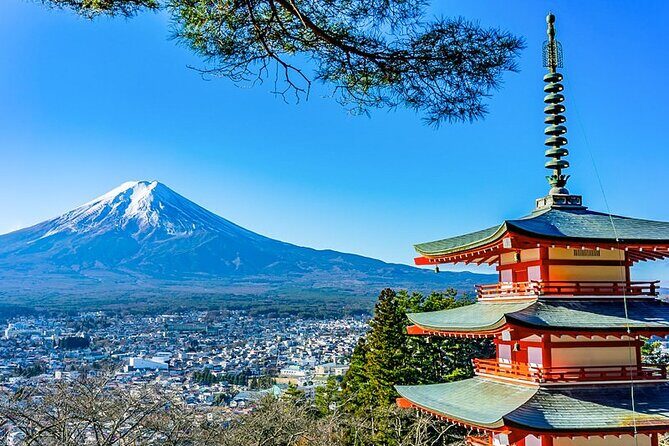
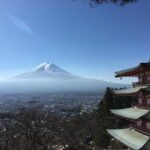
Chureito Pagoda is part of the Arakurayama Sengen Shrine area and is one of the most popular Mt. Fuji photo spots near Fujiyoshida.
The photo value is obvious: the red five-storied pagoda framed with Mt. Fuji is the kind of image people travel for. But popularity has a cost. If your timing is off, you’ll have to work for a clear shot, and it can feel tight around the viewpoints.
My advice is simple: treat this as a must-see photo stop, but don’t plan to linger like you’re alone on a hike. If you’re going for crisp photos, arrive with patience and accept that you’ll shoot, adjust, and move on.
Shrines with Fuji focus: Sengen traditions and sacred cedar details
Shrines around Mt. Fuji are more than scenic backdrops. They give you the cultural frame for why this volcano has such gravity in Japanese life.
You may visit Kitaguchi Hongu Fuji Sengen Jinja (North side of Mt. Fuji), a Shinto shrine located between Lake Kawaguchiko and Lake Yamanaka. Or you may also encounter Kawaguchi Asama Shrine (Sengen Shrine), built to calm an eruption in 864 and tied to a sacred tree of seven cedars called Shichi-hon Sugi.
What I like about shrine stops on a guided day: you don’t just walk through pretty places—you understand the intention behind them. These are also good “short time” options, which helps you balance a day that includes longer stops like the ice cave or 5th station.
Oshino Hakkai ponds: eight springs, one easy stroll
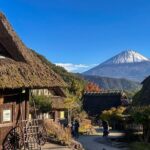
Oshino Hakkai is a traditional village near the Fuji Five Lakes area, known for eight ponds fed by spring water from Mt. Fuji snow melt.
This is one of those stops where the experience is slower than the photos suggest. You’ll want time to look at the water surfaces, notice how each pond sits as its own little scene, and pause for the classic viewpoints around the area.
It’s also a smart pairing with a shrine or pagoda because it adds variety. Instead of another high viewpoint, Oshino Hakkai gives you something grounded and human-scale.
Entrance isn’t included per the plan, so double-check what you’ll pay once you get there, depending on what parts you choose to enter.
Narusawa Ice Cave: walking among year-round ice pillars
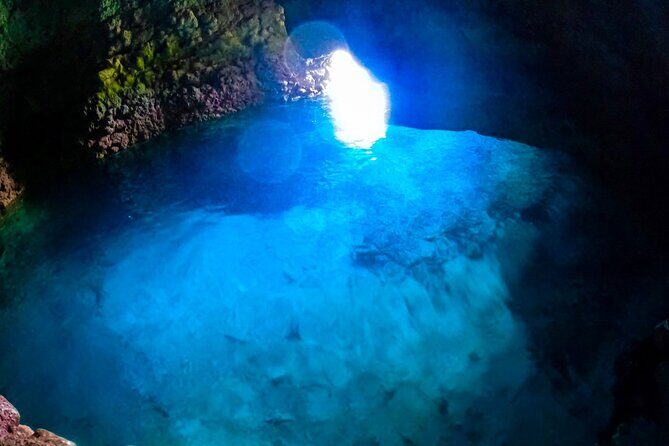
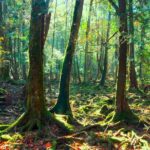
If you want one stop that feels truly different, pick Narusawa Ice Cave in the Aokigahara Forest.
This is a lava cave about 153 meters, and you can walk inside to see ice pillars and ice walls that are visible all year round. The contrast is what makes it memorable: you’re in forest terrain, then suddenly you’re moving through a space defined by ice.
The stop time is about 30 minutes, which is just enough to see the main features without feeling like a slow museum tour. This is also a good choice for mixed-weather days, because even when Fuji is shy behind clouds, the ice cave still delivers a strong visual.
Entrance isn’t included, so again: budget for it. But if you’re only picking one “special” attraction, this one is a strong candidate.
Subaru Line 5th Station: where the air feels different
The Fuji Subaru Line 5th Station sits around the halfway point of the Yoshida Trail. This stop is listed for about 1 hour, which tells you it’s meant to be a real experience, not a rushed photo moment.
At the 5th station, you’ll be thinking about altitude and weather. Visibility can make or break the view of Mt. Fuji here, so treat it like your “weather-dependent payoff” stop.
The payoff is worth considering because this is one of the few spots in the area where you feel like you’re closer to the mountain itself. If you hate rushing, choose this as one of your longer stops and keep your other choices simpler.
Lake Kawaguchiko and Lake Yamanaka: calmer pacing after the buses
The tour options include both Lake Kawaguchiko and Lake Yamanaka, with listed time that suggests one lake can be a quick sight break while the other can be a longer breather.
I like adding lake time because it helps your brain recover from hills, stairs, and crowded viewpoints. Even short lake moments can reset your photos and give you that clean, open-air feeling that makes the whole day feel less hectic.
Also, lakes help when Mt. Fuji is partially hidden. While you may not always get a perfect mountain frame, you still get reflections, shoreline views, and an overall sense of place in the Fuji Five Lakes region.
Licensed guides and the difference a good plan makes
This is led by a government licensed local English-speaking guide. That means you get more than directions. You get context, pacing advice, and help interpreting what you’re seeing in the moment.
In the guide roster you might encounter names like Chinami (Cindy), who has a reputation for thoughtful pacing and keeping a timetable, or Yoshi, described as friendly and energetic, or Moto, praised for organizing a scenic, detail-focused day. Since this is private, the guide can also steer your plan toward what’s working that day.
One thing I’ve learned from great guiding: the route should match your energy level. If you want photos, they’ll time viewpoints. If you want fewer crowds, they’ll adjust within the options. And if you’re sensitive to walking, they’ll aim to keep the day from turning into a sprint.
How to make the day smoother (and your photos better)
Here’s how I’d set yourself up for a better 6-hour run through Fuji country:
- Bring layers. You’re moving from lakes to higher viewpoints to forest terrain, and temperature can swing.
- Use the guide to manage crowds. Chureito Pagoda is famous, so expect competition for good angles and plan your shooting accordingly.
- Choose one “big time” stop and one “short story” stop. Pairing Narusawa Ice Cave with a shrine or pagoda usually keeps the day balanced.
- If you’re hoping for a clear Mt. Fuji view at the 5th station, keep expectations flexible and treat the day as a mix of views and experiences.
And yes, you’ll use public transportation and you’ll be walking. That’s not bad—it’s the most realistic way to do this area from Kawaguchiko—but it does mean you should wear good shoes.
Who this tour fits best
This private day works especially well if:
- You want a simple, guided plan from Tokyo-area Fuji country without bouncing between train and bus lines solo
- You’re traveling with a partner or small group and want a private experience
- You care about major highlights like Chureito Pagoda, Oshino Hakkai, and at least one “wow” stop such as the ice cave or 5th station
- You want flexibility, because you can select 2–3 sites instead of committing to everything
If you prefer to roam freely without structure, you might feel constrained by choosing ahead. But if you’re like most first-timers who want the best shots and the best use of time, this format is a practical winner.
Should you book this Mt. Fuji Five Lakes private tour?
I’d book it if you want a guided day that treats Mt. Fuji country like a real itinerary, not a grab-bag of transfers. The licensed English guide, the private format, and the ability to choose 2–3 sites make it a good value for a limited time window.
Skip it (or be extra careful with your stop choices) if you strongly dislike crowds and you’re the type who hates bus time. Also, since entrance fees and lunch aren’t included, pencil in those costs so the final day budget feels comfortable.
If you’re traveling during busy season, don’t wait at the last minute. Aim to lock it in early—this area can move fast, and you’ll feel better knowing your guide is confirmed.
FAQ
How long is the Mt. Fuji Five Lakes area private tour?
The tour is about 6 hours.
Where do you meet the guide, and how does the tour start?
You meet your guide on foot within the designated area near Kawaguchiko Station. Pickup is not described as a private vehicle pickup.
What’s included in the price?
Included items are the licensed local English-speaking guide and a customizable tour of 2–3 sites you choose. Mobile ticket is mentioned as a feature.
Are entrance fees included?
No. Entrance fees are not included, and lunch isn’t included either.
Is it truly private?
Yes. It’s a private tour/activity, meaning only your group participates.
Is there a cancellation window for a full refund?
Free cancellation is offered up to 24 hours in advance for a full refund.