REVIEW · OSAKA
Cooking Ramen&Gyoza/KatsuCurry/Bento/Okonomiyaki+Store Tour@Osaka
Book on Viator →Operated by Osaka Cooking Base · Bookable on Viator
Osaka food lessons work best when they do two things: feed you and teach you. This cooking experience around Osaka Tenmangu Shrine does both, with a guided walk through local shops before you cook your chosen dish in a small, hands-on class taught by Rie and her team at Osaka Cooking Base. I like that you get practical technique tips you can repeat at home, not just a meal. I also like the warm, community-style feel—people around the table make it feel like you’re joining real life, not performing for tourists. One thing to consider: the shop walk is described as part cultural exploration, and one mixed note suggests it may not feel like full ingredient shopping for everything you’ll cook, so set expectations.
You also have real choices. You’ll pick from Okonomiyaki, Bento, Katsu Curry, or Ramen & Gyoza, which keeps the class from feeling like a one-size-fits-all performance. And because it’s private (just your group), the instructor can give feedback tailored to your pace. The schedule is short—about 3 hours total—so it’s a good fit when you want a meaningful food experience without burning a whole day.
In This Review
- Key things to know before you go
- From Tenmangu streets to the kitchen: how the day flows
- The “why this order matters”
- The Tenmangu area shop walk: local ingredients, not tourist talk
- What you should expect (and what you might not)
- Your cooking choice: four Osaka dishes, four different skills
- What makes the “choose your dish” part valuable
- Real-life learning style
- How the instructor support works in a small-group setup
- Private by your group, with the right amount of structure
- Price and value: is $85.89 a good deal?
- Who gets the best value
- The restaurant-meets-home vibe: what you’ll taste and how it lands
- Practical logistics you can plan around
- Who should book this Osaka cooking class?
- Should you book Osaka Cooking Base?
- FAQ
- FAQ
- Which dishes can I choose to cook in Osaka?
- How long does the experience last?
- Is the cooking lesson taught in English?
- Where does the tour start?
- Does the tour end at the same place it starts?
- Is it a small-group experience or a private one?
- Can I bring up dietary restrictions or allergies?
- Is public transportation nearby?
- What happens if the weather is bad?
- What is the cancellation policy?
Key things to know before you go
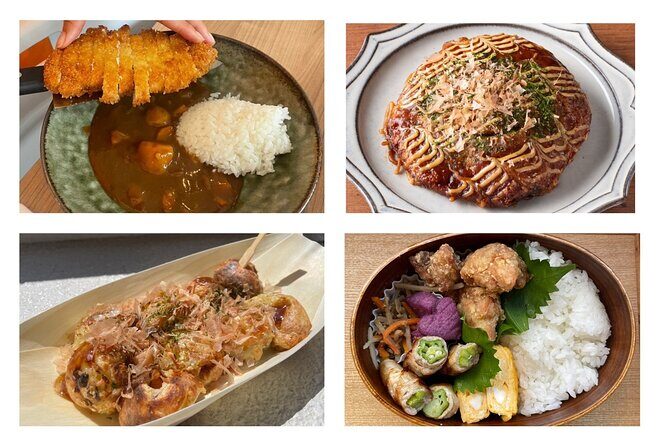
- Pick your main dish: Okonomiyaki, Bento, Katsu Curry, or Ramen & Gyoza, so the class matches what you actually want to learn.
- Start at the Tenmangu area: A guided walk near Osaka Tenmangu Shrine through local shops most visitors won’t find on their own.
- English instruction with hands-on practice: The cooking class is taught in English with attention to technique and how to get results.
- Personal feedback comes from small grouping: The format is designed for more instructor attention than big, seat-and-watch activities.
- Community energy at the table: Notes mention sharing food with the instructors, including an older family-style helper (an obachan).
- Weather matters: It requires good weather, with an alternate date or refund if it’s canceled for weather.
From Tenmangu streets to the kitchen: how the day flows
This experience is built around two parts that complement each other: a short cultural walk and then a cooking class. The total time is about 3 hours (the cooking portion runs roughly 2.5–3 hours), and it ends where it starts, making it easy to plug into a day of sightseeing.
It begins at 1-chōme-17-10 Tenjinbashi, Kita Ward, Osaka, 530-0041. You’ll want to arrive a few minutes early so you’re not rushing when the group starts moving. The tour uses a mobile ticket, which keeps check-in simple.
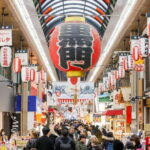
You can also read our reviews of more shopping tours in Osaka

The “why this order matters”
I like this structure because the walk isn’t just a warm-up. It gives you context for the ingredients and the habits behind Japanese home cooking. After that, you jump straight into technique: grating, mixing, shaping, frying, simmering—whatever matches your selected dish—so the food makes sense while you’re still mentally in Osaka mode.
The Tenmangu area shop walk: local ingredients, not tourist talk
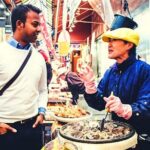
The walk starts near Osaka Tenmangu Shrine, in an area where you’ll see the kinds of shops that serve everyday cooks. The goal isn’t sightseeing trivia. It’s getting you close to daily food culture: how locals shop, what seasonal ingredients look like, and how people think about cooking as part of routine.
During the walk, you’ll meet friendly shop owners and have a chance to ask questions. You’ll also get a sense of what changes by season—something you can’t easily spot from a menu photo. This is where the experience earns its authenticity: it’s not just showing you food. It’s showing you the systems that produce food.
What you should expect (and what you might not)
One mixed note mentions that the shopping portion didn’t feel like a full ingredient run for the recipes. That’s important for your expectations. The experience still includes a walk through local shops, but the description emphasizes cultural exploration and learning, not a do-it-all market procurement mission.
If your top priority is to buy ingredients to cook the same dishes at home, treat the shop walk as inspiration and context. For hands-on shopping, you may want to add time elsewhere in Osaka after the class.
Your cooking choice: four Osaka dishes, four different skills
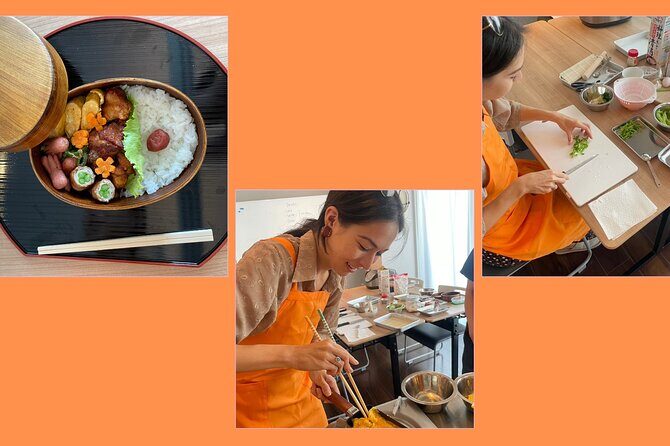
After the walk, you head to the kitchen for your class. You choose what you want to cook from:
- Okonomiyaki
- Bento
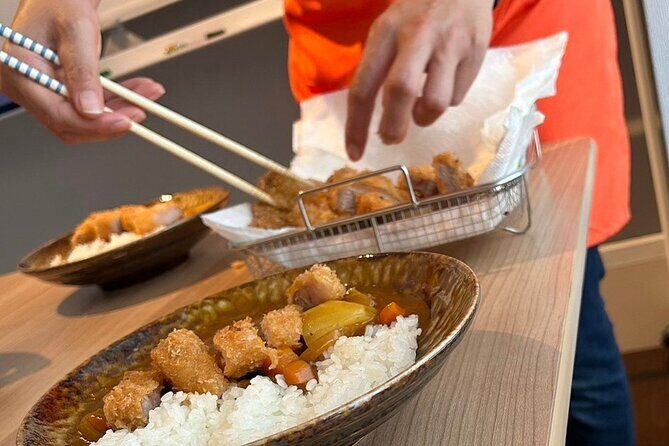
- Katsu Curry
- Ramen & Gyoza
Classes are taught in English and described as beginner-friendly, with techniques you can realistically repeat at home.
You can also read our reviews of more cooking classes in Osaka

What makes the “choose your dish” part valuable
Most cooking classes only teach one fixed menu. Here, you pick the dish that matches your tastes. That matters because you’ll learn with motivation. If you came to Osaka hungry for comfort food, you’ll probably get more out of learning the method behind what you already crave.
Also, different dishes teach different cooking skills:
- Okonomiyaki teaches griddle timing and how to build a savory pancake.
- Bento teaches structure—how to think in components, textures, and balance.
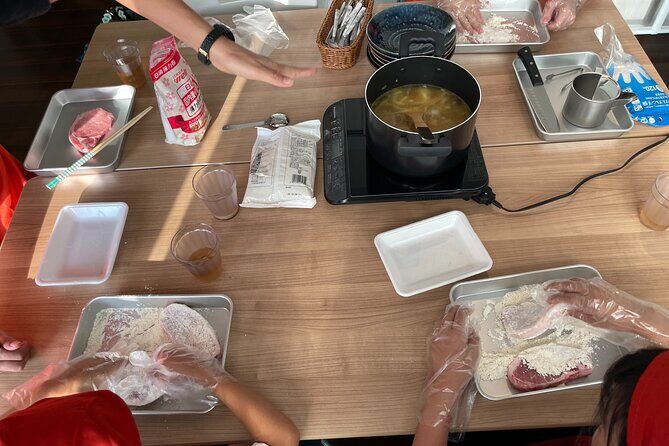
- Katsu Curry teaches breading and frying basics, plus how curry sauce flavor works.
- Ramen & Gyoza teaches assembly habits and how dumplings and noodles come together as a system.
Real-life learning style
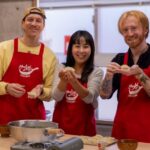
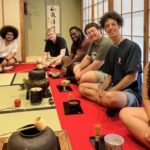
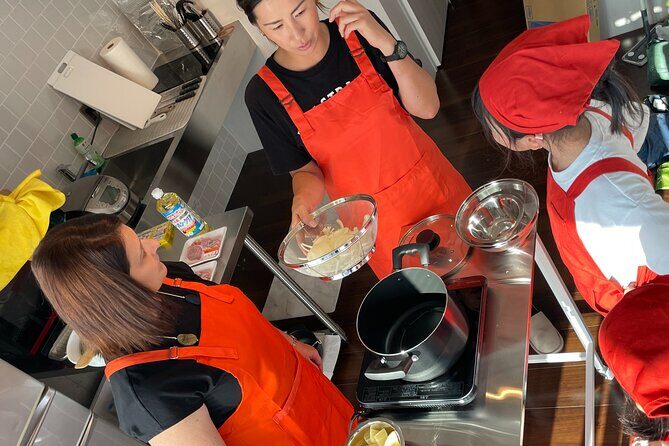
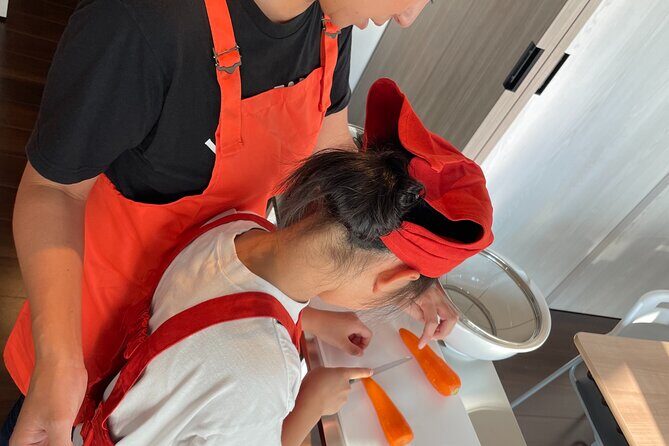
The class is set up for more than passive watching. Reviews highlight that instructors take time with you and adjust their explanations when needed. In particular, Rie is mentioned as an excellent teacher, and notes also describe the feeling of learning alongside a kind, older helper (an obachan). That “together at the table” vibe matters because it removes the intimidation factor. You’re making food, not just taking pictures.
How the instructor support works in a small-group setup
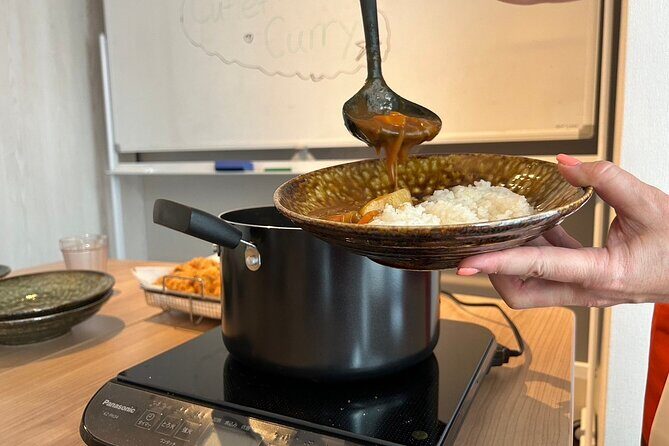
The experience is designed as a small-group class, which translates to feedback when you need it. That’s one of the biggest quality signals in any cooking lesson: can the teacher see what you’re doing and correct small issues?
You’ll likely get hands-on guidance on technique—things like how the batter should look, how the curry comes together, or how gyoza shaping and cooking should progress. This is also why the class is a good option for families. One review specifically calls out a nine-year-old making Katsu Curry, which is a strong sign that the activities can be scaled to different confidence levels.
Private by your group, with the right amount of structure
It’s also described as a private tour/activity. Only your group participates. That generally helps the experience feel less rushed and more comfortable—especially if you’re traveling with teens who want to move at their own speed or with adults who don’t want to share the lesson with strangers.
If you’re going as a larger private group, the experience notes that this can be accommodated for an additional cost.
Price and value: is $85.89 a good deal?
At $85.89 per person, this isn’t a cheap activity. But it also isn’t trying to be. You’re paying for three things at once:
- Time with an English-speaking instructor who guides you step-by-step.
- A hands-on class where you cook and eat, not just watch.
- A guided local shop walk tied to Osaka Tenmangu area food culture.
The average booking window—about 31 days in advance—suggests many people plan ahead. That’s usually a sign the class is popular enough that you shouldn’t wait too long if your dates are fixed.
Who gets the best value
You’ll feel the best value if you want to:
- learn a method you can repeat at home,
- eat something beyond “I tried it once,”
- and prefer guided local context over restaurant-only meals.
If you already cook well and just want a quick snack, you might feel this is pricier than a normal meal. But if you want skills, this pricing makes more sense.
The restaurant-meets-home vibe: what you’ll taste and how it lands
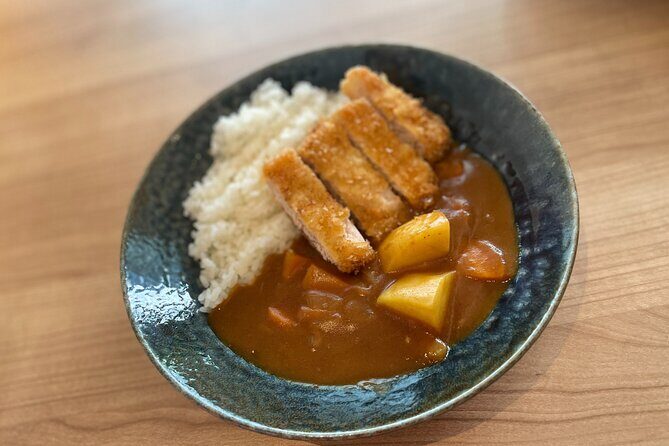
The class isn’t described as a tasting that ends when you’re full. It’s framed as a warm, welcoming space where travelers, families, and locals can share the food you make.
Reviews repeatedly mention that the food is excellent and very filling. People also talk about how enjoyable the experience is, not just the final dish. One featured note describes being inspired by having okonomiyaki and yakisoba in a restaurant and then wanting to learn how to make it themselves. That’s basically the right mindset for this class: you’re turning a meal memory into a repeatable skill.
And for anyone worried it will feel stiff or overly formal: the community style shows up in how the instructors work with you and in the shared nature of the meal.
Practical logistics you can plan around
This isn’t the kind of tour where you need special gear. Still, a few details can make your day smoother:
- Duration: about 3 hours total, with cooking taking 2.5–3 hours.
- Location: Start and end at the same Tenjinbashi (Kita Ward) meeting point.
- Transit-friendly: it’s described as easy to reach by public transportation and near transit.
- Mobile ticket: you’ll have what you need on your phone.
- Dietary needs: if you have allergies or dietary restrictions, you should consult in advance.
- Weather dependence: it requires good weather; if it’s canceled due to poor weather, you’ll be offered another date or a refund.
If you want to build a smooth Osaka day, I’d schedule it so you’re not trying to catch a tight train right after. You’ll be eating, and you’ll want time to recover before your next stop.
Who should book this Osaka cooking class?
This experience fits especially well if you:
- want hands-on cooking in Osaka (not just restaurant sightseeing),
- like the idea of learning a dish you actually love,
- enjoy food culture context near Tenmangu Shrine and the surrounding shops,
- or you’re traveling with families and teens who might prefer doing something active.
It may be less ideal if you:
- expected the shop walk to function like a full ingredient shopping tour for everything you’ll cook,
- or you’re looking for a super-fast, low-cost activity.
Should you book Osaka Cooking Base?
If your goal is to leave Osaka with real cooking know-how, I’d book this. The combination of a local shop walk near Osaka Tenmangu Shrine and a structured, English-taught class where you cook your chosen dish is a strong use of a half-day.
The price is fair for what you get—guidance, ingredient context, and a meal you helped make. And the reviews strongly emphasize teacher support and a friendly, family-style energy that makes the class feel comfortable, even if you’re a first-time cook.
Just remember one key consideration: treat the shop portion as learning and browsing. For heavy ingredient shopping, plan extra time separately. If you’re aligned with that, you’ll likely walk away with more than photos—you’ll have methods you can use at home.
FAQ
FAQ
Which dishes can I choose to cook in Osaka?
You can choose from Okonomiyaki, Bento, Katsu Curry, or Ramen & Gyoza.
How long does the experience last?
The class experience is listed at about 3 hours total, with cooking taking approximately 2.5–3 hours.
Is the cooking lesson taught in English?
Yes. The cooking class is taught in English.
Where does the tour start?
It starts at 1-chōme-17-10 Tenjinbashi, Kita Ward, Osaka 530-0041, Japan.
Does the tour end at the same place it starts?
Yes. This activity ends back at the meeting point.
Is it a small-group experience or a private one?
It’s described as a small-group cooking lesson, and it’s also described as a private tour/activity where only your group will participate.
Can I bring up dietary restrictions or allergies?
Yes. If you have food allergies or dietary restrictions, you should consult in advance.
Is public transportation nearby?
Yes. It’s described as near public transportation and easily accessible.
What happens if the weather is bad?
The experience requires good weather. If it’s canceled due to poor weather, you’ll be offered a different date or a full refund.
What is the cancellation policy?
There is free cancellation. You can cancel up to 24 hours in advance for a full refund, and cancellations within 24 hours are not refunded.