REVIEW · OSAKA
Volleyball in Osaka, Kobe & Kyoto with locals!
Book on GetYourGuide →Operated by omoroi life · Bookable on GetYourGuide
Volleyball in Japan is a great shortcut to friends. In Osaka and Kyoto (with the vibe spanning Osaka, Kobe, and Kyoto), you join a small group for 2–3 hours of lightly coached play that mixes movement drills with real games, so you’re not just watching Japan—you’re actively doing something. I especially like the chance to meet Japanese players and other internationals around the net, not just line up for a photo.
The best part for me is that the session is built for all levels, with organizers and coaches nearby to offer quick fixes when you need them. The main drawback to plan for is logistics: gyms can change day to day, and you must bring indoor shoes (no rentals).
In This Review
- Key points before you lace up
- Volleyball as a social tool in Osaka and Kyoto
- What you actually get: 2–3 hours of coached play
- The first half outdoors: coordination training that gets you ready fast
- The second half indoors: court skills and practical instruction
- Osaka vs Kyoto gyms: showers, shoes, and venue reality
- Showers and lockers
- The shoe rule matters (and it’s strict)
- Who this is best for (and who should skip it)
- Who it may not be suitable for
- Price and value: why $6 feels like a steal
- The social side: meeting locals and making friends
- Pace and expectations: what to do when you’re not sure
- What to bring for a smooth session
- How to plan your day in Osaka or Kyoto
- Should you book this volleyball session?
Key points before you lace up
- Small group, big attention: capped at 5 participants, so you’re not lost in a crowd
- Coaches on site: certified coaching plus practical tips if you’re unsure
- Two-phase training: coordination work outdoors, then indoor court skills and drills
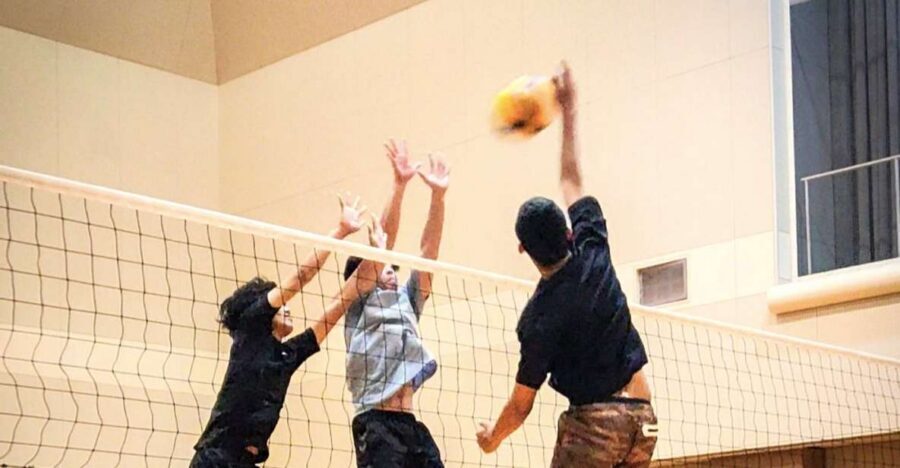
- Real volleyball, not a demo: you’ll get friendly games for the whole session
- Locker rooms and showers: included at the venue (free in Osaka; may cost extra in Kyoto)
- Value that feels almost unfair: about $6 for 2–3 hours with equipment provided
Volleyball as a social tool in Osaka and Kyoto
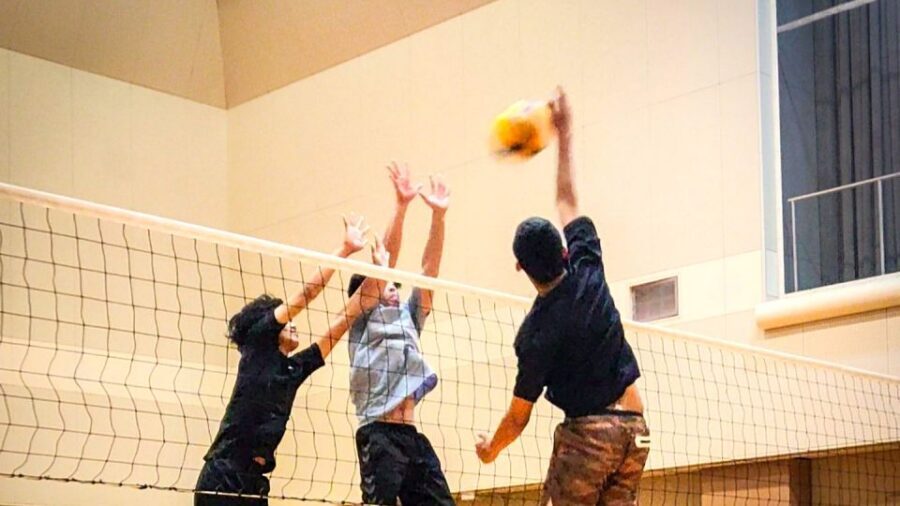
If you like travel that creates conversations without forcing them, volleyball is a brilliant excuse. A lot of Japan travel is quiet and orderly, but on a court the mood turns social fast. You’re moving, laughing, and learning each other’s rhythm—language barriers shrink because the ball does half the talking.
This experience focuses on playing with locals and other visitors, and it does it in a way that feels relaxed rather than competitive. You’re not signing up to prove you’re good. You’re signing up to participate, improve a bit, and have a fun court session together.
You’ll want to know what kind of day you’re walking into. Based on how these sessions run, you should expect a structured first half and a more skills-and-games second half. You’ll also likely meet people from a bunch of countries, since the group is intentionally small and mixed.
One more thing I appreciate: the organizer and coaches are present. When you’re new to a sport’s basics, it’s comforting to have someone who can point at what you should do next.
You can also read our reviews of more tours and experiences in Osaka.

What you actually get: 2–3 hours of coached play
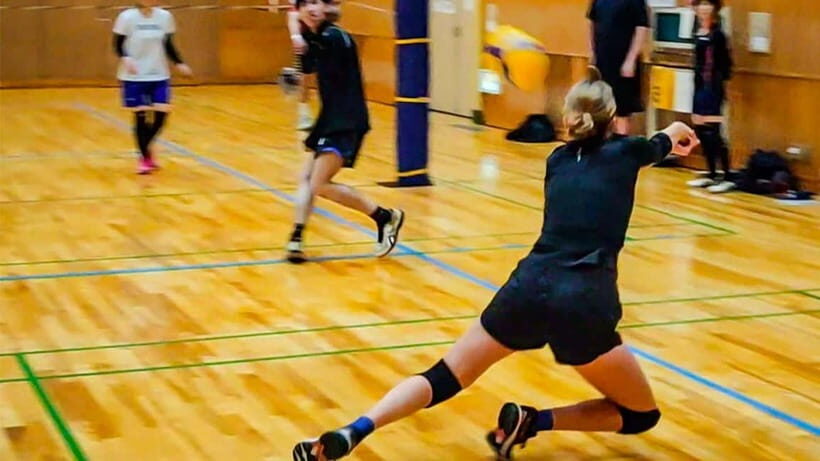
The format is simple and effective: you show up, get organized, then spend the whole session doing volleyball rather than standing around.
You can expect:
- Friendly, leisurely matches for about 2–3 hours
- Coaches and organizers nearby to teach or correct technique
- Volleyballs and basic equipment provided
- Optional use of your own gear if you prefer
All levels are welcome. That sounds like marketing, but the structure supports it. The session doesn’t just toss beginners into intense rallies. The first half includes physical and coordination training, which helps you “wake up your body” before the indoor court work.
Also note the teaching is practical. In many sports clinics, you get lectures. Here, it’s more like: you try, you get feedback, you adjust, then you play again.
The first half outdoors: coordination training that gets you ready fast
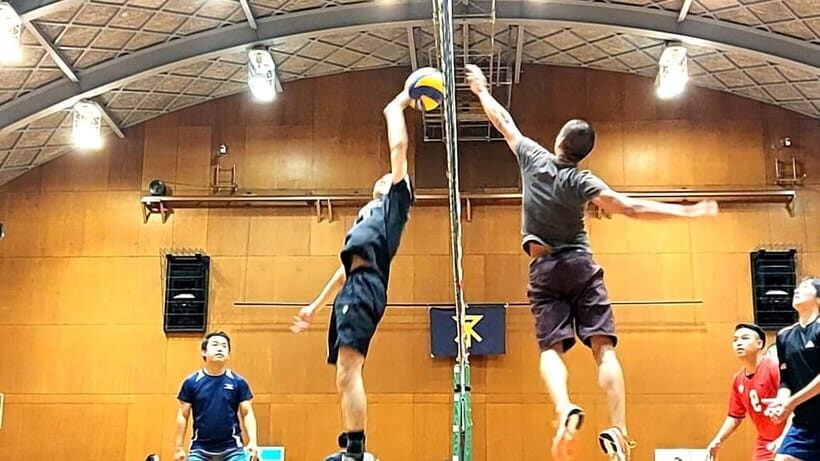
The session starts with an outdoor segment that’s more athletic than technical. You’ll do intensive physical and coordination training for roughly half the time.
That matters for you because volleyball isn’t only about arm strength. It’s about footwork, timing, balance, and reading what the ball is doing. Starting with coordination work is a smart way to help beginners feel less lost when the ball starts flying.
You’ll likely get a warm-up period and then transition quickly. From past participant notes, the pace can be direct: you get moving, then you’re back into drills and games without a long pause. If you like your sessions active and straightforward, this format fits.
If you’re coming in with a stiff schedule, still show up comfortable. The outdoor portion is where you’ll feel the benefit of stretching and good warm clothing for the weather.
The second half indoors: court skills and practical instruction
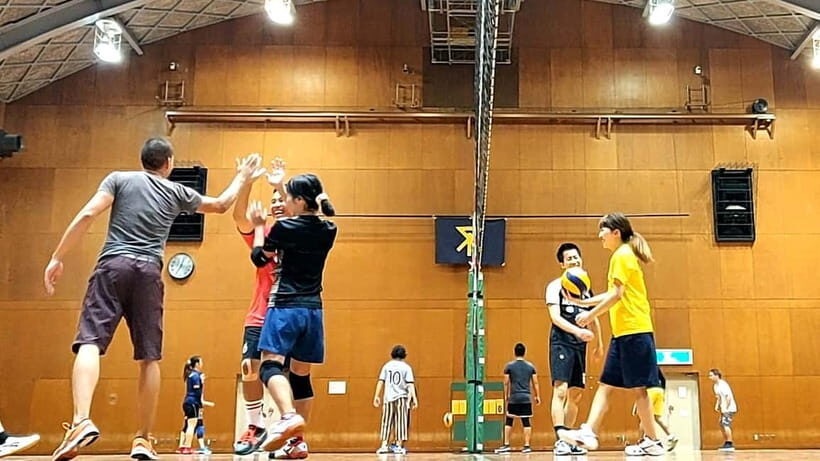
After the outdoor training, you shift to indoor work: court skills teaching and training on a gym floor.
This is the part where technique becomes real:
- posture and ready stance
- basic passing and ball control
- how to move as a team during rallies
Even if you’re brand new, you’ll learn faster here because you’re applying what you just practiced with your feet and balance outdoors. It’s the “do it, then do it better” loop.
And because the group is small, you’re more likely to get attention. That’s where the coaching becomes valuable. You might get small corrections like foot placement or how to position your body before receiving a ball. Those small fixes can make a noticeable difference in just one session.
Osaka vs Kyoto gyms: showers, shoes, and venue reality
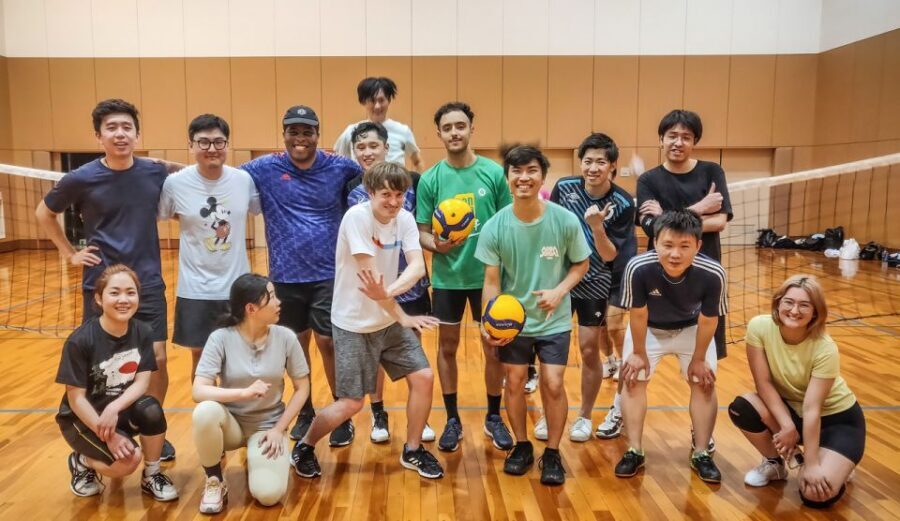
One of the most important practical points: these volleyball sessions take place at various gyms around Osaka and Kyoto. The meeting point can vary depending on which option you book, so you need to confirm the correct gym location for your session time.
You’ll see coordinates provided for a general meeting area, but the venue itself may be different. Build in a little buffer so you’re not rushing across town with your indoor shoes in your hands.




Showers and lockers
The locker room and showers are available on-site. In Osaka, they’re described as free use. In Kyoto, showers may have an extra fee. Either way, it’s a real plus because you’ll be sweaty, and you’ll likely want to freshen up before heading back into the city.
The shoe rule matters (and it’s strict)
You’re required to bring indoor sports shoes that have not been worn outdoors. There are no shoe rentals. This is not the kind of detail you want to discover at the gym door.
Practical advice:
- Wear your outdoor shoes while you travel, but keep your indoor pair in a bag
- If your shoes have any outdoor wear on the soles, don’t count on being able to switch
- If you’re traveling light, indoor court shoes are still worth packing because they affect entry
Who this is best for (and who should skip it)
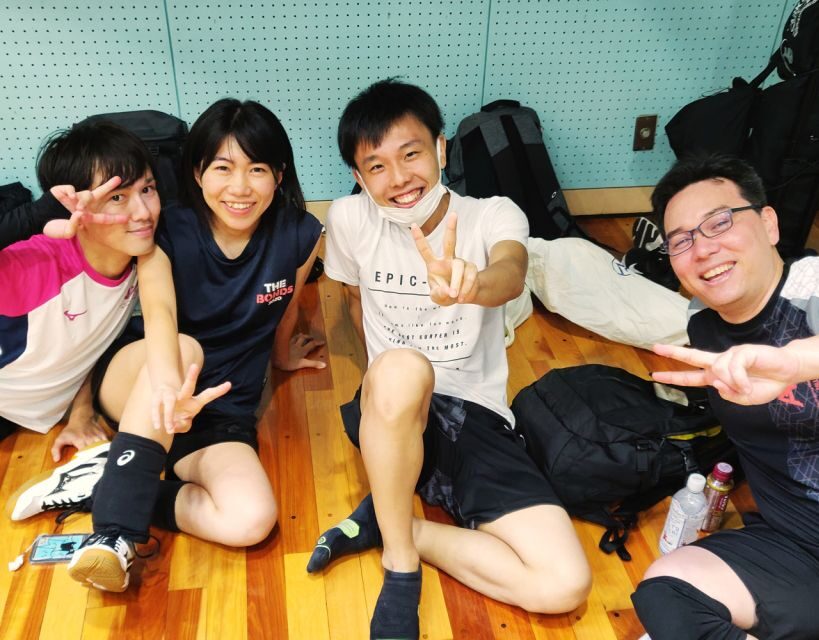
This is a friendly sport session, so it works best for people who want to do something active, meet others, and learn by playing.
It’s a great fit if you:
- are okay being part of a small group (5 people max)
- want coaching support without intense pressure
- like social sports where communication happens through action
- want to experience volleyball in Japan beyond watching from the sidelines
It’s also a good choice for people who are new to volleyball. The format includes training before games, and there’s help if you need it. Still, be realistic: volleyball is technical, and some beginners may find specific aspects challenging at first (height of nets and basic timing, for example).
Who it may not be suitable for
The session isn’t suitable for wheelchair users. It’s also not suitable for people with back problems or pre-existing medical conditions.
If you have any medical concern, it’s worth thinking about whether the coordination/physical part is safe for you. You’d rather pause than push through and regret it.
Price and value: why $6 feels like a steal
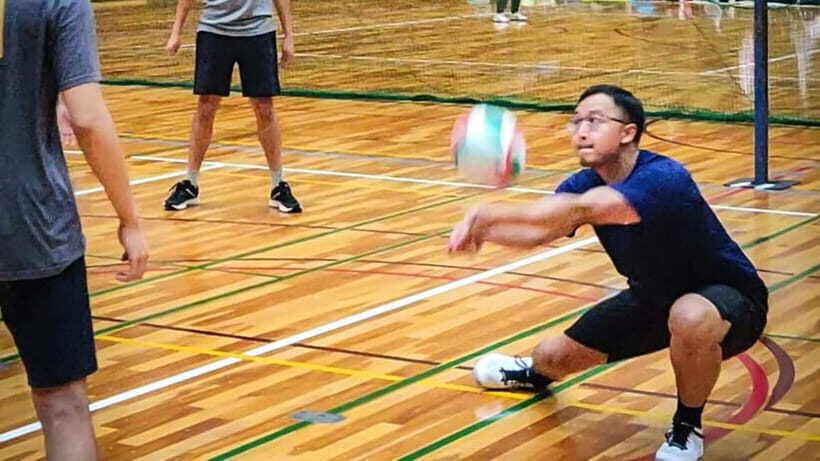
At about $6 per person for 2–3 hours, this is one of those rare sport experiences that feels tuned for value. You’re paying for:
- court time and structured training
- coaching support
- volleyballs and equipment
- locker room and showers
In many cities, you pay a lot more for a simple court session, even before coaching. Here, the low price is paired with a small group size, which usually means your time isn’t diluted by dozens of people.
Is there any catch? The catch is mainly the setup: you must bring the right indoor shoes, and you should expect the gym location to be confirmed close to your session. But on the field, the experience is genuinely focused on play.
The social side: meeting locals and making friends
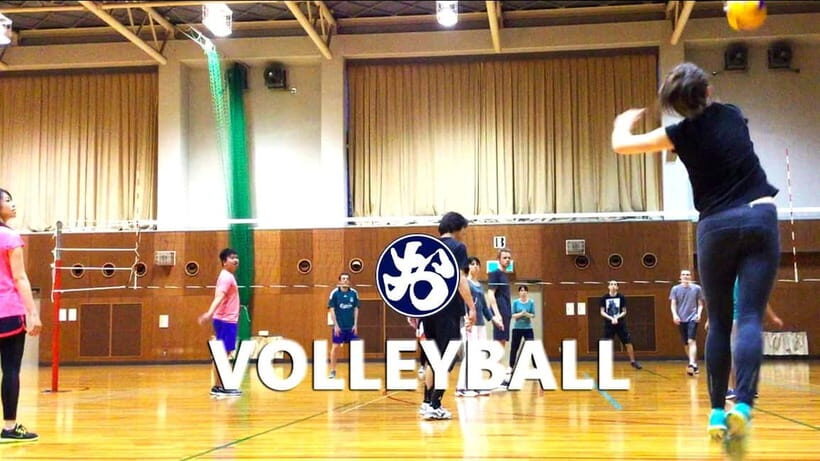
The headline is meeting Japanese locals, and that’s the spirit of the session. At the same time, because the group is small and the activities are open to international participants, the mix can vary. You might find more international players than locals on some days, even if the intent is to include Japanese participants.
Either way, volleyball is a fast friend-maker. You don’t have to be fluent. You just need to be friendly, show up with the right gear, and keep trying.
From participant feedback, the vibe tends to be welcoming. People often describe the session as fun and social, with a mix of ages that can include teens (as long as they fit the rules and comfort level).
If you’re shy, this kind of activity is still manageable because everyone’s busy: passing, moving, cheering, and resetting.
Pace and expectations: what to do when you’re not sure
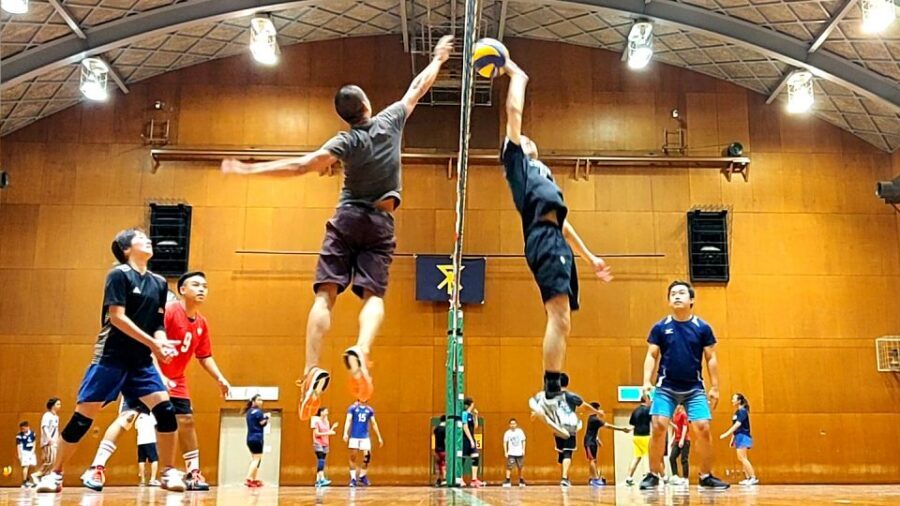
This is one of the details that matters most for your first time. The structure tends to move quickly, especially in the transition from warm-up to games. That means if you’re thinking, Wait, when do I get instructions, don’t. Instruction is more likely to be short, practical, and tied to what’s happening in the moment.
So when you arrive:
- be ready to change into your indoor shoes quickly
- listen for quick coaching cues
- don’t wait for perfect understanding before jumping into play
The best way to enjoy it is to treat each rally as practice. Even if you make mistakes, the activity is built around friendly play and learning through repetition.
Also: bring comfortable clothes you can move in. You’ll be sweating and sprinting lightly for coordination work, then doing more refined movements indoors.
What to bring for a smooth session
You’ll get volleyballs and equipment. You’ll get locker room access and showers at the venue.
You should bring:
- Indoor sports shoes with clean, non-outdoor soles (no rentals)
- Comfortable athletic clothes
- A water plan (a water fountain is available on-site)
- Optional knee pads or your own volleyball gear, if you prefer
That water fountain detail is useful. You won’t be worrying about where to refill, which helps you stay focused on playing.
How to plan your day in Osaka or Kyoto
Because the gym location can vary, treat this like a “moveable” activity. Choose a time slot where you’re not late to other plans, and keep your schedule flexible afterward.
What I like about a 2–3 hour block is that it fits into a travel day:
- morning or early afternoon sport, then sightseeing later
- a late-day session followed by a hot shower and an easy meal
Just remember: showers may have a fee in Kyoto, and you’ll need to factor that into your budget and timing.
If you’re combining this with other activities, avoid stacking too many tight transfers. Osaka and Kyoto gyms can mean a short train ride or a walk. The earlier you arrive, the less stress you’ll feel when you switch to indoor shoes.
Should you book this volleyball session?
Book it if you want a low-cost, high-effort way to experience Osaka and Kyoto beyond food and temples. For about $6, you’re getting real court time, coaching help, and a strong chance to meet people through play.
Skip it if you:
- need wheelchair access or have medical concerns that could be affected by physical coordination drills
- don’t have indoor court shoes and can’t get them
- prefer a long, guided cultural lesson rather than active sport instruction
If you fit the sweet spot—active, friendly, and ready to play—this is the kind of experience that turns Japan into something you feel in your legs and arms, not just your camera.