REVIEW · TOKYO
Tokyo: Matcha and Kimono Experience
Book on GetYourGuide →Operated by Matchaful · Bookable on GetYourGuide
Matcha and kimono start your Tokyo afternoon. Near Shinjuku, this hands-on class pairs first flush matcha tasting with an easy-to-wear kimono, plus a tea lesson that’s practical enough to use back home. I liked how the experience is built around senses and technique, not just pretty photos.
I love the way you sample from a 100+ matcha collection and pick favorites using your eyes, nose, and tongue. Then the instructor, Komei, helps you understand the big differences between Japanese matcha and what’s sold overseas, and even how to think about real matcha versus fake. It’s a smart way to turn matcha fandom into real know-how.
One consideration: the kimono portion matters here, and that means you’ll spend time on dressing and etiquette before you’re fully in matcha-making mode. If you’re a pure matcha-first type, go in with the expectation that the schedule starts with culture, then skills.
In This Review
- Key Highlights You’ll Really Notice
- Why This Matcha and Kimono Experience Makes Sense Near Shinjuku
- Getting Oriented: Socks, Quiet Rules, and the Meeting Point
- The Easy-to-Wear Kimono Part: Culture Before Technique
- Tasting Matcha Like a Pro: First Flush and 100+ Choices
- Teaism and Tea Ceremony: What the Philosophy Changes
- Making Your Own Bowl: Tools, Technique, and the 4 Key Points
- Sweets and Welcome Drink: Small, But They Complete the Day
- Group Size and the Feel of the Room: Personal Without Being Stuffy
- Price and Value: Is $57 a Smart Use of Time?
- Who This Experience Fits Best (and Who Might Skip It)
- Should You Book This Matcha and Kimono Class?
- FAQ
- Where is the meeting point for the Matcha and Kimono Experience?
- What should I bring to the class?
- Is alcohol or strong fragrance allowed?
- What languages is the experience offered in?
- What’s included in the price?
- Is this suitable for children?
- What happens if I’m late to the appointment?
Key Highlights You’ll Really Notice
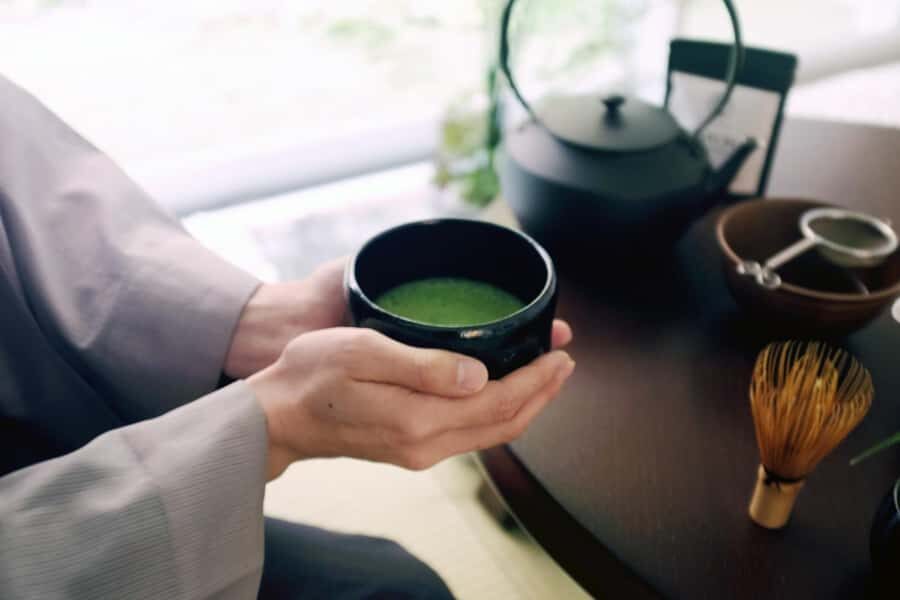
- Exclusive first flush matcha you taste as part of a larger selection from across Japan
- Easy-to-wear kimono that’s faster than the traditional dressing time
- Teaism and tea ceremony basics taught by Komei, including how the gestures connect to meaning
- Hands-on matcha prep using rented tools, plus basic manners for drinking
- Real vs fake matcha talk and Japanese vs overseas matcha comparisons so you can shop smarter later
Why This Matcha and Kimono Experience Makes Sense Near Shinjuku
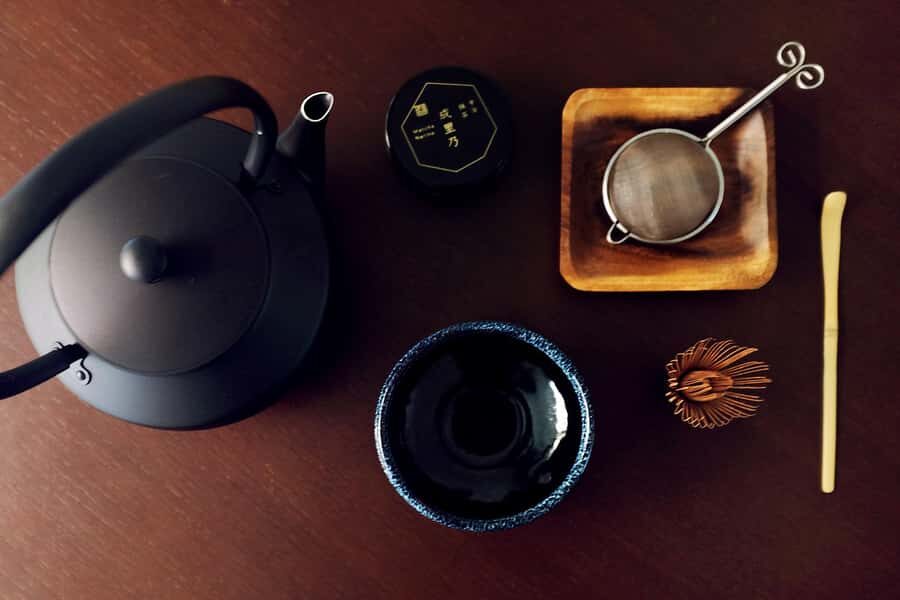
If your Tokyo plan includes Shinjuku, this is a tidy add-on that doesn’t require guesswork. The location puts you close to major transit, and the class has everything you need in one block: kimono, tea tools, tasting, sweets, and instruction.
The value starts with what’s included. At $57 per person, you’re not just paying for a lecture. You get an exclusive first flush matcha experience, a kimono to wear throughout, and the tea ceremony tools needed to make your own bowl. For Tokyo pricing, that inclusion-heavy setup is usually where good value hides.
What also helps is that the experience is structured like a lesson you can repeat. You’re not only tasting matcha—you’re learning how to judge it, how the tea ceremony logic works, and how to prepare a bowl with a proper rhythm.
You can also read our reviews of more tours and experiences in Tokyo.



Getting Oriented: Socks, Quiet Rules, and the Meeting Point
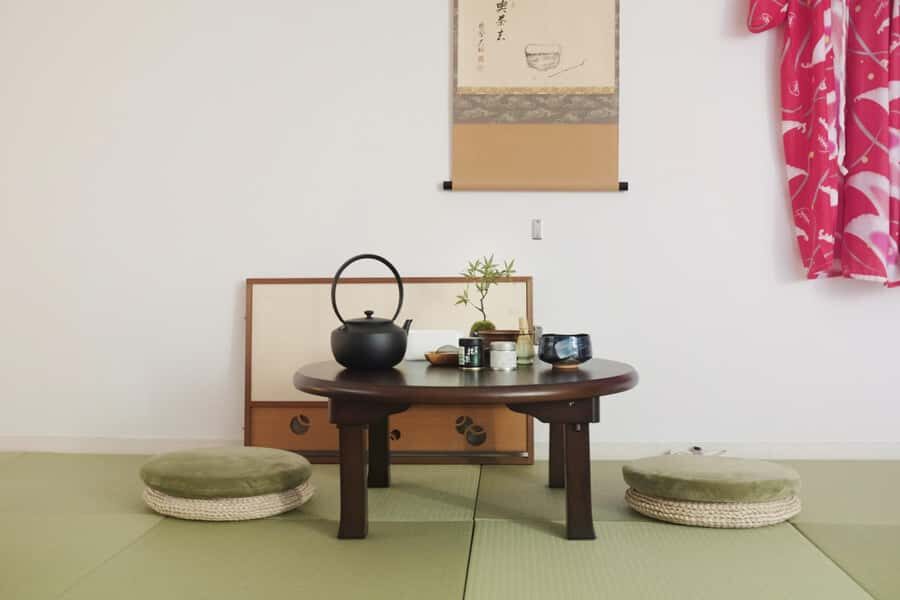
This is one of those activities where small rules actually protect the experience. You’ll want to bring socks because you’ll be walking and sitting on traditional-style flooring. If you forget, you can be asked to buy them at the workshop place.
Your guide meets you in front of the LUUP scooter stand next to the ACN Yotsuya Building, with a workshop sign. It’s about a 6-minute walk from Yotsuya station, and it’s close to Shinjuku station as well. The activity ends back at the same meeting spot.
There are also clear behavior expectations: no alcohol or drugs, no strong fragrances, and keep noise to a minimum. That’s not just “house rules.” It keeps the tea setting calm and helps you focus when you’re learning technique and etiquette.
And one practical thing to note: if you’re delayed by more than 10 minutes, the booking can be automatically canceled, and no refund is accepted in that case. So if you’re timing this after a busy Shinjuku day, give yourself a little buffer.
The Easy-to-Wear Kimono Part: Culture Before Technique
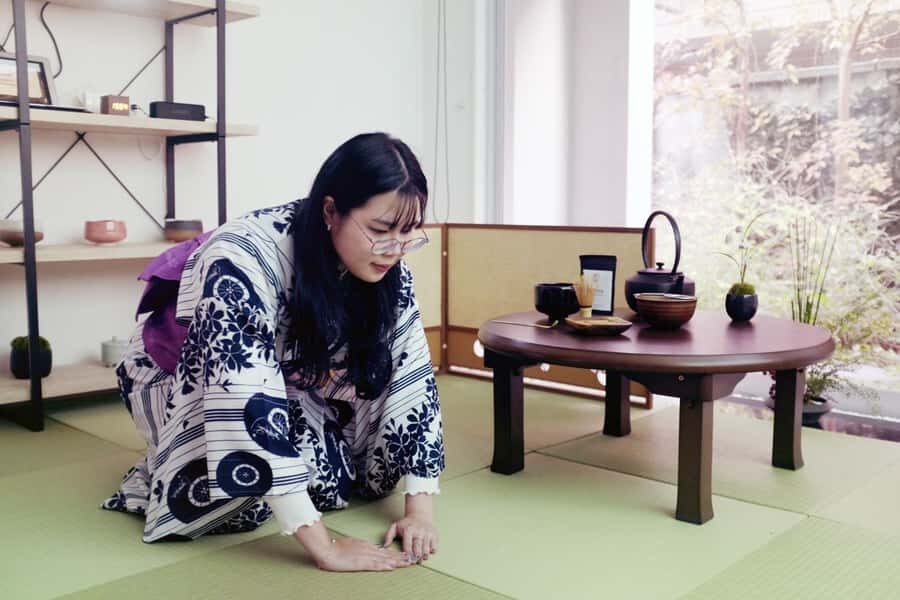
Wearing kimono is often the hardest sell for beginners, because traditional dressing can be time-consuming and intimidating. What makes this one feel more doable is the easy-to-wear kimono design. It’s described as specially designed to wear easily and quickly—unlike the older style that can take around 30 minutes.
You also get more than just “put it on and take pictures.” The way kimono is presented connects to manners and presentation, which matters once the tea tools come out. In a setting like this, clothing isn’t decoration—it’s part of the ritual space and how you move.
One detail I appreciated from people who did this: Komei helps with the proper way to wear it and may even take photos for the group. That’s useful because you’ll likely be busy focusing on your steps and might miss the best angles.
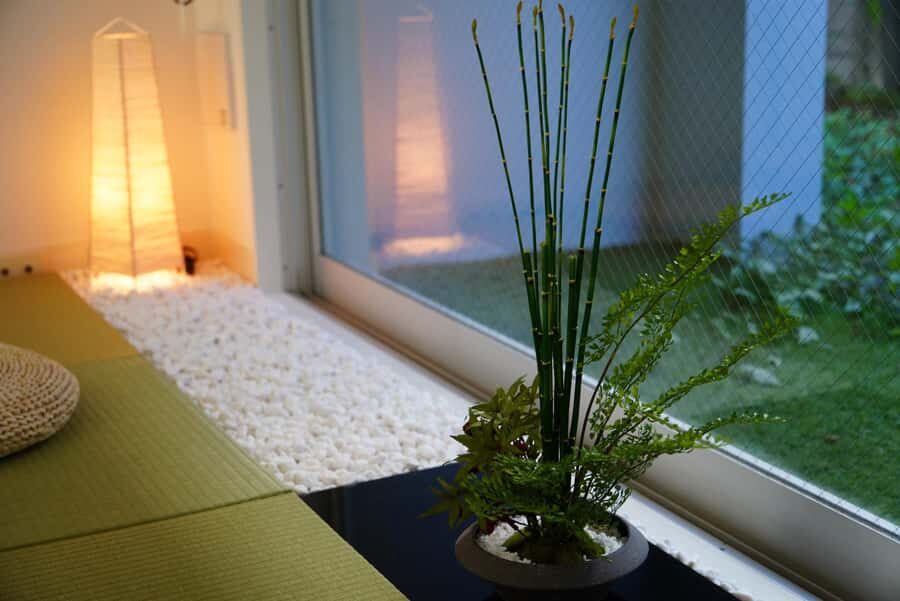
Also, the setting feels like a local Japanese flat space with a prepared tea-room vibe. You’re not in a random café where you have to fight for attention—you’re in a space arranged for ceremony practice.
Tasting Matcha Like a Pro: First Flush and 100+ Choices
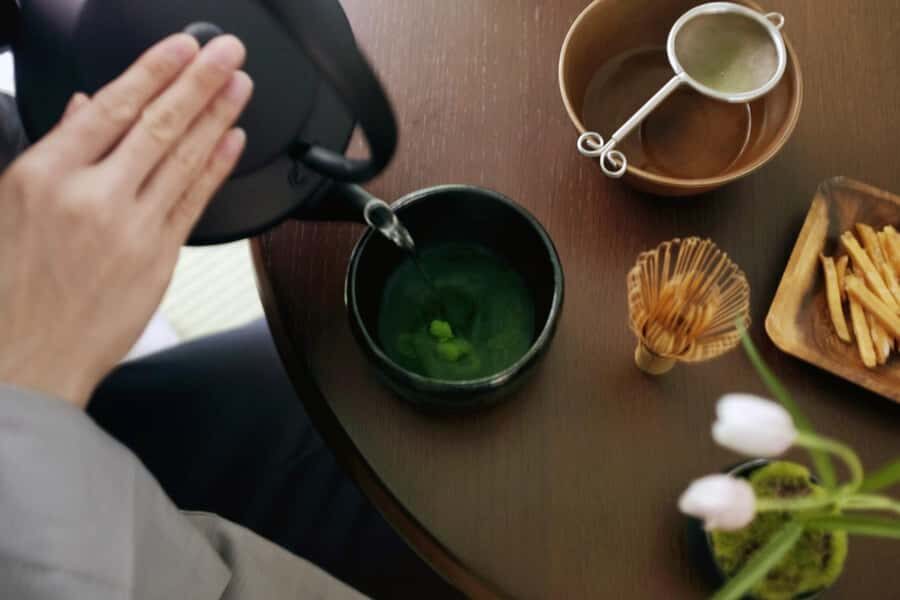
The matcha portion is where this experience becomes more than a souvenir. You’ll taste an exclusive first flush matcha, which is positioned as the highest quality. Even if you don’t know the harvest details yet, you’ll notice why it matters when you compare aroma and flavor.
Then comes a big moment: you explore your own preference from a selection described as a 100+ matcha collection. The tasting method is built on senses—eyes, nose, and tongue—so you’re not stuck guessing based on marketing claims or a single sip.
Komei also guides the comparison between Japanese matcha and overseas matcha. That’s a big deal because many people try matcha abroad without realizing the product category can be very different. You’ll also talk about how to think about real matcha versus fake matcha, which helps you build a filter for what you taste and what you buy later.
One very practical takeaway: tasting in this guided way teaches you what to pay attention to at home. Instead of buying by price or color alone, you’ll have a checklist mindset—appearance, aroma, and then the actual flavor experience.
Teaism and Tea Ceremony: What the Philosophy Changes
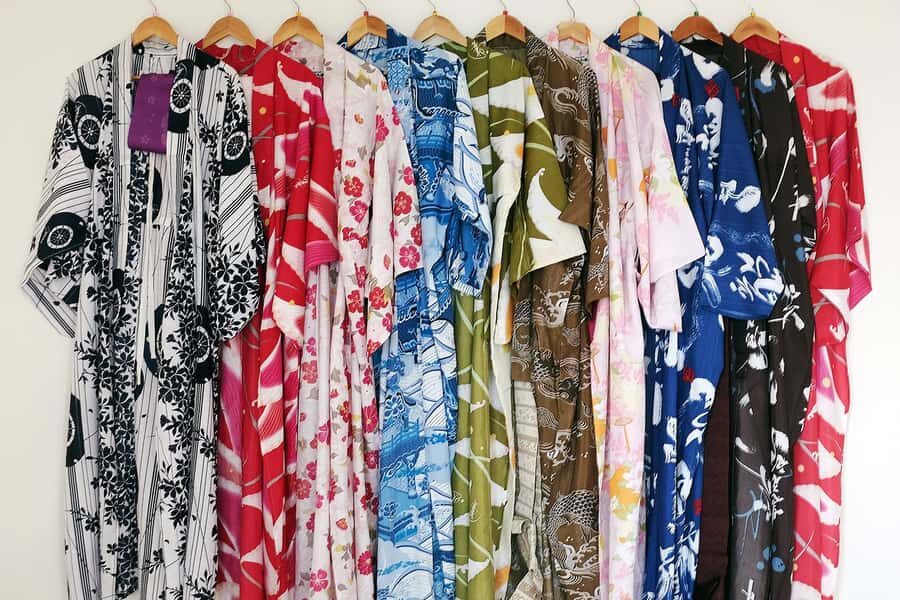
This class doesn’t treat tea ceremony as cosplay. It presents it as a way of thinking, not just a choreography of actions. You’ll hear about the philosophy of Teaism, and you’ll get the “why” behind tea ceremony gestures.
You also cover differences between types of tea—green, black, Chinese, and more—so matcha isn’t floating in a vacuum. That context matters because it helps you understand matcha’s role in Japanese tea culture rather than treating it like an isolated trend.
The tea ceremony section also includes basic manners for how to drink a bowl of matcha. That can sound small, but it’s the difference between enjoying a cup and performing something wrong in front of tools, tea room etiquette, and the people hosting your session.
In other words, the cultural part isn’t filler. It makes your hands and mind “ready” for whisking, pouring, and tasting properly.






Making Your Own Bowl: Tools, Technique, and the 4 Key Points
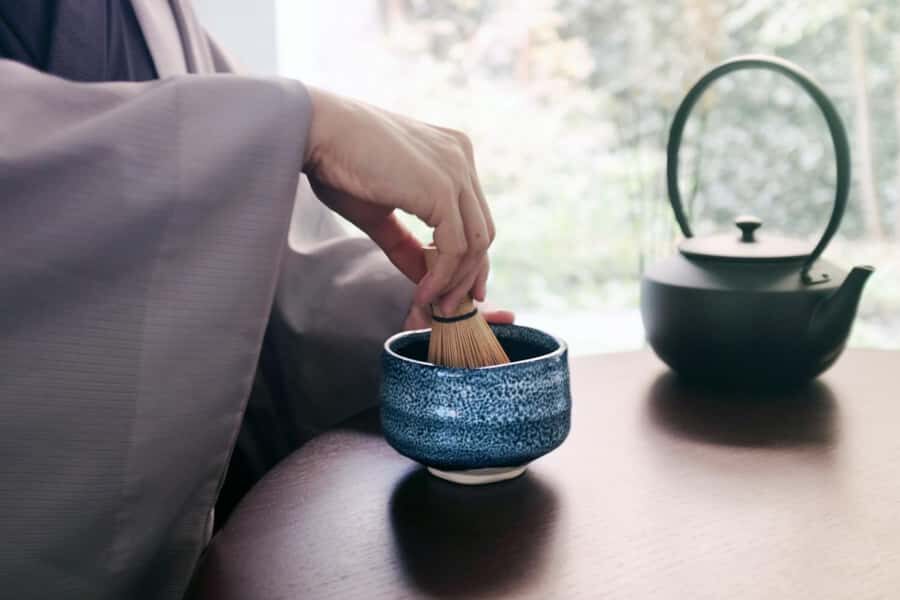
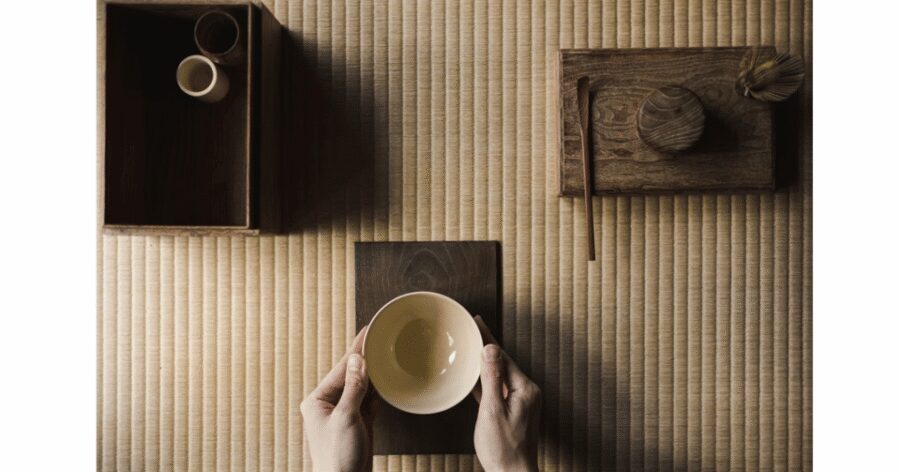
After lecture and tasting, you move into hands-on matcha preparation. Tea ceremony tools are provided via rental, which means you’ll learn with the same equipment you’d actually want to use at home if you continue the hobby.
The experience emphasizes mastering 4 keypoints for preparing a beautiful bowl at home. Even without listing every minute step here, the format is clear: you get instruction, you see the technique, and then you practice. This is the part where matcha stops being a drink you order and becomes something you can control.
Here’s what you should aim for when you’re practicing:
- Focus on texture and appearance, since matcha quality and preparation show up in the final look.
- Pay attention to aroma and how it changes when you whisk and serve.
- Follow the ceremony-style manners while you work, because technique and etiquette are treated as linked.
One important thing I’d keep in mind: matcha-making can be a bit finicky the first time. The benefit here is that your instructor is there to guide you while you’re doing it, not after you’ve already gotten it wrong.
You’ll also learn the basic manner of how to drink the bowl properly. That matters because the correct way to taste is part of why the ceremony exists. You’re training your senses and your patience.
Sweets and Welcome Drink: Small, But They Complete the Day
Your session includes a welcome drink and Japanese traditional sweets. These breaks aren’t just snacks—they help balance flavor and keep the pacing comfortable while you move between kimono dressing, tasting, and making.
It also makes the whole experience feel like an actual afternoon ritual rather than a rushed workshop. And since the class touches multiple parts of Japanese tea culture—Teaism, tea ceremony, kimono, matcha tasting—food and drink provide a natural reset.
If you’re comparing this to other Tokyo activities, this is another value win: you’re getting more than just instruction. You’re also getting the ceremonial “small comforts” that go with the lesson.
Group Size and the Feel of the Room: Personal Without Being Stuffy
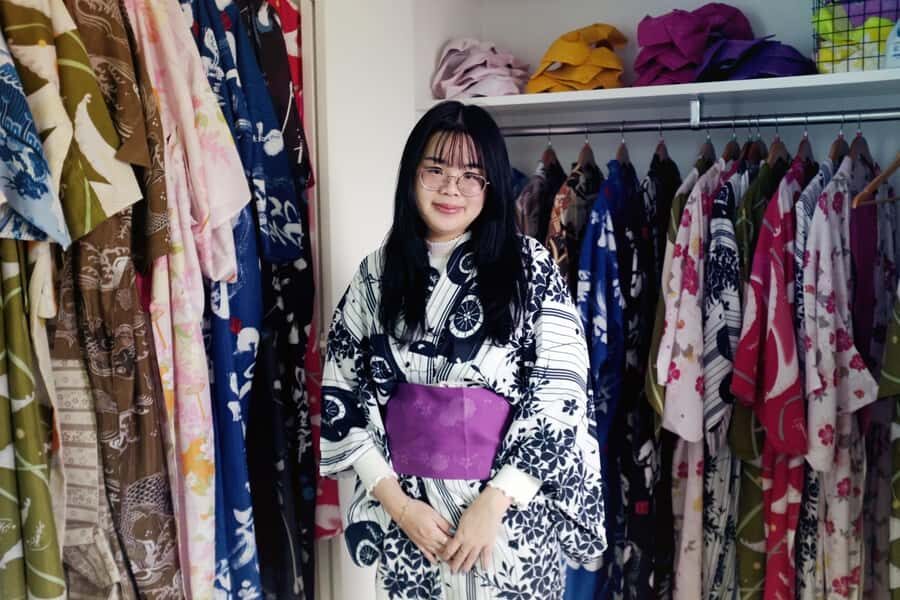
The experience can feel personal. One person described a small group size—only five people total—and that kind of group dynamic is ideal for learning whisking and etiquette. When there aren’t many people, you get more attention and faster corrections.
Even if your group isn’t that small, the overall tone from the instruction style is the same: Komei is presented as friendly, conversational, and supportive, and that matters when you’re trying something unfamiliar like kimono and matcha technique at the same time.
There’s also mention that Komei takes good photos of the group. That’s not the point of the class, but it removes a stress: you won’t need to keep switching between tasting and camera-checking.
Price and Value: Is $57 a Smart Use of Time?
Let’s talk value without hand-waving.
At $57, you’re paying for a full experience package:
- Exclusive first flush matcha tasting (not just one basic cup)
- A kimono you wear throughout
- Lecture components that cover Teaism and tea ceremony ideas
- A guided matcha making lesson using rented tools
- A welcome drink and Japanese traditional sweets
If you’ve ever priced out a tea ceremony or a guided cultural workshop on your own, you’ll know that the included tools and kimono often push the real cost up. Here, those items are built into the price, which makes the overall deal feel more balanced.
You’re also getting a skill you can reuse. Once you’ve learned how to prepare matcha with the right technique and manners, you can build a better home routine instead of treating matcha as a once-in-Tokyo novelty.
So for the right person, this looks like a fair buy: someone who wants the culture plus the how-to.
Who This Experience Fits Best (and Who Might Skip It)
This fits you if:
- You love matcha and want to learn how to judge quality and preparation.
- You’re curious about Japanese tea ceremony and Teaism, not just a quick drink.
- You’re comfortable trying kimono as part of a cultural class (and like the photo-ready factor).
- You want an instructor-led, technique-first experience you can repeat at home.
It might not fit you if:
- You want only matcha with zero time spent on dressing or etiquette.
- You dislike the idea of following quiet rules and staying fragrance-free during the session.
- You’re traveling with very young kids. The experience isn’t suitable for children under 5.
Should You Book This Matcha and Kimono Class?
If your Tokyo days include Shinjuku, I think this is a strong book when you want something hands-on and repeatable. The biggest reason to choose it is the combination: you’re not stuck on either culture-only or taste-only. You get first flush matcha, a guided look at real versus fake matcha ideas, then you go and make your own bowl with tools.
Before you book, check your motivation. If you’re excited to learn a ritual and a method, this is the kind of class that sticks. If you’re rushing and want the fastest possible matcha with minimal steps, you might feel like the kimono and ceremony segments take up too much of your time.
But if you want the kind of afternoon where you leave with better habits—not just a cup—this one is an easy yes.
FAQ
Where is the meeting point for the Matcha and Kimono Experience?
Your guide waits in front of the LUUP scooter stand next to the ACN Yotsuya Building with a workshop sign. It’s about a 6-minute walk from Yotsuya station.
What should I bring to the class?
You need to bring socks to protect the traditional flooring. If you forget, you may be asked to buy them at the workshop place.
Is alcohol or strong fragrance allowed?
No. Alcohol and drugs aren’t allowed, and you should avoid strong fragrances.
What languages is the experience offered in?
The experience is available in English and Japanese.
What’s included in the price?
The package includes a matcha experience, a kimono to wear throughout, a Teaism and matcha lecture by a tea expert, a matcha making lesson, exclusive first flush matcha, Japanese traditional sweets, a welcome drink, and tea ceremony tools rental.
Is this suitable for children?
It’s not suitable for children under 5 years old.
What happens if I’m late to the appointment?
If you are delayed by more than 10 minutes from the appointment time, the booking can be automatically canceled, and no refund is accepted for that case.