REVIEW · OSAKA
Osaka Cooking Class: Okonomiyaki &Japanese cuisines experience
Book on Viator →Operated by Cooking Class YAYO · Bookable on Viator
Cooking class in a real home beats a showroom.
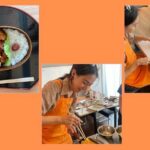
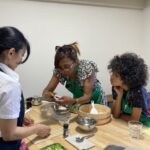
What makes this Osaka lesson worth your time is the setup: you cook in an instructor’s home with an English-speaking guide, then you eat what you make. I also like that the menu is practical and iconic, covering everyday staples like miso soup, plus fun street-food favorites like takoyaki and okonomiyaki.
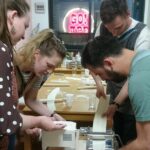
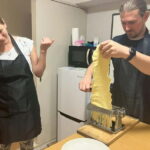
The biggest win for me is the pace and attention. With a small group limited to eight, you get hands-on help instead of watching from the sidelines, and you learn specific technique tricks that make the difference between just okay and genuinely Japanese.
One consideration: the studio is small and the class runs on time. If you’re more than 10 minutes late, participation can’t be guaranteed and refunds aren’t provided, so plan your route carefully.
In This Review
- Key Things I’d Bet on Before You Go
- Getting There: Noda Station Meeting Point and a Local Studio Feel
- A Small Group and a Host You’ll Actually Learn From
- Your First Pour: Miso Soup and the Art of Subtle Technique
- Takoyaki: Deep-Fried Fun and Real Batter Skills
- Okonomiyaki: Building the Savory Pancake Without Guesswork
- The Sweet Finish: Taiyaki and Matcha Tea
- Optional Sake and Beer Pairing: Worth It If You Want the Extra Layer
- What You Actually Walk Away With: More Than Full Stomachs
- Price and Value: Is $104.13 Fair for a 2.5-Hour Home Lesson?
- Who This Cooking Class Fits Best (and Who Might Pass)
- Should You Book Osaka Cooking Class With Yayo?
- FAQ
- Where do I meet for the Osaka cooking class?
- How long is the cooking experience?
- How big is the group?
- What dishes will I learn to make?
- Is the meal included?
- Can I add sake and beer?
- What if I need a vegetarian or pescatarian option?
- What if I’m running late?
Key Things I’d Bet on Before You Go
- Max eight people means your hands stay busy and your questions get answered
- Miso soup technique teaches you how small changes affect the flavor
- Takoyaki time is all about batter consistency and the joy of flipping
- Okonomiyaki structure helps you build the pancake like locals do
- Optional sake and beer pairing turns dinner into a mini tasting without extra planning
- Taiyaki plus matcha lands as a sweet, satisfying finish
Getting There: Noda Station Meeting Point and a Local Studio Feel
You start right outside Noda Station in Osaka, and the activity ends back at the same meeting point. That matters because you’re not signing up for a long pickup saga. You can focus on getting to one clear spot, then walking/transitioning to the cooking studio in the Fukushima Ward area.
The address listed for the meeting location is 1 Chome-1 Ohiraki, Fukushima Ward, Osaka, 553-0007. It’s also described as near public transportation, which is how I’d rather move around big cities. Osaka has plenty of transit options, but you still want a meeting point that’s easy to verify.
One more practical note: the cooking studio is small, and only people with confirmed bookings can join. That’s a sign the experience is designed for an intimate group, not a casual walk-in. If you like things organized and low-stress, this format fits your style.
You can also read our reviews of more cooking classes in Osaka
A Small Group and a Host You’ll Actually Learn From
This class is run by Cooking Class YAYO, hosted by Yayo, an English-speaking instructor. Across the dish walkthrough, you’re not just following steps; you’re being guided.
In the reviews, Yayo shows up again and again as the reason this experience feels like you’ve been invited into a home kitchen. People mention she’s funny, warm, and patient, and that she explains the cultural background of ingredients alongside the cooking technique. That combination is what makes the food more repeatable at home, not just a one-night experience.
The group cap of eight participants is the real engine here. Larger classes tend to turn into a conveyor belt: you get a bit of action, then you wait for the next station. With this one, you can expect more hands-on time and more direct answers. If you’re traveling solo, it can also feel less awkward, because you’re still cooking together rather than being part of a big crowd.
Your First Pour: Miso Soup and the Art of Subtle Technique
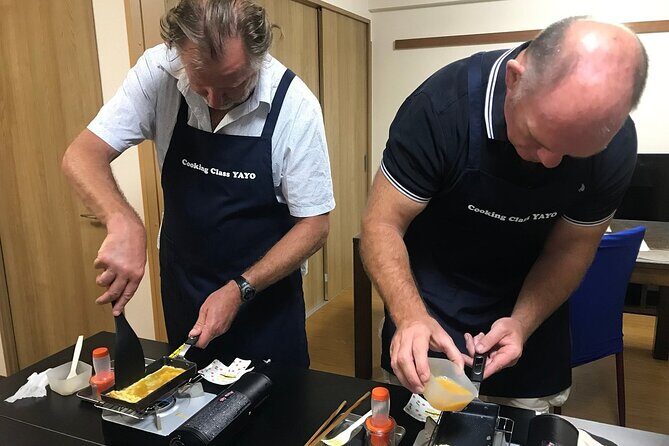
The class begins with miso soup. That sounds simple until you realize miso soup is where technique shows up fast.
You’ll start in a guided way, and miso is one of those ingredients where small differences matter. The point isn’t memorizing a single formula. It’s learning how to handle broth and miso so the final bowl tastes balanced, not harsh or flat.
Why I love this start: it teaches you the logic of Japanese cooking early. If you can understand how miso soup should taste, then you can follow the rest of the menu with better judgment. It becomes less about copying and more about cooking with intent.
Also, miso soup sets the tone. You’re not just jumping into fried food. You’re learning the comfort backbone of Japanese meals, which is exactly what you’ll want to recreate later.
Takoyaki: Deep-Fried Fun and Real Batter Skills
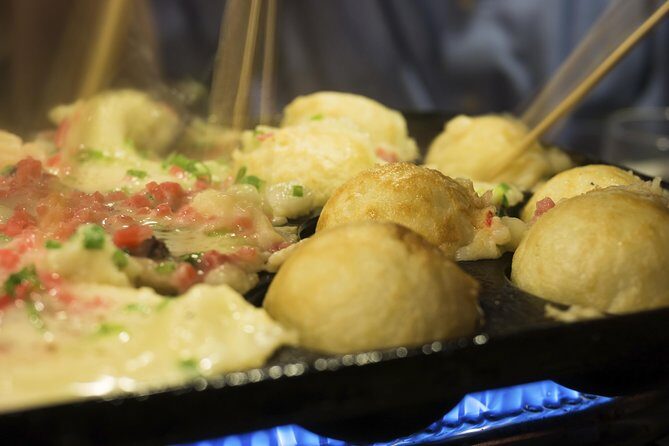
Next comes takoyaki, the deep-fried octopus balls Osaka is famous for. You’ll learn to make the batter (wheat flour batter) and work with the filling: octopus.
Takoyaki is a great class dish because it’s both structured and forgiving. You have clear steps, but you also learn the small adjustments that matter during cooking—how the batter cooks, how it sets in the pan, and how to shape and flip so you get those rounded, crispy edges.
This is also the moment you can stop worrying about whether you’re doing it right. The class format is hands-on with an instructor guiding you, and takoyaki is the kind of food where your own efforts show immediately. When it works, it’s satisfying. When you adjust, you learn fast.
You’ll be eating what you make, so you don’t just leave with knowledge. You leave with proof.
Okonomiyaki: Building the Savory Pancake Without Guesswork
Then you move to okonomiyaki, a filling savory pancake made with egg, flour, cabbage, pork, and dried bonito flakes. This is the dish many people picture when they think Osaka food, but it’s also one of the best teachers.
The instructor helps you with the pancake build—how to combine ingredients, how to manage heat, and how to get the texture right. Okonomiyaki is easy to undercook or overwork if you’re guessing. In class, you learn why certain steps are done the way they are.
One underrated benefit here: okonomiyaki teaches you to think in layers. Cabbage isn’t just an ingredient; it affects moisture and cooking time. Bonito flakes bring that umami character, and egg helps with structure. When you understand that, you can adapt at home without turning it into a sad imitation.
You’ll likely notice that the class emphasizes technique tips, not just recipes. That’s what you want if your goal is to cook again after your trip.
A few more Osaka tours and experiences worth a look
The Sweet Finish: Taiyaki and Matcha Tea
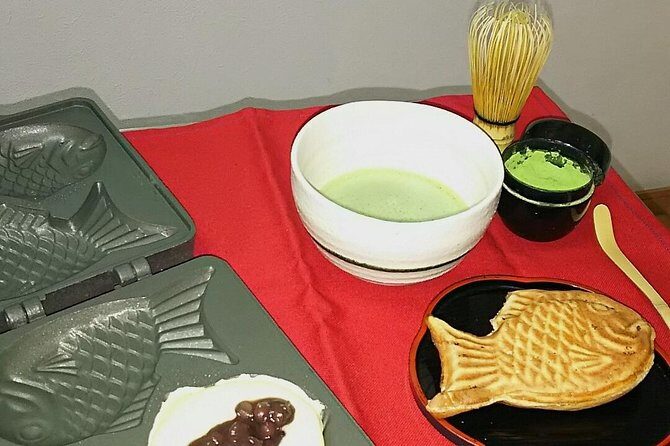
Before you leave, you get taiyaki—a fish-shaped cake—plus matcha tea. This is a nice way to round out the meal because it balances the savory dishes with something sweet and comforting.
Taiyaki is often associated with Japanese street snacks, so it fits the overall theme: classic comfort food plus fun local street flavor. Matcha tea adds calm after the cooking action, and it helps you reset before heading back out into the Osaka day.
If you have limited time in the city, these added touches matter. You’re not just paying for a cooking session. You’re paying for a full food experience.
Optional Sake and Beer Pairing: Worth It If You Want the Extra Layer
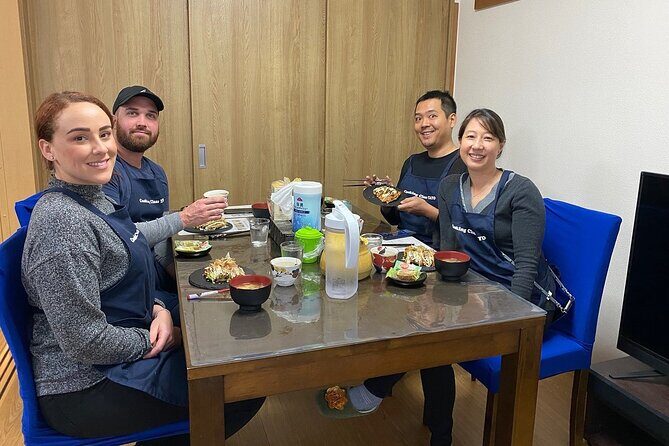
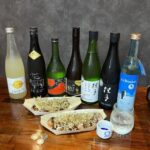
There’s an optional add-on for a sake and beer pairing. If you select it, the pairing is served along with your meal after you’ve cooked.
I’d choose this add-on if you enjoy food-and-drink pairings and want the class to feel like dinner, not just a workshop. It also reduces the temptation to hunt for a bar afterward. Since you’re already in the right food mood, pairing your meal can make the evening feel complete.
Skip it if you prefer to keep things simple, you don’t drink alcohol, or you’d rather save that budget for another Osaka meal.
What You Actually Walk Away With: More Than Full Stomachs
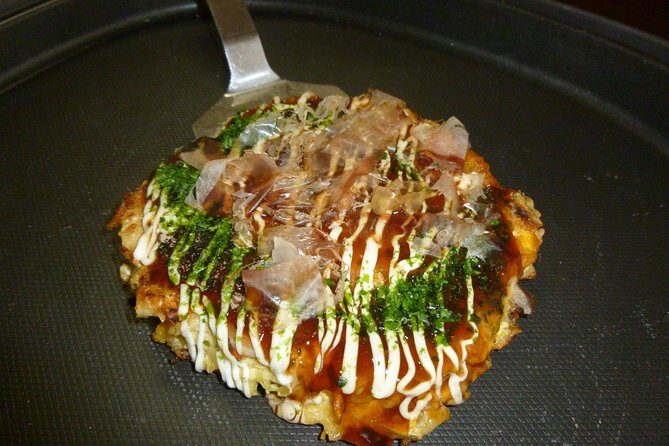
One of the most consistent themes is how much food you get. People specifically note leaving very full, and some mention leftovers because there’s a lot to eat.
That tells you the class isn’t stingy with portions. You’re going to cook multiple items—miso soup, takoyaki, okonomiyaki, plus taiyaki and matcha. And in many sessions, there’s also mention of a tamago-style omelet (often called dashimaki tamago or tamago-maki). Even if you’re not expecting that as a guaranteed extra, the class experience clearly goes beyond a single dish.
The other memorable part: gifts and take-home support. Reviews describe thoughtful items like chopsticks, paper cranes, and even printed materials in the participant’s native language. That kind of extra effort is how this class helps you keep cooking after you’re back home.
The biggest practical takeaway isn’t just taste. It’s confidence. If you’ve been taught why ingredients behave the way they do, you can remake the dishes without fear.
Price and Value: Is $104.13 Fair for a 2.5-Hour Home Lesson?
At $104.13 per person, this isn’t the cheapest thing you’ll do in Osaka. But it also isn’t trying to be.
Here’s what you’re getting for your money:
- A 2 hours 30 minutes hands-on lesson
- An English-speaking instructor with personal guidance
- Ingredients and utensils included
- Your meal: you enjoy what you cook (lunch or dinner)
- A small group cap at eight participants
- Optional sake/beer pairing if you choose it
- Final sweets: taiyaki and matcha tea
For me, the value comes from two places. First, the cost includes the full cooking setup and the teaching time. Second, cooking classes often look cheap until you realize how often they deliver a “watch and sample” experience. This one is built around you doing the work.
If your trip budget is tight, you can still treat this as a splurge worth planning. Osaka is famous for food, but this goes further than tasting. You’re learning how the dishes are made.
Who This Cooking Class Fits Best (and Who Might Pass)
This experience is ideal if you:
- want an authentic Osaka meal that includes both local street snacks and comfort food
- enjoy hands-on cooking and learning technique
- like small-group experiences with room to ask questions
- travel solo or as a couple and want a friendly, structured evening
- want something you can repeat at home, not just eat once
It might be less ideal if you:
- hate cooking or get stressed by active workshops
- need a strict schedule that can’t absorb a 2.5-hour block
- need very precise dietary restrictions beyond what can be accommodated (the class says vegetarian and pescatarian options are available upon request)
If you have dietary needs, request them at the time of booking. That’s the cleanest way to make sure the class can prepare accordingly.
Should You Book Osaka Cooking Class With Yayo?
I’d book it if you want Japanese cooking to be more than food tourism. This class gives you a clear path through miso soup, takoyaki, and okonomiyaki, then finishes with taiyaki and matcha. Add in the small group size, and you get real guidance instead of a crowded station setup.
The “yes” decision is even easier if you care about technique. Miso soup teaches you balance. Takoyaki teaches batter and timing. Okonomiyaki teaches structure and heat control. You’ll leave knowing what to do next time.
One final tip: come hungry, and leave room for the fact that portions can be generous. This isn’t a tiny snack class. It’s dinner plus lessons.
FAQ
Where do I meet for the Osaka cooking class?
You meet outside Noda Station. The meeting address listed is 1 Chome-1 Ohiraki, Fukushima Ward, Osaka, 553-0007, Japan.
How long is the cooking experience?
It runs for about 2 hours 30 minutes.
How big is the group?
The class has a maximum of eight participants, and it’s described as a small-group experience.
What dishes will I learn to make?
You’ll learn to prepare miso soup, takoyaki, and okonomiyaki. You also get taiyaki and matcha tea before you leave.
Is the meal included?
Yes. You enjoy lunch or dinner based on what you cook, and it’s included in the class.
Can I add sake and beer?
Yes. There’s an optional add-on for a local sake and beer tasting/pairing.
What if I need a vegetarian or pescatarian option?
Vegetarian and pescatarian options are available upon request at the time of booking.
What if I’m running late?
If you arrive more than 10 minutes late, participation can’t be guaranteed, and refunds aren’t provided.
—
If you tell me your travel dates and whether you’d choose the sake/beer pairing, I can help you decide the best timing in your Osaka schedule.