REVIEW · OSAKA
Osaka Food Adventure Tour: Walking with a Local Guide
Book on Viator →Operated by Cooking Sun · Bookable on Viator
Osaka tastes better with a plan. This small-group walk with a local guide turns Shinsekai’s retro streets and Dotonbori’s famous neon into a practical food mission, not a random wandering spree. You’ll sample 6–10 local dishes, get a drink, and learn how to move around Osaka by public transport while you eat.
I love that you get more than a snack tour—you’re set up to eat when you’re actually hungry, with guided stop-and-order tastings like croquettes from a historic butcher shop, wagashi from a 200-year-old sweets store, kushikatsu in Shinsekai, and takoyaki from Osaka’s oldest takoyaki shop. I also like the human touch: guides such as Ayako and Chiyoe are praised for steering the experience based on what you like, and for making the walking easy to follow.
One thing to keep in mind: some admissions aren’t included, and there’s also a subway fee (¥190 per person) for a segment from the Shinsekai area toward Namba. Add in the fact that the tour requires good weather, and it’s smart to pack a little flexibility into your Osaka schedule.
In This Review
- Key highlights worth your attention
- How the 3-hour Osaka food walk actually works
- Starting at Ebisucho Station and finding your rhythm fast
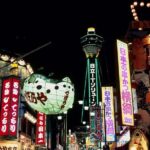
- Tsutenkaku and Shinsekai: iconic views, real local eating
- Takashimaya Osaka food basement (depachika): fast, high quality variety
- Hozenji Yokocho alley: a calmer pause near the temple area
- Dotonbori: neon street food with a guide to order the right way
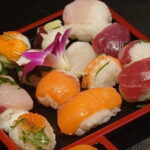
- What you’ll eat: 6–10 local dishes that actually teach the city
- Value check: why $79.28 can make sense in Osaka
- Who this tour is best for
- Should you book this Osaka Food Adventure Tour?
- FAQ
- How long is the Osaka Food Adventure Tour?
- How many dishes can I expect to try?
- Is a drink included?
- What’s the maximum group size?
- Where does the tour start and end?
- Are admissions included for every stop?
- Is public transportation included?
- Will the tour accommodate allergies or dietary restrictions?
- What happens if the weather is bad?
Key highlights worth your attention
- 6–10 local dishes (plus a drink) planned around lunch or dinner-time hunger
- Max 8 travelers, so the guide can actually adjust the pace and choices
- Public transportation help so you can keep moving through Osaka on your own later
- Stops built around Osaka’s food “systems”: department-store food halls plus alley eateries
- Strong guide track record, with English support and plenty of humor mentioned by name
How the 3-hour Osaka food walk actually works
This tour is built for efficient eating in a short time. In about 3 hours, you’ll walk between several concentrated food stops, with the guide handling the hardest parts: choosing places that serve local favorites and guiding you on what to order.
That time structure matters. If you’ve ever watched a group bounce from shop to shop while everyone gets hungry at the wrong moment, you know how fast “food tour” turns into “hangry tour.” Here, the plan centers on lunch or dinner timing, so you can taste more and struggle less.
The group size is also a big deal. With a maximum of 8 travelers, you’re more likely to get personal attention—things like adjusting for preferences and keeping the pace reasonable even when the street is crowded. Many guides in the tour stories (for example, Ayako, Hiro, Sue, Kaoru, and Sumiyo) are described as funny and engaging, and that’s not just personality—it helps people follow directions and enjoy the walk instead of feeling rushed.
You can also read our reviews of more walking tours in Osaka
Starting at Ebisucho Station and finding your rhythm fast
The meeting point is Ebisucho Station (5 Chome-13 Nipponbashi, Naniwa Ward). The tour starts near the Shinsekai side, and the easiest mental model is: you’re heading toward the Tsutenkaku area first, so keep an eye out for it as you orient yourself.
This matters because Osaka’s station exits can feel like a maze when you’re doing it alone. What I like about this tour is that you’re not just fed—you’re coached on how to use public transportation in a way that makes sense for first-timers. A guide can explain which direction to walk, how to get from one food cluster to the next, and how to avoid wasting time in the wrong underground corridors.
In a couple of the personal notes shared from past groups, one useful tip comes up: if you get a little lost, it helps to remember that you’re looking for the station exit closest to Shinsekai, where you can see Tsutenkaku Tower from the area. That kind of “get your bearings fast” guidance is exactly what you want at the beginning of a short food tour.
Tsutenkaku and Shinsekai: iconic views, real local eating
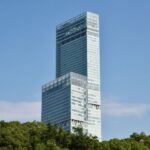
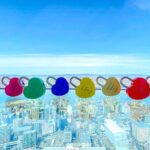
The first stop is Tsutenkaku, the 103-meter tower that’s been a landmark since 1912 (rebuilt in 1956). You’ll spend about 30 minutes here, and you can take in city views from the observation decks if you buy admission on your own (not included).
Why this stop is worth including on a food tour: it gives you context. Tsutenkaku isn’t just a photo moment; it’s the anchor for the entire Shinsekai vibe, so you understand where you are as you start eating. Even if you skip the observation deck, the area still signals the kind of Osaka you’re about to walk into.
Then you move into Shinsekai, meaning New World—an older Osaka neighborhood known for retro energy, neon, and lots of casual eating. You’ll have about 1 hour 30 minutes here, and admission is included for this segment.
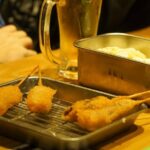
This is where the tour leans hardest into classic Osaka street-food culture. Examples you might see include kushikatsu (deep-fried skewers), and the overall point is that Shinsekai is the place where people come specifically for snacks and quick meals. The tour format helps you avoid the usual beginner mistake: showing up hungry but not knowing what to order, or ordering something touristy because it looks easy.
A realistic drawback: Shinsekai can be crowded, and you’ll be walking through that energy. The good news is that the guide’s job is to keep you moving from one tasting to the next without turning the whole block into a traffic jam.
Takashimaya Osaka food basement (depachika): fast, high quality variety
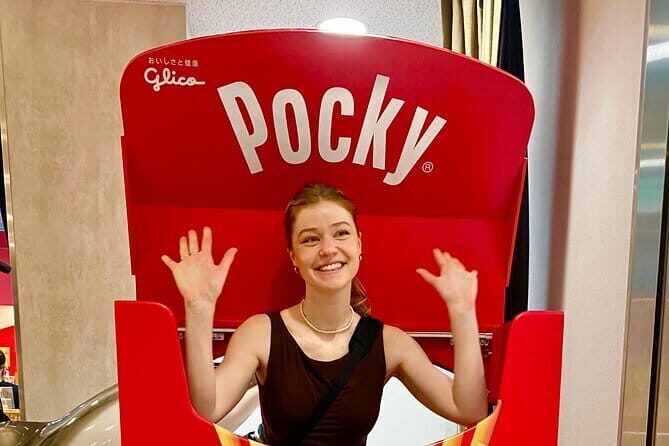
Next comes a short stop at Takashimaya Osaka Store, specifically its depachika (food basement). You’re there for about 15 minutes, and admission isn’t included.
I like depachika stops for two reasons. First, they compress variety into a small space—perfect when your time is limited. Second, they often make it easier to try items you might hesitate to chase on your own, because the food is clearly displayed and organized.
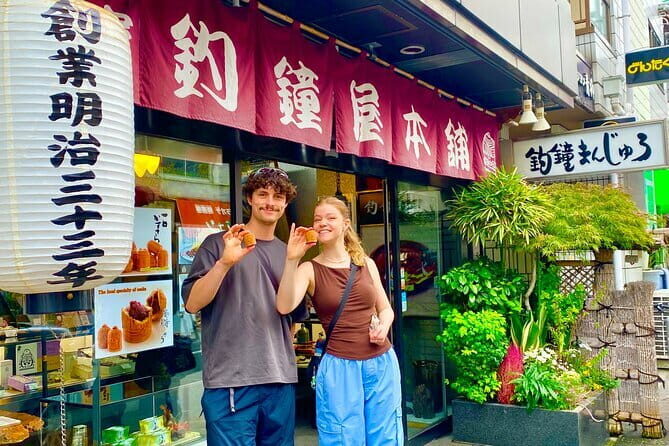
Even though it’s a department store stop, the tour doesn’t treat it like a museum. It’s part of the “Osaka food system” idea: you get street-style bites in one area, and then you switch to a polished setting where you can still find local flavors fast. Depending on availability and your group preferences, you might see sweet treats such as wagashi—the tour mentions options from a 200-year-old wagashi store—plus other grab-and-go-style tastings.
One caution: since this segment is short, don’t assume you’ll have time for extra browsing. If you want something to take home, you’ll likely need to do that after the official tasting window.
Hozenji Yokocho alley: a calmer pause near the temple area
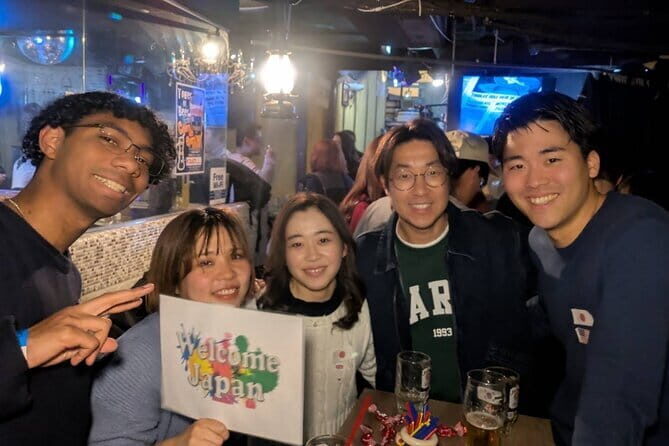
From shopping-level food variety, you shift to a narrower atmosphere at Hozenji Yokocho. This is a small alley known for its traditional feel and historic buildings, near Hozenji Temple. You’ll spend about 10 minutes here, and admission is included for this stop.
This is a good “breather” segment. After Shinsekai’s dense crowd energy, the alley format lets you slow down and enjoy eating without the same level of noise. The tour uses this moment to keep your palate moving—think of it as shifting from louder street food culture to a more old-school Osaka street scene.
The trade-off is the time. Ten minutes passes quickly, so treat it as a taste-and-look moment, not a “let’s hang out here for an hour” stop. If you get tempted to linger for photos, just remember that the tour’s value is the full sequence of tastings across districts.
You can also read our reviews of more food & drink experiences in Osaka

Dotonbori: neon street food with a guide to order the right way
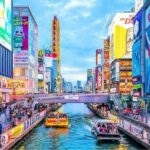
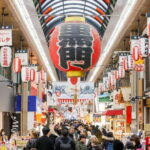
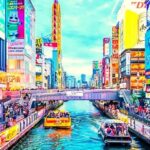
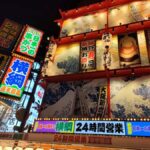
The final zone is Dotonbori, the entertainment district along the canal with famous neon signs and nonstop street energy. You’ll have about 30 minutes here, and admission is included for this segment.
You’ll also end at the Glico Sign area in Dotonbori, near the bridge (this is your final meeting point). That’s helpful because Dotonbori can feel like a maze at night. Finishing at a landmark means you’re not left wandering for your next train decision.
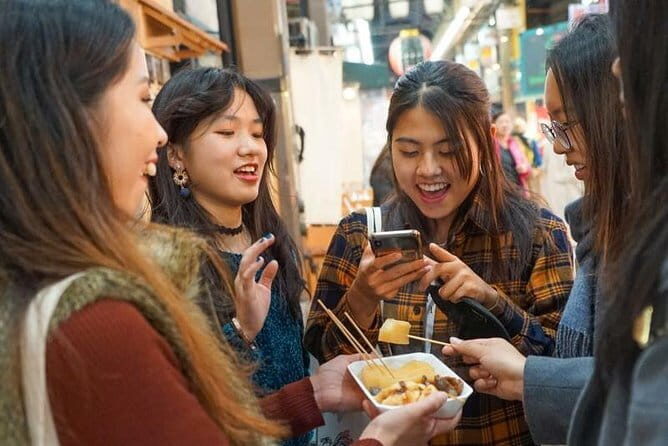
Dotonbori is where you’ll likely see signature Osaka street staples again—especially takoyaki, which the tour specifically mentions as coming from Osaka’s oldest takoyaki shop. Expect the guide to handle the ordering flow so you’re not stuck staring at a menu while your hunger peaks.
A practical tip from how tours like this are structured: at Dotonbori, your senses will be overloaded (lights, crowds, smells). Let the guide lead the timing. If you try to “beat” the plan by eating too early, you’ll arrive at later tastings too full to enjoy them.
What you’ll eat: 6–10 local dishes that actually teach the city
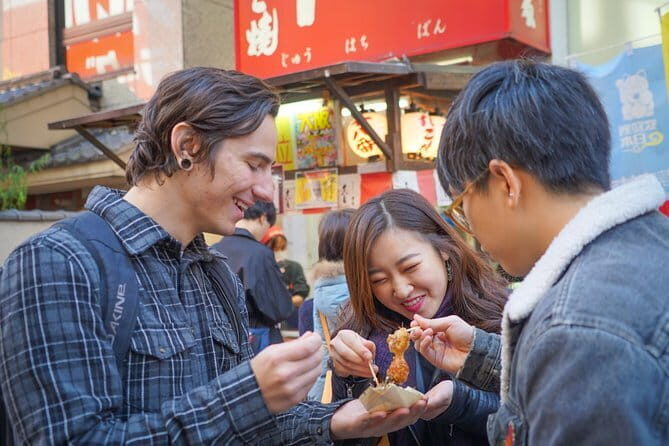
The tour is positioned as a way to try 6–10 local dishes and skip tourist traps. The phrase tourist traps can sound like marketing, but the way this tour is built supports it: you’re guided to local-style food spots across different settings—street skewers, alley eateries, and a depachika basement—so you get range instead of repetition.
The examples listed give you a strong sense of the variety:
- Croquettes from a historic butcher shop
- Wagashi from a 200-year-old wagashi store
- Kushikatsu from the Shinsekai area
- Takoyaki from Osaka’s oldest takoyaki shop
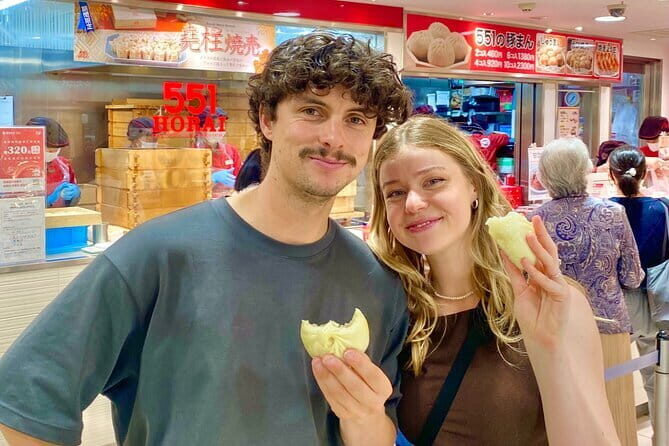
- Butaman (steamed meat buns) loved by locals
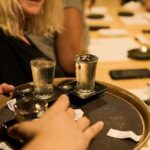
The included drink is another key value piece. You get one choice of alcoholic or non-alcoholic drink, which means you don’t have to calculate prices on the fly while you’re deciding what to eat.
Dietary considerations are the one part you must take seriously. The tour notes that tastings may include ingredients such as meat, seafood, wheat, and dairy. If you have allergies or restrictions, your best move is to contact the provider in advance. Don’t rely on a last-minute explanation at the stall.
Value check: why $79.28 can make sense in Osaka
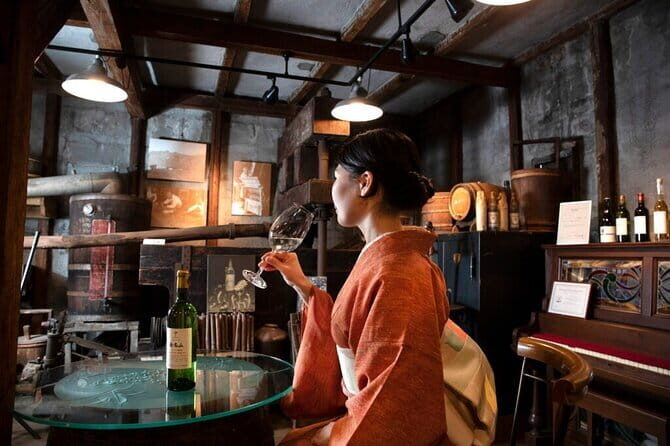
At $79.28 per person, this isn’t a budget snack crawl, but it also isn’t just paying for food. You’re paying for a few things that cost time and effort when you travel alone:
- 6–10 dishes planned for you
- A drink included
- English (and Japanese) guiding
- A small group size that keeps the experience personal
- Public transport help for moving between areas
If you tried to recreate the same day on your own, you’d spend your time researching places, translating menus, guessing portion sizes, and dealing with the crowd timing. Buying food one stop at a time can also get expensive fast, especially in areas like Dotonbori where choices are plentiful.
The “gotcha” value math is that a couple items are not included: Tsutenkaku admission and the Takashimaya segment aren’t included, and there’s that ¥190 subway fee for a segment from the Shinsekai area to Namba. Still, even with those extras, you’re likely to come out ahead compared with piecing together a similar multi-stop food day without guidance.
And the guide quality seems to be a real strength. Past participants rate it extremely high (a 4.9 average across 119 reviews) and strongly recommend it (98%). Names like Ayako, Chiyoe (also called Aunty), Kaoru, Sue, Hiro, Bryan, Emi, and Sumiyo pop up repeatedly, with comments about humor, strong communication, and going off the beaten path.
Who this tour is best for
This tour is a strong fit if you:
- Want to eat your way through Osaka in a short window
- Like small-group experiences where you can ask questions
- Need help with trains so you don’t lose time to wrong exits
- Enjoy classic Osaka street food culture, not just “must-see” landmarks
It’s also a good choice if you’re traveling solo or with a friend. One note from a past group highlights that the tour can end up being very manageable when the group is small—so you get a more personal experience, even if you start as a single traveler.
The tour asks for moderate physical fitness. This is walking between clustered neighborhoods, not a long endurance hike, but you will be on your feet and moving through busy areas.
Should you book this Osaka Food Adventure Tour?
Book it if you want a guided plan that turns Osaka food from random choices into a sequence that teaches the city—Shinsekai to depachika to alleyways to Dotonbori. The included tastings plus the drink choice are exactly what make the price feel reasonable, especially in a city where street food is everywhere but knowing what’s local takes a bit of work.
Skip it (or choose another option) if you have strict dietary needs and can’t confirm accommodations in advance. Also, if you hate walking through crowded neon streets at night, know that Dotonbori is part of the ending energy.
My practical call: this is one of the simplest ways to get oriented fast and eat well while you’re still learning your Osaka routes. If you book, arrive hungry, and treat the guide’s pacing like the real menu.
FAQ
How long is the Osaka Food Adventure Tour?
The tour lasts about 3 hours.
How many dishes can I expect to try?
You’ll try 6–10 local foods included in the tour.
Is a drink included?
Yes. You get 1 choice of drink, either alcoholic or non-alcoholic.
What’s the maximum group size?
The tour is limited to a maximum of 8 travelers.
Where does the tour start and end?
It starts at Ebisucho Station near 5 Chome-13 Nipponbashi, Naniwa Ward, Osaka, and ends at the Glico Sign in Dotonbori (near the bridge).
Are admissions included for every stop?
Not all admissions are included. Tsutenkaku admission is not included, and the Takashimaya depachika stop is also not included. Shinsekai and Hozenji Yokocho are listed as having admission included.
Is public transportation included?
The tour includes help with using public transportation, but the subway fee from the Shinsekai area to Namba is not included and is listed as ¥190 per person.
Will the tour accommodate allergies or dietary restrictions?
The tour notes that tastings may include meat, seafood, wheat, and dairy. If you have allergies or restrictions, you should contact the provider in advance to discuss options.
What happens if the weather is bad?
The experience requires good weather. If it’s canceled due to poor weather, you’ll be offered a different date or a full refund.