REVIEW · OSAKA
Umami Town Street Food Tour
Book on Viator →Operated by Culinary Backstreets Walks · Bookable on Viator
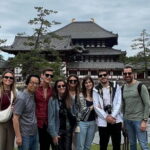
Street food in Osaka, guided by umami. I like how this tour turns famous bites into a story you can taste, not just a checklist. You get a small-group feel (max 7), plus a guide who can steer you through places like Tenmangu Shrine, Kuromon Market, and Dotonbori without losing the plot.
Two things I genuinely love: the food variety in one 5-hour outing, and the way guides like Miyo and Yuka make the day feel personal. You’re not stuck eating random snacks; you learn what makes dishes tick, including the flavors behind staples like takoyaki and okonomiyaki. One heads-up: there’s about an hour at a shrine early on, so if you want nonstop food the moment you meet, this may feel like a slow start.
In This Review
- Key points worth knowing before you go
- Umami Town Street Food: Why the Flavor Theme Works
- Meeting at Minami-Morimachi (10:00 AM) and How the 5 Hours Flow
- Tenmangu Shrine: Starting With Learning Before the Food
- Kuromon Market: Osaka’s Kitchen Where You Start Sampling
- Dotonbori Tsuribori: Neon Streets and the Okonomiyaki Moment
- What’s Included: Dinner, Snacks, Alcohol, and Water
- Price and Value: What $175 Buys You in Osaka
- Who Should Book This Umami Street Food Tour?
- Should You Book Umami Town Street Food Tour?
- FAQ
- How long is the Umami Town Street Food Tour?
- What time does the tour start, and where does it begin?
- What stops are included on the route?
- How many people are in the group?
- What is included in the price?
- Is private transportation included?
Key points worth knowing before you go
- Max group size of 7 keeps the pacing friendly and the questions coming
- Umami-focused bites connect ingredients to flavor, especially for takoyaki and okonomiyaki
- Three major Osaka stops: Tenmangu Shrine, Kuromon Market, and Dotonbori Tsuribori
- Dinner, snacks, and alcoholic beverages included, plus bottled water
- Mobile ticket and a clear start at Minami-Morimachi Station
Umami Town Street Food: Why the Flavor Theme Works
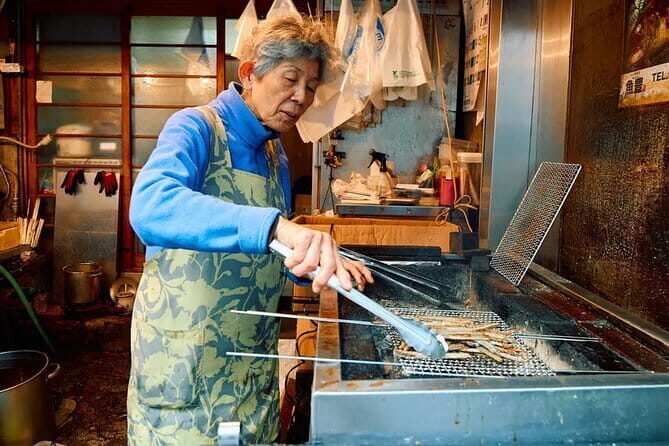
Osaka already has a street-food reputation. This tour adds a smart angle: it’s not only about what you eat, it’s about why it tastes so good. Umami is the through-line, so bites feel connected instead of random.
I like that you’ll hear about ingredients behind dishes people talk about nonstop online. When you understand what’s contributing to that savory depth, you end up eating with more attention. And that makes even familiar dishes more satisfying.
The guide’s role matters here. In Japan, some stalls and small restaurants are easy to miss if you’re just walking. A guide helps you find the right spots, then gives you just enough context to make each stop click.
You can also read our reviews of more food & drink experiences in Osaka

Meeting at Minami-Morimachi (10:00 AM) and How the 5 Hours Flow
The tour starts at 10:00 am near Minami-Morimachi Station, and it ends back at the meeting point. You’re looking at about 5 hours, which is a sweet spot for a food day: long enough to sample a lot, short enough that you’re still free for a later Osaka plan.
The group size is capped at 7, which changes the experience. You’re not watching someone else order while you wait. You can ask questions, get quick guidance on what to try, and keep moving without feeling herded.
Since this uses a mobile ticket, you can keep things simple. No paper ticket hunting in a crowded neighborhood. Also, the tour is designed so most people can participate, which matters if you’re deciding between a food crawl and something more physical.
One practical thing: because alcoholic beverages are included, pace yourself. You can always slow down your sipping and stick to water. And you’ll appreciate having bottled water included when you’re out walking.
Tenmangu Shrine: Starting With Learning Before the Food
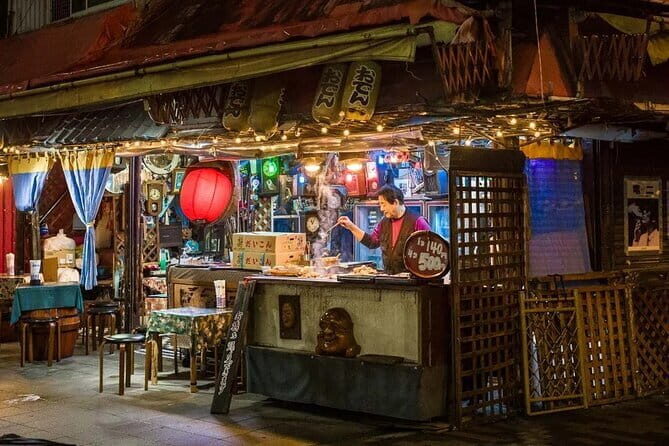
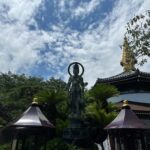
Stop 1 is Osaka Tenmangu Shrine, dedicated to Sugawara no Michizane, a scholar and politician from the Heian period. In this tradition he’s deified as Tenjin, tied to learning, scholarship, and literature.
It may sound like a detour from eating. But it’s a useful reset. You start the day with a calm, meaningful landmark, then shift into the food neighborhoods with a clearer sense of place.
You’ll have about 1 hour here, and it’s free to enter. That length is helpful because it lets you take in the site without rushing, especially if the group is a mix of food comfort levels. It’s also a nice cultural break before market and neon-street time.
The trade-off is timing. If your ideal Osaka day is pure snack mode, the shrine stop might feel slower than you expect. I’d treat it as your breathing room before you go into high-flavor mode later.
Kuromon Market: Osaka’s Kitchen Where You Start Sampling
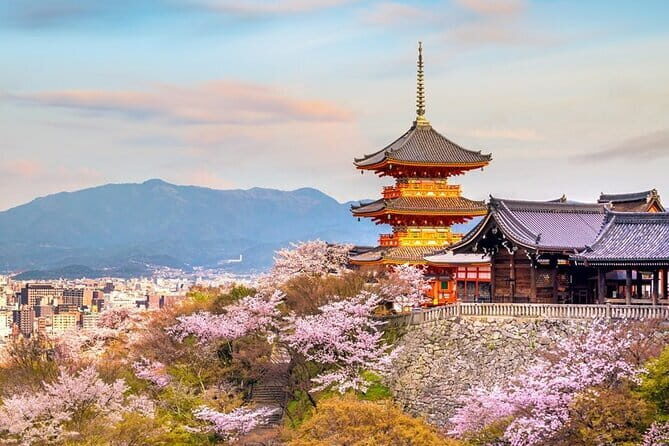
Next up is Kuromon Market, one of Osaka’s best-known food areas. You get around 30 minutes here, with free admission.
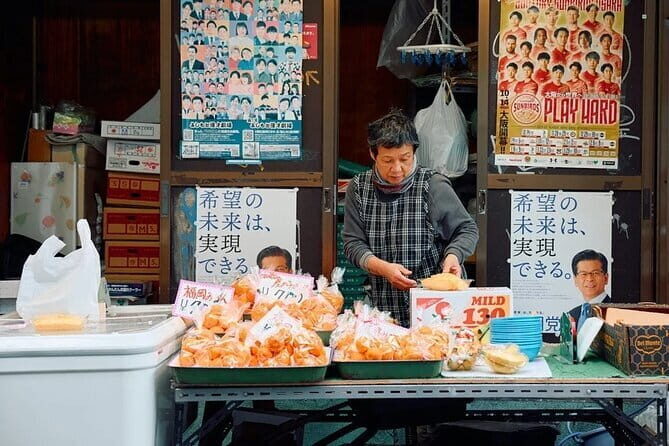
This is where the tour usually kicks your appetite into gear. The market is known for fresh seafood and meats, and for street-friendly bites such as takoyaki and sushi. Even if you think you know these dishes, market conditions matter: you’re seeing what’s available, watching people choose, and eating in the real rhythm of the place.
A guided visit helps with two big things. First, you avoid the common mistake of ordering something you don’t actually want just because it’s closest. Second, you get help translating what you’re looking at, so you can focus on taste rather than figuring out menus on the fly.
In a short market stop, the goal isn’t to do everything. It’s to sample well. Use this time to try a couple of anchor flavors, then save your biggest craving for later streets if you still feel hungry.
Dotonbori Tsuribori: Neon Streets and the Okonomiyaki Moment

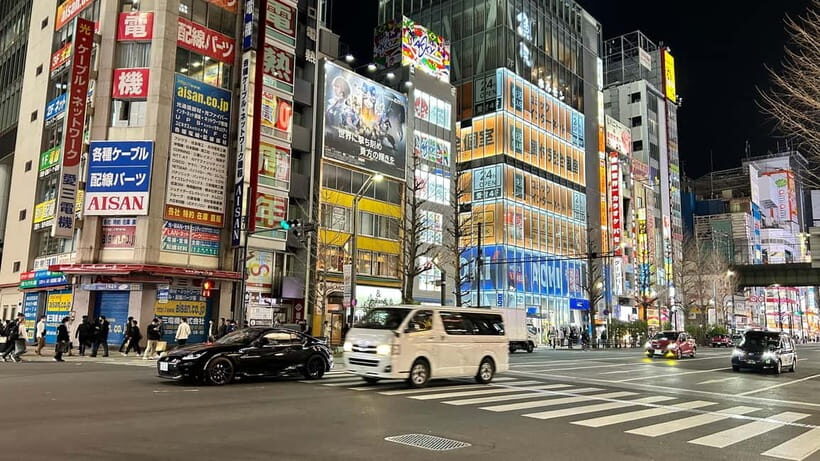
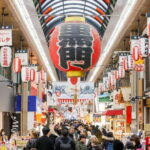
Stop 3 is Dotonbori Tsuribori, the entertainment district famous for neon lights and oversized signboards. You’ll have about 1 hour here, and it’s where Osaka street food energy really ramps up.
This is a key final stop because it’s built for a lively evening vibe. Expect street favorites such as takoyaki and okonomiyaki, plus the kind of atmosphere that makes you want to wander even after the tour is done.
Okonomiyaki in particular is a smart target for an umami-themed tour. It’s comforting, savory, and layered with sauce and toppings. If you’ve learned what contributes to that deep flavor, you’ll be able to taste it more clearly as the dish hits your palate.
One more benefit: a guide keeps the pace tight. Dotonbori can get crowded, and line management matters. A good guide helps you spend less time stuck and more time eating and enjoying.
A few more Osaka tours and experiences worth a look



What’s Included: Dinner, Snacks, Alcohol, and Water
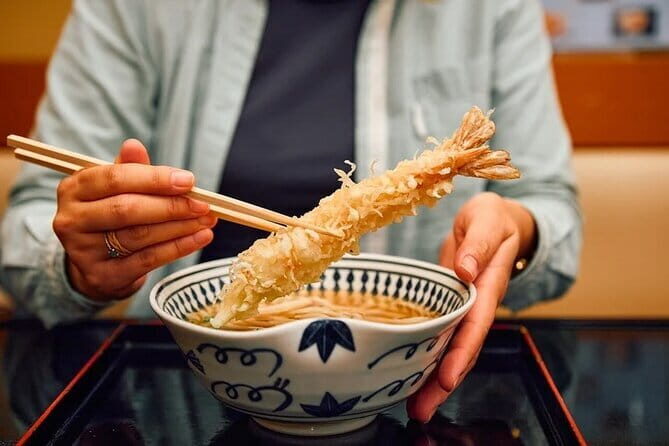
This tour includes dinner, snacks, bottled water, and alcoholic beverages. That’s part of why the price makes sense for many people. You’re not paying just for walking and commentary; you’re paying for a whole food portion of the day.
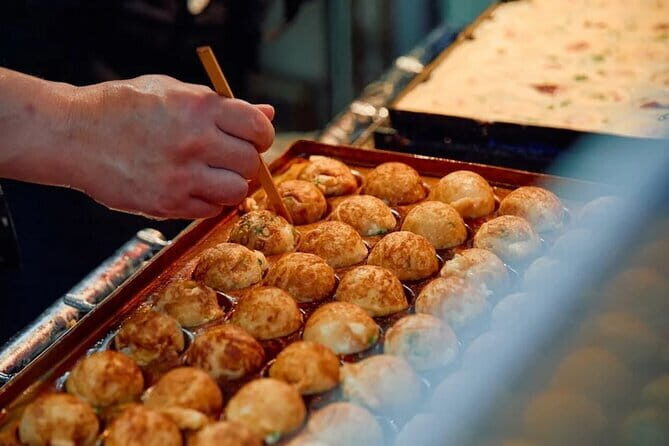
The exact menu can vary by day and guide, but you should expect tastings built around Osaka staples. The tour highlights takoyaki and okonomiyaki, and some groups report trying other items like fugu as part of the spread. If you’re a super selective eater, that’s worth flagging in advance so you can align expectations.
Alcohol inclusion also changes how you plan. If you’re drinking, it can make the walk feel more like a celebration than a strict meal rotation. If you don’t drink, you’ll still get water, snacks, and dinner, so you’re not stuck. Just ask the guide what’s available so you can make an easy decision.
Also, bottled water matters more than people think in Japan summer humidity. Having it built in keeps you from breaking the flow to find supplies.
Price and Value: What $175 Buys You in Osaka
At $175 per person, this isn’t a bargain snack crawl. But it can be good value depending on how you like to travel.
Here’s why: you’re paying for a guided route that hits three high-impact food zones, plus dinner, snacks, water, and alcohol. You’re also paying for a guide who can handle the practical stuff—where to go, when to order, and how to keep the group moving smoothly in crowded areas.
Demand seems strong. The tour is commonly booked about 50 days in advance, which usually means people have found it reliable. If you’re planning travel around busy seasons, booking earlier helps you avoid last-minute availability problems.
My practical take: if you’re comfortable navigating Osaka on your own and you just want to eat your way through neighborhoods, you could DIY. But if you want the experience to feel guided, structured, and explained—especially with an umami theme—the price starts to feel more reasonable.
Who Should Book This Umami Street Food Tour?
This works best for people who want a guided taste route with a clear point of view. If it’s your first Osaka trip, I’d pick this to get your bearings fast and learn what locals consider the real flavor anchors.
It also suits groups because the tour is small. I’ve seen this kind of format work well for families with kids, especially when the group has different comfort levels with food. If that sounds like your situation, this small-group size is a big plus.
Where you might pause: if you dislike walking for any reason, or if you want zero cultural stops and only food from minute one, the shrine stop could be the wrong fit. It’s not a museum-hour ordeal, but it is time you won’t be eating.
If you have food allergies or strong restrictions, ask before you go. The data suggests the company prepares for mixed groups, but the only smart move is to confirm how they handle your specific needs.
Should You Book Umami Town Street Food Tour?
If you want Osaka street food with context, not just consumption, I think you should book it. The mix of Tenmangu Shrine, Kuromon Market, and Dotonbori gives you both cultural grounding and top food neighborhoods in one day. Add dinner, snacks, water, and alcohol, and the day feels like a complete outing rather than a handful of samples.
Skip it only if your priority is purely independent wandering and you don’t want any slower start. Otherwise, this is a solid pick for an easy-to-follow food day with a real flavor theme.
FAQ
How long is the Umami Town Street Food Tour?
It runs for about 5 hours.
What time does the tour start, and where does it begin?
The tour starts at 10:00 am and begins near Minami-Morimachi Station at 2 Chome-1 Minamimorimachi, Kita Ward, Osaka.
What stops are included on the route?
The tour includes Osaka Tenmangu Shrine, Kuromon Market, and Dotonbori Tsuribori.
How many people are in the group?
The tour has a maximum group size of 7 travelers.
What is included in the price?
Included are alcoholic beverages, bottled water, dinner, and snacks.
Is private transportation included?
No. Private transportation is not included.