REVIEW · OSAKA
Three Types of Ramen Cooking Class in Osaka
Book on Viator →Operated by Sakura Cook · Bookable on Viator
Ramen feels different when your hands make it. In Osaka, this small-group class has you learn handmade noodles from scratch, then cook three ramen types in one 2.5-hour session. You get to eat everything right there—plus dessert and green tea—so it’s not a sit-and-watch event.
I like the three-broth variety because it teaches the ramen logic behind seasonings and toppings, not just one recipe. I also love the practical setup: utensils and ingredients are handled, and you leave with a printed recipe. One drawback to plan for: it’s an active, hands-on class, so if you want a totally relaxed food tour, this won’t feel like that.
In This Review
- Key highlights
- Where You Start in Kitahorie (and why it helps)
- The Class Flow: apron on, noodles first, broth after
- What You Actually Cook: salt ramen, soy sauce ramen, miso ramen
- Salt Ramen (clear, savory, and clean)
- Soy Sauce Ramen (fragrant and rounded)
- Miso Ramen (brothy, hearty, and slightly spicy)
- Noodles: total 100g
- The Broth and Topping Lessons that Stick
- Who Teaches You (and why good English matters)
- What’s Included with Your Ramen Meal (and what you’ll get besides bowls)
- How Much Time You Really Get (2 hours 30 minutes works)
- Small Group Size: what you gain when the class stays intimate
- Dietary Options: vegetarian ramen is possible (with a request)
- Price and Value: is $79.28 worth it?
- The Chili Oil Tip: go easy if you’re sensitive
- Tips for Getting the Most Out of Your Ramen Class
- Who Should Book This Osaka Ramen Cooking Class
- Should You Book It?
Key highlights
- Handmade noodles from scratch: you’ll learn the noodle-making process, not just sauce assembly
- Three ramen styles in one session: salt, soy sauce, and miso, each with its own toppings and flavor direction
- Small group size: limited to eight for a more personal feel (with a maximum of 12 travelers)
- You eat what you cook: three bowls, plus dessert and green tea
- Noodle amount is substantial: total noodles are 100g across the class
Where You Start in Kitahorie (and why it helps)
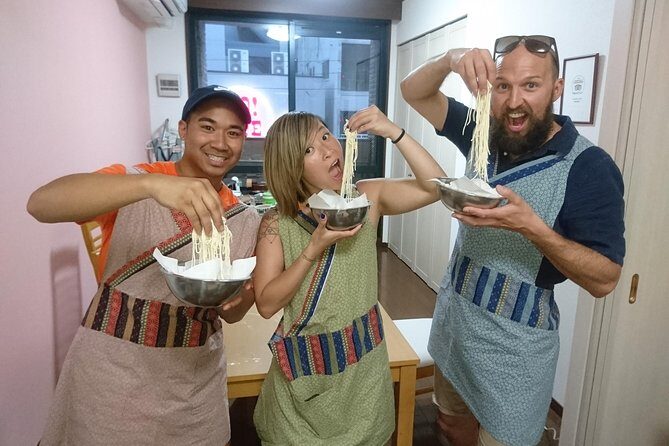
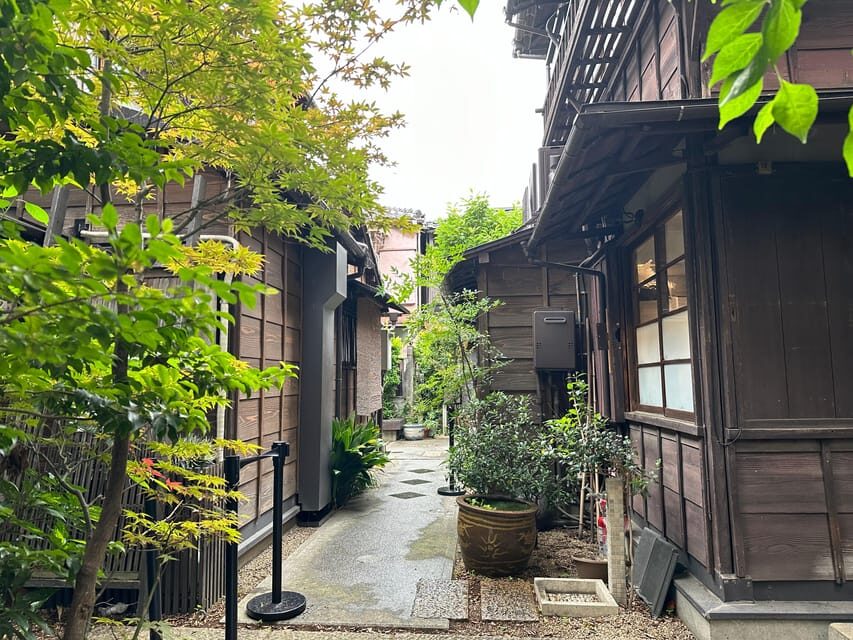
You meet at Banix 北堀江 Japan in Osaka’s Nishi Ward, Kitahorie area. This matters more than you’d think. A lot of ramen experiences happen far from transit hubs, which can turn a fun day into a scramble. Here, the class is near public transportation, and it runs back to the same spot at the end.
The location also feels local. Instead of a food-themed tourist bubble, you’re stepping into a real kitchen space where the focus stays on learning: aprons on, station ready, ingredients laid out.
You can also read our reviews of more cooking classes in Osaka
The Class Flow: apron on, noodles first, broth after
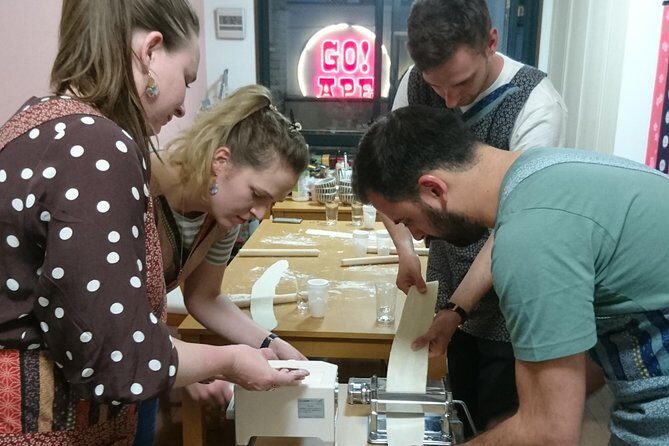
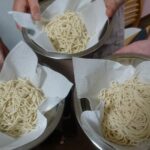
The rhythm of the class is clear and beginner-friendly. You start by putting on an apron, then you jump straight into handmade noodle making. That choice is smart. Getting the noodles right changes the whole ramen experience, and it’s the part you can’t just copy from a store-bought kit.
From there, you build three ramen systems:
- You prep toppings and components (meat/vegetables for some, plus eggs and greens for others).
- You learn how different broths are seasoned and how that impacts the final bowl.
- You finish with the moment that makes cooking classes worth it: you sit down and eat what you made.
At the end, you place your dishes out with chopsticks and say Itadakimasu before digging in. It’s a small ritual, but it’s also a nice reminder that ramen isn’t just food—it’s a craft and a culture.
What You Actually Cook: salt ramen, soy sauce ramen, miso ramen
This is a three-for-one setup, and it’s the best part for most people. You’re not repeating the same bowl three times. Each ramen style has its own flavor target, and the toppings help teach that target fast.
Here’s what you make:
Salt Ramen (clear, savory, and clean)
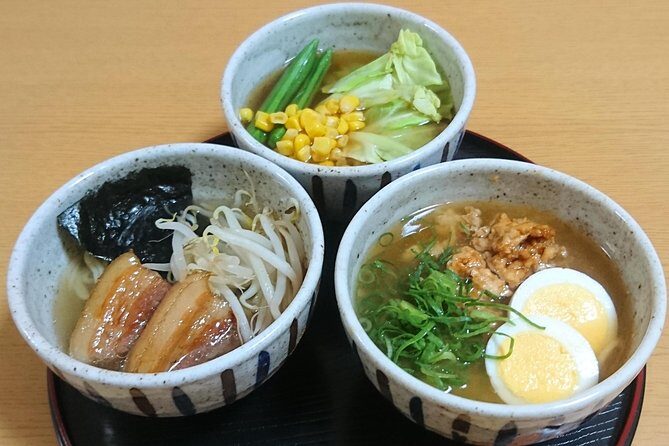
Toppings: juicy sweet pork, bean sprouts, seaweed
Salt ramen often tastes lighter than miso, but don’t mistake it for simple. The point is balance. You’re learning how salt seasoning supports the pork’s sweetness and keeps the noodle flavor front and center. The sprouts and seaweed add crisp and umami layers that make the broth feel purposeful, not watery.
Soy Sauce Ramen (fragrant and rounded)
Toppings: steamed cabbage, green vegetables, sweet corn
Soy sauce ramen is about depth with a smooth edge. The steamed cabbage and greens bring a gentle sweetness and fresh bite, while corn adds that soft pop. This bowl helps you understand how soy sauce’s aroma works with vegetables, not only with pork.
A few more Osaka tours and experiences worth a look


Miso Ramen (brothy, hearty, and slightly spicy)
Toppings: spicy chicken, boiled eggs, green onion
Miso ramen is your richer finale. The spicy chicken adds punch, and the boiled eggs help make the broth feel fuller and more comforting. Green onion ties everything together with aroma. If you’ve ever wondered why miso ramen can feel like a hug, this is the class that explains the mechanics.
Noodles: total 100g
You make enough noodles across the session to feel like you’re really eating ramen, not nibbling. The total is 100g, and it’s spread through the three bowls.
The Broth and Topping Lessons that Stick
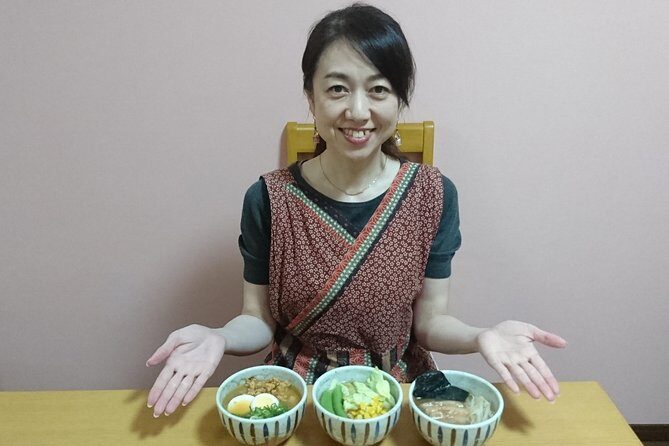
The class is built around more than recipes. You learn the logic of ramen construction—how seasoning changes the base, how toppings add texture, and how you can get consistent results.
A few specific teaching moments that come through strongly in the class style:
- Clear step-by-step directions (so beginners can keep up)
- Patience when you’re working the noodles
- Practical tips for cooking meat, handling vegetables, and timing your bowls so they come out together
You’ll also get printed recipes to take home, which is crucial. A lot of cooking classes stop at eating. This one hands you something you can actually use later.
Who Teaches You (and why good English matters)
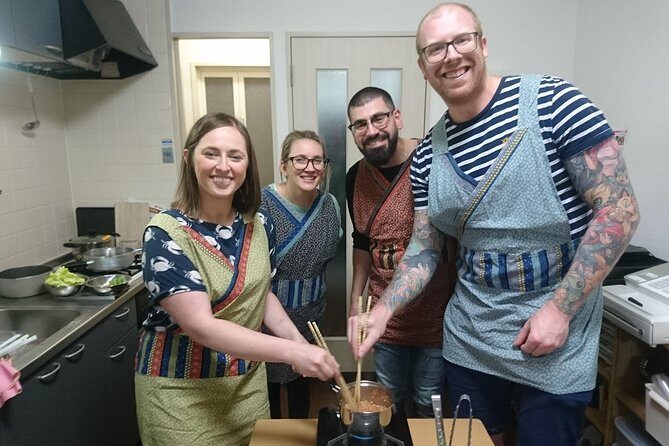
In a lot of Japan cooking classes, language becomes the weak link. Here, it isn’t. Many instructors are described as speaking good English, and that makes a big difference for two reasons:
1) You can ask questions mid-process without feeling lost.
2) You understand not only what to do, but why that step matters.
In the past, instructors have been mentioned by name—Fumi and Tomiko-san show up often, and other names like Keigo/Keiyo appear as well. Regardless of which teacher you get, the class style is hands-on and guided, with attention to making sure your noodles and toppings turn out well.
What’s Included with Your Ramen Meal (and what you’ll get besides bowls)
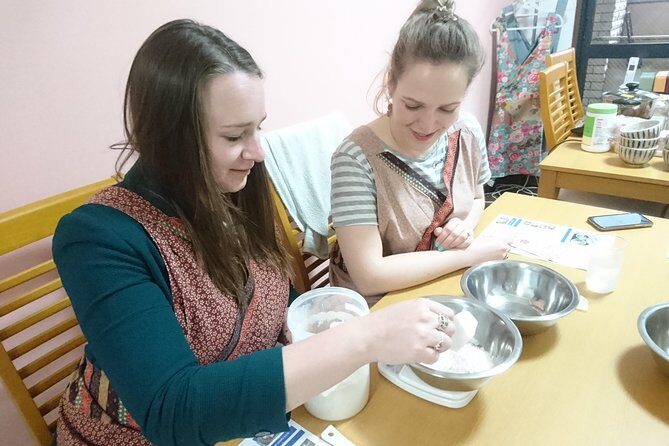
This experience isn’t just about cooking. It’s also about eating in a way that helps you remember what you learned.
Included:
- All ingredients for your lunch/dinner
- Kitchen utensils and equipment
- Printed recipe to take home
- Seasonal fruits
- Dessert and green tea with your meal
Not included:
- Hotel pickup/drop-off
- Personal expenses or additional drinks
The practical value here is that you don’t have to manage a grocery list or hunt for Japanese pantry items on your own first night. You’re learning a workflow with everything provided.
Also, the dessert + green tea finish makes the class feel like a full, satisfying meal, not a snack between activities.
How Much Time You Really Get (2 hours 30 minutes works)
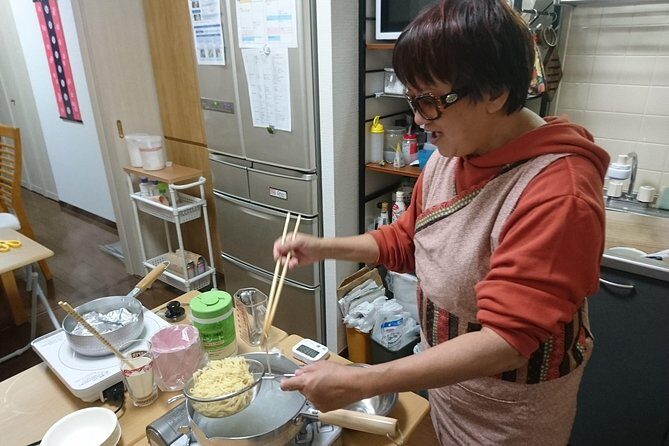
The class is about 2 hours 30 minutes. For cooking, that’s a workable length. It’s long enough to make noodles and cook three bowls, but short enough that you won’t end up standing around for hours while others finish.
Still, keep expectations realistic:
- You’ll be focused the whole time.
- You’ll handle multiple stations.
- You’ll taste along the way, but the main payoff is the final three ramen bowls.
If you’re the type who likes slow and casual, pair this with lighter plans the same day.
Small Group Size: what you gain when the class stays intimate
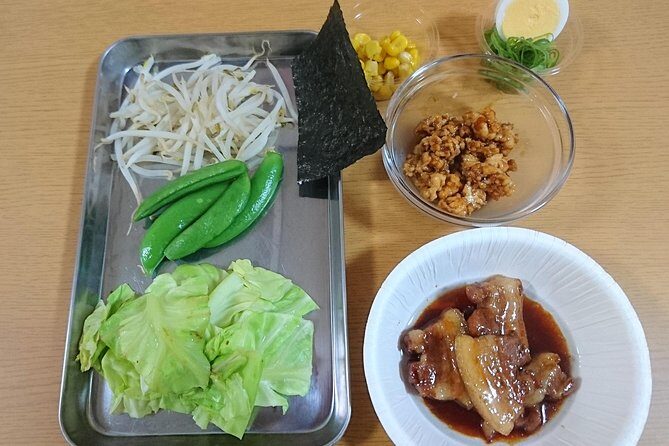
This is set up for a better teacher-to-student ratio. The format aims for a maximum of eight people for personalization, and the overall cap is 12 travelers.
That smaller size is what lets you get help with the noodles. It’s also what makes the class feel friendly. Several people mention the coziness—when there are only a few participants, it can feel close to a private cooking lesson.
If you travel with a friend, partner, or family, this size helps you actually talk with the instructor rather than shouting over the room.
Dietary Options: vegetarian ramen is possible (with a request)
One of the most encouraging details from the class culture is that it can adapt for dietary needs. If you’re vegetarian, you can ask ahead so the instructor can plan the broth and ingredients accordingly.
In at least one case, the broth was prepared without animal products, so vegetarian guests weren’t forced into a compromise bowl. If you need a specific diet handled, don’t assume it will be automatic—send a note when you book and confirm your needs.
Price and Value: is $79.28 worth it?
At $79.28 per person, the price is not the cheapest thing you can do in Osaka. But it’s also not just a “hands-on snack.”
You’re paying for:
- A small-group cooking lesson
- Noodles made from scratch
- Three ramen varieties with toppings
- Dessert, green tea, and seasonal fruit
- Utensils/ingredients provided
- A printed recipe you can use at home
If you compare it to doing ramen-only plus a cooking tour plus a dessert stop, this bundle starts to look like good value. You’re also learning a repeatable skill. Even if you don’t make ramen every month, knowing how noodles and broth interact is the kind of knowledge that makes the next bowl of ramen you eat taste more meaningful.
The Chili Oil Tip: go easy if you’re sensitive
One practical caution: some ramen finishes include chili oil. If you’re sensitive to heat, start with a light amount. A past guest noted the effect can be stronger than expected right after adding it.
You’re in control here—so taste first, then decide how brave you want to be.
Tips for Getting the Most Out of Your Ramen Class
Here’s how to make this class work for you, even if you’ve never cooked ramen before:
- Come hungry. You’ll end up with three bowls across the session.
- Watch the noodle steps closely. The class starts with noodles from scratch, and that’s where most of the learning happens.
- Ask questions early. If something feels confusing, it’s easier to correct as you go than after the bowl is done.
- Take the printed recipe seriously. Use it the next time you shop for pantry ingredients, not weeks later when details blur.
Who Should Book This Osaka Ramen Cooking Class
I think this class fits best if you:
- Love ramen and want to understand the differences between salt, soy sauce, and miso
- Want a hands-on activity that ends with a real meal
- Prefer a smaller class where the instructor can help you with noodles
- Travel with family or teens who enjoy food activities (a participant mentioned a 10-year-old staying fully engaged)
It also works if you don’t cook much. The instructions are set up so beginners can follow the process and still produce tasty results.
Should You Book It?
Yes, if you want an Osaka experience that’s practical, tasty, and skill-based. This class doesn’t just feed you; it teaches you how the ramen comes together—especially the noodle-making and the way seasoning changes each broth.
Book it if:
- You’re excited by the idea of making noodles from scratch
- You like learning through doing
- You want dessert and green tea included, not tacked on later
Skip it if:
- You hate hands-on cooking
- You want an effortless food stroll rather than active preparation
If you’re on the fence, here’s the simplest test: if you enjoy ramen enough to eat it twice in one trip, you’ll likely enjoy cooking it once with real guidance.