REVIEW · OSAKA
Osaka in a Nutshell: Three hour bike tour
Book on Viator →Operated by In Kansai Experiences · Bookable on Viator
If you want Osaka without the map math, this bike tour cuts straight to the good parts. You ride through central neighborhoods and green spaces while a bilingual guide explains what you’re seeing—plus you get the freedom to stop for photos without getting lost.
Two things I really like: you start with provided gear (hybrid bike, helmet, bottled water), and the route is 90% flat, so you’re mostly gliding instead of grinding. Second, the tour mixes famous stops with calmer, lesser-known corners, including riverside quiet and city-center parks.
One thing to keep in mind: it depends on good weather, and on steamy days you’ll still feel the humidity, even if the ride itself is easy.
In This Review
- Key Highlights at a Glance
- Why a 3–4 Hour Bike Tour Beats “Figure It Out” Osaka
- What You Actually Get: Bike, Helmet, Water, and a Mobile Ticket
- Route Walkthrough: From Nakanoshima Park to River Peace
- Mint Museum Grounds: Modernization Stories Without the Museum Time
- Osaka Castle Park: Green Views, Photos, and a Clear Historical Frame
- Utsubo Park: The City Center Green Break You’ll Remember
- Guide Style: What the Bilingual Commentary Does for Your Day
- Pace and Road Comfort: Easy Riding, But Stay Alert
- Price and Value: Is $72.67 Fair for This Ride?
- When to Go (and What to Wear for Osaka’s Heat)
- Small-Group Experience: Why Max 8 Matters
- Should You Book This Osaka Bike Tour?
- FAQ
- How long is the Osaka in a Nutshell bike tour?
- What’s included with the ticket?
- Is the route difficult?
- Where does the tour start and end?
- What happens if the weather is bad?
- How big is the group?
Key Highlights at a Glance
- Hybrid bike + helmet rental included, so you’re not hunting for rentals or dealing with language friction
- Bilingual commentary that connects landmarks to everyday Osaka life
- Parks and rivers take you off the busiest roads and give you that cooler, greener Osaka feel
- A tight 3 to 4 hour loop that covers a lot without wearing you out
- Small group (max 8), which makes it easier to keep the ride together and hear the guide
- Stops are mostly photo-and-story moments, with a little walking where it makes sense
Why a 3–4 Hour Bike Tour Beats “Figure It Out” Osaka
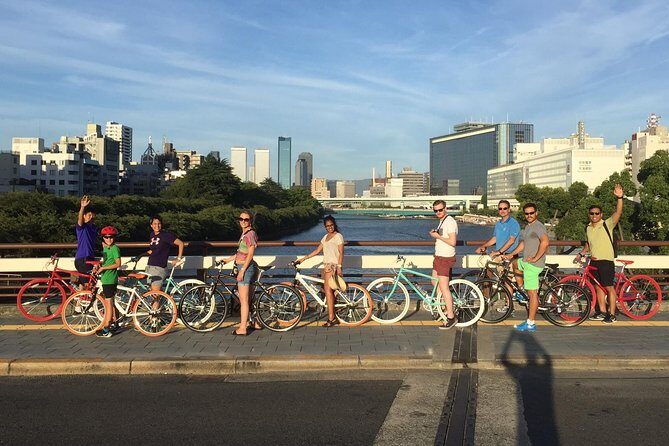
Osaka is not a city that begs you to stay inside trains all day. The streets are bike-friendly in feel, and once you’re rolling, the city starts to make sense fast. This tour is built for that moment when you’d rather ride than research.
The best part is how it trades effort for enjoyment. You don’t spend your energy reading signage, planning transfers, or guessing which station exit lands you closest to your next photo stop. The guide handles the route, you pedal at a comfortable pace, and you focus on what you came for: parks, historic sites, and local context.
And the time window matters. In about 3 to 4 hours, you can do a meaningful chunk of Osaka without turning your day into a full marathon. That’s especially helpful if you’re also planning food stops later.
You can also read our reviews of more cycling tours in Osaka
What You Actually Get: Bike, Helmet, Water, and a Mobile Ticket
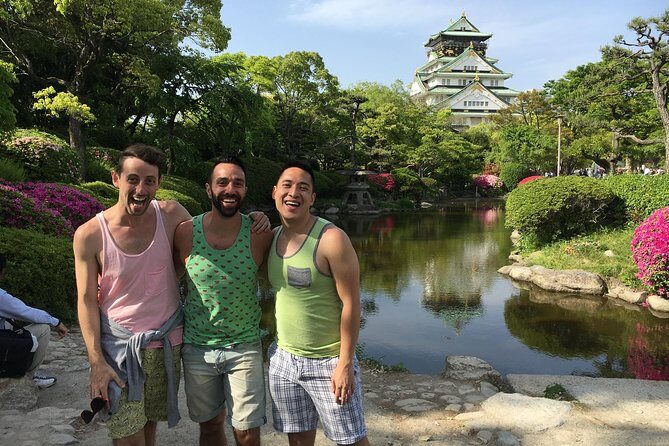
This isn’t just “show up and ride.” You get the practical basics that remove friction:
- A hybrid bike designed for city riding
- A helmet (including larger sizes if needed)
- Bottled water to keep you comfortable
- A mobile ticket, which cuts down on paper handling
- A group cap of 8 travelers, so it feels manageable rather than chaotic
Hybrid bikes are the right choice for Osaka. They’re stable, easy to steer, and built for mixed surfaces—something you’ll appreciate when your route includes cycle paths and some stretches near streets.
Also, the tour is structured with short stops. That means you’re not standing around waiting while the group “catches up.” You get a few minutes at each place for photos and quick explanations, then you’re back on the bike.
Route Walkthrough: From Nakanoshima Park to River Peace
Your ride begins in Tenma (Kita Ward), and you end back at the same meeting point. That round-trip setup is underrated value. You don’t have to worry about how you’ll return to the exact start area at the end of the tour.
Stop 1 is Nakanoshima Park, where you cycle through landscaped gardens and older European-style buildings in central Osaka’s older business district. This is a smart opener because it’s scenic right away, and it helps you understand Osaka’s layers: modern energy plus old architecture.
Then you follow the river that cuts through the city. This section is all about tone. The ride slows down mentally because the views are calmer, and you get that “lesser-known Osaka” feeling—peace, serenity, and a view of the city from a different angle than you’d get on foot or train.
Practical note: riverside routes are often where you notice the breeze most. On hot days, that small difference can make a big impact.
Mint Museum Grounds: Modernization Stories Without the Museum Time
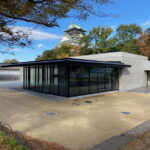
At the Mint Museum area, you won’t spend time going inside. Instead, you stop in the grounds and get the story of the site and why it matters in Japan’s modernisation.
For me, this is a good format. Museums can be great, but they can also eat time fast—especially if you’re trying to fit Osaka into a short visit. Here, you still get the key context so the area feels meaningful, even if you’re not doing a full ticketed entry.
The trade-off is simple: if you love museums and want indoor time, this stop is more of a “listen and look” experience than a museum visit. Still, the explanation helps you notice details you’d otherwise walk past.
Osaka Castle Park: Green Views, Photos, and a Clear Historical Frame
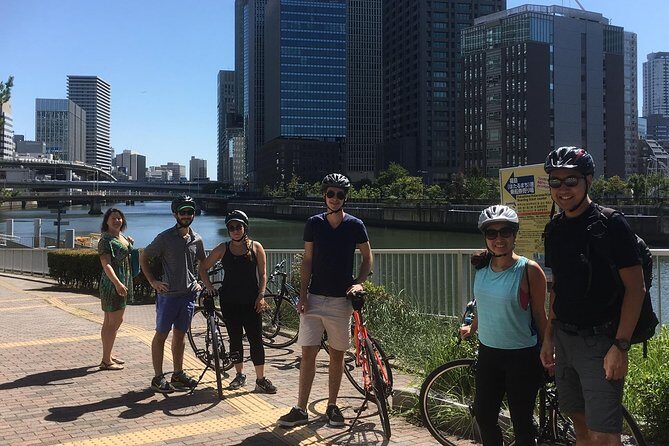
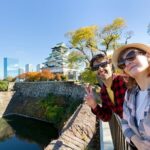
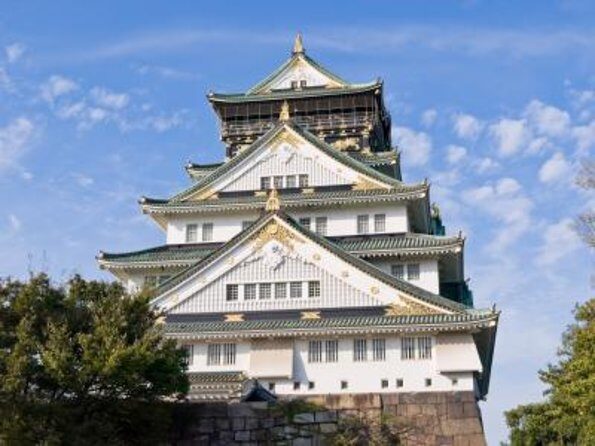
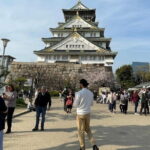
Osaka Castle is where the tour gives you the big postcard moment. You cycle through the greenery of the castle park, then stop for photos and a cool drink.
What makes this stop work on a bike tour is pacing. You’re close to the views without spending half the time searching for the right viewpoint. And the guide’s short explanation lands you on a clearer understanding of the castle’s role in Japan’s history and culture—enough to make your later sightseeing more interesting.
A practical consideration: castle grounds can be busy. You’ll have limited time for walking, photos, and quick looks, not a long free roam. If you want a deep, unhurried castle exploration, you can treat this as your guided orientation and then return later on your own.
A few more Osaka tours and experiences worth a look

Utsubo Park: The City Center Green Break You’ll Remember
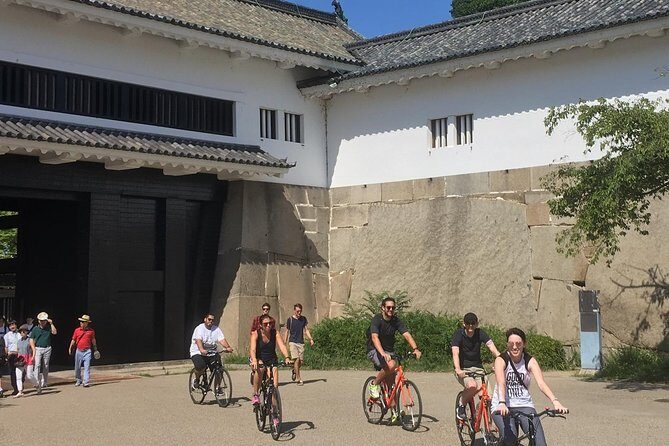
Next comes Utsubo Park, described as one of Osaka’s most beautiful city-center parks. This is the kind of stop that makes the tour feel more balanced. After heavier landmarks, you get a relaxing, photogenic green space that’s easy to enjoy without feeling rushed.
Utsubo works as a mental reset. Even a short visit lets you breathe a little, stretch your legs for a minute, and take photos that don’t look like standard tourist snapshots.
If you care about variety in your day—architecture, river calm, big landmark views—this park is where the tour ties it together.
Guide Style: What the Bilingual Commentary Does for Your Day
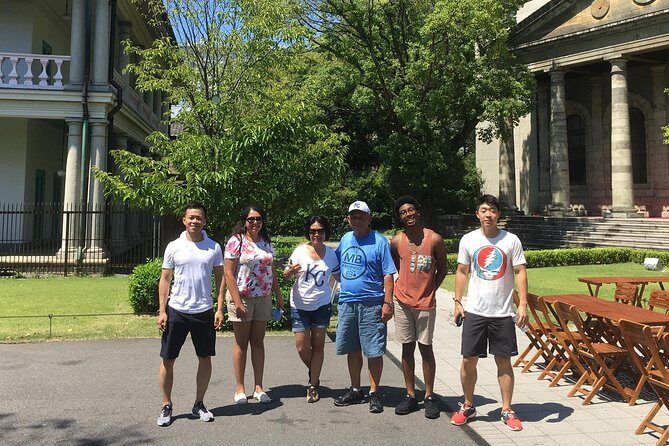
A good guide changes the whole day. Not with lectures, but with small, useful connections that make places click.
This tour is built around bilingual commentary, which matters when you’re trying to understand the “why” behind what you’re seeing. You’re not just getting directions to the next stop—you’re learning local context as you ride.
You may meet different guides on different days. Names like Peter, Matt, Sam, and Sean show up in the experience, and the consistent theme is clear: engaging delivery, city familiarity, and history told in a way that feels relevant instead of stuck in a textbook.
One detail I appreciate: the ride includes room for quick self-time. You’re not trapped in a constant chain of instructions. You can step out, take photos, and rejoin without feeling like you’re constantly behind.
Pace and Road Comfort: Easy Riding, But Stay Alert
Here’s the deal with effort: the route is 90% flat, and the biking component is designed to be approachable for people with moderate physical fitness. This isn’t meant to be a hardcore workout.
Also, there’s a small amount of road cycling and the rest leans toward cycle paths. That reduces stress, especially if you’re not used to riding in traffic.
That said, cycling still means attention. One important practical reminder: keep an eye out for people walking or moving around on wider paths. Local cyclists and pedestrians share spaces differently than you might expect, so bike gently and don’t assume you’ll always have a perfectly quiet lane.
Think of it like riding through a lively neighborhood: you’re comfortable, but you’re still a moving vehicle.
Price and Value: Is $72.67 Fair for This Ride?
At $72.67 per person, this tour isn’t the cheapest way to see Osaka. But you are paying for convenience, route planning, and guided storytelling, not just for bicycle time.
Here’s what’s baked into the value:
- Bike + helmet provided
- Bottled water
- A guide who handles the routing
- Stops at major and lesser-known sites
- Short, structured photo breaks
- Bilingual context while you ride
If you had to piece this together yourself, you’d spend time on rentals, navigation, and trying to understand what you’re looking at once you arrive. This tour buys back your time and reduces the mental load—especially on a day when you’d like to eat your way through Osaka after sightseeing.
So for me, the pricing makes sense if your priority is an easy overview with real context and a low-stress rhythm.
When to Go (and What to Wear for Osaka’s Heat)
Osaka can get hot and humid, and this tour is built for exactly that kind of day. The breeze from cycling helps, and the flat route means you’re not constantly pushing up hills.
Still, plan like you’ll be outside for hours. Wear breathable clothing, bring a hat if you like one, and expect to feel the humidity even on a smooth ride. The bottled water helps, but it doesn’t replace smart clothing and pacing.
Timing wise, the tour starts at 10:00 am, which is usually a good choice because you’re not battling late-day heat right away.
Small-Group Experience: Why Max 8 Matters
With a maximum of 8 travelers, the ride stays human-sized. You don’t get split into random clumps where half the group can’t hear. It also makes it easier for the guide to slow down, explain, and keep everyone safe.
This matters when you’re trying to get value from the commentary. A group that’s too large turns history into background noise. Here, the setup is better for hearing and asking quick questions.
Should You Book This Osaka Bike Tour?
Book it if you want:
- A fast, low-stress way to see multiple areas in a single morning or half-day
- A guide who connects what you see to local history and everyday life
- A ride that’s mostly flat and designed for comfort, not suffering
Skip it (or plan a different style day) if you:
- Want long museum time or extended wandering inside attractions
- Are expecting an all-weather plan no matter what the sky does
- Prefer doing everything entirely at your own speed with zero structure
My take: this is a strong choice for first-time Osaka visitors who want a practical overview, especially when you’re trying to balance sightseeing with eating and exploring on your own later. It feels like the kind of tour that helps you get oriented, then lets you enjoy the rest of your day.
FAQ
How long is the Osaka in a Nutshell bike tour?
The tour runs about 3 to 4 hours.
What’s included with the ticket?
You get a hybrid bike, helmet rental, and bottled water.
Is the route difficult?
You should have moderate physical fitness. The route is designed to be easy, with about 90% flat riding.
Where does the tour start and end?
It starts at 1-chōme-10-7 Tenma, Kita Ward, Osaka and ends back at the same meeting point.
What happens if the weather is bad?
The experience requires good weather. If it’s canceled due to poor weather, you’ll be offered a different date or a full refund.
How big is the group?
The tour has a maximum group size of 8 travelers.