REVIEW · TOKYO
Tokyo: Tsukiji Fish Market Walking Tour
Book on GetYourGuide →Operated by Travel Tokyo · Bookable on GetYourGuide
Most fish markets feel like a maze. This one turns that chaos into clear, human stories about seafood culture at Tsukiji Outer Market, led by an English guide for a small group.
I love the practical guidance—what to try, where to go, and how to read the stalls without getting overwhelmed. I also like the vendor storytelling side, with guests highlighting guides such as Yayoi and Nicholas for making the market feel personal, not just transactional.
One thing to watch: this tour is a food experience, and you’ll want cash ready for sampling at stalls that may not take cards.
In This Review
- Key Points You’ll Care About
- Tsukiji Outer Market in Two Hours: The Real Point of the Tour
- Where You Start: Starbucks Near Tsukiji Station
- Outer Market Walking Stops: What You Actually See
- How the Guide Makes the Market Make Sense
- Sampling With Cash: The One Rule to Not Ignore
- What You Might Try: Realistic Food Targets
- Pace, Group Size, and Accessibility That Matter
- Price and Value: Is $17 a Good Deal?
- Who This Tsukiji Fish Market Walk Suits Best
- Should You Book This Tsukiji Fish Market Walking Tour?
- FAQ
- Where does the tour meet?
- How long is the Tsukiji Fish Market Walking Tour?
- How much does it cost?
- Is the tour guided and what language is offered?
- Do I need to bring anything?
- Is the tour wheelchair accessible and how big is the group?
Key Points You’ll Care About
- Small group (max 10) keeps the walk manageable and the guide’s attention easy to get.
- Meet at Starbucks by Tsukiji Station (about a 2-minute walk) so you don’t waste time hunting.
- English live guide explains seafood culture and local habits as you go.
- Tsukiji Outer Market focus puts you in front of the stalls, specialty goods, and culinary tools.
- Cash-required sampling matters more than you’d think until you’re at the counter.
- Two hours is the sweet spot for multiple stops without spending your whole morning in lines.
Tsukiji Outer Market in Two Hours: The Real Point of the Tour
If you want Tsukiji, this is the version that feels doable. In 2 hours, you get a guided walk through the Outer Market area, where you’re surrounded by seafood stalls and related goods, and you’re not left to guess what anything means.
The value here is not only seeing the market. It’s learning how to interpret it—what you’re looking at, why people buy it, and how it connects to Japanese cooking habits. You’ll also hear stories of vendors and traditions, which is what turns a shopping circuit into something more memorable.
I like that the tour is structured around guided stopping points. You’re not wandering for hours hoping you stumble into the best bites. And you’re not paying for a lecture; you’re walking, tasting what you choose, and getting explanations that match what’s in front of you.
One balanced note: if you’re expecting a lot of wide-open space and dramatic seafood displays, you may find more of the action is in the stalls and street-level shopping. That’s not a failure of the tour—it’s how the market works, and the guide’s job is to point you toward what matters.
You can also read our reviews of more walking tours in Tokyo
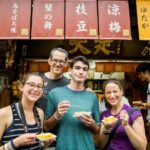

Where You Start: Starbucks Near Tsukiji Station
You meet at Starbucks near Tsukiji Station, close enough that you can plan to arrive a little early and still feel relaxed. The listed meeting point is about a 2-minute walk from the station, at coordinates 35.6679239, 139.7720981.
No hotel pickup or drop-off is included, so you’ll want to handle transit yourself. The upside is you control your timing. If you’re already based in central Tokyo, Tsukiji Station makes the start straightforward.
Practical tip: because the tour involves cash for sampling, I’d show up with your money already organized. You don’t want to be digging through a wallet while the line is moving.
This starting choice also tends to work well for first-timers. You’re starting at a place with clear signage and easy access, so you can focus on the market once you arrive.
Outer Market Walking Stops: What You Actually See
The main event is the guided walk through the Tsukiji Outer Market area. The guide’s job is to move you from stall to stall and explain what you’re looking at, from seafood and specialty goods to culinary tools tied to Japanese cooking.
The tour description promises history and context, plus insight into Japan’s seafood culture. From what people experienced on the ground, the explanations don’t stay abstract. You get pointed comments that help you decide what’s worth trying in the moment.
You can also expect variety in what you end up sampling. Guests have mentioned trying items like tuna sushi, fatty tuna, Kobe beef, wagyu skewers, oysters, eel, mochi, wasabi beans, and even fresh fruits. Not every group will hit every item, but the pattern is clear: the guide steers you toward memorable foods without making you guess.
Drawback to consider: the market can be crowded, and the walk is active. If you’re the type who likes slow, stand-and-stare sightseeing, you might feel the pace is brisk. That’s part of why the group is capped at 10.
How the Guide Makes the Market Make Sense
This is the section that quietly separates a good market walk from a chaotic one. A skilled guide doesn’t just point at stalls. They translate what the market is doing and why—local habits, typical ordering logic, and how restaurants tend to build dishes around key ingredients.
Several guests specifically praised guides for helping them try foods they wouldn’t have ordered on their own. One example that came up: people said their guide recommended unusual bites such as wasabi beans, or pushed them toward choices that felt adventurous but still logical once explained.
It also helps that the guide can recommend where to go for value. People talked about hitting spots that felt more affordable and worth it, not just where tourists naturally wander. That matters at a market, because prices can vary a lot by stall and by what you choose.
If you’re worried that you’ll feel lost in Japanese, don’t be. The guide is there to keep you moving and informed. And the tone seems to be friendly and energetic—one guest even linked a guide’s personality to Master Yoda, which hints at the vibe you might get: playful, but still focused on helping you eat smarter.
Sampling With Cash: The One Rule to Not Ignore
Here’s the practical part that can make or break your experience: cash is required for sampling at some stops. Multiple guests warned that not everything takes cards, and at least a few sampling points demand cash on the spot.
So yes, the tour price is affordable—but your actual experience depends on what you choose to buy. The tour includes the walking tour and guide, while sampling is tied to what you decide to try at the stalls. That means you should budget extra and bring enough cash to cover the bites and drinks you want.
My advice: bring cash in amounts you can spend quickly. When you’re surrounded by people making decisions fast, small payment friction can slow down your whole group.
Also, don’t assume your first stop will be the only chance. The guide typically groups experiences so you can sample multiple items in a short window. But if you’re short on cash early, you’ll feel it later when you see something great and can’t pay.
You can also read our reviews of more shopping tours in Tokyo
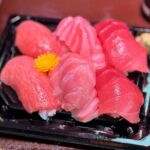


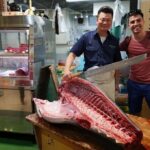
What You Might Try: Realistic Food Targets
One reason people rave about this kind of market walk is that it compresses a lot of Tokyo seafood flavors into a short route. Based on the experiences shared, here are examples of items that have shown up for guests during the tour:
- Tuna in different forms, including tuna sushi and fatty tuna
- Beef choices like Kobe beef and wagyu skewers
- Seafood bites like oysters and other shellfish-focused choices
- Dessert stops such as mochi
- Small snack-style items like wasabi beans
- Fresh fruit options when you want something lighter
You might also notice that the experience can include drink moments. People described sipping on beer options such as Sapporo during tastings. Whether that happens for your exact group depends on the guide’s plan and your choices, but the pattern is that eating is the main activity, not just browsing.
How to make this work for you: if you have food boundaries, tell your guide early. That helps them steer your stops so you’re still sampling something you’ll actually enjoy.
Pace, Group Size, and Accessibility That Matter
This tour keeps the group small—limited to 10 participants—which is a big deal in a working market. Smaller groups mean fewer people getting stretched out, less time spent waiting at each stall, and easier communication with your guide.
It also helps that the tour is listed as wheelchair accessible. That doesn’t automatically mean every inch of a market is smooth and easy, but it does mean the operator intends the experience to be manageable for mobility needs.
Time-wise, you’re in the market for about 2 hours. That length is long enough to see multiple stalls and try several foods, but short enough that you don’t feel locked into a full morning.
If you love markets but get tired fast from crowds and standing, this duration is a practical compromise. If you love food and also want context, it’s long enough to feel like you gained something besides a shopping bag.
Price and Value: Is $17 a Good Deal?
At $17 per person, the base cost is mainly for the guide-led walk. The tour includes a walking tour and an English live guide. It does not include hotel pickup and drop-off, and sampling at stalls likely adds to your spending since cash is needed for tastings.
So how do you judge value? Look at the opportunity cost. If you tried to do Tsukiji on your own, you’d spend time figuring out where to go and what to order, and you might miss the most rewarding stalls for your tastes. A guide can shorten the learning curve by steering you toward better choices and explaining what’s special about ingredients and customs.
Guests frequently mention tasting things they wouldn’t have ordered alone, and they also say the guide helps with local restaurants and specialty recommendations. That’s the real value: you’re buying translation, planning, and direction.
If you love food and want to learn without doing all the research, $17 plus your sampling budget can feel like a smart use of time. If you only want to look around and don’t plan to buy anything, you may find you’re paying mainly for the walk and explanations.
Who This Tsukiji Fish Market Walk Suits Best
This is a great fit if:
- you’re visiting Tokyo and want a first taste of Japanese seafood culture
- you like the idea of trying multiple foods in a short time
- you want help navigating stall choices so you don’t end up buying the wrong thing for your palate
- you enjoy market stories about vendors and traditions, not just photos
It may be less ideal if:
- you hate paying cash on the spot
- you want a long, slow photographic tour with minimal decisions
- you’re expecting a lot of dramatic, easy-to-see seafood display rather than small-stall tasting and shopping
Should You Book This Tsukiji Fish Market Walking Tour?
I’d book it if you want a guided, food-focused visit that helps you taste your way through Tsukiji without stress. The small group size, the English live guide, and the chance to sample foods you might otherwise miss make it feel like good value.
I’d skip or reconsider if you’re tight on cash beyond the tour price, because sampling is part of the point here. And if you want to spend hours just observing seafood, the 2-hour structure may feel short, even though it’s plenty for a taste-and-learn experience.
If you do book, show up ready: bring cash, wear comfortable shoes, and come with a loose sense of what you like (seafood, beef, adventurous bites). The guide can do the rest—turning Tsukiji from a confusing crowd into a clear path of choices.
FAQ
Where does the tour meet?
You meet at Starbucks located close to Tsukiji Station, about a 2-minute walk away, at coordinates 35.6679239, 139.7720981.
How long is the Tsukiji Fish Market Walking Tour?
The duration is 2 hours.
How much does it cost?
The price is $17 per person.
Is the tour guided and what language is offered?
Yes. It’s a live tour with an English-speaking guide.
Do I need to bring anything?
Yes. Bring cash, especially for sampling at the market stalls.
Is the tour wheelchair accessible and how big is the group?
The tour is wheelchair accessible. The group is small, limited to 10 participants.