REVIEW · KYOTO
Kyoto: Mindful Tea Ceremony in 100-Year-Old Teahouse
Book on GetYourGuide →Operated by Oboro · Bookable on GetYourGuide
Kyoto slows you down on purpose. In Oboro’s 100-year-old teahouse, candlelight turns matcha prep into a calm, sensory experience, and you’ll love how the space keeps distractions low. The second thing I like is the feel of easy mindfulness: you’re guided through the flow, but you’re not trapped under rigid rules.
One thing to keep in mind: this is a quiet, sock-and-silence experience, and you’ll need to arrive on time and follow the no-flash rules or you may lose your spot.
Key highlights
- Candlelit calm in a 100-year-old Kyoto teahouse that softens the whole experience
- Matcha making with gentle guidance, so newcomers feel welcome
- Welcome tea plus seasonal sweets that set the pace right away
- Minimal distractions that make tiny details feel big (water, aroma, whisking)
- A handmade candle to take home, so the mood doesn’t end when you leave
In This Review
- Oboro’s Teahouse After Dark: Candlelight, Garden, and Quiet Focus
- Welcome Tea and Sweets: The Easiest Way In
- Seeing Matcha Made: Purifying Utensils, Whisking, and the Bow
- Mindful Pacing and Relaxed Guidance: Tradition Without the Stress
- The Main Tearoom: Minimal Décor and Maximum Sensory Detail
- What You Take Home: A Handmade Candle and a Calmer Rhythm
- Price, Timing, and Small Group Value
- What to Bring (and the Rules That Protect the Mood)
- Who Should Book This (and Who Might Want a Different Plan)
- Booking Advice: Should You Choose Oboro’s Mindful Tea Ceremony?
- FAQ
- FAQ
- Where is the meeting point?
- How long does the tea ceremony last?
- Is the instruction offered in English?
- How many people are in the group?
- What should I wear or bring?
- Can I take photos during the ceremony?
- What if I need to cancel?
- Is there a seasonal difference in the tea?
Oboro’s Teahouse After Dark: Candlelight, Garden, and Quiet Focus

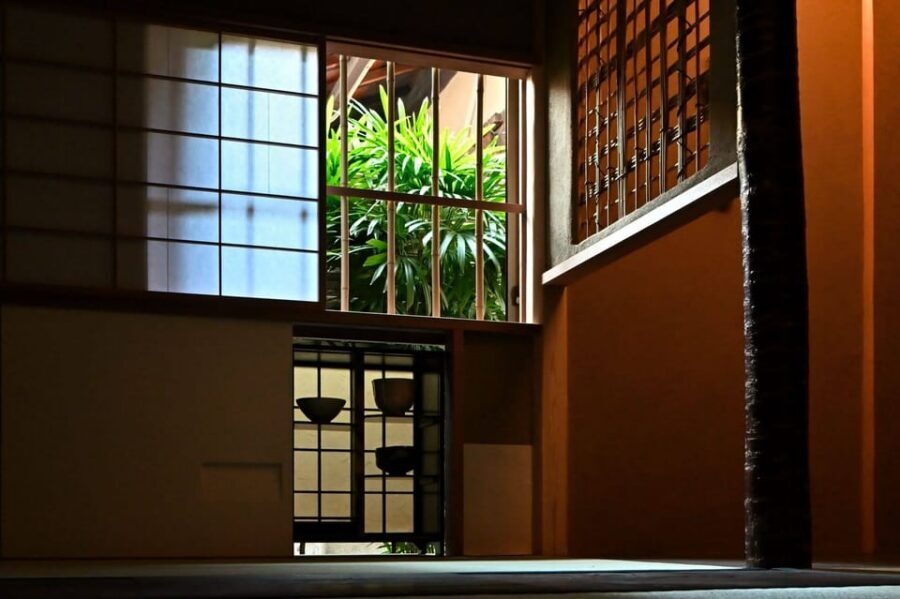
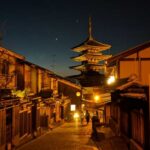
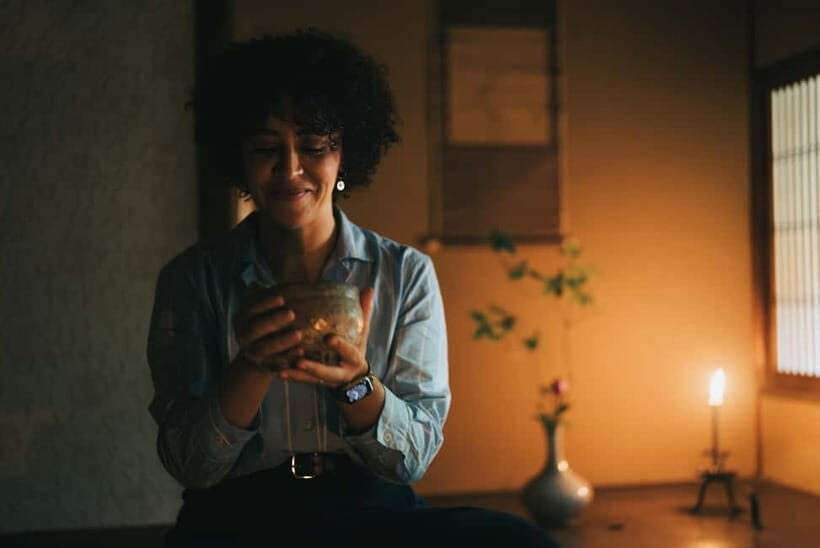
The setting is half the point here. You step into a softly lit room where candlelight replaces harsh overhead lighting, and the whole atmosphere feels like it’s designed to lower your volume—mentally and physically.
Many experiences in Kyoto try to show you everything at once. This one does the opposite. The teahouse interior is intentionally modest, and the quiet helps you notice small things: the sound of water simmering, the faint aroma of fresh matcha, the warmth you feel when your bowl comes into your hands. Some sessions also include a shift through different spaces inside the teahouse, adding a sense of moving through phases rather than just sitting in one spot.
If you’ve been bouncing around temples, crowds, and shopping streets, this is the break your nervous system asks for.
Welcome Tea and Sweets: The Easiest Way In
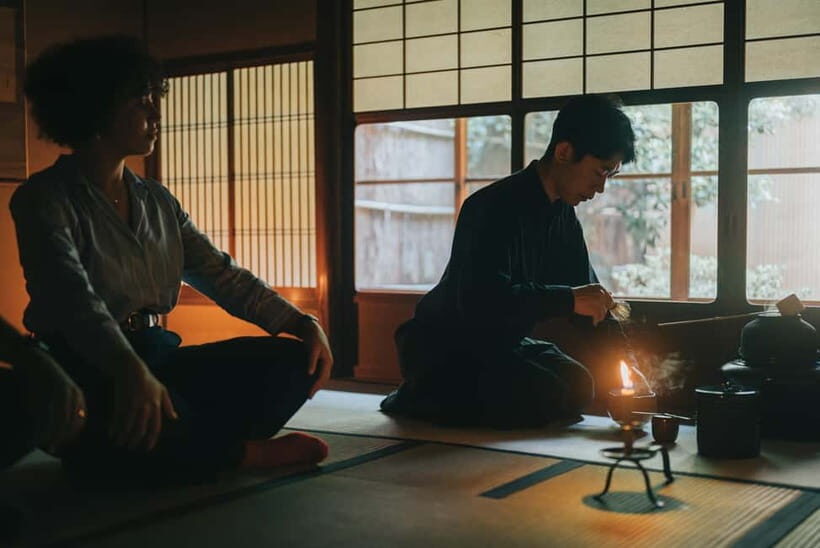
Before you move to the main tearoom, you start with a warm, friendly landing. After you arrive, the host greets you and explains the basic flow, then you settle in comfortable seating.
You’ll also get a welcome tea with seasonal sweets. This matters more than it sounds. That first sip gives your brain a handle on the pace of the session—slow, steady, and sensory—so you’re not trying to learn etiquette and taste details at the exact same time.
The sweets are meant to pair with the tea, and that pairing helps you focus on balance rather than rushing to the next step. It’s a smart approach for first-timers: you start by tasting, not performing.
You can also read our reviews of more tours and experiences in Kyoto.



Seeing Matcha Made: Purifying Utensils, Whisking, and the Bow
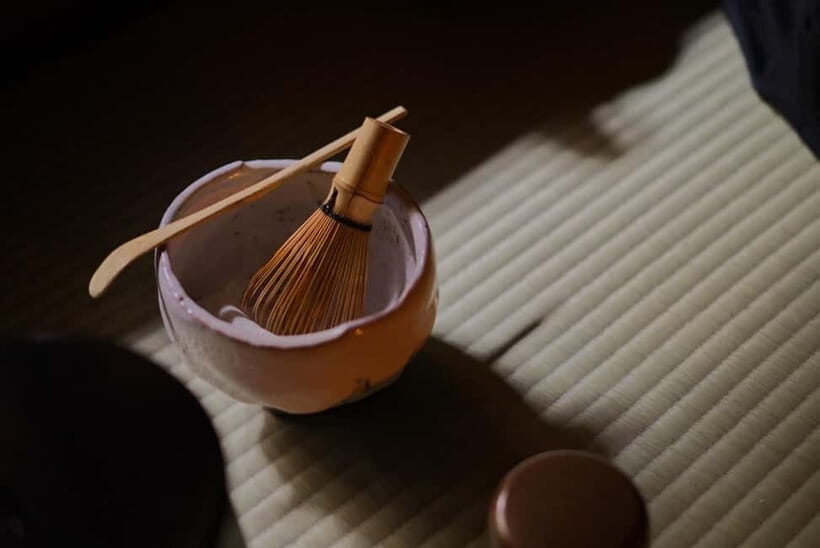
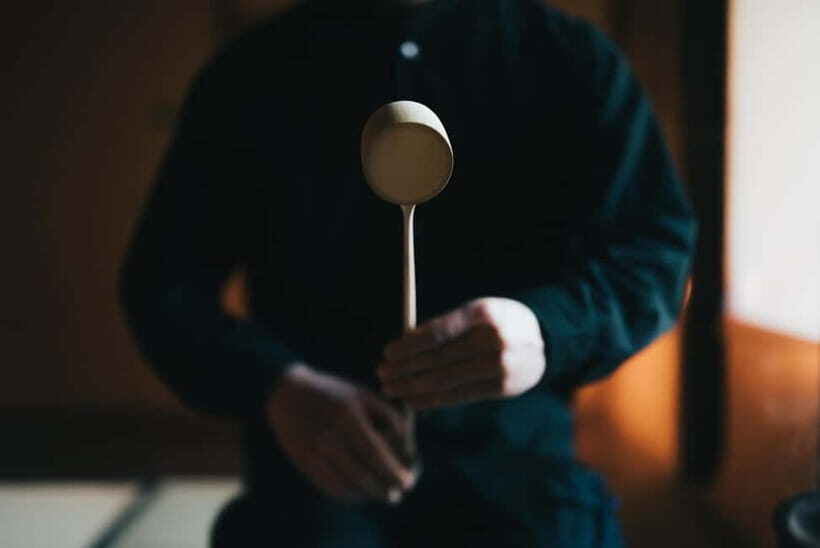
Once you’re settled, you watch the matcha preparation up close. The host will guide you through each stage, including purifying utensils, whisking the matcha, and presenting the bowl with a graceful bow.
Even if you don’t care about doing it later at home, watching the process changes how you drink it. You start noticing texture, fragrance, and the small shifts that happen as the matcha is prepared. In a lot of tea experiences, matcha becomes a drink. Here, it becomes a sequence of attention.
And the sensory cues are specific. You’ll likely hear the quiet sounds of the room, notice the faint aroma as the matcha is handled, and feel how warm the bowl becomes. Those are the details that make people describe the experience as soothing and calm rather than educational in a classroom way.
Mindful Pacing and Relaxed Guidance: Tradition Without the Stress
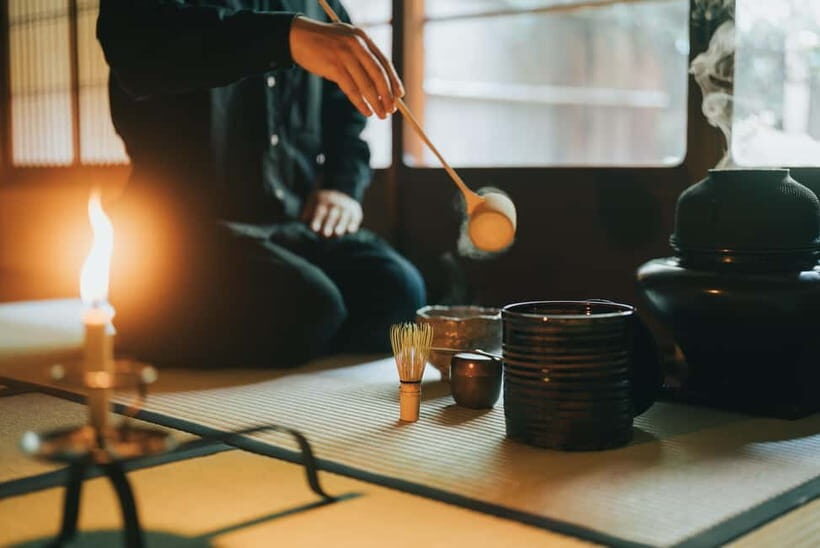
A strong part of Oboro’s approach is how they blend ceremonial roots with gentle instruction. There is guidance, yes—but the vibe isn’t stiff. You can observe quietly, and you can also ask questions.
That combination is perfect for real life. Kyoto is full of tradition, but tradition often comes with pressure: know the rules, act the way locals expect, don’t make mistakes. This experience lowers that risk. You’re encouraged to ease into the rhythm, so you can focus on presence instead of performance.
The pacing matters, too. You’re not rushed through steps like a ticketed show. The session is designed to slow you down in a way you can actually feel in your breathing and attention—especially if you’ve been moving quickly all day.
A practical note: it’s a quiet environment, and silence is part of the experience. That can be relaxing, but it also means this isn’t the place for casual chatter.
The Main Tearoom: Minimal Décor and Maximum Sensory Detail
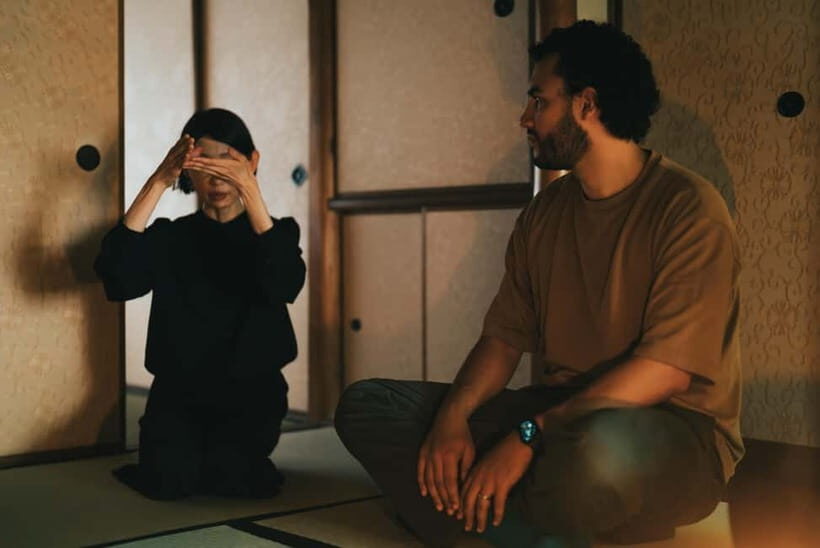
The main tearoom is where the experience tightens. The space is designed to minimize distractions, so you can focus on the details that are easy to miss elsewhere in Kyoto.
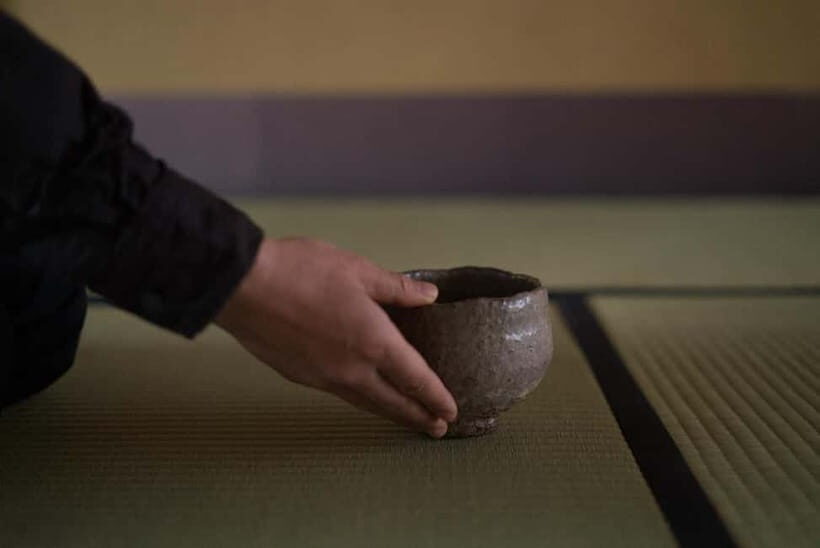
You’re served matcha, then you lift the bowl gently and savor it. That sounds simple, but the sequence trains your senses to slow down. You taste more clearly when you’re not scanning for the next photo angle.
If you’re someone who usually rushes meals, this is a useful reset. The ceremony’s quiet structure helps you pay attention to something ordinary—tea—until it feels new again.
What You Take Home: A Handmade Candle and a Calmer Rhythm
The session ends with a small handmade candle to bring the calm atmosphere home. It’s not a gimmick. It’s a physical reminder that the feeling you practiced during the ceremony is something you can repeat in your own space.
And that’s the real value: you don’t just learn about matcha. You borrow the method—pause, breathe, notice simple beauty—then leave with a way to bring that mindset back.
Several hosts and experiences emphasize the idea that tea ceremony can help you reconnect with everyday calm. The candle makes that idea tangible.




Price, Timing, and Small Group Value
At $45 per person for 45 minutes, you’re paying for a short, focused ritual with instruction, equipment, and a quiet environment. It’s not a half-day cultural tour. It’s a concentrated experience, which is exactly what makes it good value if your time in Kyoto is tight.
Here’s how the cost makes sense:
- You get expert instruction in English, plus all the equipment.
- You get seasonal sweets and matcha as part of the session.
- You’re limited to a small group (up to 8 participants), which helps keep the room calm and gives you room to ask questions.
The small group piece matters more than you’d think. In a larger class, people can talk, step around, or distract the room. Here, the limit helps protect the atmosphere.
What to Bring (and the Rules That Protect the Mood)
This experience is small, quiet, and respectful of tradition, so the basics are important.
Wear and bring:
- Comfortable clothes
- Socks (you’ll need them since shoes must be removed)
Photography and conduct:
- No flash photography
- No smoking
Arrive on time:
- Arrive 10 minutes early to get settled
- If you arrive more than 10 minutes late, you won’t be allowed to enter
None of this is meant to be fussy. It’s how they keep the room peaceful and how you avoid awkward interruptions when others are trying to slow down.
One more seasonal detail: in summer, the ceremony uses chilled water and ice. If you’re the type who likes cold drinks, that can actually be a pleasant twist. It also means the sensory feel of the tea experience may shift with the season.
Who Should Book This (and Who Might Want a Different Plan)
This is a great choice if you want a slower Kyoto moment that’s not tied to crowded sightseeing schedules. It also fits well if you:
- like hands-on cultural activities, but don’t want heavy rules
- want mindful time after busy days
- enjoy sensory experiences (aroma, texture, sound)
You should probably skip or choose a different activity if you fall into the stated limitations:
- children under 6 years aren’t suitable
- people with back problems may not be a good fit
- wheelchair users aren’t suitable
If any of those apply, it’s worth choosing an experience with different seating and accessibility.
Also, if you’re hoping for a lively, chat-forward tour, keep your expectations aligned. This is quiet by design.
Booking Advice: Should You Choose Oboro’s Mindful Tea Ceremony?
If you want a Kyoto activity that feels like a deep breath, I think Oboro: Mindful Tea Ceremony in a 100-Year-Old Teahouse is an easy yes. The value is strong for what you get: English instruction, utensils and tea equipment, paired sweets, and a small take-home candle—delivered in a small-group setting that protects the calm.
Book it if you’re:
- planning a “culture but not stressful” day
- craving mindful time after temples and crowds
- curious about matcha beyond just ordering it
Skip it if:
- you need a very mobile, comfortable setup due to back issues
- you want a fully wheelchair-accessible experience
- you arrive late often, or you’re uncomfortable with silence and removing shoes
FAQ
FAQ
Where is the meeting point?
If you’re having trouble finding it, search for Oboro: Mindful Tea Ceremony on Google Maps.
How long does the tea ceremony last?
The experience lasts about 45 minutes.
Is the instruction offered in English?
Yes, the instructor provides the ceremony instruction in English.
How many people are in the group?
It’s a small group limited to 8 participants.
What should I wear or bring?
Wear comfortable clothes and bring socks. Shoes must be removed.
Can I take photos during the ceremony?
Photography is allowed without flash. Flash photography is not allowed.
What if I need to cancel?
You can cancel up to 24 hours in advance for a full refund.
Is there a seasonal difference in the tea?
In summer, the ceremony uses chilled water and ice.