REVIEW · TOKYO
Tokyo: Shinjuku Food Tour – 15 Dishes, 3 Drinks, 4 Eateries
Book on GetYourGuide →Operated by Travel Tokyo · Bookable on GetYourGuide
Tokyo’s alleyways can be confusing, and delicious. This Shinjuku food tour is built for people who want the real deal—four local eateries, 15+ dishes, and a local English-speaking guide helping you read the neighborhood like a pro. You’ll bounce between lantern-lit streets and neon bar zones, with food culture explained as you go.
What I like most is the variety: you’re not stuck with one theme, you get a proper meal’s worth of different styles (think sashimi, tonkatsu, gyoza, and more). Second, I like the way the guide handles the “small stuff” that matters in Japan—ordering help, timing, and where to sit—so the night stays fun instead of stressful.
One heads-up: you should bring cash, and expect some places to have stairs (at least one stop has been described that way). Also, the drink count can be a little inconsistent—one guest noted they received 2 drinks instead of the 3 listed—so don’t build your night around a perfect alcohol tally.
In This Review
- Key things to know before you eat your way through Shinjuku
- Shinjuku’s food scene is easier when someone local points you in the right direction
- The 3-hour rhythm: 4 local eateries, 15 dishes, and a walk that stays manageable
- Golden Gai stop: tiny bars, big atmosphere, and first taste momentum
- Omoide Yokocho stop: comfort food street energy you can actually taste
- Kabukicho stop: where the tour shows you Shinjuku beyond the obvious sights
- That fourth eatery: expect a specialty stop chosen for variety
- What you’ll eat: from sashimi and tonkatsu to gyoza and more
- Drinks with dinner: sake and beer options, and why counts can vary
- Meeting at the AOKI sign by Starbucks: the easiest way to find the start
- Practical tips that make the night smoother (and more fun)
- Price check: is $72 good value for Tokyo food?
- Who this Shinjuku tour suits best (and who might prefer something else)
- Should you book this Shinjuku Food Tour?
- FAQ
- Where is the meeting point?
- How long is the tour?
- What’s included in the price?
- What language is the guide?
- Do I need to bring cash?
- Is there free cancellation?
Key things to know before you eat your way through Shinjuku
- 15 dishes in 3 hours means full-meal satisfaction, not tiny bites and polite sampling.
- Golden Gai and Omoide Yokocho are part of the route, so you get both food and the look/feel of Shinjuku nightlife.
- English-speaking guide support helps with ordering, pacing, and seating so you’re not standing around wondering what’s next.
- Drink options vary by stop, with both alcoholic and non-alcoholic choices.
- Some venues have steps, so wear comfortable shoes and plan for a bit of stair climbing.
- Allergy help is possible, based on reports from guests who needed accommodations.
Shinjuku’s food scene is easier when someone local points you in the right direction
Shinjuku is one of those Tokyo areas where the streets can feel like a maze—especially at night. You can wander on your own, sure, but menus are in Japanese, places may have limited seating, and you won’t always know which alley is worth your time.
That’s why this tour works so well: you’re moving with a guide through Shinjuku’s food corners while learning what you’re actually eating and why it fits the neighborhood. Guides have been praised for keeping things on track and for making sure the group can sit down without a long wait, which makes a big difference when you’re hungry.
Also, this is not “fine dining.” It’s everyday Tokyo eating: izakayas, small specialty spots, and the kind of places locals actually choose when they want something comforting and bold.
You can also read our reviews of more food & drink experiences in Tokyo
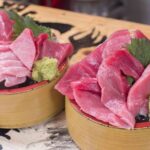
The 3-hour rhythm: 4 local eateries, 15 dishes, and a walk that stays manageable
This is a 3-hour night out that’s structured for flow: dinner at each stop, then moving on before the crowd crush hits. The route covers multiple areas of Shinjuku, including major nightlife zones and smaller side streets that most people miss.
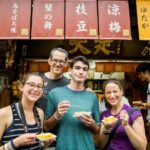
Because you’re eating at four hand-selected places, you’re not stuck with one restaurant’s style all night. The “enough for a full meal” promise is also real in practice: multiple guests said they left comfortably full—sometimes so full it was almost a problem—because the portions are meant to feed you, not just tease your appetite.
If you’re worried about the pace, you can relax a bit. Guests have described the walking as manageable, and at least one guest shared that the guide adjusted speed so everyone could keep up. Still, it’s a city-night walk, so comfy shoes win.
Golden Gai stop: tiny bars, big atmosphere, and first taste momentum
Golden Gai is one of Shinjuku’s most distinctive “bar worlds,” packed with narrow lanes and small venues. In this tour, you start the dinner portion here, so the night gets going fast with atmosphere plus food right away.
What makes this stop valuable is the combination: you’re eating in a place that instantly tells you what Shinjuku night culture feels like. The guide’s job isn’t just to point at food—it’s to explain what you’re tasting and how it fits Japanese drinking and dining habits, which helps the meal land better than random ordering.
One practical note: Golden Gai-style areas can be tight, so you’ll appreciate that the guide helps with where to sit. Several guests specifically mentioned that their guide found seating quickly and kept the group moving smoothly.
Omoide Yokocho stop: comfort food street energy you can actually taste
Omoide Yokocho is famous for grilled-food street vibes, and it’s the kind of place where the smell alone pulls you in. On this tour, you hit it after Golden Gai for another dinner stop, which keeps the evening balanced—atmosphere, then food, then another shift in scene.
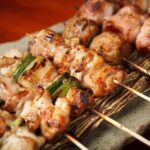
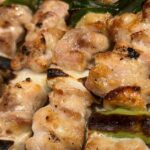
This is a strong middle stop because the food style here tends to feel familiar even if you’re new to Japanese menus. If you’re trying dishes like grilled items, crispy coatings, or dumpling-style bites, this is the part of the night where flavors start stacking up in a satisfying way.
I also like how this stop fits the tour’s larger goal: you’re not only collecting dishes. You’re learning how Shinjuku’s food culture changes block to block, so the meal tells a story of the neighborhood rather than just your own snack list.
Kabukicho stop: where the tour shows you Shinjuku beyond the obvious sights
Kabukicho is the part of Shinjuku many first-timers picture first: busy streets, nightlife energy, and neon everywhere. This tour brings you here for the final dinner segment, so you end with a sense of place and a last round of food before heading back.
A good tour ending matters because you want the night’s final dishes to feel exciting, not rushed. Guests have praised guides for keeping the tour on time and for explaining the food and neighborhood context as you go—so Kabukicho doesn’t feel like a random “walk through.”
One more detail: a few guests mentioned that the history and background of the areas helped them understand why certain restaurants and food styles show up in these pockets of Shinjuku. Even if you’re not a history person, that context makes the food more enjoyable because it explains what you’re seeing and tasting.
A few more Tokyo tours and experiences worth a look

That fourth eatery: expect a specialty stop chosen for variety
You’ll visit four local eateries total, even though three landmark areas are named in the tour flow. That fourth stop can change depending on the day’s choices, but the consistent promise is variety—so the tour doesn’t repeat the same style four times.
In practice, that’s where you might get something a bit different from the “usual Japan dinner” formula. One guest specifically mentioned trying Okinawan food at the last stop, which is exactly the kind of twist that makes a food tour feel worth it.
So if you’re the type who wants more than just mainstream hits, that extra stop is often the reason people say they’d go back to several places after the tour ends.
What you’ll eat: from sashimi and tonkatsu to gyoza and more
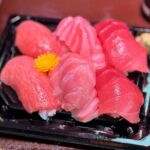
The tour is built around tasting a lot in a short window, and the selection is designed to cover different Japanese textures and flavors. The examples given include sashimi (melt-in-your-mouth style), tonkatsu (golden-crisp comfort food), and pan-fried gyoza.
That’s a great mix if you’re new to Japanese food because it hits different categories:
- raw vs. cooked textures
- crunchy vs. tender bites
- meat-heavy comfort vs. lighter seafood flavors
You’ll also get “much more” across the 15 dishes, and based on guest notes, you can end up with surprises like regional styles. The key point is not memorizing a list. The point is that you’ll try multiple dishes that you’d likely struggle to order confidently on your own.
And because it’s 15 dishes, the tour’s really doing what you want from a food crawl: you’ll get enough food to feel like you actually had dinner, not just sampled your way to being hungry again later.
Drinks with dinner: sake and beer options, and why counts can vary
The tour includes 3 drinks with alcoholic and non-alcoholic options, pairing with the meals. In a food tour, this matters because Japanese dining often uses drinks to shift flavor perception—so you’re not just drinking, you’re pairing.
That said, I’d plan with flexibility. One guest noted they received 2 drinks instead of the 3 mentioned. I can’t explain why that happened from the info alone, but it’s enough of a pattern to treat it as a possibility and not a guarantee.
If you’re aiming for a non-alcoholic night, you’re covered by the tour’s option mix. If you’re alcohol-focused, just remember the tour is short—3 hours—so pace yourself and enjoy the pairings instead of trying to “finish the bar.”
Meeting at the AOKI sign by Starbucks: the easiest way to find the start
Your meeting point is straightforward once you know it: in Nishi-Shinjuku (west exit), meet in front of the blue AOKI sign right beside the Starbucks. That’s the kind of detail that saves time when you arrive tired and jet-lagged.
If you’re navigating by transit, I’d give yourself a little extra buffer to find the west exit and confirm you’re in the correct spot before the group gathers. Shinjuku has plenty of exits, and this tour’s success starts with arriving calmly.
Practical tips that make the night smoother (and more fun)
A few details can make your evening go from fine to great:
- Bring cash. The tour specifically says you should bring it. Small places and quick orders are easier when you’re ready.
- Wear comfortable shoes. Even when the walking is described as manageable, you’ll still be moving through dense areas at night.
- Expect stairs at some stops. One guest mentioned a restaurant that required stepping up with no lift, so plan for that physically.
- Allergies can be handled. At least one guest reported accommodations for food allergies, which is reassuring if you need adjustments.
- Come hungry. Multiple guests said the food felt like full meals, sometimes more than they expected. If you show up after a big late lunch, you’ll likely struggle near the end.
One more nice touch: guides have been described as funny, warm, and good at group pacing. That matters in Japan because the best nights feel like you’re with someone who understands the city rhythm, not like you’re stuck on a schedule.
Price check: is $72 good value for Tokyo food?
At $72 per person for 3 hours, you’re paying for three things: access (four local eateries), guidance (English-speaking), and quantity (15 dishes plus drinks). That’s not cheap, but it is often fair for Tokyo because small restaurants can mean a lot of coordination work and language friction.
The value is strongest if you compare it to trying to replicate the meal alone:
- You’d likely spend a similar amount on multiple dinners and drinks.
- You’d also spend time guessing which places will fit you and whether seating will work.
- With a guide, you’re paying to remove the uncertainty.
Where the price feels especially reasonable is the meal outcome. The tour is explicitly set up so the 15 dishes are enough for a full meal, and guests repeatedly echoed that it felt like an actual dinner, not just a snack parade. If you want food, not planning, this is the kind of deal that feels practical.
Who this Shinjuku tour suits best (and who might prefer something else)
This tour is a great match if:
- you want to eat a lot and not worry about ordering
- you like Shinjuku’s night streets and want to see multiple areas in one go
- you’re traveling solo or in a small group and want an easy social structure
- you want English explanation of Japanese food culture while you eat
It’s less ideal if:
- you prefer quiet, seat-at-a-table dining for the whole night
- you hate crowds and noise (parts of Kabukicho are busy by nature)
- you’re extremely sensitive to stairs or mobility limits, since some stops have steps
Should you book this Shinjuku Food Tour?
I’d book it if you want a focused 3-hour plan that takes you to meaningful parts of Shinjuku—Golden Gai, Omoide Yokocho, and Kabukicho—and feeds you properly with 15+ dishes and drink pairings. The guide support seems to be a big part of the payoff, with multiple people praising clear pacing, seating help, and friendly banter.
If you hate walking at night or you need fully step-free access, you’ll want to think twice. But for most visitors who can handle a lively neighborhood and a bit of stair climbing, this is one of the more straightforward ways to get a real Shinjuku dinner without guessing.
FAQ
Where is the meeting point?
You’ll meet in front of the blue AOKI sign that is right by the Starbucks in Nishi-Shinjuku (west exit).
How long is the tour?
The tour lasts about 3 hours.
What’s included in the price?
The tour includes an English-speaking guide, a city tour, 15 dishes (enough for a full meal), and 3 drinks, plus visits to 4 local eateries.
What language is the guide?
The guide speaks English.
Do I need to bring cash?
Yes. The tour information says to bring cash.
Is there free cancellation?
Yes. You can cancel up to 24 hours in advance for a full refund.