REVIEW · TOKYO
Morning Sumo Practice Viewing in Tokyo
Book on Viator →Operated by Arumachi · Bookable on Viator
Sumo before the city wakes up. This morning session is a rare way to get inside a sumo stable area—something you can’t really replicate on your own—and watch practice up close while learning how to actually follow what’s going on. I also love the way the guide sets you up with clear watching rules before you sit down for the training. And yes, you may even get photo time with the wrestlers.
One thing to plan for: you’ll sit on the floor with cushions and there are no chairs, plus the schedule is tied to good weather since the tour runs in a stable courtyard setup.
Key points to know before you go
- Up to 10 people keeps the mood calm and personal, not crowded.
- Naruto-beya Sumo Stable access is the big draw, and it’s hard to arrange solo.
- Early start at 7:30 am means you’ll catch training while the day is still quiet.
- Floor seating with cushions is part of the experience, even if it can feel like a gym lesson for your knees.
- Donations are included, so your ticket directly supports the stable.
- Chanko nabe lunch helps you end strong after practice.
In This Review
- The 7:30 am run from Tokyo Skytree Station to sumo training
- Stop 1: Tokyo Skytree briefing and the basics you’ll want in your pocket
- Stop 2: Naruto-beya stable practice—up close, floor-level, and real
- What sitting on the floor really feels like
- Expect no toilets on your plan A
- Donations included (and why that matters)
- Photo chances with wrestlers
- The Shinto roots and the rules that make sumo click
- Chanko nabe lunch: the fuel you’ll be happy you planned for
- Price and value: what $99.08 buys you in Tokyo
- Logistics and comfort: the details that affect your enjoyment
- Who should book this morning sumo practice—and who should pause first
- Should you book? My honest take
- FAQ
- What time does the tour start?
- Where do I meet, and where does the tour end?
- How big is the group?
- Will I have a chair to sit on?
- Is lunch included?
- What happens if the weather is bad, or I need to cancel?
The 7:30 am run from Tokyo Skytree Station to sumo training
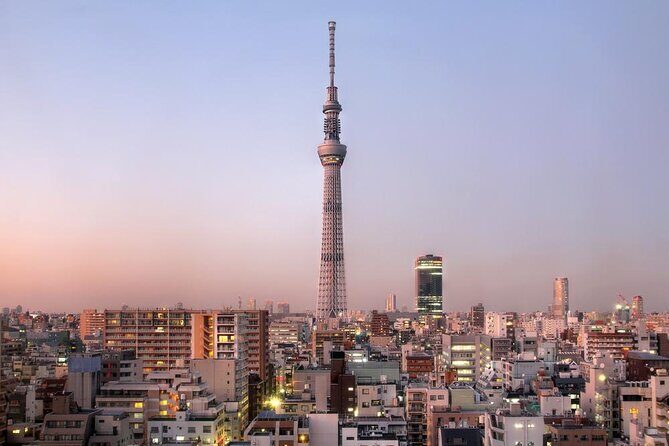
This tour starts early—7:30 am—because the point is morning practice. If you’re the type who likes Tokyo before it gets loud, you’ll feel at home here. You meet at Tokyo Skytree Station (1-chōme-1-4 Oshiage, Sumida City). From there, the group heads toward the stable area to watch training firsthand.
A practical note: there’s no hotel pickup or drop-off. That’s normal for experiences like this, but it means you’ll want to plan your own ride to Skytree Station and be ready to finish at the stable end point (more on that soon). Also, the tour is designed for small groups (maximum 10), so timing matters—show up a little early so you’re not rushing when the briefing begins.
Guiding is in English, led by a local certified expert. Depending on your group, your guide could be someone like Joji, Dawn, Jeff, or Aki. The common thread across guides is that they don’t just translate. They help you understand what you’re looking at and how to behave while you watch.
Stop 1: Tokyo Skytree briefing and the basics you’ll want in your pocket
The first stop is Tokyo Skytree. The tour includes a short briefing time (about 30 minutes) and the Skytree portion lists an admission ticket as free. Even if you’re not a skyscraper person, Skytree is a useful starting point because it anchors you in the area and gets your brain switched on for sumo etiquette and rules before you sit down for the real action.
This is where you’ll get a practical setup:
- what to expect from morning training
- simple rules for watching while you’re in the stable setting
- enough context so practice bouts and warm-ups don’t look like a blur of yelling and stomping
I like this approach. Sumo can be oddly hard to “follow” at first if you don’t know what you’re seeing. A good guide turns the noise into structure. Even better, some guides also provide handouts or written info, and that helps you connect names, moves, and what’s happening during practice without feeling totally lost.
One small trade-off: if you were hoping to spend time actually sightseeing at Skytree, you probably won’t. This stop is built for orientation, not a long photo-and-walk. You’ll likely see the giant structure, get briefed, then move on.
A few more Tokyo tours and experiences worth a look
Stop 2: Naruto-beya stable practice—up close, floor-level, and real
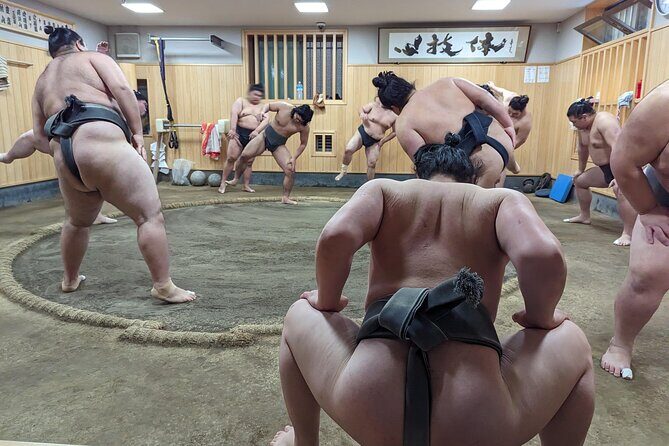
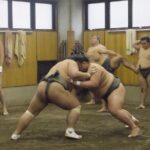
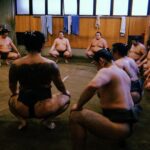
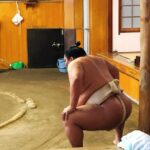
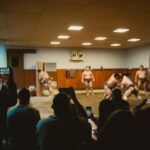
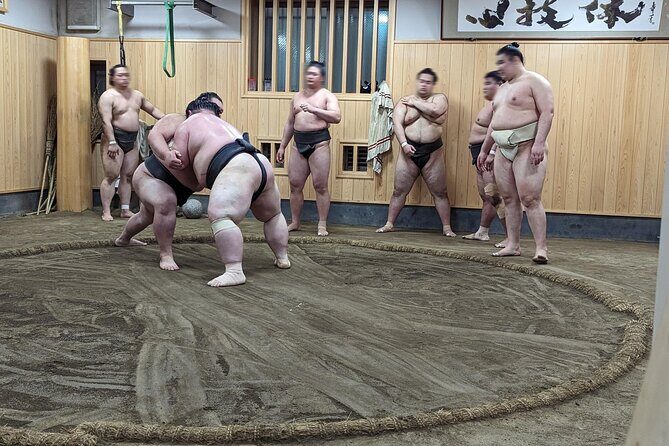
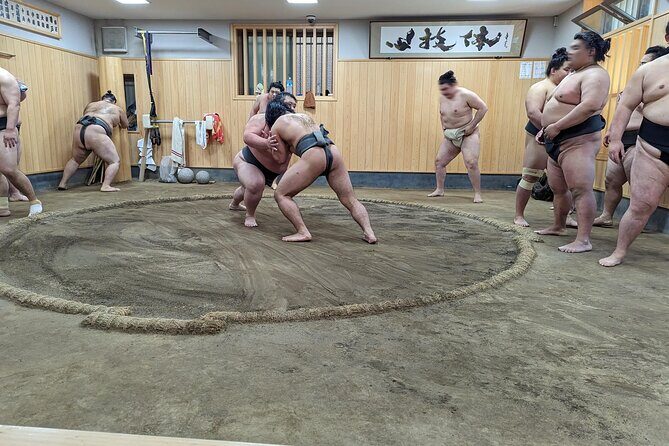
After the briefing, the tour heads to Naruto-beya Sumo Stable in Mukōjima. This is the heart of the experience. You’ll watch practice for about 2 hours, sitting inside the stable area.
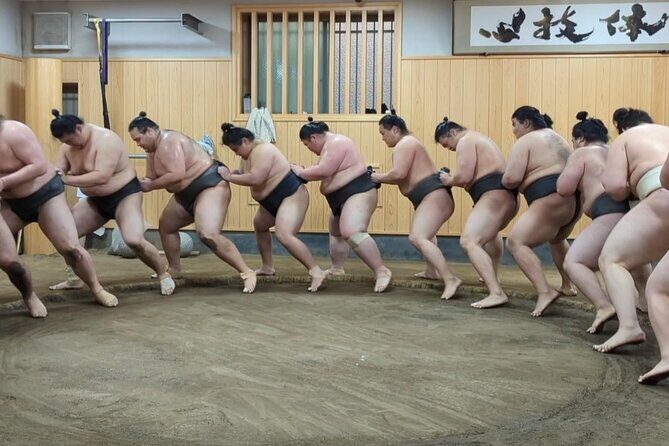
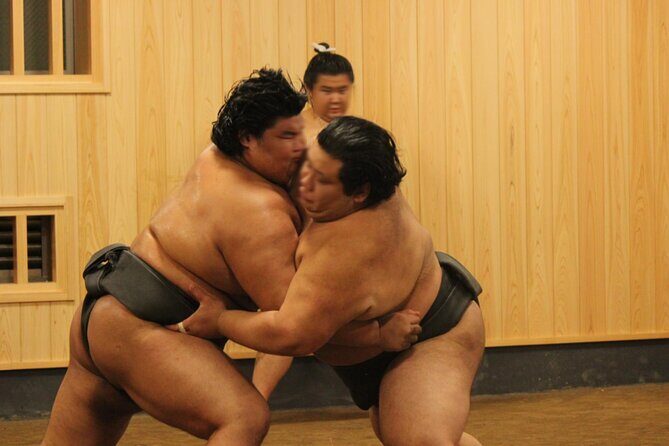
This is where the tour earns its near-perfect reputation. The access is the point—being close enough to notice the rhythm of training, the intensity of practice bouts, and the way the stable runs day-to-day. Sumo isn’t just the match. It’s preparation, routine, and a lot of discipline you can actually see from near the action.
What sitting on the floor really feels like
You’ll be required to sit on a cushion on a flat floor. There are no chairs. That sounds straightforward, but it’s the kind of detail that can make or break your enjoyment if you have knee or back issues. The experience can be comfortable for many people, but treat it like you’re committing to sitting for close to two hours.
My tip: wear supportive shoes on the way in, but expect that you’ll be more “sit-and-observe” than “wander.” Also, dress for comfort and layers. Morning can feel cooler than you expect in Tokyo, and stable seating doesn’t come with the kind of climate control you’re used to.
Expect no toilets on your plan A
One review mentioned there are no toilets. That’s a big deal for a long floor-sit, so take it seriously. Go before you meet at Skytree, and don’t assume you’ll have a bathroom option during the stable session.
Donations included (and why that matters)
Your ticket includes donations to the stable. I like that this isn’t just a sightseeing fee. You’re contributing to the stable that’s opening its training space to visitors. It’s one of those quiet value add-ons that turns your ticket from “pay to watch” into “pay to support.”






Photo chances with wrestlers
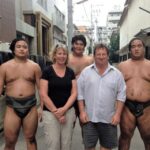
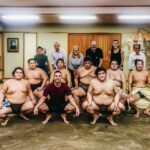
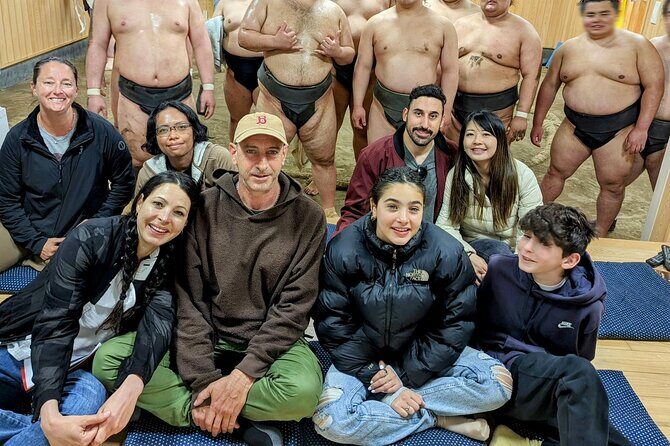
Your package says you’ll likely have a photo session with the wrestlers. In practice, that often happens at the right moment, and it can be a highlight—especially if you’re traveling with kids or anyone who wants something tangible besides videos on a phone.
The Shinto roots and the rules that make sumo click
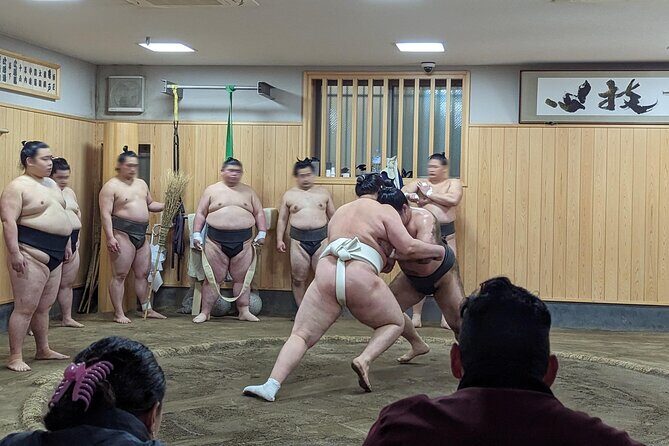
Sumo isn’t presented here as a random sport to watch from a distance. The tour explicitly frames sumo’s Shinto roots, and you’ll also get rules so you can tell what’s happening during practice.
Even if you’ve seen sumo on TV, this is different. Practice has its own flow. It’s closer to training than performance, so you’ll notice form, repetition, and how wrestlers work through situations. When you understand the basic rules the guide highlights, you’ll spend less time wondering what you’re supposed to be watching and more time enjoying the real skill.
This is also where guides like Dawn and Aki tend to do their best work. Some groups received written materials and even profiles of wrestlers in training, which helps you track names and connect faces with what you see during bouts.
Chanko nabe lunch: the fuel you’ll be happy you planned for
After practice, you’ll refuel with chanko nabe, the traditional wrestlers’ food. This is more than a random meal stop. The tour is trying to give you a full morning arc: learn sumo, watch training, then eat like the training culture.
Chanko nabe is hearty and built for warming up after sitting and watching. If you’ve been up early, the timing makes a lot of sense. You’ll also avoid the common travel problem of ending an experience hungry and then spending time hunting food right after.
One small consideration: since the focus is the morning session, don’t expect a long menu choice experience. Plan on enjoying what’s offered as part of the tour rhythm.
Price and value: what $99.08 buys you in Tokyo
At $99.08 per person, this isn’t a cheap “walk up and see” activity. But it isn’t overpriced for what it delivers, either—because the main value is access.
Here’s where the price becomes easier to justify:
- Stable access is the product. Watching training inside a stable is hard to arrange on your own.
- Your ticket includes donations to the stable, so part of what you pay supports the hosting community.
- You get English guidance from a local certified expert, plus a briefing that helps you actually understand what you’re seeing.
- The group size tops out at 10, which supports a more attentive experience than larger group tours.
- The tour includes a meal: chanko nabe.
So even if you’re not a die-hard sumo fan, you’re paying for a guided, respectful viewing setup plus cultural context. If you love sports history, Japanese tradition, or just want one very authentic Tokyo morning, this can feel like good value.
Logistics and comfort: the details that affect your enjoyment
If you want this to be a smooth experience, focus on the practical points below.
Plan your route to Skytree
You start at Tokyo Skytree Station, then travel to the stable. There’s near public transportation, but there’s no hotel pickup. Build time for getting there without sprinting.
Understand the seating
You’ll sit on cushions on a flat floor with no chairs. That’s a key part of the experience, not an optional add-on. If you’re unsure about floor seating, consider bringing a small cushion you’re comfortable with (if allowed), or choose shoes you can slip in and out of easily.
Know where it ends
The tour ends at Naruto-beya Sumo Stable. That matters because you’ll need to plan your onward transport from there, not from your hotel.
Weather matters
The experience is described as requiring good weather. If Tokyo turns rainy, the tour may be changed or refunded depending on what the operator decides for that day.
Who should book this morning sumo practice—and who should pause first
This is a great fit if you:
- want sport plus culture in one morning
- enjoy being close to real daily routines, not just performances
- appreciate small-group experiences and clear explanations before you watch
- like early starts and quiet Tokyo energy
It’s a harder fit if you:
- can’t comfortably sit on the floor for around two hours
- strongly depend on having toilets nearby during the session
- need a hotel pick-up or a late-morning schedule
One more thought: because your experience ends at the stable, it’s best to build your day around that—don’t schedule a tight train connection immediately after.
Should you book? My honest take
If you want one Tokyo experience that feels specific—not generic—and you’re okay with floor seating, this is worth booking. The combination of stable access, a guide-led explanation that makes sumo easier to follow, included donations, and a post-practice meal adds up to more than just watching men wrestle. You’re getting the training rhythm and the cultural framing that you’d miss outside the stable.
But take the comfort and bathroom notes seriously. Go in prepared, arrive early, and treat it like a cultural morning event, not a casual stop.
If you’d like, tell me your travel dates and whether you’re traveling with anyone who has knee or back issues, and I’ll help you decide if this morning format fits your group.
FAQ
What time does the tour start?
The tour starts at 7:30 am.
Where do I meet, and where does the tour end?
You meet at Tokyo Skytree Station (1-chōme-1-4 Oshiage, Sumida City, Tokyo) and the tour ends at Naruto-beya Sumo Stable (1-chōme-22-16 Mukōjima, Sumida City, Tokyo).
How big is the group?
The tour has a maximum of 10 travelers, with a setup designed for personalized attention.
Will I have a chair to sit on?
No. You’ll sit on a cushion on a flat floor, and there are no chairs.
Is lunch included?
Yes. After the practice, you’ll get a traditional wrestlers’ lunch of chanko nabe.
What happens if the weather is bad, or I need to cancel?
The experience requires good weather. If it’s canceled due to poor weather, you’ll be offered a different date or a full refund. You can also cancel for a full refund up to 24 hours before the experience’s start time.