REVIEW · TOKYO
Private Tour Guide in English or Spanish (Español)
Book on Viator →Operated by Tokyo Footsteps Tours · Bookable on Viator
Tokyo is easier with a real guide. This private tour lets you skip the meeting point and meet your guide at your hotel, then build a short route around your interests in either English or Español. I love the hotel pickup (less stress, more seeing), and I love that it’s private for just your group so the pace and focus can actually match your day.
One thing to plan for: your wallet still opens a few times. Public transportation fees, meals, and any extra paid attractions are not included, so the tour is a big time-saver—but not a one-price-gets-everything deal.
In This Review
- Key Highlights You’ll Care About
- Hotel Pickup and Two-Language Options: Tokyo Without the Stress
- How the Tour Works: 2 to 4 Hours, Public Transit, and Real Timing
- Asakusa and Senso-ji: Where Tokyo Shows Its Spiritual Side
- Meiji Jingu Shrine: A Quiet Break From the City Noise
- Tsukiji Fish Market: Seafood Energy in a Short Time Window
- Akihabara: Electronics and Anime Culture on Foot
- Shibuya Crossing and Shinjuku: Big-City Motion (with Time to Feel It)
- Ueno: Culture, Parks, and a Breather Between Icons
- Price and Value at $58.27: What You’re Actually Buying
- Who This Tour Fits Best (and Who Might Want a Different Plan)
- Tips to Make It Feel Effortless
- Should You Book This Private Tokyo Tour?
- FAQ
- Is this tour private?
- How long is the tour?
- Does the guide pick me up from my hotel?
- What languages are available?
- Are entrance fees included for the main stops?
- Do I need to pay for transportation during the tour?
- Is food included?
Key Highlights You’ll Care About
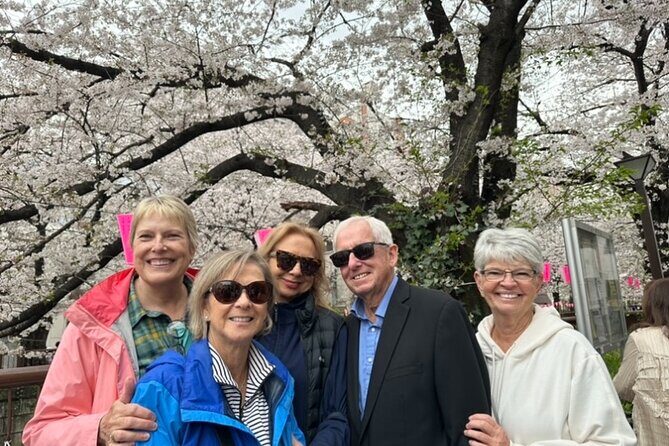
- Hotel pickup, no meeting-point hunt (your guide comes to your hotel)
- English or Español options so you can get real explanations, not hand-wavy pointers
- Private tour only for your group with a flexible route
- Main sights listed as free entry on this route (temples/shrines and neighborhood walking)
- Public transit navigation help so the metro stops feel less confusing
- Mobile ticket for easier check-in
Hotel Pickup and Two-Language Options: Tokyo Without the Stress
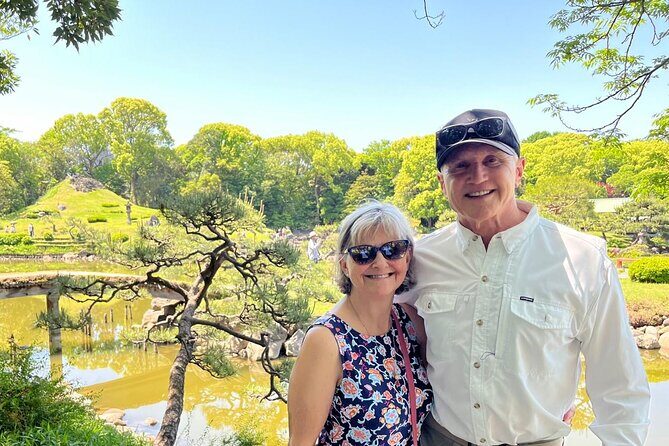
The best thing about this tour is what it removes from your day. In Tokyo, figuring out where you’re supposed to be and how you’re getting there can eat hours. Here, you get hotel pickup, so you start with momentum instead of scrolling maps for the tenth time.
I also like the language setup. You can choose English or Español, which matters more than people think. When you can ask a real question and get a clear answer, Tokyo’s customs click faster—like why people line up, how to move through stations without blocking others, and what you should actually pay attention to at each stop.
Because it’s private, you’re not stuck with a group that moves at a different speed. If your group wants photos, temple time, shopping time, or a calmer rhythm, your guide can adapt within the 2 to 4 hour window.
You can also read our reviews of more guided tours in Tokyo

How the Tour Works: 2 to 4 Hours, Public Transit, and Real Timing
This is a short, focused half-day style tour. The “2 to 4 hours” range is there because pace matters. Some people want more walking time through neighborhoods. Others want quicker photo stops and then back on the move.
You should expect a mix of sightseeing and moving via Tokyo’s public transport system. The guide helps with routing and station navigation, which is huge if it’s your first days in Japan. Just remember: public transportation fees are on you. Also, the tour doesn’t include private transportation, so you’ll be using trains/subways and walking.
The practical upside: you’re not paying a premium for a fancy vehicle. The value comes from time spent wisely—hitting several iconic areas rather than getting stuck in one.
Asakusa and Senso-ji: Where Tokyo Shows Its Spiritual Side
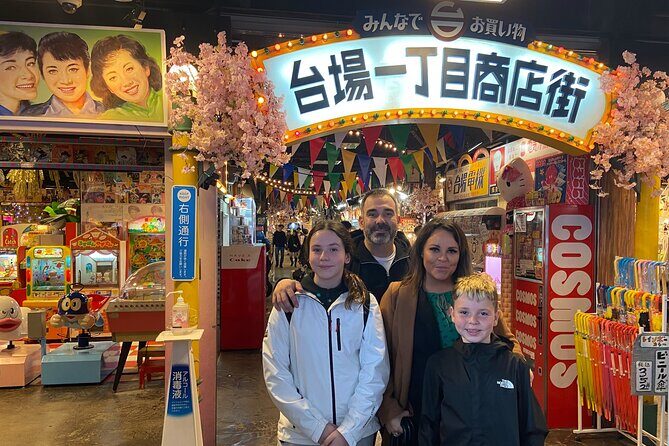
Asakusa is one of those places where Tokyo feels both old and very alive. Your tour starts here at Senso-ji Temple, often called Tokyo’s oldest and best-known temple.
What makes this stop worth your time is the vibe and the details. The area around Senso-ji gives you a feel for how ritual space fits into a modern city. Even in a short visit, you can take in temple architecture, the sense of tradition, and the way locals and visitors flow through the area.
Expect about 30 minutes here. That’s enough for a strong first look—like getting the overview, doing a few key photos, and taking in the atmosphere—without turning into a slow, all-day temple marathon.
A consideration: Asakusa can feel crowded, especially around the main temple area. If you prefer quiet, treat this as a quick orientation stop and focus on what you care about most—temple details, the approach streets, or just soaking in the overall mood.
Meiji Jingu Shrine: A Quiet Break From the City Noise
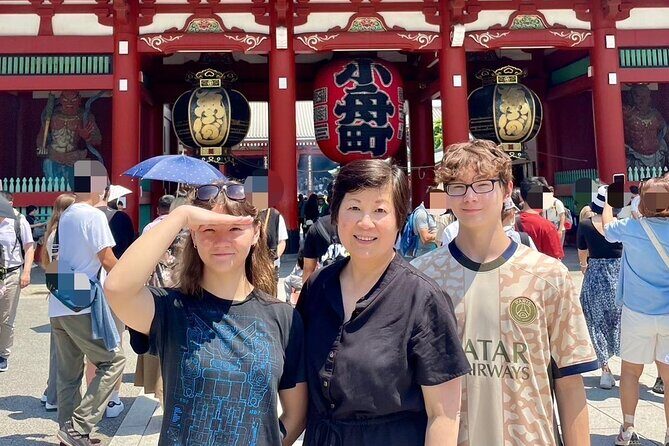
Next comes Meiji Jingu Shrine, dedicated to Emperor Meiji and tied to Japan’s modernization period after the Meiji Restoration (the shrine was established in 1920, with construction completed later).
This stop is a mental reset. Even when Tokyo is hectic, shrine grounds can slow you down. You’re walking into a calmer setting, and that contrast is part of why this is such a popular move on an intro tour.
You’ll have about 30 minutes. With that time, you can do the basics: walk through key areas of the shrine complex, notice how the setting shifts from city streets to a more forested feeling, and get a sense of the respectful behavior expected in sacred space.
Drawback to keep in mind: it’s easy to underestimate how much time you spend just slowing your pace. If your group has a strict schedule, tell your guide early that you want a more efficient route through the shrine.
Tsukiji Fish Market: Seafood Energy in a Short Time Window
Then it’s Tsukiji Fish Market, described as one of the world’s largest and most famous fish markets. If you’ve ever seen photos of Tokyo’s food scene, this is the kind of place they come from.
The value here is simple: you get the atmosphere of seafood commerce and the sheer variety of fresh items in a concentrated chunk of time. Your stop is around 40 minutes, and that’s enough to understand the place without trying to do everything.
Because admission is listed as free, you’re not paying to enjoy the area—just spending your time and energy. You can focus on what you enjoy most: watching activity, browsing stalls, or taking photos to capture the sensory chaos of fish-market life.
One consideration: markets can be loud, crowded, and fast-paced. If you get overwhelmed easily, plan to keep your pace steady and don’t feel pressured to cover every stall in the time you have.
You can also read our reviews of more private tours in Tokyo


Akihabara: Electronics and Anime Culture on Foot
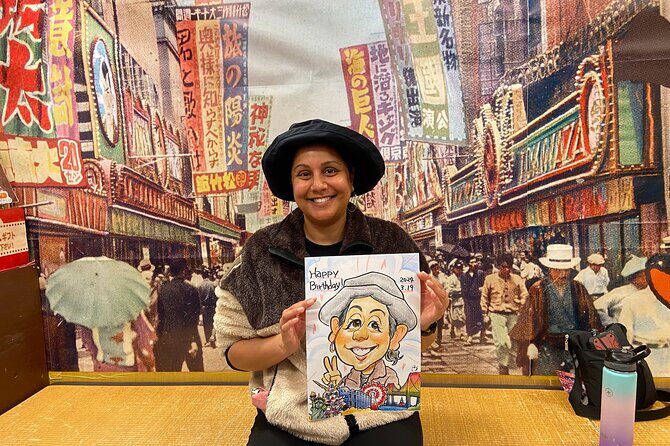
After the seafood world, you jump into Akihabara, famous as Electric Town and closely associated with Japanese pop culture, electronics, and anime.
This stop works especially well if you want a Tokyo “now” vibe instead of the older-temple vibe. Akihabara is also a great place to ask your guide what’s worth your money. You’ll quickly learn what to browse for fun and what’s more likely to be touristy window-shopping.
You get about 40 minutes here, which is enough for a loop through the district and a few targeted stops—like choosing one or two stores or theme areas rather than wandering aimlessly and losing your time.
Consideration: Akihabara can be visually intense. If your group includes people who dislike crowds or bright storefronts, you can still enjoy it by choosing a few priorities (one shop type, one photo zone, then move on).
Shibuya Crossing and Shinjuku: Big-City Motion (with Time to Feel It)
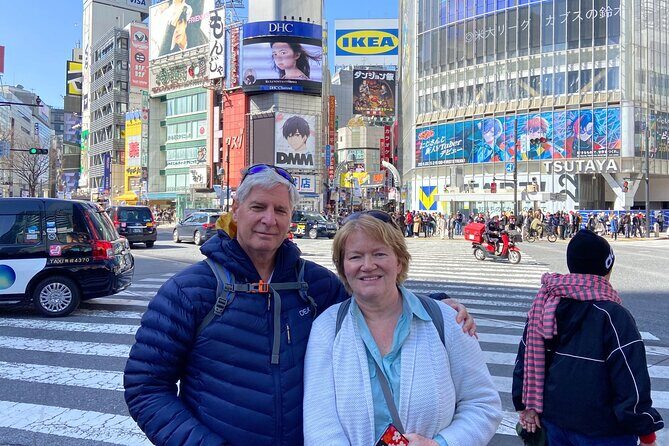
Tokyo’s “everyone is moving” energy shows up hard at Shibuya Crossing. This isn’t just an intersection. It’s a famous pedestrian choreography spot, known as one of the busiest crossings in the world.
You’ll have about 20 minutes for Shibuya Crossing. That’s enough time to stand at a good view point, watch the crosswalk flow, take a few photos, and move on before you start feeling like you’re circling the same people.
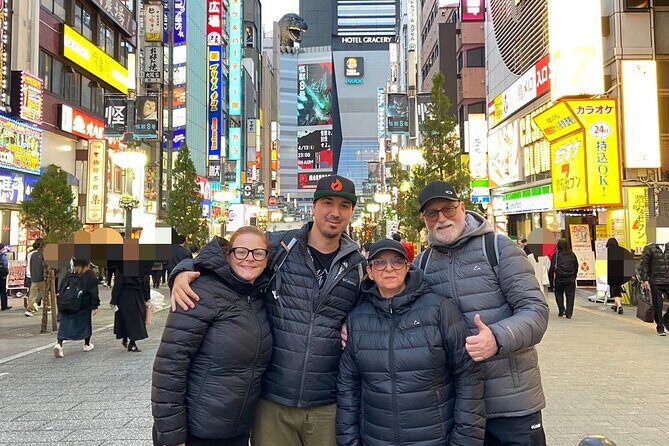
Then you roll into Shinjuku for about 40 minutes. Shinjuku is Tokyo’s big, layered district: skyscrapers, neon-lit streets, and lots of different vibes packed together. It’s also a great place to connect what you’ve seen earlier—temples and markets—with what Tokyo looks like when it’s going full speed.
The helpful part of having a guide here is that you don’t waste time trying to figure out where to go next. You’ll get quick, practical orientation so your time doesn’t vanish into wandering.
Consideration: both Shibuya and Shinjuku can feel intense. If your group needs slower pacing, ask your guide to prioritize viewpoints and one or two streets instead of trying to cover the entire district.
Ueno: Culture, Parks, and a Breather Between Icons
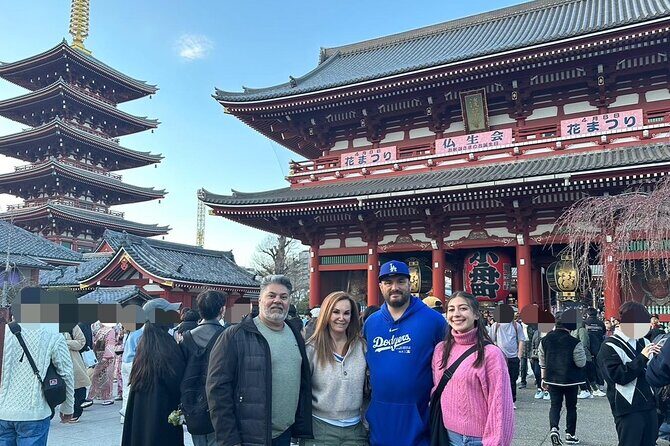
Finally, you end in Ueno, known for parks, museums, and a strong cultural feel. Depending on the season, Ueno can carry a special mood—like cherry blossoms in spring—plus it has that “you can breathe here” character compared to the nonstop motion of Shibuya.
You get about 40 minutes. In that time, you can take in the neighborhood atmosphere and enjoy a less chaotic ending. It’s a good final stop because it balances the day. You’ve hit the heavy hitters: temples, markets, pop culture, and major city intersections. Ueno gives you a more relaxed finish.
Because admission fees at the main sights on this route are listed as free, you’re not paying extra just to walk and explore the area.
Consideration: Ueno’s museums can tempt you, but entry is not included for paid attractions. If you want a specific museum, you’ll likely need to add it separately.
Price and Value at $58.27: What You’re Actually Buying
At $58.27 per person, this tour is priced like a smart half-day planning tool. You’re paying for someone to:
- meet you at your hotel,
- translate the city for you (English or Español),
- and route you through multiple neighborhoods fast.
That’s not the same as hiring a private driver for sightseeing. Instead, the value comes from time saved and context gained.
Here’s the honest balance: you still pay for public transit and meals, and paid entrance fees for optional attractions aren’t included. But your core stops are listed as free entry on the itinerary, so you get a lot of sightseeing without stacking extra ticket costs.
If you’re on your first days in Tokyo, this kind of tour often pays off because it gives you practical mental maps. After you see these areas with a guide, returning on your own later usually feels much easier.
Who This Tour Fits Best (and Who Might Want a Different Plan)
This tour is a strong fit if you:
- want a fast introduction to Tokyo’s major areas,
- are comfortable walking and using public transit,
- prefer explanations in English or Español,
- and like the idea of tailoring the route to your group.
It’s also a nice option for families, as long as your group’s pace is realistic for public walking and station transitions. The tour is short enough that kids usually aren’t trapped in a long day.
If you’re the type who wants one neighborhood deeply for hours—like a full museum afternoon or a long food crawl—this might feel like a highlight reel. In that case, use this tour as your orientation, then do longer independent time afterward.
Tips to Make It Feel Effortless
A few small choices will help this tour land exactly how you want it:
- Wear comfortable shoes. You’re moving between multiple districts in a short span.
- Bring a light layer. Some parts are outside, and Tokyo weather can shift quickly.
- Have a short list of must-sees ready. Your guide can work with it and adjust the order within the time window.
- If you want paid add-ons like Skytree or TeamLab, plan for separate tickets. Your guide will wait outside or may join if you provide a ticket.
Should You Book This Private Tokyo Tour?
I’d book this if you want the easiest first step into Tokyo. The hotel pickup is a big deal, and the private structure makes the tour feel more like a custom day than a rushed checklist. You’ll get a taste of Tokyo’s key districts—from Senso-ji and Meiji Jingu to Tsukiji, Akihabara, Shibuya, Shinjuku, and Ueno—without spending your energy on navigation.
I’d think twice if you hate crowds, if your group needs lots of downtime, or if you’re hoping for a fully all-in, no-extra-cost experience. This tour is strong on time, direction, and context. It’s not designed to cover every extra ticket and meal.
If you want a clean start and a better Tokyo game plan for the rest of your trip, this is one of the more practical ways to do it.
FAQ
Is this tour private?
Yes. It’s a private tour, and only your group participates.
How long is the tour?
It runs for about 2 to 4 hours.
Does the guide pick me up from my hotel?
Yes. Hotel pickup is included, and there’s no need to go to a meeting place.
What languages are available?
You can choose a tour in English or Español.
Are entrance fees included for the main stops?
For the listed stops on the route, admission is listed as free. Entrance fees for other attractions (for example Skytree or TeamLab) are not included.
Do I need to pay for transportation during the tour?
Yes. You’re responsible for public transportation fees.
Is food included?
No. Lunch, dinner, and any food or drinks during the tour are at your own expense.