REVIEW · HIROSHIMA
Hiroshima / Miyajima Full-day Private Tour with Government Licensed Guide
Book on Viator →Operated by Japan Guide Agency · Bookable on Viator
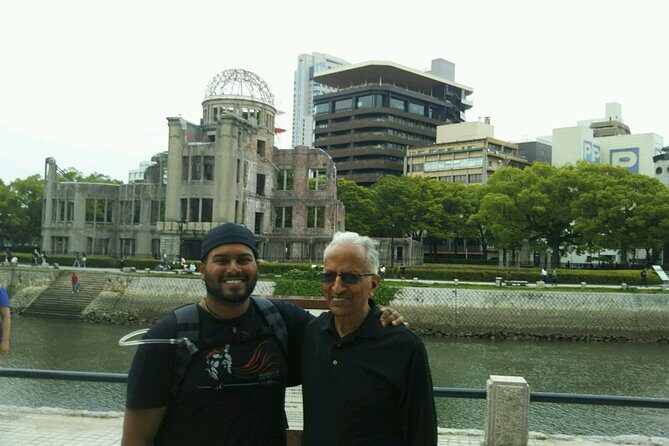
A day changes how you see Hiroshima. This private full-day tour is built around Hiroshima’s Peace Memorial Park and the A-Bomb Dome, then adds the calmer, beautiful rhythm of Miyajima. You also get the rare advantage of choosing where you go and how long you stay, instead of being dragged through a fixed route.
I like two things most. First, you get government licensed English guidance on the stories that can feel heavy on your own. Second, the Miyajima side of the day focuses on the famous torii and hilltop views, so your day isn’t all solemn, even though it starts that way.
One thing to think about: this is a walking-style day with public transport and extra costs like ferry rides, entrance fees, and lunch. If you hate long days on your feet, you’ll feel it.
In This Review
- Quick Takeaways
- Why This Private Hiroshima and Miyajima Day Fits So Well
- What You Pay For (and What You’ll Need to Budget Extra)
- Getting From Place to Place: Public Transport Without the Stress
- Hiroshima Peace Memorial Park and Museum: Where Context Matters
- Hiroshima Castle and Shukkeien Garden: The City Beyond the Memorial
- Hiroshima Castle (Carp Castle)
- Shukkeien Garden
- Crossing to Miyajima: Timing the Torii Moment
- Itsukushima Shrine and Tenshinkaku: The Hill Views That Earn Their Time
- Itsukushima Shrine
- Tenshinkaku
- Price and Logistics: When Private Makes Sense
- Who Should Book This Tour (and Who Might Skip It)
- Quick Notes on Timing Changes (Check Your Specific Booking)
- FAQ
- FAQ
- How long is the Hiroshima and Miyajima full-day private tour?
- Is the Peace Memorial Museum admission included?
- Are transportation and ferry costs included?
- Is lunch included?
- Do I need to pay a visitor tax on Miyajima?
- Can I customize which sites we visit?
- Is this tour a private experience?
- Do we use a private vehicle?
- Can I bring a service animal?
- What is the cancellation window for a full refund?
- Should You Book This Tour?
Quick Takeaways
- Government licensed English guide focused on sensitive Hiroshima context
- 3–4 stop customization means you can shape the day to your interests
- Public transport day keeps you in the flow of the region (trolley, train, ferry)
- Peace Park + A-Bomb Dome access with care and pacing
- Miyajima timing for the torii moment and scenic views from the hill
Why This Private Hiroshima and Miyajima Day Fits So Well

Hiroshima is one of those places where seeing without context can feel incomplete. This tour is designed to help you understand what you’re looking at, especially in the Peace Memorial area. Then it shifts to Miyajima’s cultural and natural charms, so you leave with both memory and perspective.
Because it’s private, your guide can slow down when a question matters. The tour also works well if your group has different tastes—history lovers and shrine-and-garden people can both get value. I also like that the itinerary is flexible: you pick 3–4 sites from the tour’s options, rather than forcing every person through the same checklist.
The emotional weight is real here. Still, the structure of the day helps: you start at the memorial sites, then move toward Miyajima’s calmer scenery so you can process what you learned.
You can also read our reviews of more guided tours in Hiroshima


What You Pay For (and What You’ll Need to Budget Extra)
At $202.29 per person, you’re paying for the private, government licensed English guide and the plan to stitch Hiroshima to Miyajima in one day. The “included” part covers the guide and a personalized route where you choose 3–4 stops. The trade-off is that site entrances and transport costs are mostly on you.
Here’s what to expect outside the price:
- Optional transportation fees, ferry, and entrance fees
- Lunch (not included)
- Miyajima visitor tax: ¥100 cash only per person
Also note the tour uses public transit rather than a private vehicle. For most people, that’s a plus because it’s local and efficient. But you should mentally budget for tickets on the day (the tour notes that public transport tickets are paid on the day).
Is it good value? For a one-day Hiroshima + Miyajima combination, yes—because the guide reduces confusion and saves you time. On your own, you could spend energy figuring out routes, timing, and which parts to prioritize. Here, you’re paying to get those decisions handled.
Getting From Place to Place: Public Transport Without the Stress
This is set up as a walking tour, with meet-up in Hiroshima on foot. That sounds simple, but it changes the feel of the day: you’ll be moving block to block, then switching to local trains/trolleys/ferries. Several guides mentioned in past tour stories were praised for keeping things moving by using local transport effectively.
A practical tip for you: wear shoes you trust for a long stretch. Even when the walking isn’t constant, the day adds up—Peace Park, then city sites, then Miyajima.
The other advantage of the public transit approach is that it gets you closer to daily life. You’re not only watching sights; you’re also navigating the same transit rhythm locals use. If your group likes that kind of travel, you’ll probably enjoy this.
Hiroshima Peace Memorial Park and Museum: Where Context Matters
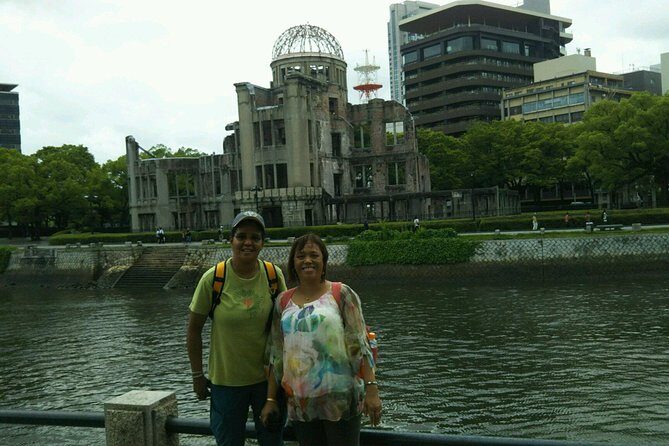
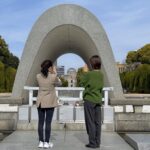
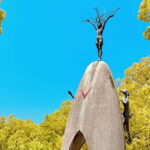
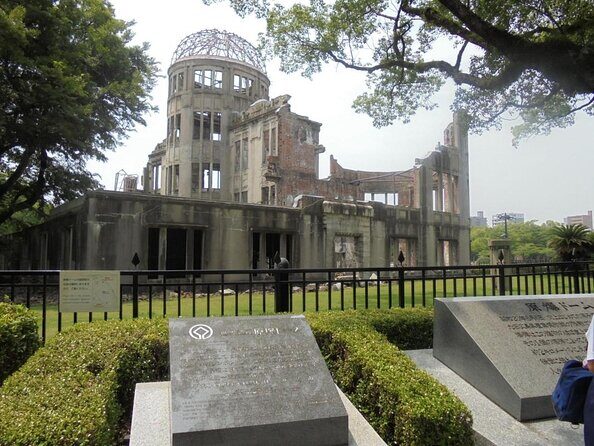
The Peace Memorial Museum and Park are the center of gravity for this tour. The tour lists the Hiroshima Peace Memorial Museum as a 1 hour 30 minute stop, with admission not included. Even if you’ve read about Hiroshima, the museum tends to hit differently in person—especially with a guide who can frame what you’re seeing.
What makes a guided visit useful here is pacing and sensitivity. The provided tour details emphasize learning Hiroshima’s dark history and its prosperous present. In past experiences shared by guests, guides were praised for handling this topic with care—one guide was noted for showing a meaningful video related to Hiroshima and its aftermath at the Peace area.
Another practical point: Peace Memorial locations can be busy. Your guide’s job is to help you move through the site thoughtfully and not lose time to crowds. If you want to stand and really read, you’ll have that chance. If you want a stronger overview first, your guide can manage the order and tempo.
If you’re visiting with teens or older kids, this stop often becomes the most memorable part of the day. The stories about guides working well with groups that included kids and young adults suggest that the best guides translate heavy history into something understandable without turning it into a lecture.
Hiroshima Castle and Shukkeien Garden: The City Beyond the Memorial
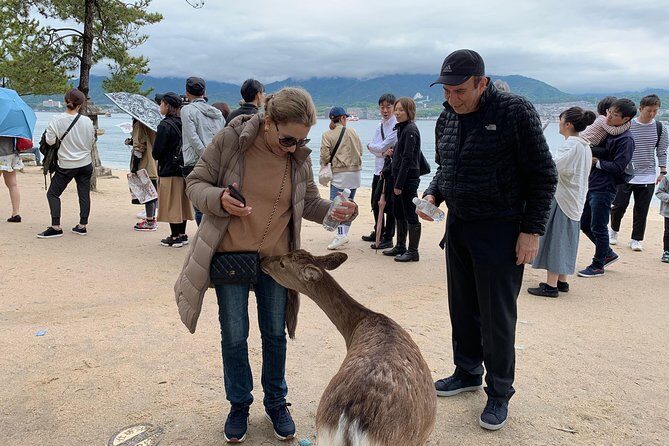
After the memorial area, the tour shifts gears into Hiroshima’s built identity and calmer spaces.
You can also read our reviews of more private tours in Hiroshima

Hiroshima Castle (Carp Castle)
Hiroshima Castle is listed as a 1 hour 30 minute stop, with admission not included. The tour description notes it’s called the Carp Castle and is a plain-based castle in the city center (rather than a mountain-hill build). If you want a “what the city is today” contrast after the Peace area, this is a solid choice.
The likely drawback here is time. If you spend extra minutes in the museum or Peace Park, the castle can feel like the part you rushed through. The private setup helps: you can adjust how long you want at each site when you’re picking your 3–4 stops.
Shukkeien Garden
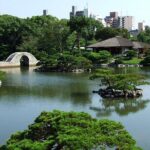
Shukkeien is listed as a Japanese garden and is described as one of Japan’s Top 100 Historical Parks and a National Scenic Spot. It’s another 1 hour 30 minute stop with admission not included.
This is where the day gets breathing room. Gardens are good travel medicine after emotional content because you can reset your eyes. If you like slow strolling, photo breaks, or quiet reading of a place’s design, Shukkeien will work well.
I also see Shukkeien as a “meaningful pause.” After you’ve learned about destruction, you get to see how Hiroshima expresses beauty and order through landscape design—without forcing the day to stay heavy.
Crossing to Miyajima: Timing the Torii Moment
Getting to Miyajima is part of the fun. The tour is built around traveling from Hiroshima by foot and public transport, then using the ferry connection to the island. Ferry costs aren’t included, but the tour structure accounts for paying those day-of.
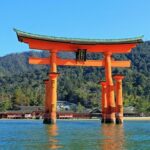
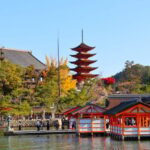
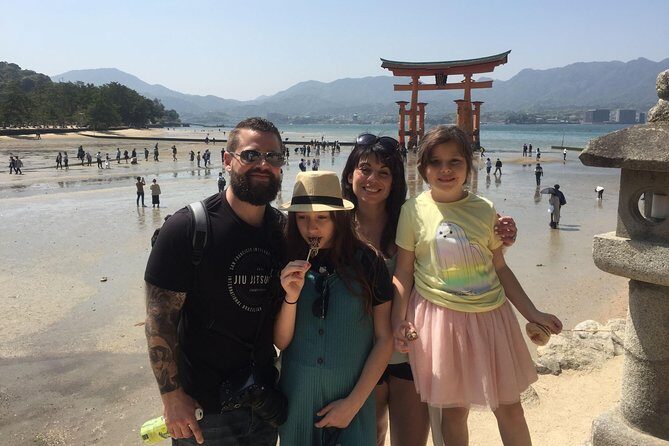
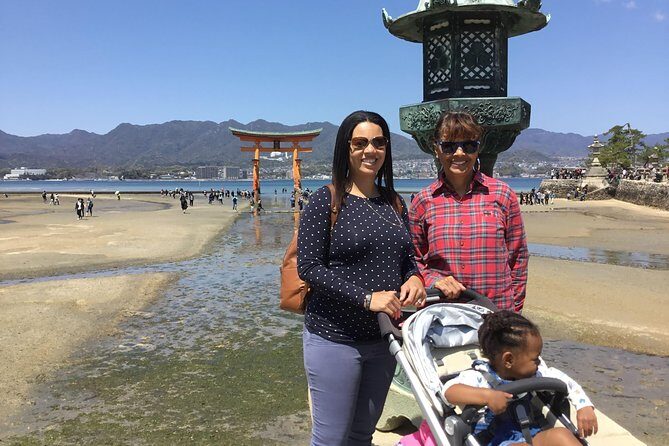
Miyajima’s big headline is the Itsukushima Shrine and its giant torii gate, which at high tide seems to float on the water. That detail is in the tour description for a reason: the visual impact changes with tide and timing.
If you’re the type who cares about the perfect torii photo, plan your expectations honestly. You can do everything right, but conditions can still affect the view. The upside of having a guide is that you’re less likely to lose time figuring out when to go and where to stand.
Also, Miyajima has a visitor tax: ¥100 cash only per person. Put that in your wallet before you go, because it’s not something you want to hunt down mid-day.
Itsukushima Shrine and Tenshinkaku: The Hill Views That Earn Their Time
Itsukushima Shrine
Itsukushima Shrine is listed as a 2 hour stop, with admission not included. This is where the island’s identity snaps into focus: the torii-at-tide effect, the shrine setting, and the feeling of a place shaped by centuries of ritual.
What I like about including the shrine in this combined day is contrast. You’re not just walking through a history lesson back-to-back. You’re also experiencing how Japan’s religious architecture and island life work together.
Tenshinkaku
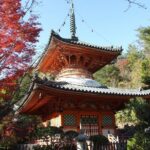
Tenshinkaku is a 1 hour 30 minute option described as an old house cafe-like structure on a hill. You get views of Toyokuni shrine, the five-story pagoda, and the Seto inland sea.
This stop is a smart choice when you want a “breather” without losing the cultural thread. It’s also a useful angle for photos because hill views help you see the shrine complex in a more layered way.
One drawback to flag: Tenshinkaku (and the shrine areas) can eat into your time if you choose to linger everywhere. Since the tour is customizable, you’re not locked into an all-or-nothing plan. If you’re short on energy, you can adjust which hilltop moment matters most to you.
Price and Logistics: When Private Makes Sense
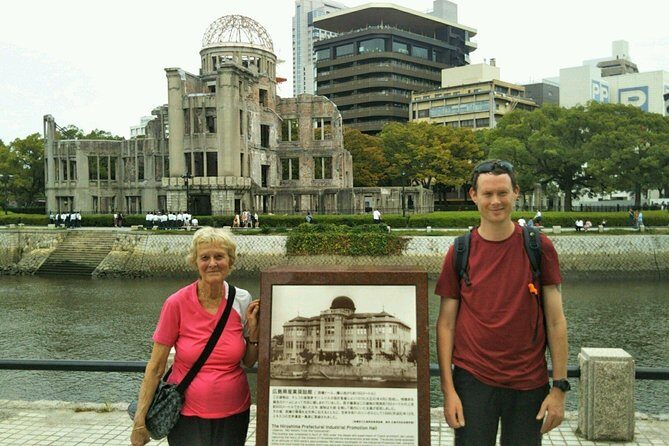
A private guide costs more than a group tour. Here, the value comes from three areas:
- Emotional and historical context at the Peace sites, where getting the order and the meaning right changes everything.
- Time management across Hiroshima and Miyajima in one day, using local transit rather than private vehicle convenience.
- Customization so you can select 3–4 sites that match your group.
The “not included” list matters, though. If you arrive assuming everything is covered, you’ll be surprised by entrance fees, ferry cost, lunch, and the Miyajima visitor tax. Budgeting for these items turns the price from “maybe pricey” into “fair for what you’re buying”—a licensed guide and a smooth, meaningful route.
A small practical detail that affects the feel of the tour: it’s a walking tour. That means you’ll be spending time on the ground, not inside a vehicle. For many people, that’s the point.
Who Should Book This Tour (and Who Might Skip It)
I’d book this if:
- You only have one day to do Hiroshima and Miyajima
- Your group wants both the memorial sites and the island’s calmer, scenic culture
- You prefer a guide who can handle sensitive history with care, not just facts
It might not be your best fit if:
- You want a car-based tour with minimal walking
- You’re not comfortable with long emotional stops at the Peace Memorial Museum
- You hate paying day-of extras like transport, ferries, entrance tickets, and cash visitor tax
From the guide stories shared in the tour details, some guides were praised for tailoring routes for mobility needs and keeping groups together. That’s encouraging if your group has specific constraints. Still, you should assume this is primarily a walking day.
Quick Notes on Timing Changes (Check Your Specific Booking)
The tour notes a duration shift: effective November 6, 2024, it changed from about 7 hours to about 8 hours. If your reservation is for a date before that, your day may run closer to 7 hours. Either way, treat it as a full-day plan and keep your evening open.
FAQ
FAQ
How long is the Hiroshima and Miyajima full-day private tour?
It runs about 8 hours approximately. The tour notes that the duration changed from about 7 hours to about 8 hours effective November 6, 2024.
Is the Peace Memorial Museum admission included?
No. Admission tickets for stops like the Hiroshima Peace Memorial Museum are not included.
Are transportation and ferry costs included?
Transportation fees and the ferry are not included. You pay public transportation tickets on the day.
Is lunch included?
No. Lunch is not included.
Do I need to pay a visitor tax on Miyajima?
Yes. There is a Miyajima visitor tax of ¥100 per person, and it is cash only.
Can I customize which sites we visit?
Yes. The tour is a customizable walking route where you select 3–4 sites from the tour’s expected options.
Is this tour a private experience?
Yes. It is a private tour, and only your group participates.
Do we use a private vehicle?
No. A private vehicle is not included.
Can I bring a service animal?
Yes. Service animals are allowed.
What is the cancellation window for a full refund?
Free cancellation is offered if you cancel at least 24 hours before the experience’s start time for a full refund.
Should You Book This Tour?
If you’re doing Hiroshima and Miyajima in one day, I think this is a smart booking—especially if you want context at the Peace sites and you don’t want to wrestle with transit and timing on your own. The private, licensed English guide component is the big reason to pay the higher rate, because it makes the day feel organized and meaningful.
If you’re price-sensitive, check your personal budget for the extra costs: entrance fees, ferry, lunch, and the Miyajima ¥100 cash visitor tax. If you’re fine with those add-ons and you can do a long walking day, this is one of the strongest ways to see Hiroshima and then enjoy Miyajima’s shrine and hill views with a guide doing the heavy lifting.