REVIEW · HIROSHIMA
Hiroshima Miyajima and Bomb Dome Private Tour
Book on Viator →Operated by BE Hiroshima · Bookable on Viator
One day, two sides of Hiroshima. A private guide slows the day down for the Atomic Bomb Dome and Peace Memorial Museum, then pivots to the calm, sea-facing beauty of Miyajima, so you’re not just checking boxes. I especially like the undivided guide attention for asking questions and connecting the dots, plus the tour includes photo data so you leave with more than shaky phone shots.
The main drawback to plan for is that this is a long, structured day (about 7 to 8 hours) built around walking and public transportation, and there’s no included lunch, so you’ll want to eat smart and early.
In This Review
- Key highlights worth your attention
- Why Hiroshima and Miyajima together works so well
- Price and what you really get for about $231 per person
- Atomic Bomb Dome: the first stop hits hard for a reason
- Peace Memorial Park and Museum: how to make the time feel meaningful
- Miyajima transfer and Itsukushima Shrine: the day changes tone
- Torii gate above the water: the photo moment with context
- Timing, pacing, and getting around without a private car
- The guide is the real difference in a private day
- What to do if you’re short on time in Hiroshima
- Who this tour suits best (and who might want to rethink it)
- Should you book this Hiroshima Miyajima and Bomb Dome private tour?
- FAQ
- Where does the tour start?
- How long is the tour?
- What tickets or entrance fees are included?
- Is lunch included?
- Does the tour include private transportation or an air-conditioned vehicle?
- Is this a private tour?
- Are service animals allowed?
- What’s the cancellation window?
Key highlights worth your attention
- Private guide attention lets you ask questions and adjust the pace to your interests.
- Atomic Bomb Dome + Peace Memorial Museum with context that makes the history easier to follow.
- Lesser-known bombing-related spots that most visitors miss.
- Itsukushima Shrine and the torii above the water as the visual payoff of the day.
- Photo data included, taken by your guide, so you can focus on seeing.
- Mobile ticket makes museum and shrine entry simpler.
Why Hiroshima and Miyajima together works so well
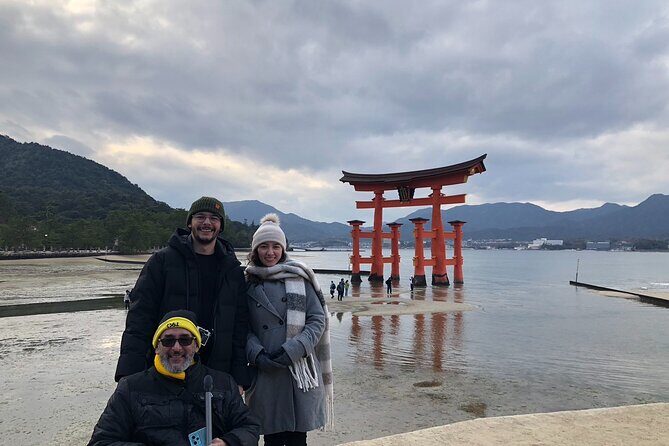
Hiroshima has a weight you feel right away. Then Miyajima hits with a totally different mood: boats, sea air, and the famous red torii gate looking like it’s floating. This tour pairs both sides in one day, which is exactly how I like to travel here—earn the quiet, scenic contrast by understanding the history first.
What makes it work is the order. You start with the Atomic Bomb sites while the story is still sharp in your mind, then you move to Itsukushima when you’re ready for a change of pace. It’s also a private setup, so the guide can guide you through the emotional moments without rushing you into the next thing.
The tour’s biggest value is that it’s not just famous stops. Your guide also points out a few related places that many visitors don’t catch on their own, which can make the whole day feel more complete.
You can also read our reviews of more private tours in Hiroshima


Price and what you really get for about $231 per person
At $231.24 per person for a private day (around 7 to 8 hours), the price isn’t low. But it’s not random either. You’re paying for a certified guide’s full attention, plus included entry fees at key sites like the Peace Memorial Museum and Itsukushima Shrine.
On top of that, you’re not coordinating the day yourself. The tour includes guided time at the Atomic Bomb Dome, the Peace Memorial Park area (free entry), the museum (included), and then the Miyajima shrine area (included). Your guide also provides photo data, which is a quiet but real value add—especially on a day with big “stand here and be in the frame” moments.
What’s not included matters for value: lunch, private transportation, and an air-conditioned vehicle. So if you’re the kind of traveler who wants comfort in transit, you’ll need to plan for regular public transport instead of a dedicated car.
Atomic Bomb Dome: the first stop hits hard for a reason
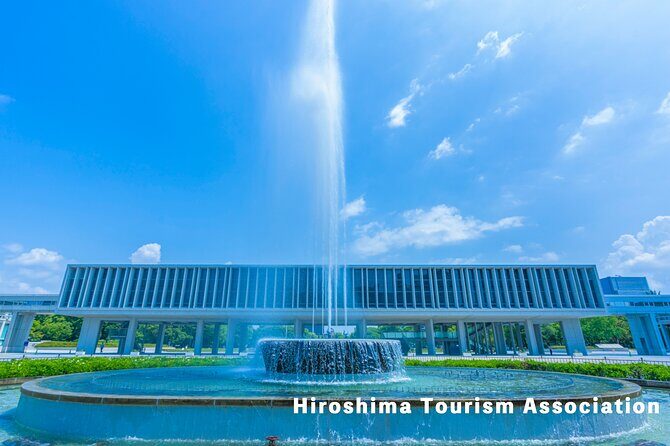
You begin at the Atomic Bomb Dome, with about an hour on site. This is one of those places where it’s easy to look and move on, but the guide-led approach helps you slow down and understand what you’re seeing.
The Dome isn’t just a landmark. Your guide’s job here is to explain what happened in 1945 and how Hiroshima rebuilt afterward, so the structure feels tied to people and time rather than treated like a photo background. That framing makes the rest of the day land better, especially once you reach the Peace Memorial Museum.
One practical tip: when you’re facing heavy history, it helps to have a plan for your questions. Since this is private, you can ask things as you go—about what survived, what changed, and how Hiroshima’s identity shifted over time.
Peace Memorial Park and Museum: how to make the time feel meaningful
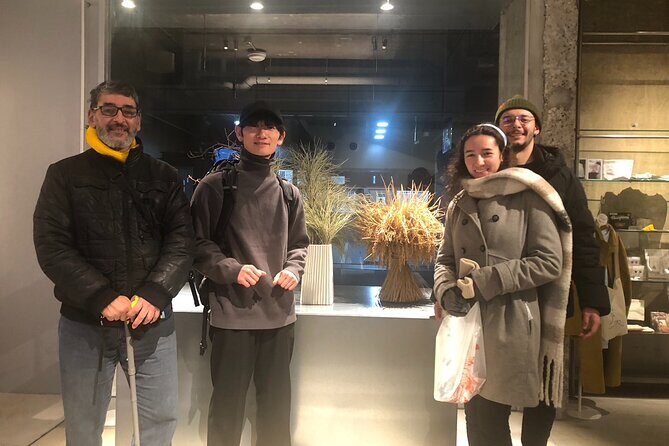
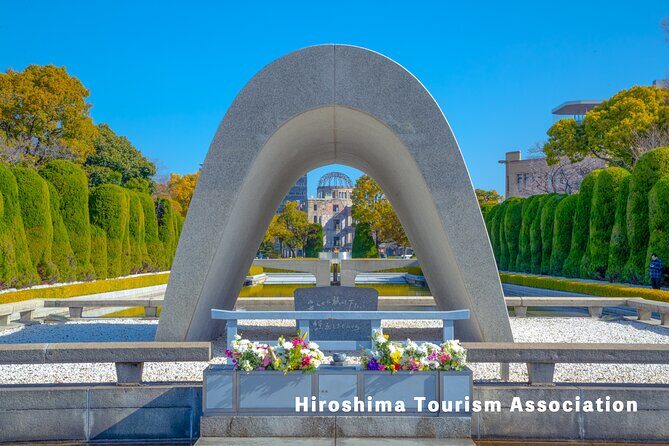
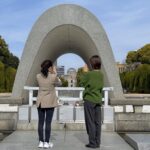
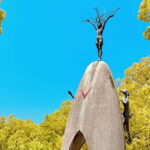
Next comes Peace Memorial Park (around 40 minutes) and then the Peace Memorial Museum (about 1 hour 30 minutes). The park entry is free, and it’s where you’ll see the prayer culture firsthand—this is where many Japanese visitors come to reflect and pray for peace.
Then the museum is the deeper stop. The big advantage of having a guide here is not just explanation in general—it’s pointing you toward the details that help you understand what you’re looking at. The tour includes admission, so you’re not juggling tickets mid-day.
A museum like this can feel overwhelming if you try to read everything alone. With a guide, you can focus on key artifacts and real wartime items and connect them to the stories being told. The result is less scanning, more understanding.
Also, since the schedule is tight, a guided museum visit can help you avoid the time trap of getting stuck in one room. You still get enough time to absorb, but you don’t lose the day.
Miyajima transfer and Itsukushima Shrine: the day changes tone
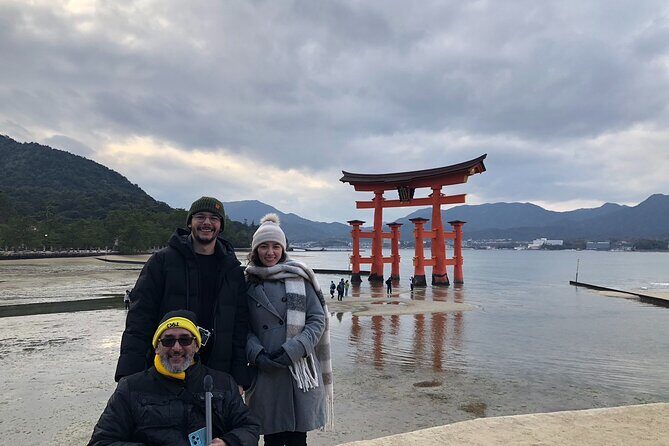
After the Hiroshima memorial sites, you head to Miyajima Island with your guide. This is usually the part of the day where people loosen their shoulders a bit—because you’re moving from memorial history to a place known for scenery and spiritual architecture.
The tour includes time at Itsukushima Shrine as well as a stop along Kiyomori souvenir street, where you can snack and browse local food and drinks. The itinerary notes that lunch is likely to happen around here, and that’s smart. You’ll have a break from heavy walking and you can eat something that fits the day’s pace.
If you want ideas for what to look for, the food options your guide may steer you toward can include Hiroshima-style favorites and Miyajima street foods. In the feedback I saw, people specifically enjoyed items like okonomiyaki, oysters, scallops, local fried fish specialties, craft beer, and even maple leaf-shaped sweets. None of that is included in the tour price—but it’s the kind of food experience Miyajima is good at delivering.

Torii gate above the water: the photo moment with context
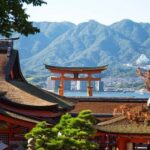
After the general shrine area time, the tour includes a dedicated stop for seeing the torii gate over the water (about 40 minutes). This is the iconic view most people come for, and it’s easy to spend too much time just staring without really understanding what makes the scene special.
A guide helps here by putting the torii and shrine setting into context, so you appreciate why it’s photographed constantly and why it looks different depending on the water and viewing angle. It’s not just a red gate—it’s a whole relationship between architecture and the sea.
If you’re picky about photos, this is also where private touring helps. You can ask where to stand and when to move so you’re not fighting crowds for the exact angle.
Timing, pacing, and getting around without a private car
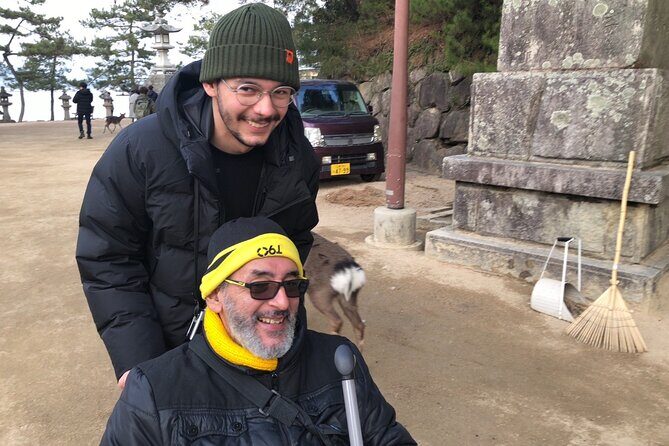
This is a structured day, and it runs for about 7 to 8 hours. The listed schedule is a morning start window from 9:00 AM to 10:00 AM, and it ends back at the meeting point.
The tour does not include private transportation or an air-conditioned vehicle. That means you’re on public transport for part of the day. In practice, it usually works fine because your guide handles the routing and keeps you moving between stops, but it does mean you should pack for the real world: comfortable shoes, water, and a snack plan since lunch is on your own.
One more thing: meeting point is listed as Hiroshima Station (1-2-37 Matsubarachō, Minami Ward). Some private tours can coordinate a more convenient pickup, but the safe bet is to assume you’ll start from the station area unless your confirmation says otherwise.
The guide is the real difference in a private day
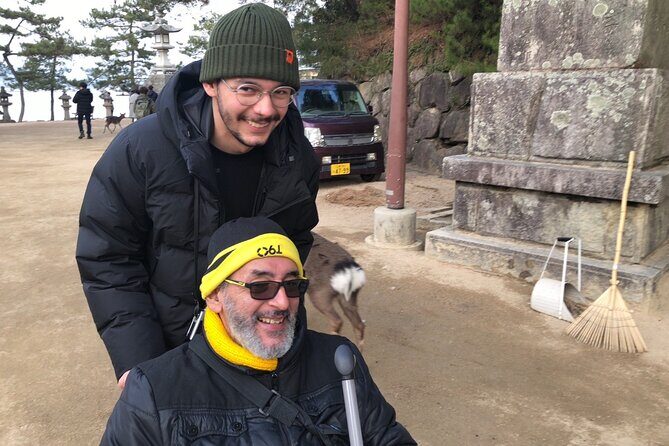
The sites are famous. What turns this into a standout experience is how the guide runs the day.
In the feedback, names like Keiko and Yuta came up repeatedly, and the common thread was a mix of professionalism and flexibility. People valued the ability to ask questions freely, and they appreciated that the guide could adapt when weather changed. On rainy or cold days, having a guide who keeps you moving efficiently can make a huge difference—so you still get the important views without wasting time.
Another thing I liked as a concept: guides don’t just talk history. They also help with the practical side of being on the move—taking photos, suggesting where to eat, and keeping the day from feeling like a march.
If you’re traveling with kids, this kind of guide matters even more. I saw examples where a guide connected well with teenagers, and even turned language practice into part of the experience. That’s the sort of added value you can’t easily copy with self-guided touring.
What to do if you’re short on time in Hiroshima
If you only have one day in Hiroshima, this tour is one of the more efficient ways to cover both the memorial side and the Miyajima shrine side without feeling like you’re bouncing between unrelated plans.
You’re basically getting a full arc:
- a somber start at the Atomic Bomb Dome
- a reflection stop at Peace Memorial Park
- a deeper understanding stop at the museum
- a reset at Miyajima with shrine scenery
- the iconic torii gate view over the water
The itinerary is designed so you don’t spend your limited time “trying to figure it out.” Private touring keeps you anchored to a plan.
If you have extra time in Hiroshima beyond this day, you might choose to add slower self-guided time around the Peace Memorial area afterward. But if you only have a single day, this is a strong way to make it count.
Who this tour suits best (and who might want to rethink it)
This tour is a good fit if you:
- want a guided experience at the memorial sites (so the story is clearer)
- prefer private pacing over large-group schedules
- care about getting better photos
- want Miyajima’s big shrine views without managing ferry timing and routing alone
It may be less ideal if you:
- want a fully relaxed, no-structure day
- expect lunch or a car ride to be included
- have very limited mobility or need long seated breaks (the day includes multiple walking areas and transit)
In other words: if you like your sightseeing with a plan, this works. If you like to wander with zero schedule, you may feel the structure.
Should you book this Hiroshima Miyajima and Bomb Dome private tour?
I think you should book it if you want a meaningful Hiroshima day with context, not just a checklist. The combination of Atomic Bomb Dome, Peace Memorial Park, and the Peace Memorial Museum gives you the history backbone, and the Miyajima portion gives you the visual and emotional contrast that makes the day feel complete.
You’re paying for the private guide attention, included museum and shrine entry, and photo data. That’s where the value sits. Just be honest with yourself about the long day and the fact that lunch and transport comfort are on you.
If Hiroshima matters to you and Miyajima is on your must-see list, this is one of the cleaner ways to do both in a single shot.
FAQ
Where does the tour start?
The meeting point is Hiroshima Station at 1-2-37 Matsubarachō, Minami Ward, Hiroshima.
How long is the tour?
The tour runs about 7 to 8 hours.
What tickets or entrance fees are included?
Entrance fees are included for the Peace Memorial Museum and Itsukushima Shrine, and admission is included for the Atomic Bomb Dome stop.
Is lunch included?
No. Lunch and any foods or drinks are not included, so you’ll want to plan your own meal time.
Does the tour include private transportation or an air-conditioned vehicle?
No. Private transportation and an air-conditioned vehicle are not included, and you’ll use public transportation for getting between areas.
Is this a private tour?
Yes. It’s private, so only your group will participate.
Are service animals allowed?
Yes. Service animals are allowed.
What’s the cancellation window?
You can cancel for a full refund up to 24 hours before the experience start time.