REVIEW · HIROSHIMA
Hiroshima History Tour : A-Bomb Dome, Peace Memorial & City
Book on GetYourGuide →Operated by Local Gem Tour Hiroshima · Bookable on GetYourGuide
Memory walks, and Hiroshima listens. This private Hiroshima History Tour is led by Japanese locals with family ties to the city, including second-generation atomic bomb survivor families, so the day feels personal rather than staged. You’ll visit the Atomic Bomb Dome area and the Peace Memorial Park grounds, then keep moving into places like Hiroshima Castle and Shukkeien Garden to see how life continues.
What I really liked is the way the guide stories connect history to daily Hiroshima—passed down, not delivered like a script. I also loved the pacing: Masa-san adjusts for your group, your energy, and even the weather, while still hitting the key stops without rushing you.
One consideration: it’s a walking tour with photo stops and museum time, so you’ll want comfortable shoes and a willingness to slow down when needed. Also, taxi or transit costs aren’t included, so budget a bit if you don’t want to walk between sites.
In This Review
- Key highlights I’d circle before booking
- A Hiroshima History Tour built around living memory
- Masa-san and the all-local guide advantage
- Peace Memorial Museum: how to use that first hour
- Peace Memorial Park photo stop: short time, heavy impact
- Atomic Bomb Dome: the view you’ll remember later
- Hiroshima Castle and Shukkei-en: why the tour leaves the spotlight
- Hiroshima Castle
- Shukkei-en Garden
- How pacing and walking logistics really work
- Price and value: is $103 per person worth it?
- Timing notes: February museum closure and seasonal comfort
- Who this tour is best for
- Should you book this Hiroshima History Tour?
- FAQ
- What does the Hiroshima History Tour include?
- How long is the tour?
- Is this a private tour?
- What languages are available?
- What’s included in the price, and what isn’t?
- Where does pickup happen?
- Is the tour wheelchair accessible?
- What’s the cancellation policy?
Key highlights I’d circle before booking
- Guides with family ties: many are second-generation atomic bomb survivors, not just tour talkers.
- Masa-san’s on-the-ground perspective: English explanations with careful, humane context.
- Skip-the-line museum entry: you spend more time inside the Peace Memorial Museum.
- A balanced route: you pair solemn sites with Hiroshima Castle and Shukkeien Garden.
- Flexible pacing for real life: your guide can shift walking vs public transport or taxi.
- Photo support: you get photography data after the tour, handy for quick sharing.
A Hiroshima History Tour built around living memory
There are plenty of ways to see Hiroshima. Some are fast. Some are loud. This one is different because it’s built around people—Japanese guides with deep personal links to the city, including families connected to the atomic bombing. That matters in a place where emotions can hit quickly. Instead of feeling like you’re consuming tragedy for information points, you feel like you’re being entrusted with perspective.
You also get a private format. It’s just your group, so questions don’t feel rushed and silence doesn’t feel awkward. And the route is not only about the famous landmarks. You also walk into the parts of Hiroshima where people live now—so the message lands with more weight than facts alone.
You can also read our reviews of more city tours in Hiroshima
Masa-san and the all-local guide advantage
This tour is led by Japanese-born guides, and several guides have second-generation survivor backgrounds. In practice, that translates into a style of storytelling that’s careful and grounded. You’ll hear explanations that come with personal context—why certain memorial wording matters, how Hiroshima people remember the days around the bombing, and what residents hope outsiders take away.
Masa-san, in particular, comes up again and again in guest experiences for being warm, organized, and highly attentive to questions. One theme you’ll likely notice fast: she doesn’t just state dates—she helps you understand how people carry memory. Guests also highlight that her English is clear and that she can explain small cultural details too, even down to helpful notes about the Japanese alphabet and how written names connect to place.
If you like conversation with a purpose, this is a good fit. If you prefer a silent, “stand-and-look” museum run, you can still do that—but the guide’s strength is answering questions.
Peace Memorial Museum: how to use that first hour
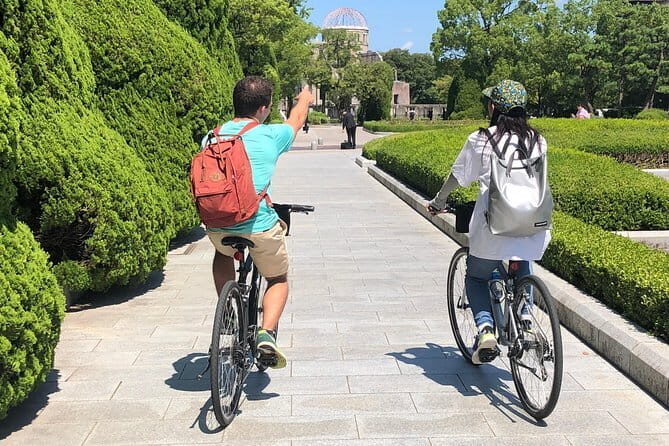
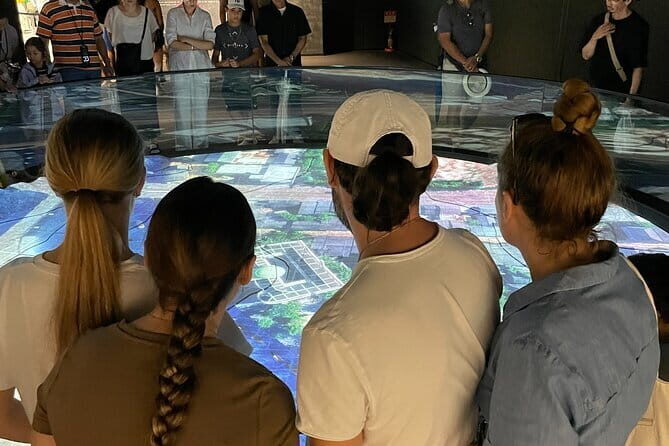
The tour’s structure starts with the Peace Memorial Museum, with a guided visit time of about one hour. You’ll enter with museum tickets included, and there’s also a skip-the-line benefit. That means you’re less likely to lose precious minutes standing around while your attention is already on heavy material.
Here’s how to make the most of that hour:
- Pick 2–3 areas you want to understand deeply, not everything.
- Let the guide point you toward the parts that connect to the outside memorial grounds.
- Expect emotion, but also expect clarity. The museum visit is where “seeing” becomes “meaning.”
A one-hour guided visit can’t cover everything in the museum. But it’s a smart time box because it keeps the day moving toward the park and dome, where the views and memorial layout start to click.
One small practical tip: if you’re traveling with family, or if your group includes older adults, plan to pause when needed. Guests report the guide handles weather and varying ages by adjusting the pace on the spot. That’s exactly what you want at this location, where your brain is working overtime.
Peace Memorial Park photo stop: short time, heavy impact
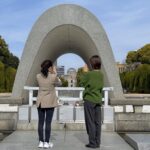
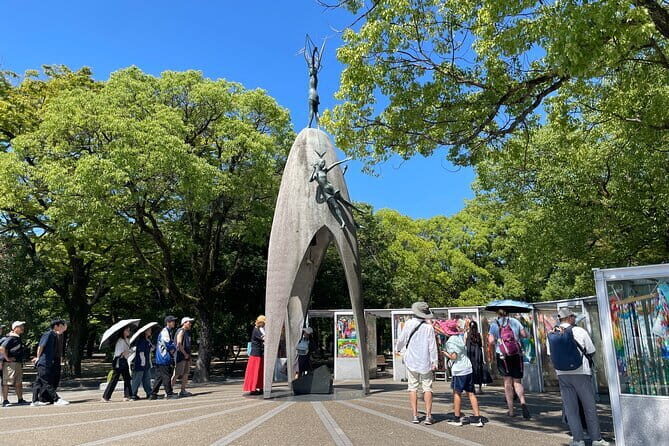
After the museum, you’ll move to Peace Memorial Park. Expect a brief photo stop and a short guided walk—about fifteen minutes is allocated for the park segment. On paper, that might sound quick. In real life, it’s a classic “less time, more focus” setup.
This is where you should:
- Look at the layout from a few angles, not just one.
- Notice names, plaques, and the way the park guides foot traffic.
- Take a breath before your next stop.
The guide’s job here is to help you see what you might otherwise miss: how the memorial space is designed for reflection and how Hiroshima’s message is communicated through everyday signage and memorial placement. You don’t need to be a history expert. You just need to be willing to slow down for a minute.
Atomic Bomb Dome: the view you’ll remember later
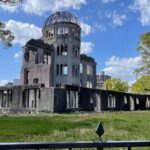
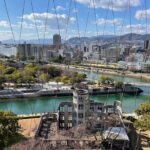
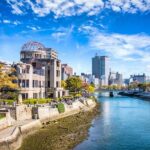
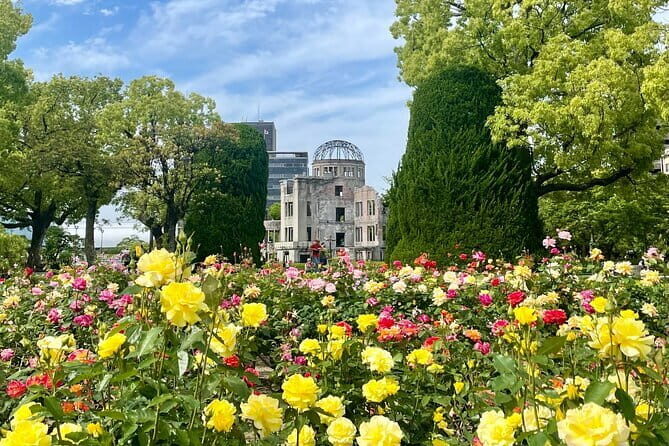
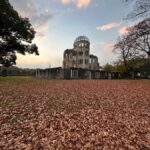
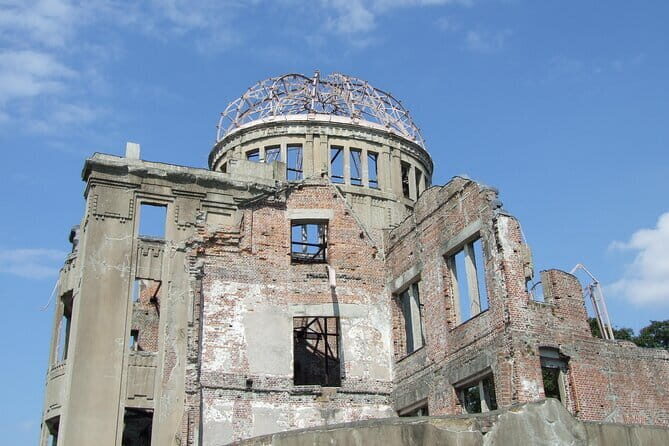
Next comes the World Heritage Site area of the Atomic Bomb Dome. You’ll get a photo stop plus guided time, including a short guided look inside the surrounding context. The dome is famous for obvious reasons, but the power of visiting it with a guide is what happens around the view.
You’ll likely hear the historical impact explained in plain language, with an emphasis on what Hiroshima residents want the outside world to understand now. Guests often describe these moments as emotionally moving, especially when the guide shares family-linked memories or second-generation survivor perspective.
Practical advice: bring your phone camera, but also keep your eyes up. It’s easy to turn a memorial stop into a photo hunt. If you do that, you miss the “real” part: how the streets, river direction, and nearby buildings frame the dome so it feels less like a monument and more like a point in a living city.
You can also read our reviews of more historical tours in Hiroshima

Hiroshima Castle and Shukkei-en: why the tour leaves the spotlight
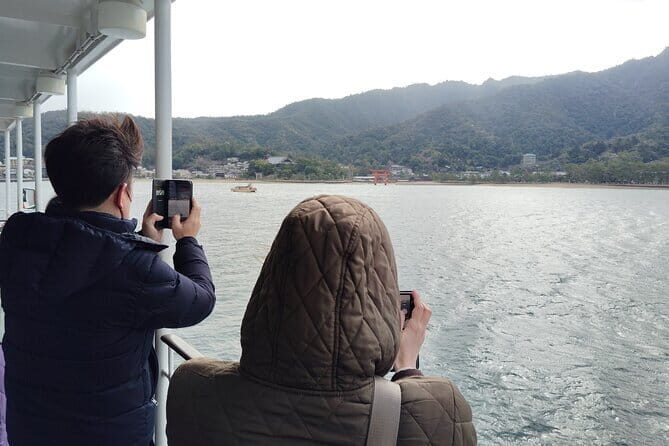
A lot of atomic-bomb tours end after the dome and museum. This one intentionally continues. It brings you to Hiroshima Castle for a photo stop and guided visit, then to Shukkeien Garden for a longer garden break with about one hour on site.
This section might sound like a tonal shift, but it actually helps the day make sense.
Hiroshima Castle
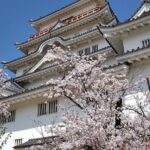
Hiroshima Castle gives you a sense of scale and the idea of continuity—how a city rebuilds its identity. Even if you’re not going to every exhibit detail, you’ll get context on what the castle area represents and how it ties into Hiroshima’s broader story.
Shukkei-en Garden
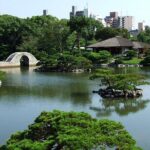
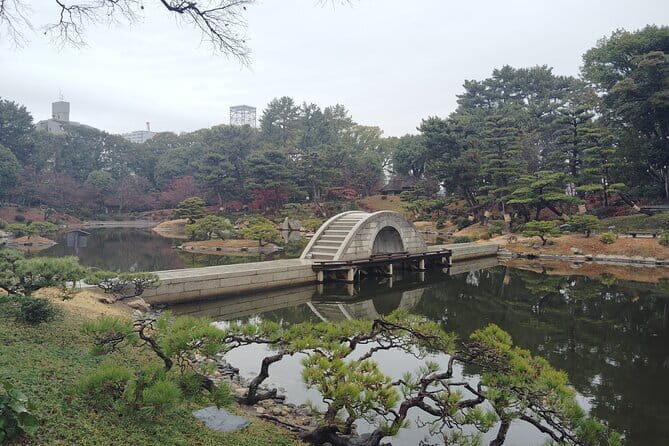
Shukkei-en is the kind of place where you slow down naturally. It’s a good match after you’ve spent time with memorial design and solemn material. In guest experiences, people often say the garden was a highlight and that it added meaning rather than distracting from the morning.
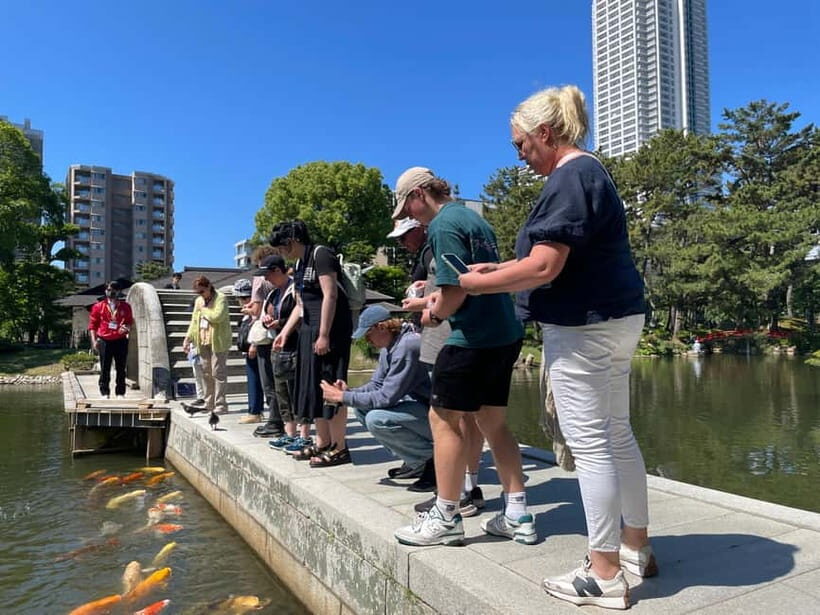
A key point: one hour at Shukkeien isn’t just sightseeing time. With a guide, you’ll notice how garden features carry references to seasons, movement, and “stopping to think.” Even if you’re not the type who loves gardens, you’ll probably enjoy the change of pace.
How pacing and walking logistics really work
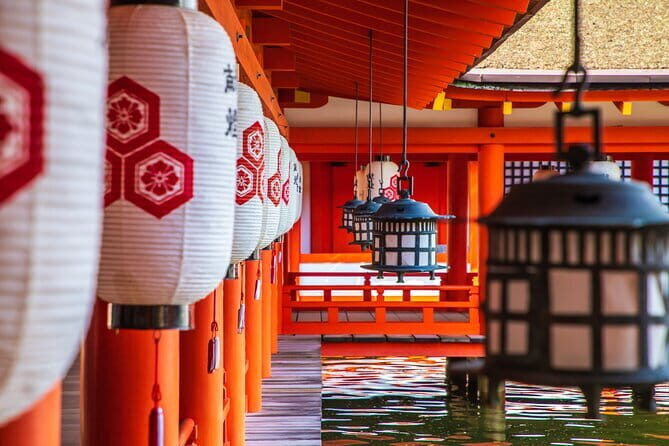
This tour runs about 3–4 hours, and it’s designed to stay flexible. Depending on where you start and what your group wants, your guide can use walking or public transportation, and you can also choose taxi if you prefer.
That flexibility is a big deal because Hiroshima’s Peace Memorial area plus garden and castle stops can add up to real walking. Guests mention the tour works well for different ages when the guide adjusts on the fly—pausing when it’s needed, rerouting when weather turns, and keeping the group comfortable.
What to keep in mind:
- Wear comfortable shoes. You’ll be on foot between key points.
- If you have mobility needs, it’s wheelchair accessible, but you should still plan for ramps, outdoor distances, and time inside the museum.
- Bring a small bottle of water if you need it. Food and drinks aren’t included.
Also, photography data is provided. That’s helpful because it reduces the time you spend trying to capture everything yourself. Still, you’ll want a couple of “eyes-up” moments where you don’t feel split between filming and feeling.
Price and value: is $103 per person worth it?
The price is listed as $103 per person for a 3–4 hour private tour. At first glance, private tours can look pricey. Here’s how to judge the value in this case:
You’re paying for:
- A Hiroshima-born guide with personal ties to the city
- Peace Memorial Museum entry tickets
- Shukkeien Garden entry tickets
- Pickup service from central Hiroshima locations
- Guided time at multiple major sites
- Skip-the-line museum entry
- Photography data after the tour
What’s not included:
- Transportation costs (taxi, tram, bus, etc.)
- Food and drinks
So the “real” comparison isn’t just price vs a bus tour. It’s price vs getting the kind of context you can’t buy with an audio guide. For many visitors, the guide’s family-linked perspective and ability to answer questions turns this into a once-in-a-trip experience.
Guests repeatedly describe it as worth the money specifically because it goes beyond facts. They also credit efficiency and pacing—seeing a lot without feeling herded.
If your group wants a memorable, humane, high-context day, this price can make sense quickly. If you’re only interested in checking off landmarks with minimal conversation, you might find it more than you need.
Timing notes: February museum closure and seasonal comfort

One important date: the Peace Memorial Museum is closed from Feb. 16–21 due to renewal. If you’re visiting during that window, you should plan for an alternate experience day or confirm what the guide will do with the museum time.
Season matters too, because this is outdoors-heavy walking around park grounds and garden areas. If you’re there in rainy weather, you’ll be glad you booked a guide who can adjust. Guests mention rain wasn’t a deal-breaker—pacing changes helped keep the day comfortable.
Who this tour is best for
This works especially well if you:
- Want more than a standard museum script
- Like Q&A and short moments of reflection
- Travel with family and want the day paced for real attention spans
- Appreciate a guide with lived connection to Hiroshima
It also fits couples who want to move slowly together and talk things through without other people’s schedules shaping the flow.
You might consider a different option if your group strongly prefers minimal walking, zero emotional discussion, or a strictly landmark-only sightseeing format.
Should you book this Hiroshima History Tour?
If you care about understanding what Hiroshima means—past and present—booking this tour is a smart move. The private format, the Hiroshima-born guides, and the inclusion of Peace Memorial Museum plus Atomic Bomb Dome plus Hiroshima Castle and Shukkeien Garden create a full arc: memory, reflection, and then daily life.
The biggest reason to say yes is the guide. Masa-san and other local guides bring a human connection you can’t replicate with a group bus or a phone app. Add in ticket coverage and skip-the-line entry, and the $103 feels less like a splurge and more like paying for perspective.
If you book, go in with two expectations: comfortable shoes and a willingness to let the day feel weighty. You’ll come away with something harder to measure than facts—how people carry a message forward in ordinary streets.
FAQ
What does the Hiroshima History Tour include?
You’ll visit the Hiroshima Peace Memorial Museum with a guided tour (about 1 hour), Peace Memorial Park (including a photo stop and guided time), the Atomic Bomb Dome area (photo stop and guided time), Hiroshima Castle (photo stop and guided time), and Shukkeien Garden (break time, photo stop, and guided visit for about 1 hour). Museum and garden entry tickets are included.
How long is the tour?
The tour lasts about 3 to 4 hours.
Is this a private tour?
Yes. It’s a private group tour for your group only, with no other guests joining.
What languages are available?
The live tour guide speaks English and Japanese.
What’s included in the price, and what isn’t?
Included: a Hiroshima-born guide, pickup service (on foot), entry tickets to the Peace Memorial Museum and Shukkeien Garden, skip-the-line museum entry, photography (data provided), and guided tour segments. Not included: transportation fees (taxi/tram/bus) and food or drinks.
Where does pickup happen?
Pickup is offered from multiple central Hiroshima locations (including major hotels and Hiroshima Station-area options). If your place isn’t on the list, you can email to arrange pickup if you’re in central Hiroshima City. Cruise ship passengers should indicate their port.
Is the tour wheelchair accessible?
Yes, the tour is wheelchair accessible.
What’s the cancellation policy?
You can cancel up to 24 hours in advance for a full refund.