REVIEW · HIROSHIMA
Hiroshima: Private City Highlights Walking Tour
Book on GetYourGuide →Operated by F and five. · Bookable on GetYourGuide
Hiroshima hits different with a guide. This private walking tour gives you real context at Peace Memorial Park and then shifts gears at Hiroshima Castle, so the day feels connected—not just scenic stops. Guides such as Maria, Ali, and Ihsan are praised for empathy, clarity, and pacing that keeps questions welcome.
One thing to consider: this is a lot of solemn ground plus walking, so the full 4 hours can feel like a stretch if you prefer slower breaks or you’re sensitive to intense memorial settings.
In This Review
- Key Highlights You’ll Actually Feel
- Peace Park Isn’t Just Sights, It’s a Story
- Meeting Point and the First Steps at 1-2 Nakajimachō
- Gates of Peace and the Prayer Fountain: Start With Intention
- Hiroshima Peace Memorial Museum: Where Facts Take Over
- Victims Memorial Cenotaph, Flame of Peace, and Korean Atomic Bomb Victims Cenotaph
- Bell of Peace and Children’s Peace Monument: The Human Scale
- Atomic Bomb Dome: Time for Photos, but Also for Meaning
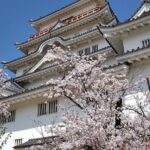
- Hiroshima Castle: A 16th-Century Reset After the Memorial
- How Private Guidance Changes Everything
- Price and What You Get for $90
- Timing, Walking Pace, and the Real World
- Who This Tour Suits Best (and Who Might Prefer Something Else)
- Should You Book This Hiroshima Peace Park and Castle Walk?
- FAQ
- FAQ
- How long is the Hiroshima private highlights walking tour?
- Where do I meet the guide?
- Which major sites are included?
- Is the Atomic Bomb Dome entrance ticket included?
- What languages does the live guide speak?
- Is food and drinks included?
- Is the tour wheelchair accessible?
Key Highlights You’ll Actually Feel
- Peace Memorial Park guided time that helps you connect the monuments to August 6, 1945
- Hiroshima Peace Memorial Museum entry included so you can see key collections without guessing what matters
- Atomic Bomb Dome admission included, with focused time for photos and explanation
- A 16th-century Hiroshima Castle stop that adds a survival-and-rebuilding viewpoint
- Private pacing with a real guide in English, Malay, Urdu, Hindi, or Punjabi
Peace Park Isn’t Just Sights, It’s a Story
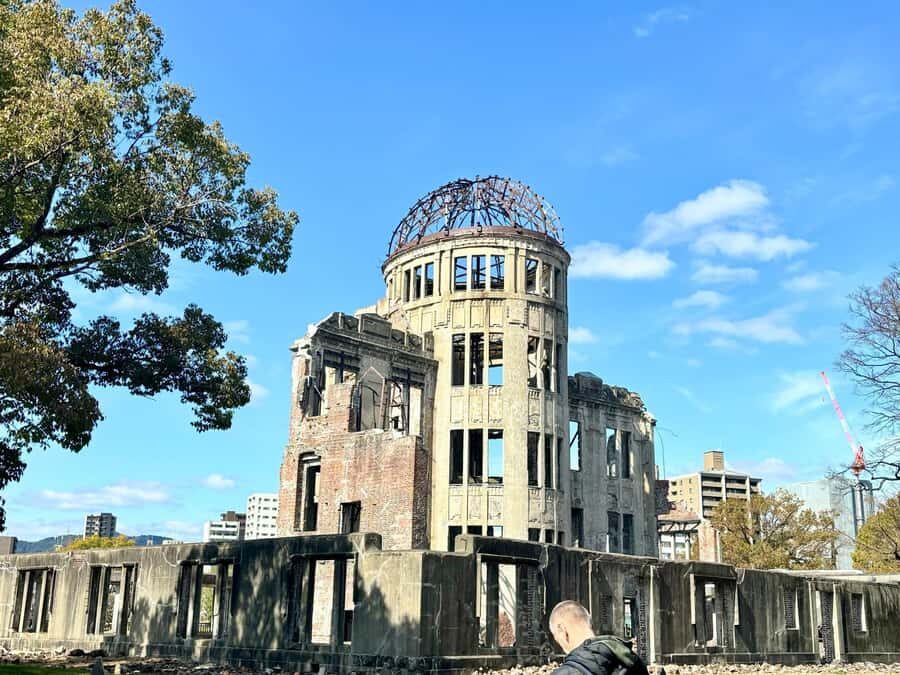
Hiroshima is a city of layers—before, during, and after August 6, 1945. On your own, you can see the major sites, but the meaning can stay locked behind signs. With a guide, you get the connective tissue: what each monument is pointing to, how the memorial space is organized, and why certain details matter.
What I like most is that the tour is built for understanding, not speed. You start at the Peace Memorial core, where the city asks visitors to look carefully and thoughtfully. Then you carry that understanding a short distance beyond the park area to Hiroshima Castle, built long before the bombing and still there afterward—an intentional contrast that helps the day land with more balance.
Also, this is private, so you’re not stuck with a loud group shuffle. From what you can expect on real private departures, guides like Maria or Ihsan are the kind who answer questions and adjust pace when someone wants to pause longer.
You can also read our reviews of more walking tours in Hiroshima
Meeting Point and the First Steps at 1-2 Nakajimachō
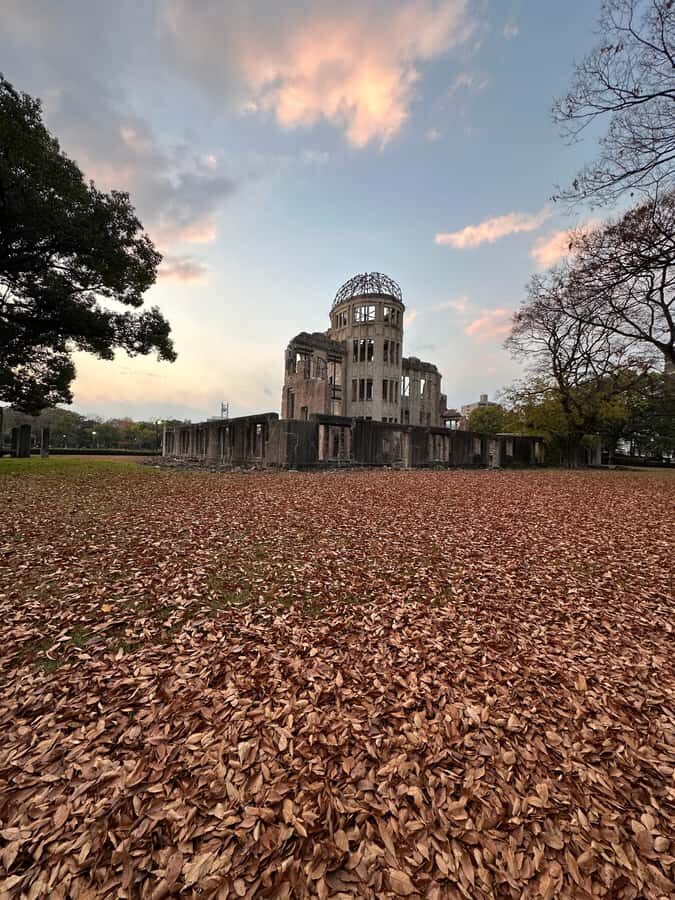
You’ll meet your guide at 1-2 Nakajimachō, Naka Ward in Hiroshima. The tour ends back at the meeting point, which is helpful if you’re lining up dinner later or trying to avoid “transportation uncertainty” at the end of the day.
Because you’re walking between multiple memorial locations, it’s smart to arrive a few minutes early and be ready for stairs and uneven paths in and around monuments. The tour is listed as wheelchair accessible, so if you need that, tell your operator so they can plan the route comfortably.
Gates of Peace and the Prayer Fountain: Start With Intention
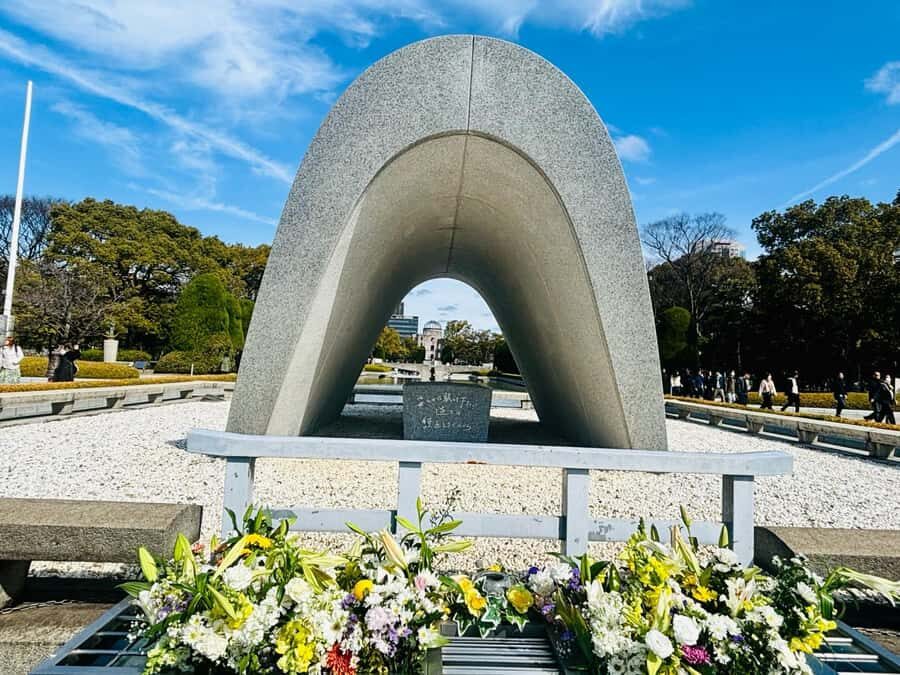
The tour begins in the Peace Memorial Park area with short guided stops designed to set tone quickly.
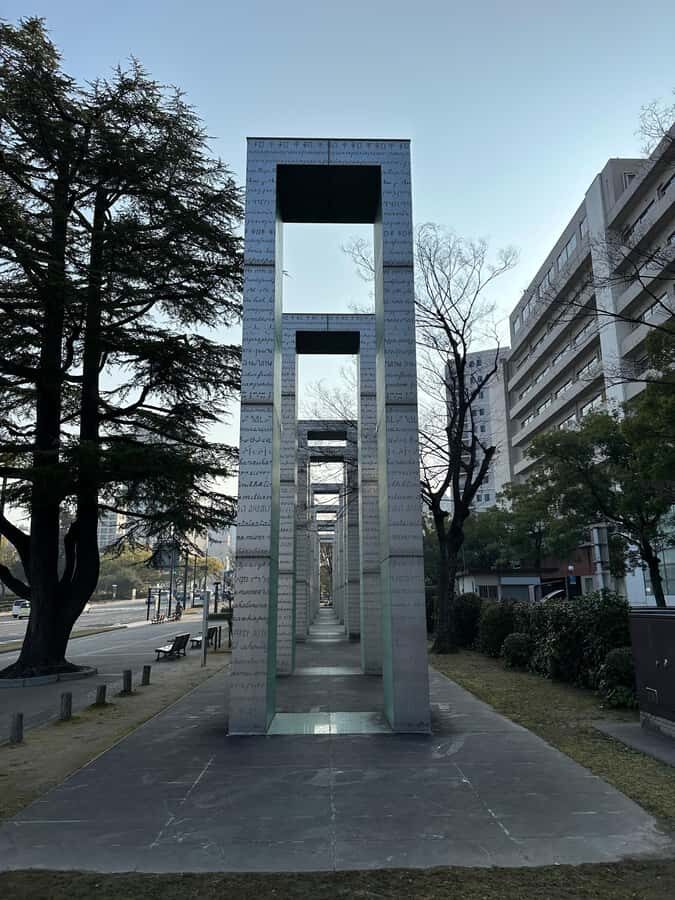
You’ll start with the Gates of Peace for a photo stop plus a guided segment (about 15 minutes). Right from the start, your guide helps you read the site instead of just looking at it. This is where I think a guide pays off most: you learn what to pay attention to visually, and you avoid turning something solemn into background scenery.
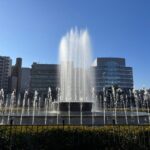
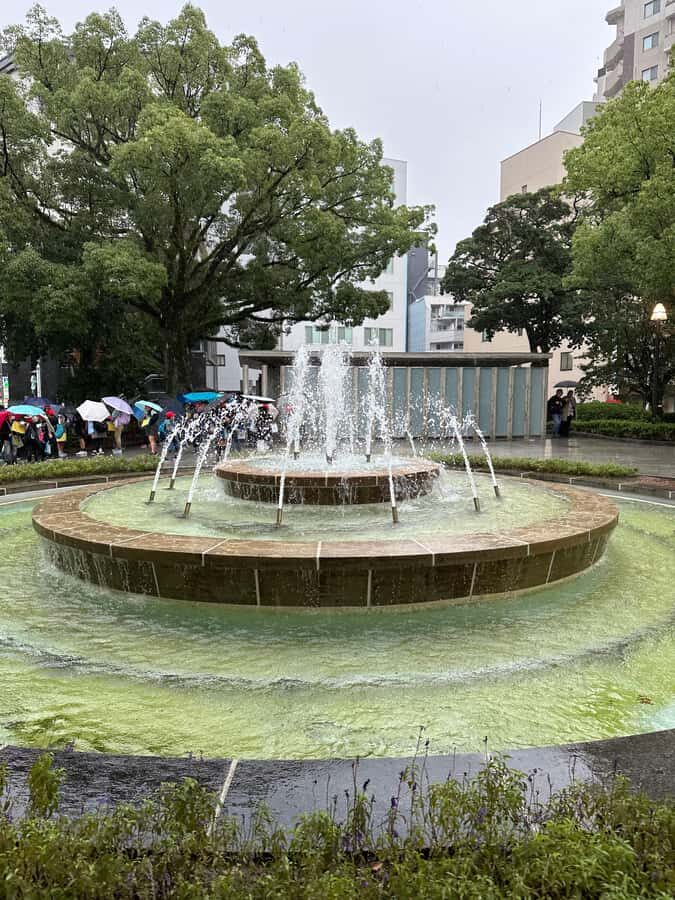
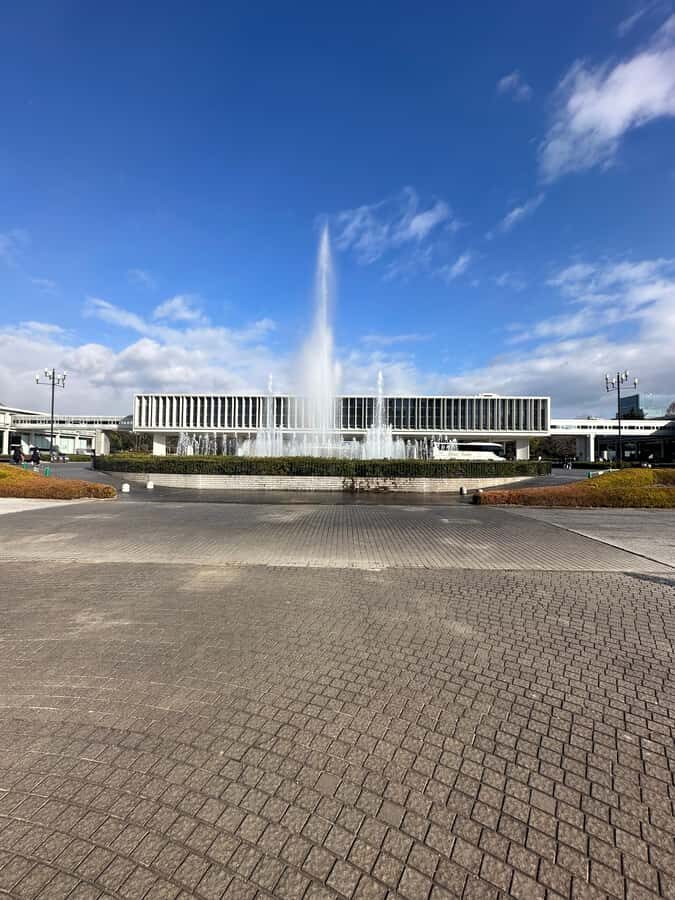
Next comes the Prayer Fountain (around 10 minutes). This is the kind of stop where people often rush because it looks simple. With a guide, you’re guided on what the fountain symbolizes in this space, and you get a calmer rhythm that prepares you for what’s ahead—especially the museum.
Hiroshima Peace Memorial Museum: Where Facts Take Over
After those first landmarks, you move into the Hiroshima Peace Memorial Museum. Entry is included, and you’ll have about 1 hour inside.
This hour is the tour’s factual center. Your guide helps you focus on the exhibits tied to the tragic events of August 6, 1945—the kind of context that’s hard to piece together from labels alone. The museum experience also has a respectful, quiet feel, so your guide’s role often shifts from nonstop talking to careful pointing and explanation where it counts.
Practical tip: if you tend to read slowly or you like to absorb photos and artifacts without rushing, use your guide’s help to choose what to see first. Even with “just one hour,” you can cover the key emotional and historical points if you have direction.
Victims Memorial Cenotaph, Flame of Peace, and Korean Atomic Bomb Victims Cenotaph
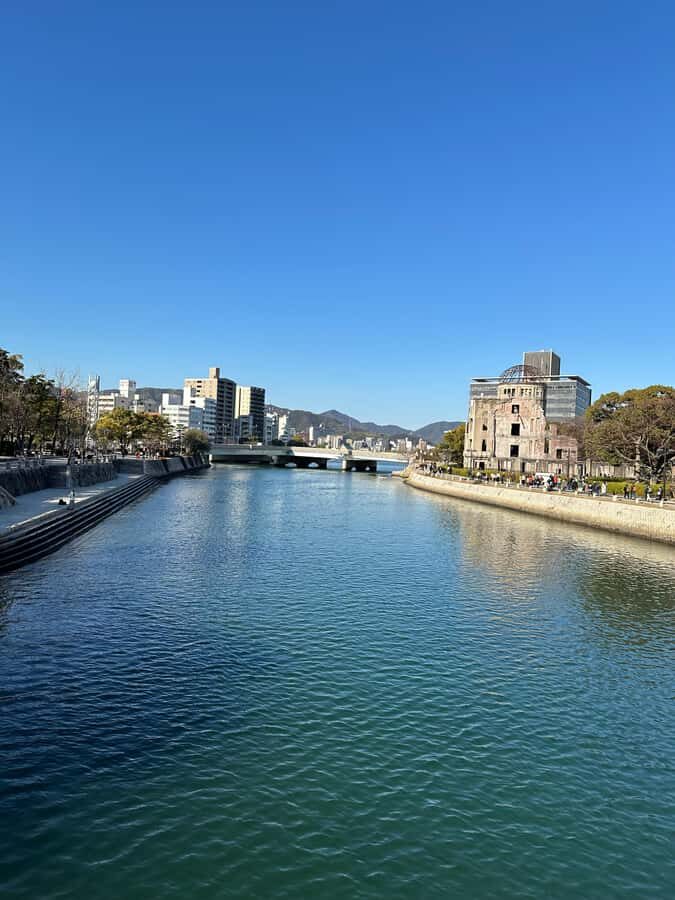
Once you’re out of the museum, you return to the open-air memorial path—this is where repetition becomes powerful. You’re no longer absorbing information; you’re witnessing how memory is built into space.
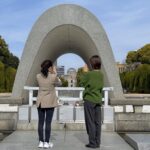
You’ll have a stop at the Hiroshima Victims Memorial Cenotaph (about 15 minutes). This segment is partly viewing and partly guided context. It’s one of those locations where it helps to understand what you’re seeing before you form your own thoughts.
Then there’s the Flame of Peace (about 5 minutes). It’s short on paper, but this is the sort of monument where the explanation can make you slow down. The point isn’t length—it’s significance, and your guide helps you notice what matters.
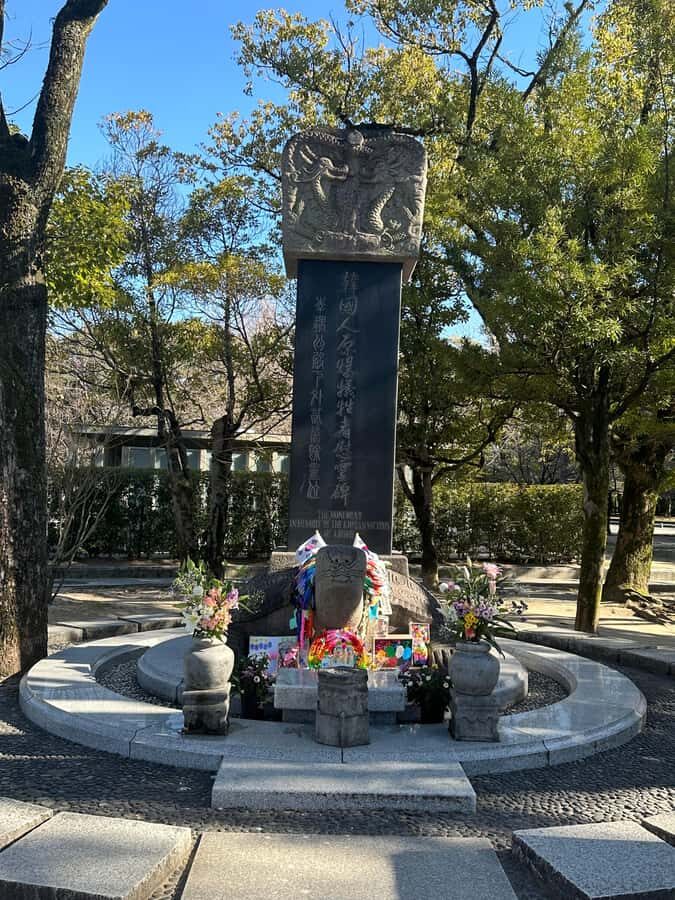
Next is the Korean Atomic Bomb Victims Cenotaph (about 15 minutes). The name alone matters here. With a guide, you get the context for why this memorial is placed within the broader Peace Park story, and that broader story becomes harder to reduce to a single-country narrative.
You can also read our reviews of more city tours in Hiroshima


Bell of Peace and Children’s Peace Monument: The Human Scale
As you move through the next cluster of stops, the tour keeps bringing you back to the human scale of the tragedy.
You’ll visit the Bell of Peace, Hiroshima (about 15 minutes). A guide here helps you interpret the space and purpose, so the bell doesn’t become just another photo backdrop.
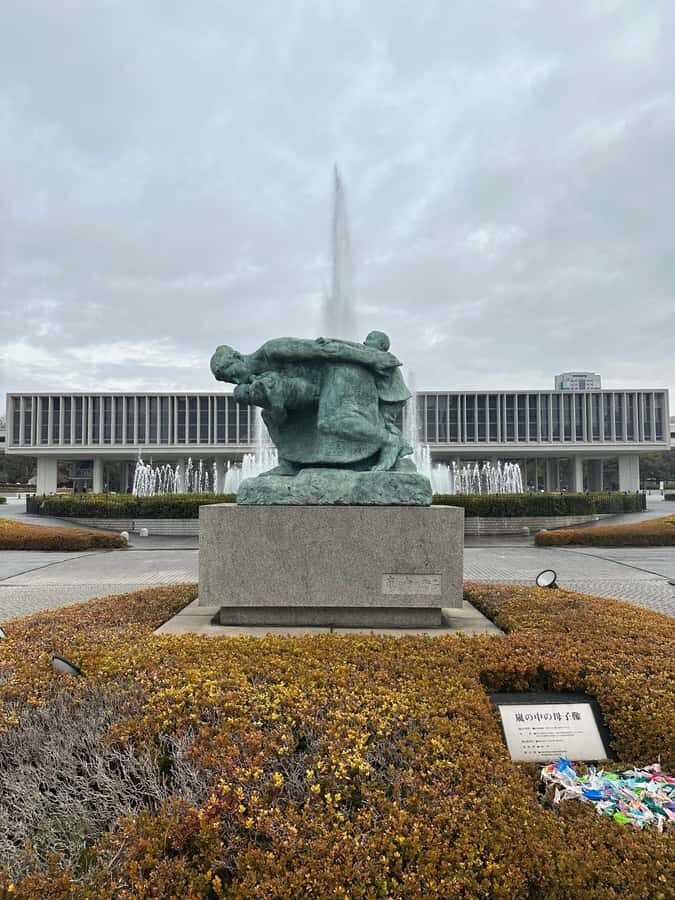
After that comes the Children’s Peace Monument (about 15 minutes). This is one of the most emotionally direct stops on the walk. With guidance, you get help understanding how the monument frames peace through the idea of children and future generations.
If you’re traveling with teens or older kids, this is often where a good guide really shines—because the explanation can be age-appropriate and grounded without being watered down.
Atomic Bomb Dome: Time for Photos, but Also for Meaning
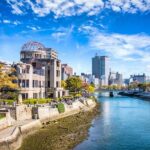
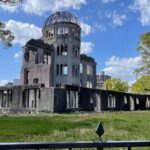
The Atomic Bomb Dome is next, with about 20 minutes for photo stop and guided tour. Entry ticket is included, so you’re not scrambling for last-minute admissions.
This is the moment most people came for—and it can be both overwhelming and visually striking. With a guide, you’ll understand how the Dome is treated within the memorial system of Peace Park. That shifts your focus from “What is this?” to “What is it preserving, and why here?”
I also like that the tour doesn’t rush past. The allotted time gives you room for a careful look, photos, and a bit of reflective space. When you’re seeing something this famous, that slower rhythm is worth more than squeezing in an extra stop.
Hiroshima Castle: A 16th-Century Reset After the Memorial
Here’s the part that surprised me in the best way: after the weight of Peace Memorial Park, the tour walks you to Hiroshima Castle, described as an old 16th-century castle.
You’ll get about 40 minutes here, including photo stop, guided time, and walking. This section matters because it doesn’t erase the memorial. It adds context for the city’s longer life and its ability to rebuild and redefine itself over centuries.
This is also where your guide’s skill can show. A strong guide doesn’t treat Hiroshima Castle like a standalone attraction. They link it back to how the city developed and how visitors can hold two truths in their head at once: grief for what happened, and respect for what endured.
How Private Guidance Changes Everything
The tour is private, and that affects the whole feel of the day. With private guidance, you’re more likely to get:
- a pace that matches your attention span
- answers to the questions you actually have
- flexibility when someone wants to linger at a monument or move on faster
Across the types of guides praised for this experience, a few themes show up repeatedly. Guides like Maria, Ali, and Ihsan are described as warm and thoughtful, and some are even funny in a light, human way when appropriate. That doesn’t change the memorial’s tone—it just keeps the walk from becoming one long, tense silence.
One more plus: guides can sometimes add extra small pauses—like time for a quick treat such as ice cream or fresh juice—or help you navigate back at the end. Those details aren’t required, but they often make the day feel more lived-in and less like a checkbox.
Price and What You Get for $90
At $90 per person for about 4 hours, this tour is aimed at people who want a guide plus admissions bundled into one plan.
Here’s what’s included:
- Entry ticket to Hiroshima Peace Memorial Museum
- Entry ticket to Atomic Bomb Dome
- Entry ticket to Hiroshima Peace Memorial Park
- Private walking tour and a guide
What’s not included:
- Food and drinks
- Transportation
That inclusion list is the value piece. If you’ve ever tried to build a Hiroshima itinerary yourself—timing museum hours, finding the Dome entrance rules, and deciding what to prioritize—you know how much friction it adds. Paying for a guide at the same time as the key admissions can be a smarter use of time, especially if it’s your first trip to the city.
Budget note: since food isn’t included, you’ll want to plan a meal before or after the walk. And because this is a Hiroshima-focused tour, asking your guide about local dishes is a natural move; some guides have steered people toward Hiroshima-style favorites like okonomiyaki or Hiroshima-yaki.
Timing, Walking Pace, and the Real World
This tour is 4 hours end-to-end. That sounds neat on a schedule, but solemn sites plus walking add up fast—especially in heat or humidity, or if you pause often for photos and explanation.
The itinerary also includes multiple short guided segments (often around 10–15 minutes each), plus two longer blocks: the museum and Hiroshima Castle. That structure helps you cover the big memorial sites without losing the guided context.
Still, there’s one reasonable caution: if you already know you prefer short experiences, 4 hours can feel like too much time in one day. If you’re sensitive to emotional intensity or you like lots of downtime, consider splitting your Hiroshima sightseeing into two days so you can recover after Peace Park.
Who This Tour Suits Best (and Who Might Prefer Something Else)
You’ll likely love this tour if:
- it’s your first time in Hiroshima and you want the main memorial sites explained
- you care about understanding what you’re seeing, not just taking pictures
- you want private pacing and the ability to ask questions in English, Malay, Urdu, Hindi, or Punjabi
- you’d like a contrast day: Peace Park first, Hiroshima Castle after
You might prefer a different format if:
- you only want casual sightseeing and minimal emotional depth
- you strongly dislike walking between many stops
- you want a shorter experience than 4 hours
Should You Book This Hiroshima Peace Park and Castle Walk?
If your goal is to understand Hiroshima in a respectful, well-paced way, I think booking makes sense. The tour’s biggest strength is that it combines the Peace Memorial Park sequence with museum context and then adds Hiroshima Castle for perspective. With tickets included and a private guide shaping what you notice, you trade planning stress for meaning—exactly what a first visit needs.
If you do book, go in with the right mindset: slow down on the memorial parts, ask questions when something feels confusing, and give yourself room to feel what you’re seeing. This isn’t a tour designed to rush you through tragedy. It’s designed to help you look, understand, and walk on with care.
FAQ
FAQ
How long is the Hiroshima private highlights walking tour?
It lasts about 4 hours.
Where do I meet the guide?
You meet your guide at 1-2 Nakajimachō, Naka Ward in Hiroshima.
Which major sites are included?
The tour includes Hiroshima Peace Memorial Park, the Hiroshima Peace Memorial Museum, the Atomic Bomb Dome, and Hiroshima Castle, plus additional monuments within the Peace Park area.
Is the Atomic Bomb Dome entrance ticket included?
Yes. Entry ticket to the Atomic Bomb Dome is included.
What languages does the live guide speak?
The live tour guide is listed in English, Malay, Urdu, Hindi, and Punjabi.
Is food and drinks included?
No. Food and drinks are not included.
Is the tour wheelchair accessible?
Yes, the activity is wheelchair accessible.